WATER SOFTENER SERVICE & REPAIR

GE Water Softener Repair & Troubleshooting

Let's Diagnose What You Have First.

If your GE softener is leaking, not using salt, failing to regenerate or letting hard water return, Water Fixers Plumbing & Filtration can inspect it first. If repair is practical, we repair it. If the economics genuinely no longer make sense, we explain the replacement options—without turning a service call into a sales pitch.

Water Fixers Plumbing & Filtration • California License #719792
Technician diagnosing an existing water softener before recommending repair or replacement

Symptoms First. Then a Real Diagnosis.

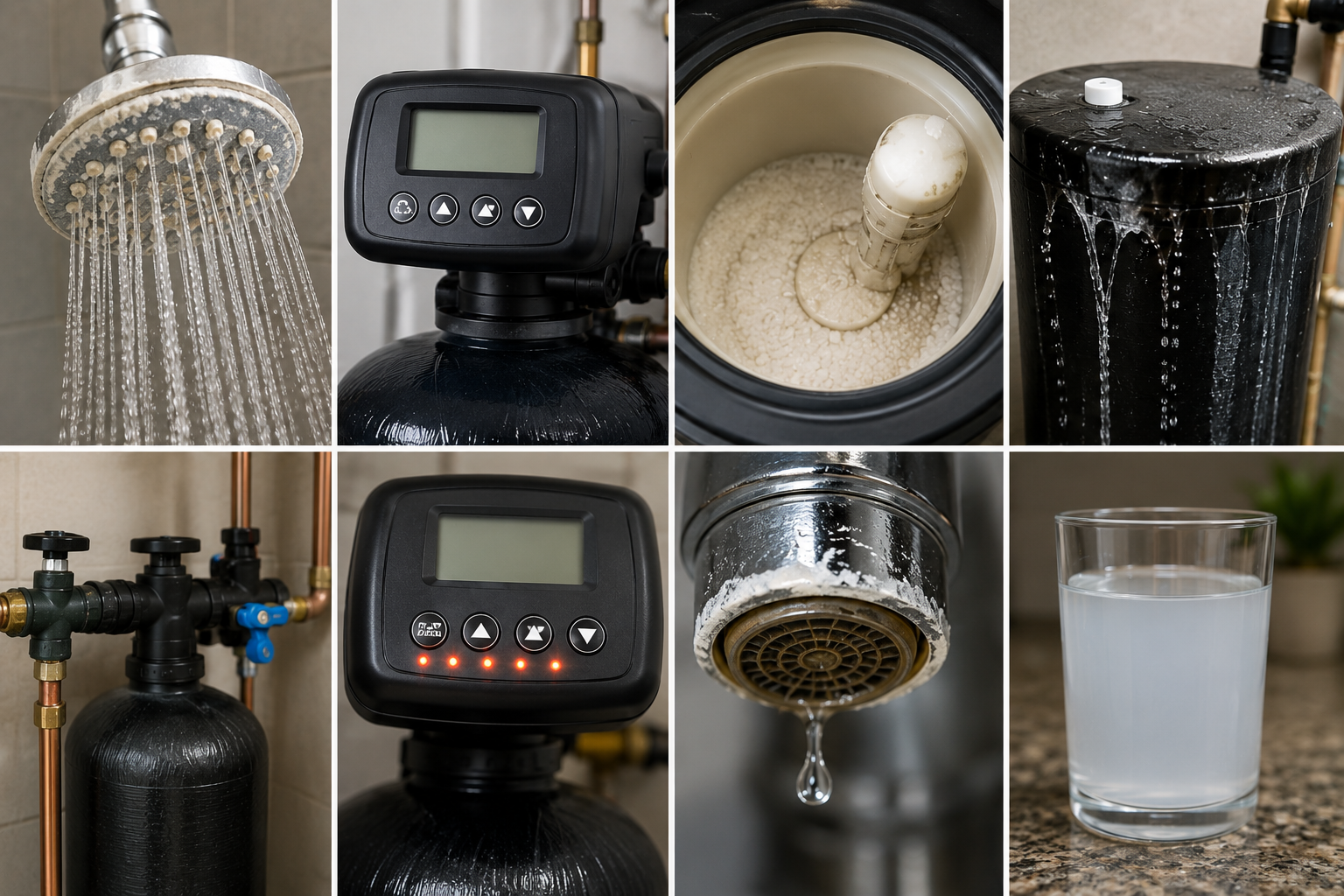
GE softener problems can look similar even when the causes are different. Hard water may come from an exhausted resin bed, a brine problem, bypass leakage, incorrect hardness settings or a valve that is not completing regeneration. Start with the symptom you can see.

WHAT IS YOUR SOFTENER DOING?

Start With the Symptom

Hard Water Has Returned

Scale, spotting or slick-water loss on a unit that used to work may indicate exhausted resin, a brine problem, bypass leakage or a regeneration that is not completing.

Softener Is Not Using Salt

A salt level that never drops is commonly associated with a salt bridge, a blocked injector or a brine draw problem.

System Will Not Regenerate

A cycle that never starts, stalls or runs repeatedly can involve the electronic controls, settings, metering or valve operation.

Water in the Brine Tank

A high or unusual water level in the brine area can involve the float, injector, a drain restriction, the valve or a failed regeneration step.

Unit Is Leaking

Water at the fittings, bypass, cabinet or drain connection should be inspected before it spreads to the floor or the electronics.

Error, Control or Motor Problem

Display errors, a blank panel, a valve that will not advance, or a motor that clicks or hums call for a control-and-valve diagnosis.

Technician servicing the control valve on a residential water softener

REPAIR BEFORE REPLACEMENT

What Water Fixers Checks on an Existing GE Softener

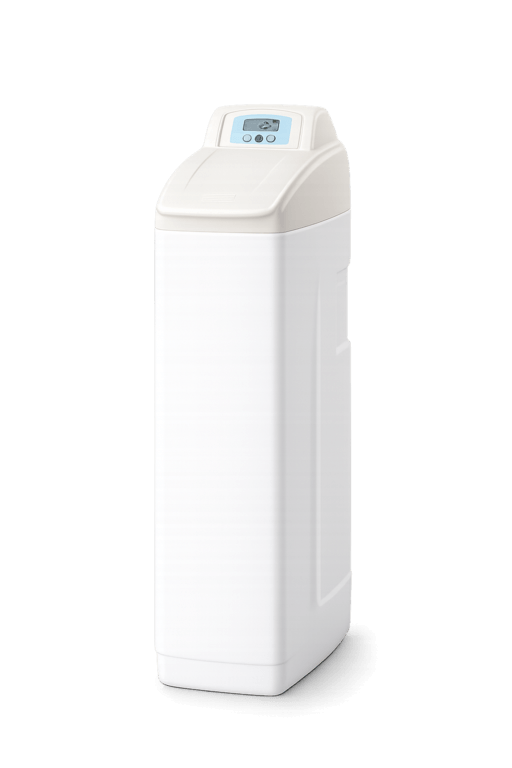
GE water softeners combine a compact cabinet, electronic controls and regeneration components that all have to work together. When the system stops softening, holds too much water in the brine area, runs repeatedly or develops a leak, Water Fixers traces the symptom through the controls, valve, brine system, drain and incoming water conditions.

Cleaning a salt bridge or correcting a setting solves some problems, but recurring hard water or regeneration failures need deeper diagnosis. We look at control behavior, valve movement, brine pickup, drain flow, resin condition and plumbing pressure together—before recommending parts.

Settings & Programming

Hardness, time, iron and capacity entries on the electronic controller are compared with the home’s actual water and household use.

Bypass Position

A bypass left open sends untreated water straight to the house and is a common reason hard water “returns” with no fault in the softener.

Salt & Brine Condition

Salt bridging, mushing and the brine level are checked for anything preventing a proper brine draw.

Injector & Brine Components

The injector, nozzle and venturi, float and brine line are inspected for clogging or wear.

Valve, Seals & Motor

Valve movement, seals and the drive motor are observed through a cycle to confirm the unit can complete regeneration.

Resin Condition

Resin capacity declines with age and chlorine exposure; a technician evaluates whether the bed is still doing useful work.

Plumbing & Drain

Inlet/outlet orientation, fittings, pressure, shutoffs and the drain path all affect how the softener performs.

Age & Parts Practicality

Overall condition and whether a practical repair path exists are weighed before any recommendation.

Common GE Softener Problems

These are symptoms a technician can inspect. Nothing here is a remote diagnosis, and the right repair depends on what the inspection actually finds.

Salt Bridging

A hard crust forms above the water in the brine area, so the cabinet looks full while no brine is made. Can be associated with humidity, salt type or overfilling.

Brine Draw Problems

A clogged injector or nozzle, float trouble or a drain restriction may keep the unit from pulling brine, leaving the resin uncharged.

Repeated or Constant Cycling

A unit that regenerates far too often can involve settings, the flow meter, valve operation or a control problem—and it wastes salt and water.

Bypass or Seal Leakage

Worn seals can let untreated water pass, so the water is hard even when the softener regenerates on schedule.

Control Panel or Error Messages

Blank displays, blinking indicators or error messages may indicate a power, sensor or control issue that should be checked before parts are ordered.

Age-Related Resin Loss

Resin beads break down over time; declining capacity, frequent regeneration and resin appearing in fixtures are all worth inspecting.

WHEN REPAIR MAKES SENSE

Repair, Rebuild or Replace?

When the rest of the unit is in good condition and the failed component is serviceable, a targeted repair is often the best value. Older resin, repeated valve problems or declining capacity can change that math. Water Fixers compares the cost and practicality of keeping the existing GE softener against current options—and considers water hardness, household demand, plumbing condition and whether separate filtration is needed for taste, odor or sediment.

Technician evaluating whether an older water softener should be repaired or replaced

Repair May Make Sense When

  • the unit is otherwise in usable condition
  • the failure can be isolated to a specific component
  • an appropriate parts or service path exists
  • repair cost is reasonable relative to the system’s condition and age

Replacement May Make More Sense When

  • multiple major components are failing at once
  • the equipment is substantially aged
  • repair parts are unavailable or impractical to source
  • resin or overall system condition is poor
  • repeated service costs keep accumulating
  • the household’s water needs have changed

THE WATER FIXERS SERVICE PATH

Diagnose. Test. Repair. Replace Only When It Makes Sense.

Every visit follows the same order, so the recommendation is based on what the equipment shows—not on the brand name on the cabinet.

1. Diagnose

Start with what the existing system is actually doing—settings, bypass, salt and brine condition, valve movement and any leak.

2. Test

Confirm hardness and other water conditions when appropriate, so symptoms are matched to real numbers instead of guesses.

3. Repair

Repair the existing equipment when the failure can be isolated and a practical repair path exists.

4. Replace When Necessary

If the age, condition or economics no longer support repair, explain the available options clearly.

5. Support Locally

Water Fixers remains the local service contact after the visit, whether the unit was repaired or replaced.

OWNERSHIP QUESTIONS WORTH ASKING

The Purchase Price Is Only the Beginning

A GE water softener can soften water when it is correctly sized, installed, programmed and maintained. The question Water Fixers wants homeowners to ask is what happens after the box is opened: who diagnoses a failure, who has access to the right parts, who performs the labor, and who helps when the warranty is over.

This is not an argument that every retail softener is bad. It is an argument for comparing the whole ownership experience—not just the price tag and grain number. GE publishes model-specific warranty coverage; because terms, models and retailer assortments change, homeowners should verify the current written warranty and documentation for their own model.

Water softener replacement parts organized for professional repair service

Before Buying Any Softener

  • Who will test my water and size the system?
  • Who installs it and checks the bypass, drain and plumbing?
  • Who comes to my house if it stops softening?
  • Are common repair parts obtainable?
  • Can the valve, seals, motor or controls be serviced instead of replacing the whole unit?

Before Keeping or Replacing One

  • Does the warranty include labor, or only parts?
  • What registration, maintenance or purchase requirements affect coverage?
  • What happens after the warranty expires?
  • Can a local water-treatment technician work on it?
  • What is the realistic repair-versus-replacement path five or ten years from now?

IF REPLACEMENT BECOMES THE BETTER REPAIR

Water Fixers Replacement Options

If the inspection shows that repair no longer makes practical sense, Water Fixers can walk through its current softener lineup. This is a conversation about fit—water hardness, household demand, plumbing and service needs—not a push to replace a unit that can still be fixed.

SoftFlo SE

A straightforward Water Fixers softener option for homes that need dependable hard-water treatment with local sizing, installation and service support.

SoftFlo SEC

A Water Fixers softener option where dependable performance, configuration and local service support matter.

SmartSoft

A modern softener option for homeowners interested in smarter monitoring and efficient operation, backed by the same local service path.

RELATED HELP

Related Help for GE Softener Owners

Water Softener Service & Repair

General softener diagnosis and repair for any brand, including the plumbing around the unit.

Water Softener Maintenance

Salt management, brine tank cleaning and preventative checks that keep a working unit working.

Hard Water Solutions

What hardness does to fixtures and appliances, and how to confirm the problem before buying equipment.

Water Testing

Confirm hardness and other water-quality concerns before choosing equipment by brand or size.

GE Softener vs. Water Fixers

If the inspection points to replacement, see how a GE cabinet softener compares with the serviceable Water Fixers lineup.

Kenmore / Sears Softener Repair

Own a different retail cabinet softener? Kenmore and Sears units have their own repair and troubleshooting page.

GE Water Softener Repair FAQs

Direct answers for GE softener owners deciding whether to repair, maintain or replace.

Water Fixers can evaluate many GE water softeners for common regeneration, brine, valve, bypass, leak, salt and hard-water problems. Whether a repair is practical depends on the age, condition and realistic availability of parts, which is confirmed during the inspection.
Salt that never goes down is commonly associated with a salt bridge, a clogged injector or nozzle, a float problem or another brine draw issue. Breaking up a bridge sometimes helps, but a unit that keeps failing to draw brine should be inspected.
A regeneration that never starts, stalls or repeats can involve the electronic controls, settings, the flow meter, the drive motor or valve operation. A technician can watch the unit through a cycle to see where it stops.
Hard water can return when the bypass is open, the resin is exhausted or worn, the unit is not making brine, or regeneration is not completing. More than one of these can be true at once, which is why the whole system is checked.
Sometimes. A repair can make sense when the tank, valve body and resin are still serviceable and the needed parts are reasonable. When age, repeated failures or unavailable parts make repair poor value, replacement may be the better choice.
Not simply because of the label. If it is working, maintain it. If it fails, Water Fixers can help evaluate condition, parts availability and repair cost before recommending replacement.
Replacement usually makes more sense when multiple major components are failing, the unit is substantially aged, parts are impractical to source, resin condition is poor, or repeated service costs are adding up. Water Fixers explains the comparison before any decision.
Yes. Water testing helps confirm hardness and identify other water-quality concerns so any recommendation is based on the home’s actual water rather than a brand name or a capacity number on a carton.
It helps but is not required. On most GE cabinet softeners the model label is inside or near the salt lid. Describing the symptom—not using salt, leaking, hard water, error message—is enough to schedule a visit.

Need Help With Your GE Water Softener?

Tell Water Fixers what the system is doing. We can inspect the existing equipment, diagnose the problem and help determine whether repair or replacement makes the most sense for your home.

Water Fixers Plumbing & Filtration • California License #719792

CALL NOW! Se Habla Español!