
Water-pressure service in Santa Maria should begin with what is actually changing. A pressure complaint can involve a pressure regulator, a partly closed valve, a fixture restriction, household piping, treatment equipment, a hidden leak, the customer-side water line, or—when the property truly uses one—private-well pressure equipment.
Water Fixers evaluates the plumbing-side pattern first and keeps well drilling, pump pulling, electrical-only pump work and specialty pump engineering outside the scope of this page.
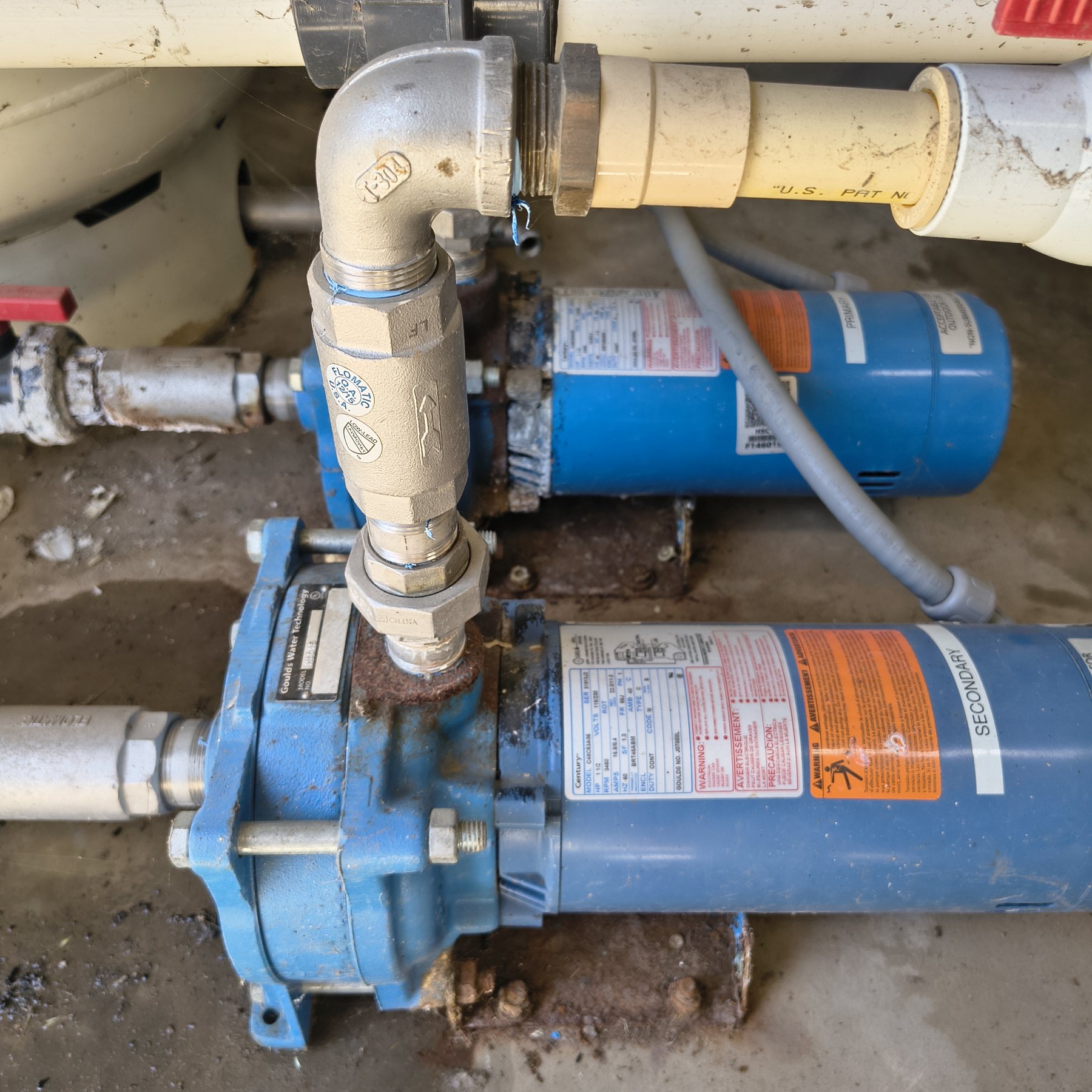
START WITH THE SYMPTOM
Pressure is a system symptom. The right starting point depends on whether the concern is high, low, sudden, demand-related, isolated to one fixture, tied to the customer-side water line, or connected to a verified private-well system.
Forceful flow or high gauge readings belong in the high-pressure / PRV path before parts are replaced.
Whole-home low pressure can have several causes. Start with evaluation rather than assuming one valve or pump is bad.
A pressure drop under demand may involve supply capacity, restriction, pressure equipment, or another plumbing condition.
A sudden change can justify checking for hidden water loss or another upstream problem.
Private-well pressure follows a different path from municipal PRV problems.
A service/supply-line issue can affect flow and pressure and has its own repair/replacement path.
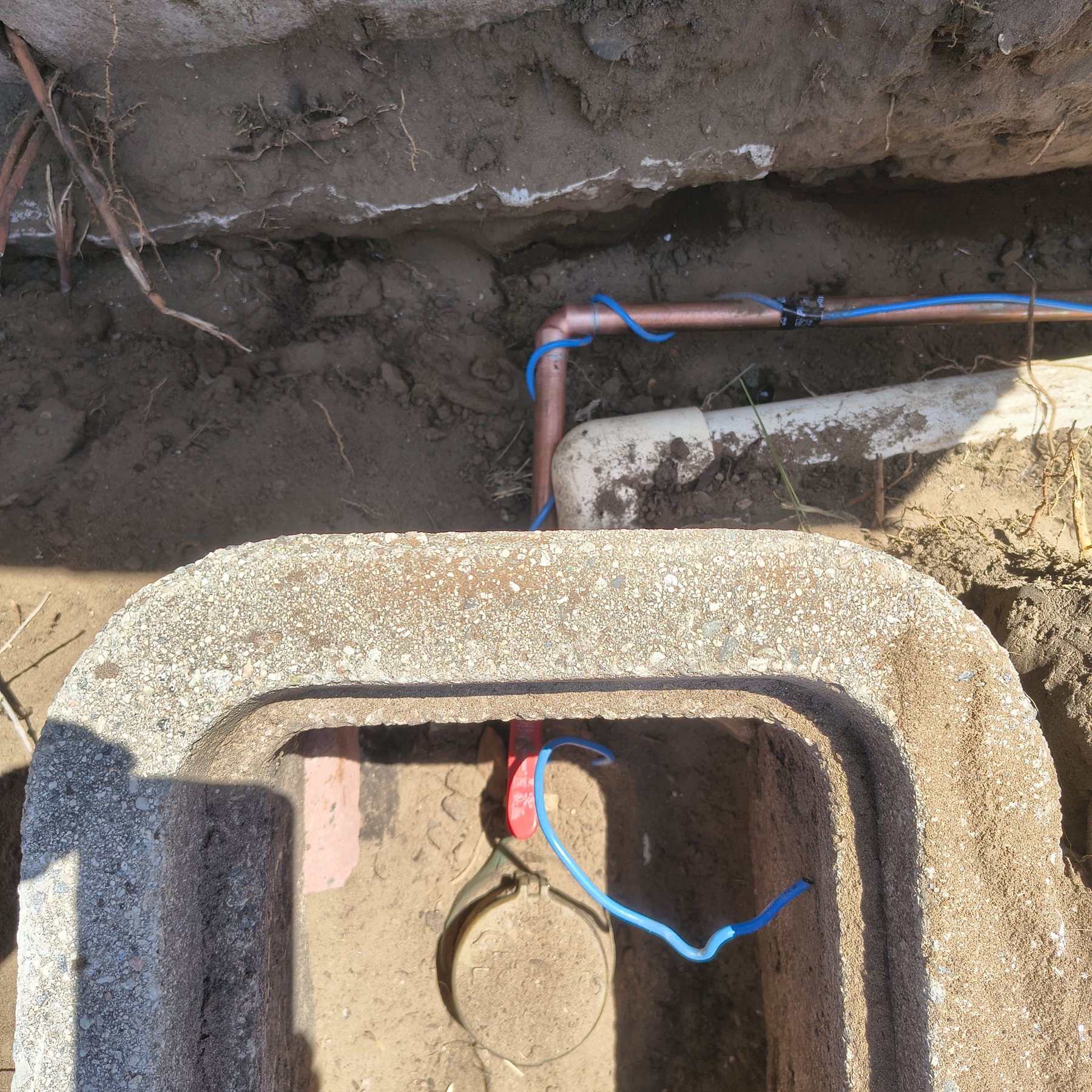
PRESSURE PROBLEMS HAVE DIFFERENT CAUSES
Weak or inconsistent flow does not identify the failed component by itself. Pressure regulation, a partly closed valve, a fixture restriction, treatment equipment, a hidden leak, the customer-side water line, or private-well pressure equipment can create different versions of the same complaint.
First separate one-fixture symptoms from whole-property symptoms, note whether the change was sudden or gradual, and identify whether the property is City-served or actually uses private pressure equipment.
THE FIRST QUESTION
The water-source context changes the diagnostic path. A City-served property does not need a private-well diagnosis just because municipal groundwater wells are part of the regional supply. A property with an actual private well follows a different pressure-system path.
For a City-served property, pressure complaints can involve customer-side regulation, valves, fixture restrictions, treatment equipment, household plumbing, a hidden leak, or the water service line. The symptom pattern determines which path deserves attention first.
Private-well pressure can involve a pump, pressure tank, pressure switch, source delivery and treatment equipment. That is not the same diagnostic path as a municipal pressure-regulator problem.
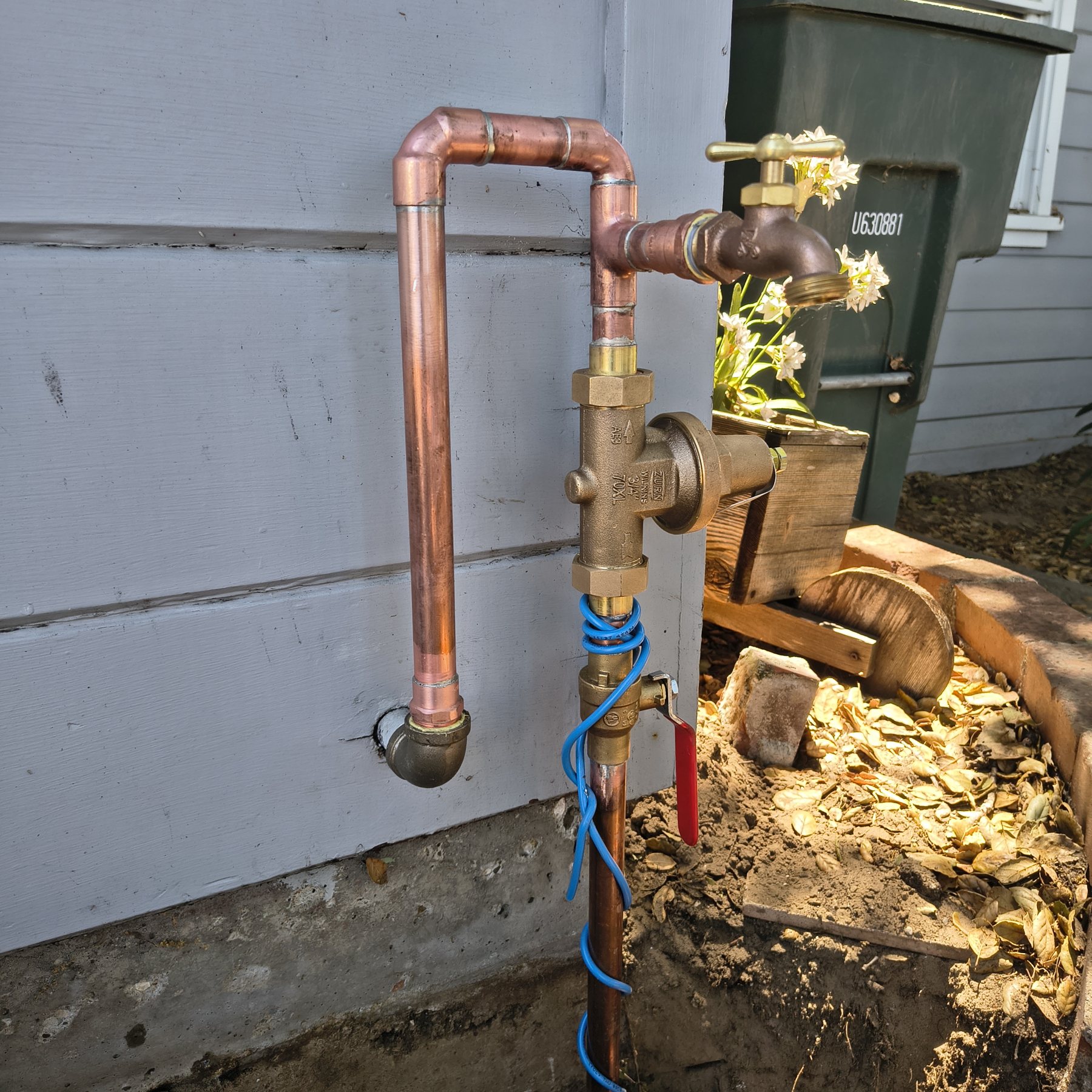
PRESSURE TOO HIGH?
A Pressure Regulator Valve (PRV), also called a pressure reducing valve or water pressure regulator, reduces excessive incoming municipal pressure. It does not increase low pressure, it is not a pump, and it is not the same thing as a pressure-relief or water-heater T&P valve.
Pressure should be tested before assuming the regulator has failed. The dedicated PRV and high-water-pressure pages own those detailed questions.
LOW OR INCONSISTENT PRESSURE
A whole-property symptom may be farther upstream than one faucet or fixture.
A localized fixture or plumbing restriction may need ordinary repair instead of pressure-system work.
When water loss is suspected but the source is unknown, leak detection is the correct diagnostic owner.
A suspected service/supply line follows the dedicated water-line evaluation path.
Private-well pressure needs its own pressure-system context instead of automatic PRV assumptions.
A failed or unreliable shutoff is a separate plumbing-control problem.
PRESSURE CHANGED SUDDENLY?
A pressure drop can occur alongside a leak, but pressure loss alone does not prove that a leak exists. If unexplained water use, moisture, meter movement or another clue suggests hidden water loss and the location is unknown, use Santa Maria Leak Detection. If the customer-side service/supply line is already suspected or identified, use the dedicated Santa Maria Water-Line Repair & Replacement path.
PRIVATE WELL?
When a property actually uses a private well, pressure can involve a pump, pressure tank, pressure switch, source conditions and treatment equipment that are not part of a normal City-water PRV diagnosis. Water Fixers can evaluate the plumbing-side pressure problem and help identify the next step without presenting well drilling, pump pulling or electrical-only pump repair as standard plumbing work.
If sediment or treatment equipment is creating pressure drop, that can be evaluated as part of the plumbing/treatment path; water-quality treatment should still be based on the actual condition rather than on the pressure symptom alone.
CONTROL + URGENT CONDITIONS
If access or pressure work uncovers a failed shutoff, route that valve problem separately from PRV service.
Uncontrolled leakage or immediate property-damage risk belongs in the emergency-plumbing path.
The City of Santa Maria says water pressure for City customers is fairly constant around the clock and is usually between 60 and 80 psi, depending on property elevation. The City also lists several customer-side reasons for low pressure, including a pressure regulator, a clogged faucet aerator, a partly closed house valve, water-heater sediment, and a water softener that is restricting flow.
That guidance is useful context, not a diagnosis for one property. A single weak faucet should be separated from a whole-property pressure change, and a measured high-pressure condition should be separated from a leak, service-line problem, treatment restriction or verified private-well pressure issue before equipment is replaced.
HOW THE SERVICE PATH IS CHOSEN
1
2
3
4
5
6
Perform plumbing work within scope and verify operation after the approved service.
WHICH WATER FIXERS PAGE SHOULD I USE?
Use the service that owns the actual problem. A pressure symptom should not automatically become a PRV replacement, pump job, leak call, or whole-house plumbing repair.
Use the educational owner for excessive household pressure and pressure testing.
Use the PRV owner for regulator testing, installation, adjustment, service, or replacement questions.
Use the private-well owner when pump / pressure-tank context changes the diagnosis.
Use leak detection when water loss is suspected but the source is unknown.
Use the water-line page when the larger supply/service line is suspected or confirmed.
Use general repair when the symptom is localized to a fixture, valve, connection, or accessible piping.
WATER PRESSURE FAQ
SANTA MARIA
Tell Water Fixers what changed, whether one fixture or the whole property is affected, whether the change appears under demand, and whether the property uses City water or a verified private well. That pattern helps route the plumbing-side next step without guessing at the cause.
CALL NOW! Se Habla Español!