
WATER QUALITY • CONTAMINANT GUIDES
Scale, staining, odor and corrosion can point toward useful questions, but they do not identify a contaminant by themselves. Other concerns—including nitrate, arsenic and bacteria in well water—may have no dependable visible warning at all. Use these guides to understand what may be worth testing before choosing treatment.
38+ years on the Central Coast • California License #719792 • Plumbing + filtration expertise
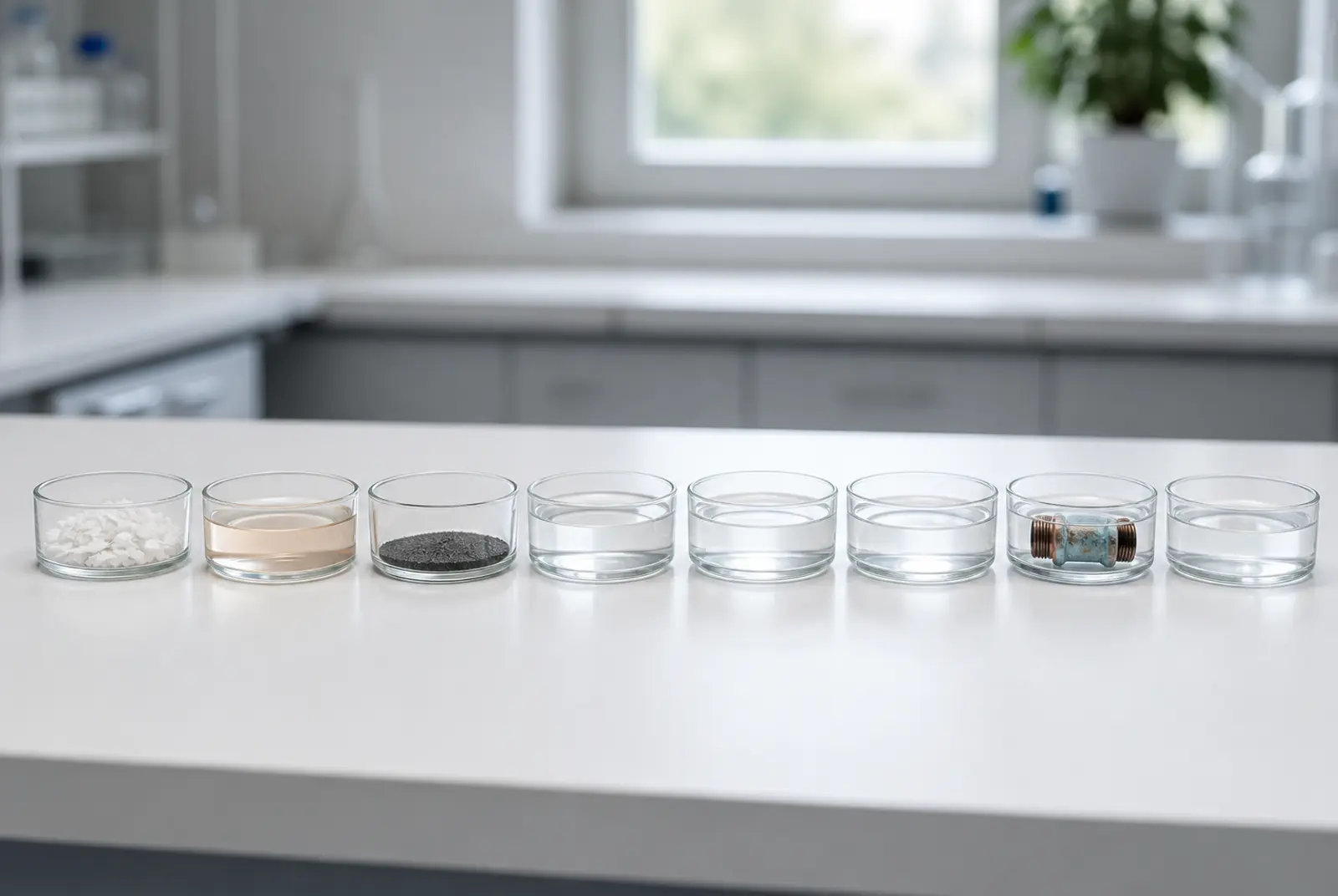
START WITH WHAT YOU NOTICE
Use appearance, odor and where the problem occurs as clues—not as a diagnosis. The guides below explain what each symptom can and cannot tell you.
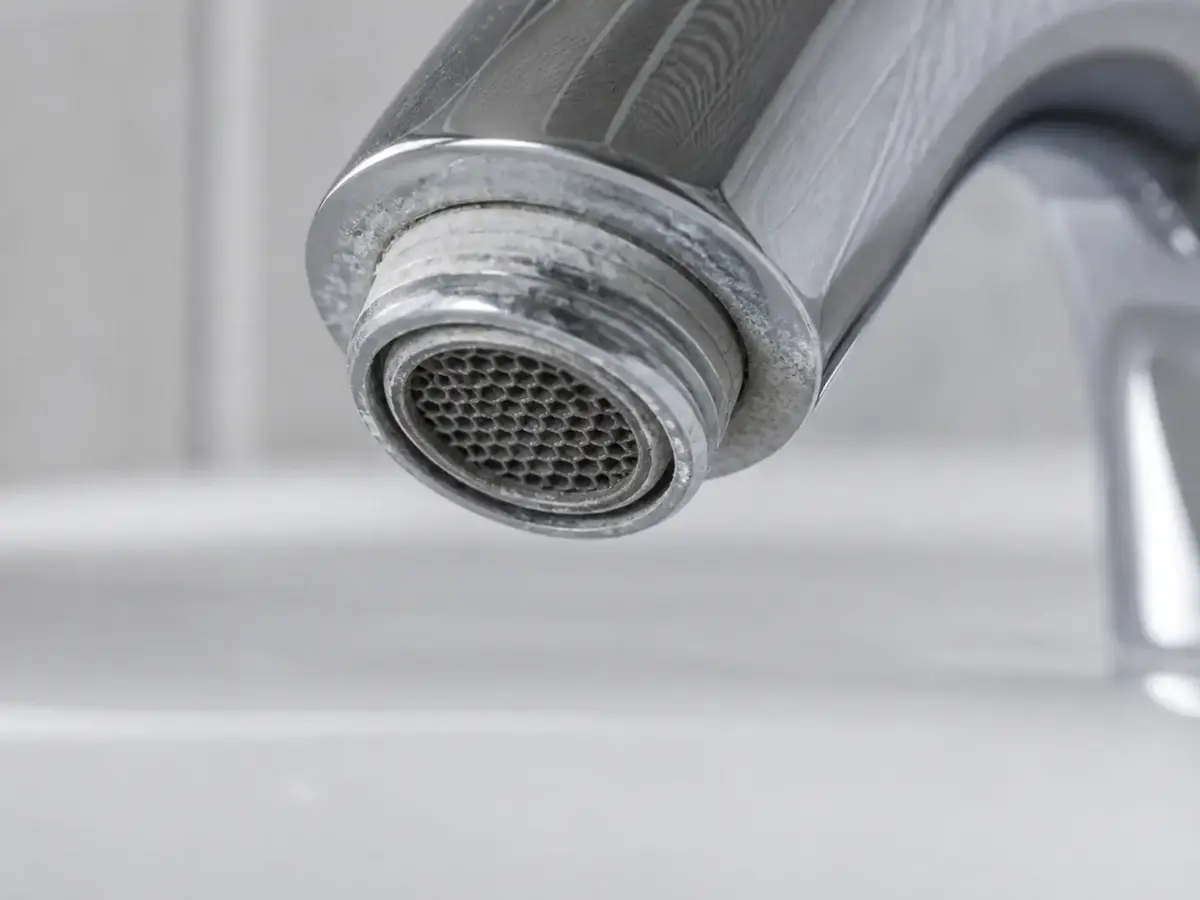
WHITE SCALE / SPOTTING
White scale, spotting and poor soap performance may be consistent with hardness. Testing measures the actual level.
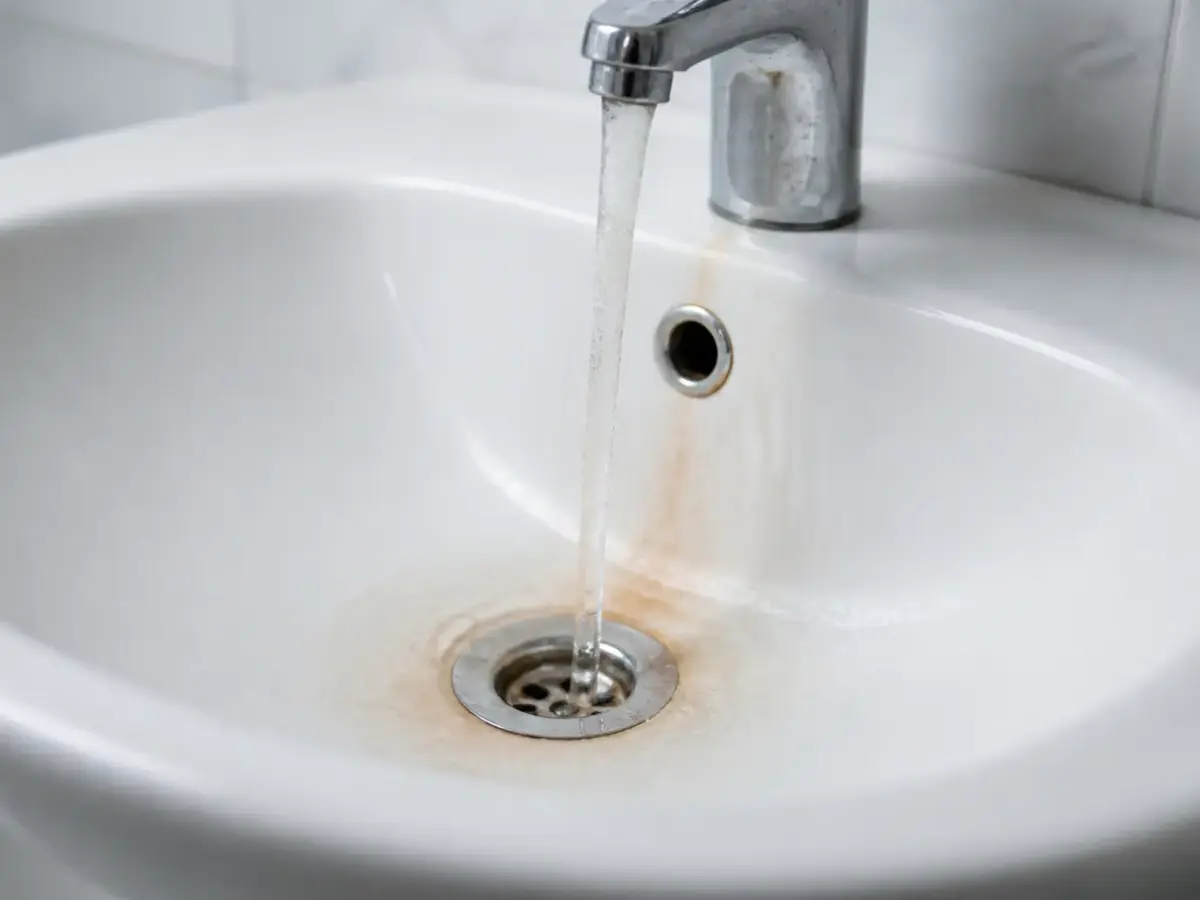
ORANGE / BROWN STAINING
Orange or brown staining may be consistent with iron, but color alone cannot identify its form, concentration or source.
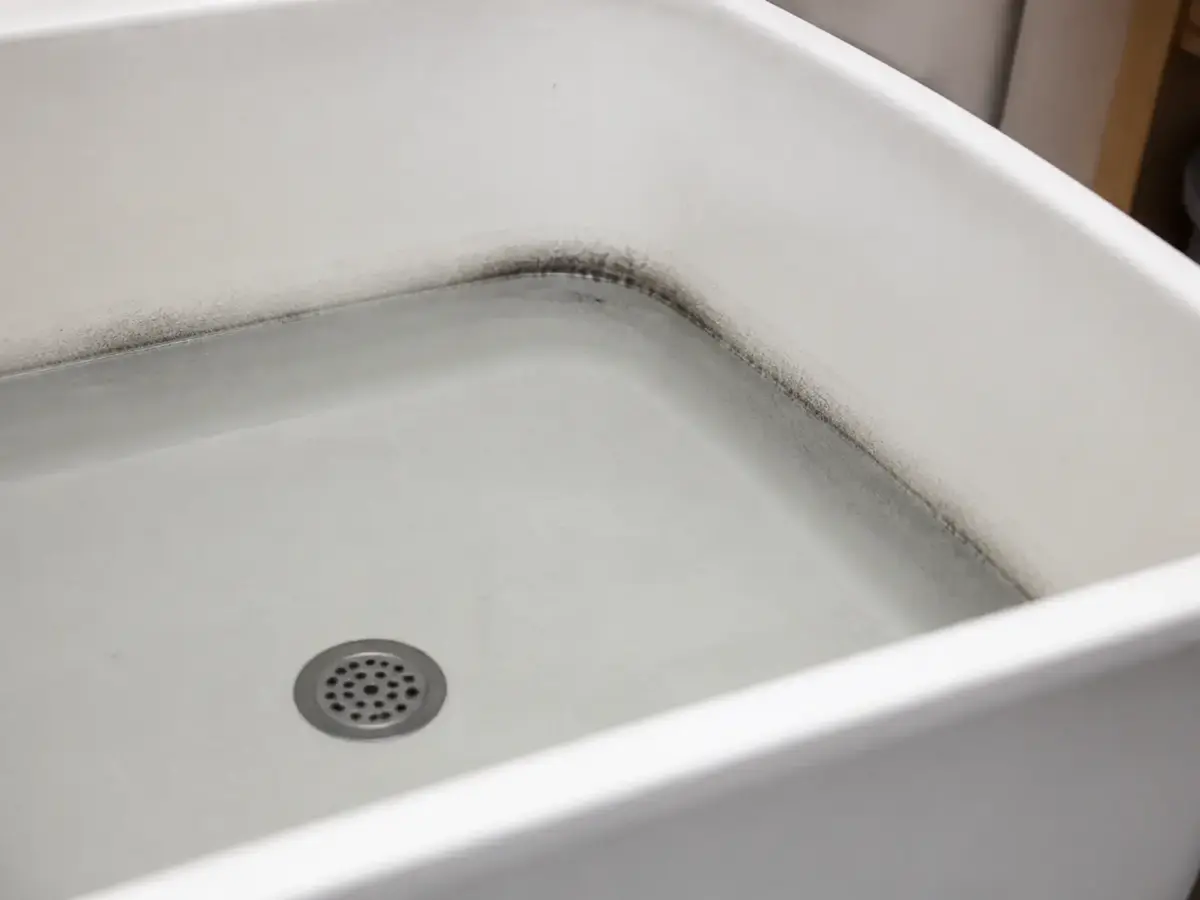
BLACK / DARK STAINING
Black or dark deposits can be consistent with manganese, but appearance cannot confirm what is present.
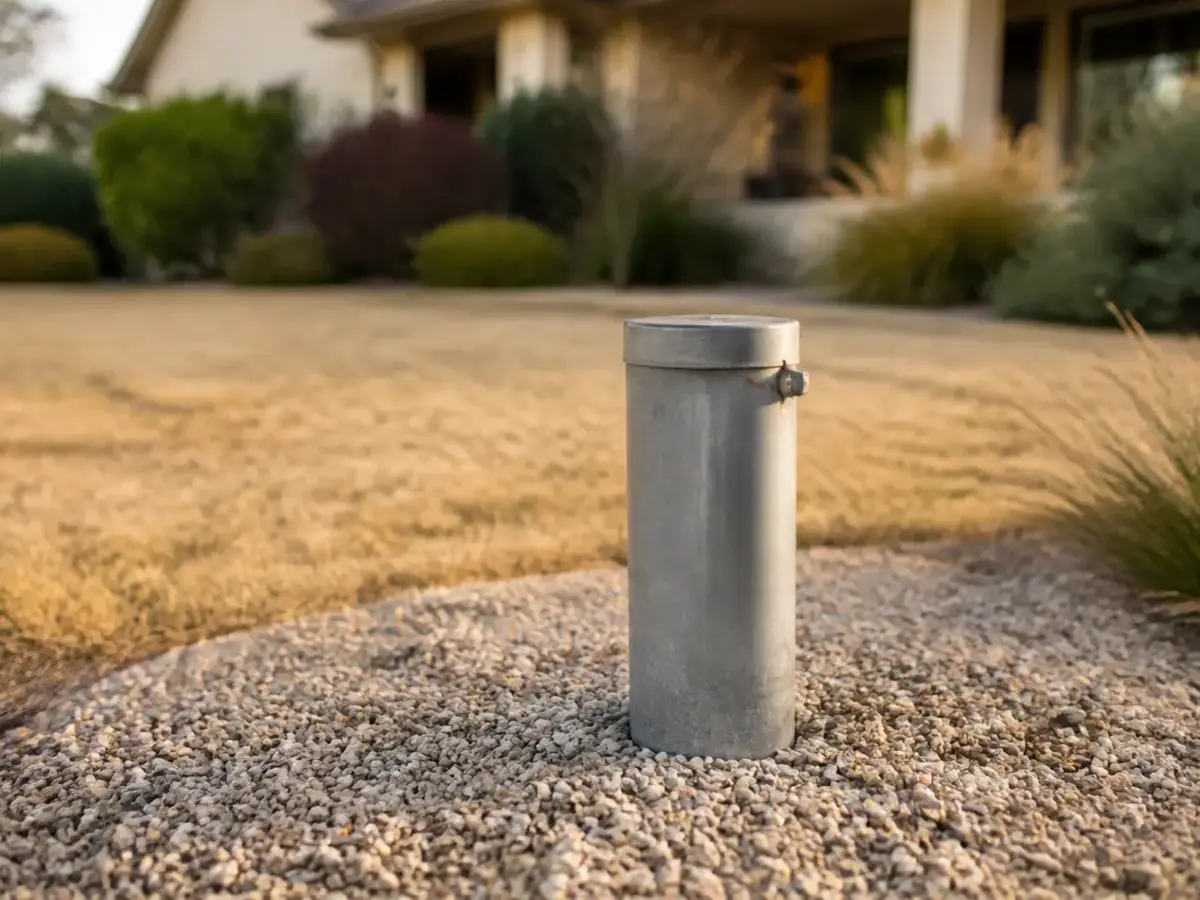
ROTTEN-EGG ODOR
A rotten-egg odor may involve source water, plumbing, sulfur bacteria or a water heater. Hot-only versus hot-and-cold matters.
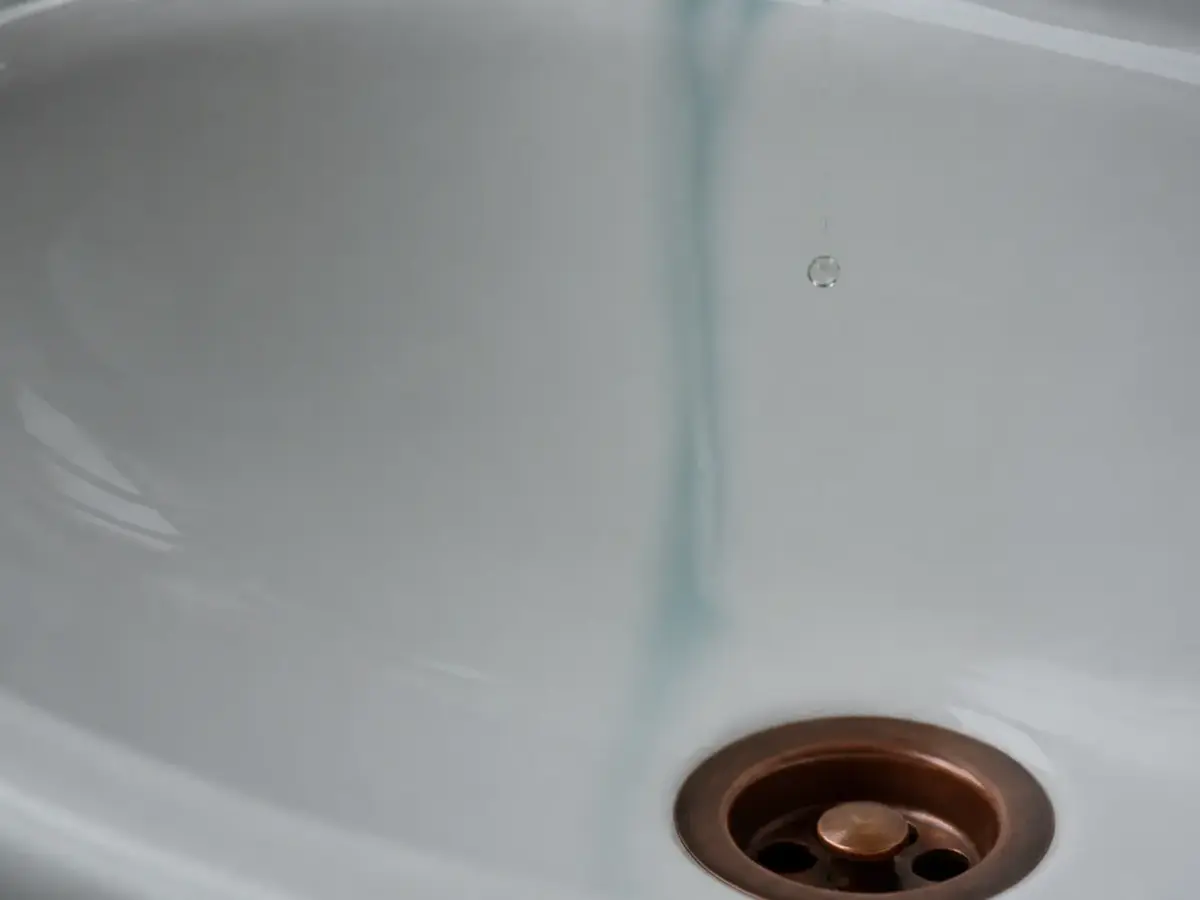
BLUE-GREEN STAINING
Blue-green staining, metallic taste or corrosion can be clues, but pH and plumbing conditions need to be tested.
MIXED OR UNCLEAR SYMPTOMS
Sediment, cloudiness, unusual taste or mixed symptoms can have more than one cause. Start with the broader water-quality guide or water testing.
CLEAR WATER IS NOT A TEST RESULT
Nitrate, arsenic and bacteria are especially important examples for private-well owners because water can look, taste and smell normal. When the question involves drinking-water safety, use the appropriate laboratory method rather than relying on appearance.
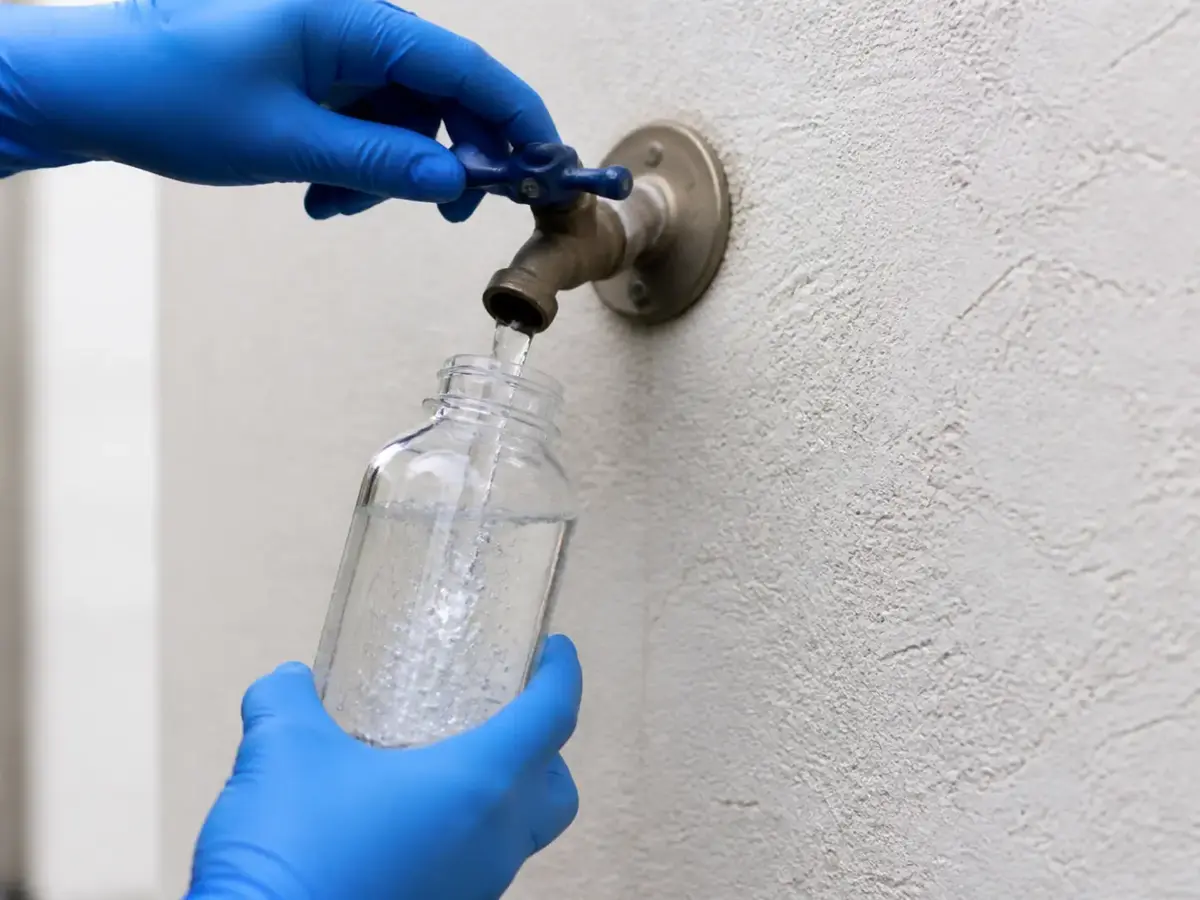
MAY BE INVISIBLE
Nitrate cannot be diagnosed by sight, taste or smell. A certified laboratory result is the starting point for any treatment decision.
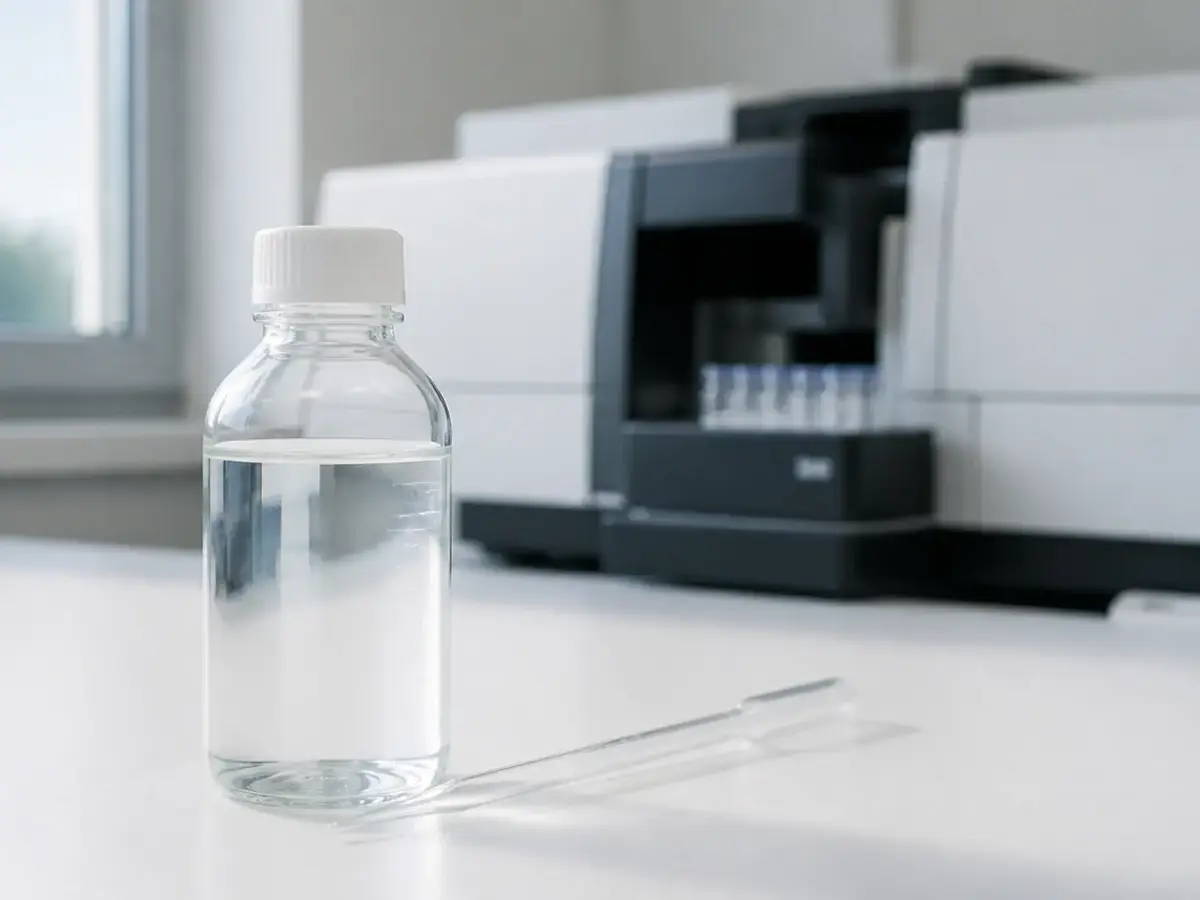
MAY BE INVISIBLE
Arsenic has no dependable household sight, taste or odor clue. Test the individual drinking-water source and use that result to plan treatment.
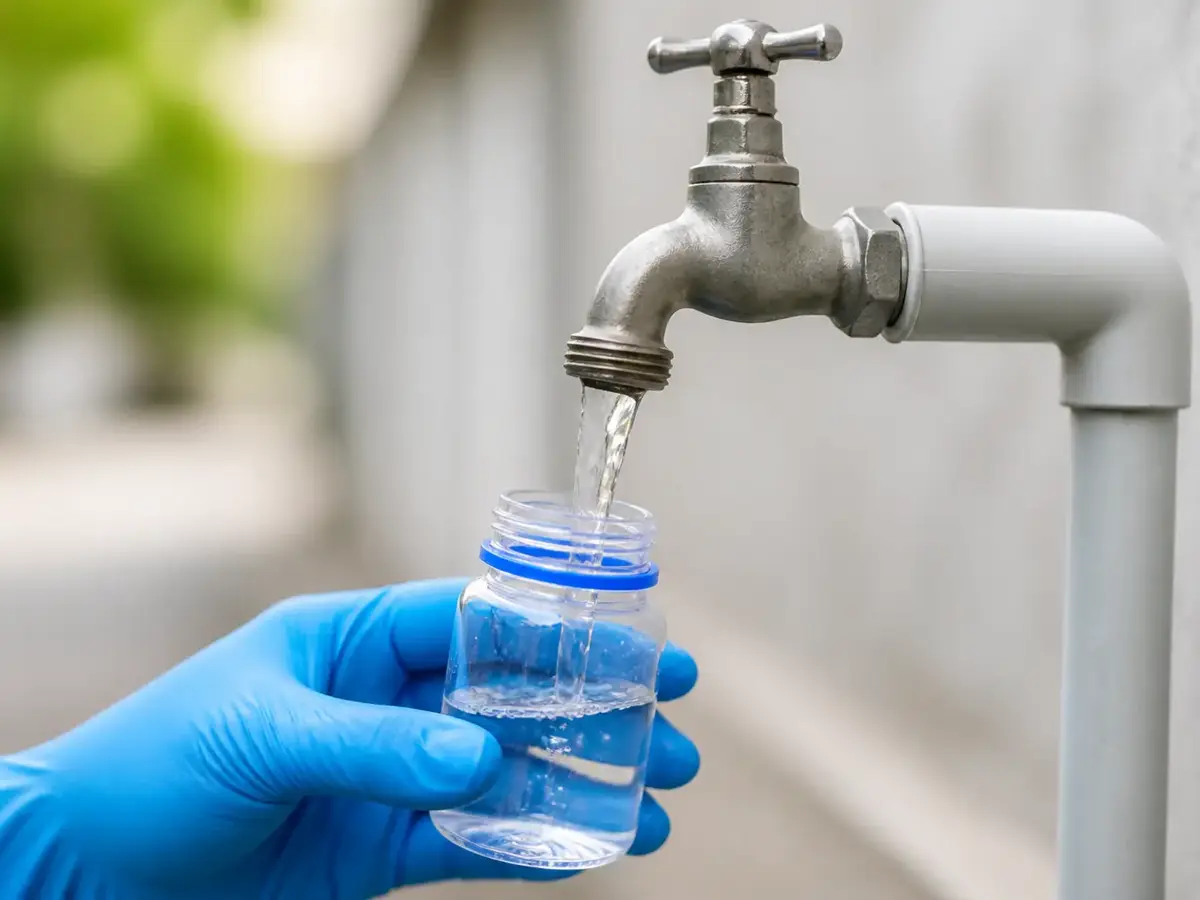
MAY BE INVISIBLE
Clear-looking water can still require microbiological testing. Proper sample collection, source evaluation and retesting matter.
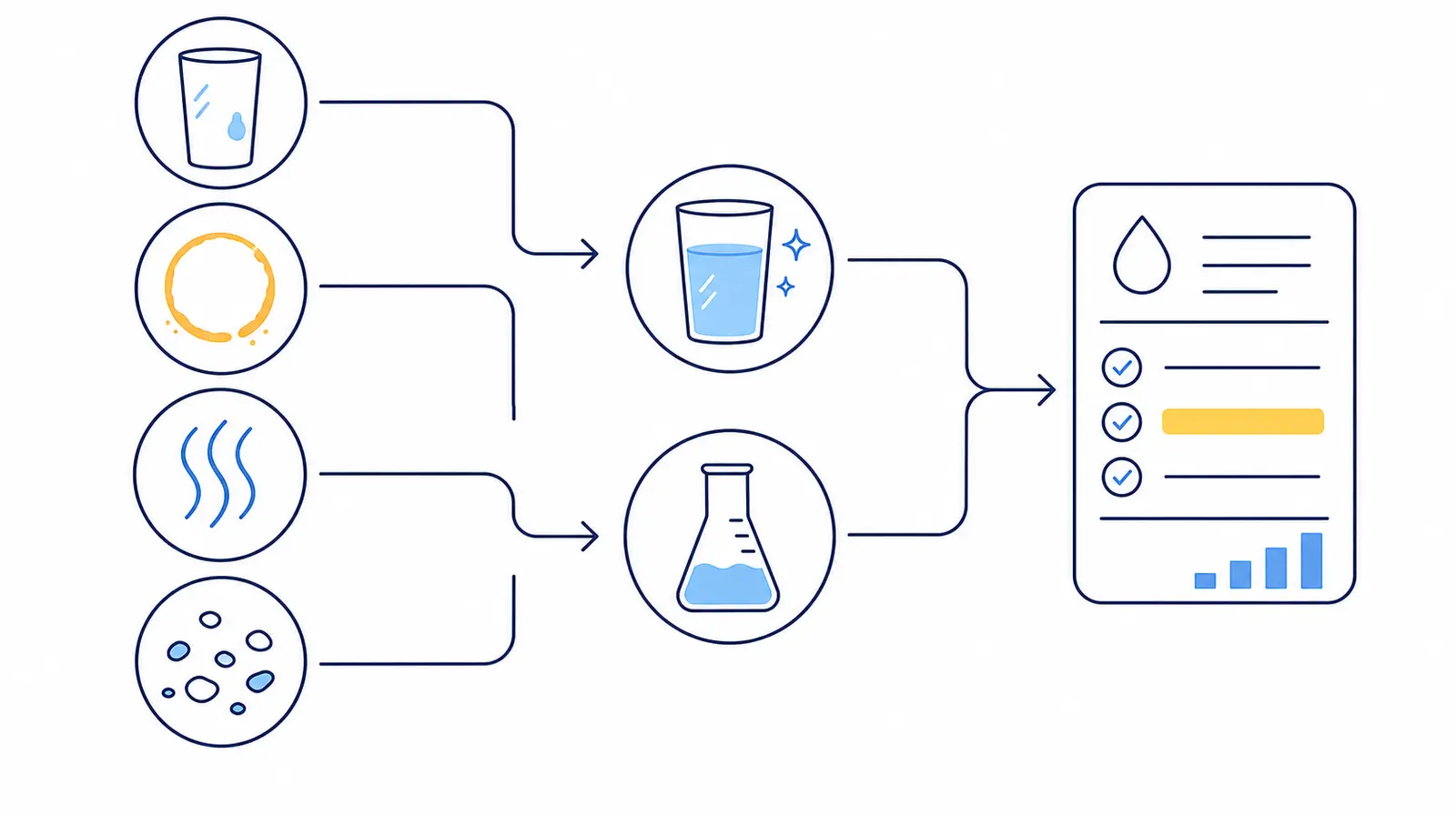
NOTICE → TEST → MATCH TREATMENT
Symptoms can narrow the question, but treatment should follow measured conditions. A useful plan identifies the water source, the constituent or condition, its concentration where relevant, the household goal, flow requirements and the limitations of the equipment being considered.
Property-specific rule: a stain, odor, neighbor’s result or regional groundwater record can help choose what to investigate. It cannot establish what is present at your tap or private well.
AFTER YOU HAVE A RESULT
No single filter solves every water-quality concern. The result and the treatment goal determine whether the next step is softening, filtration, reverse osmosis, neutralization, oxidation, disinfection or another approach.
Primarily addresses measured hardness through ion exchange. It is not a universal treatment for nitrate, arsenic, bacteria, sediment or every odor.
Can address selected particles, media-specific taste or odor goals and other conditions when the filter is matched to the actual water.
Generally a point-of-use drinking-water technology. Reduction claims depend on the exact system, membrane, operating conditions and verified ratings.
Private wells may need staged treatment based on chemistry, flow, source conditions and the test result—not a single one-size-fits-all filter.
Important: treatment should be verified rather than assumed. For health-related contaminants or microbiological concerns, use the applicable public-health guidance, an appropriately rated treatment method and follow-up testing.
DON’T SEE YOUR CONCERN?
The eight contaminant guides are intentionally focused. These related paths cover common questions that do not belong in a single contaminant guide.
Particles may come from the source, plumbing work, a private well or existing equipment. Filter choice depends on what the material is and where it enters.
Municipal disinfectant taste or odor is a different question from sulfur odor in well water. Use a treatment path designed for the actual disinfectant and goal.
If the goal is water for drinking, cooking and ice, point-of-use treatment may make more sense than treating every gallon entering the home.
Businesses and larger systems need treatment sized for building flow, process requirements, maintenance and the measured water conditions.
OFFICIAL TESTING RESOURCES
For private wells, Water Fixers uses official guidance as context while keeping the final decision tied to the individual property. EPA recommends regular private-well testing and additional testing when conditions or water quality change. California’s GAMA program provides domestic-well testing and result-interpretation guidance.
Use it to: choose the right question, understand testing needs, compare treatment categories and reach the correct Water Fixers service.
Do not use it to: diagnose a property from a photo, a neighbor’s result or a regional map; replace certified laboratory testing when it is required; or assume a treatment device removes a constituent it is not rated to reduce.
COMMON QUESTIONS
Direct answers to the questions homeowners commonly have before choosing a water-treatment system.
Not reliably. A symptom can suggest useful questions and tests, but it usually cannot identify a constituent, concentration or source by itself.
No. Nitrate, arsenic and bacteria can be present without a dependable visible warning. Use the appropriate laboratory test when the question depends on drinking-water safety.
It depends on the question. Hardness and some operating conditions can be measured with appropriate field methods, while bacteria, many regulated contaminants, metals and other health-related questions may require a certified laboratory method.
No. Softening, sediment filtration, carbon, oxidation media, neutralization, reverse osmosis and disinfection solve different problems. Treatment should match the measured condition and the intended use of the water.
No. Hardness is mainly an aesthetic and equipment issue involving dissolved calcium and magnesium. It should be kept separate from health-related contaminant questions.
Start with the source and the concern, then test the parameters that matter for that well. Do not rely on a neighbor’s result or a regional groundwater map as a substitute for testing the individual property.
Use the test result, water source, household or building flow, plumbing conditions and treatment goal to select a category. Then confirm that the exact equipment is designed and rated for that job.
When the goal depends on removing or reducing a measured constituent, follow-up testing is the dependable way to verify performance. Ongoing testing and maintenance should match the specific concern and equipment.
READY FOR A PROPERTY-SPECIFIC ANSWER?
Water Fixers can help you narrow the concern, choose the right testing path and connect the result to practical treatment options for your Central Coast home, well or business.
Water Fixers Plumbing & Filtration • 2893 Industrial Pkwy, Santa Maria, CA 93455 • California License #719792
Use the broader water-quality guide if you are still sorting out the symptom, or go directly to water testing when the question depends on what is actually present.
CALL NOW! Se Habla Español!