
CENTRAL COAST • REVERSE OSMOSIS
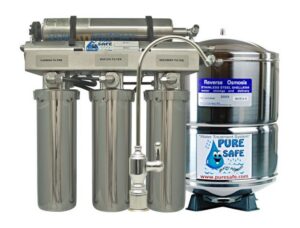
Under-sink reverse osmosis gives your home a dedicated source of treated water for drinking, cooking, coffee and ice. Water Fixers installs, maintains and repairs RO systems across Santa Maria and California’s Central Coast—and services many systems we did not originally install.
Installation • filters • membrane evaluation • sanitation • repair • License #719792
START WITH THE TREATMENT JOB
RO is point-of-use drinking-water treatment. It can be a strong fit when the goal is treated water at one faucet, but it is not the same job as whole-house softening, sediment filtration or private-well disinfection. If the concern is uncertain—or tied to a specific substance—start with the water, not the equipment name.
RO FITS
Treat drinking and cooking water at a dedicated faucet, with a storage tank and drain connection under the sink.
DIFFERENT JOB
Scale and spotting throughout the home are a water-softener question, not a reason to ask an under-sink RO to treat every fixture.
WHEN UNCERTAIN
Taste, odor, appearance or a contaminant concern do not identify the right treatment by themselves. Testing can clarify the next step.
HOW AN UNDER-SINK RO SYSTEM WORKS
Most under-sink RO systems use a sequence of prefiltration, membrane treatment, storage and final polishing before water reaches the dedicated faucet. The exact cartridges and order depend on the model.
Typical service points include:
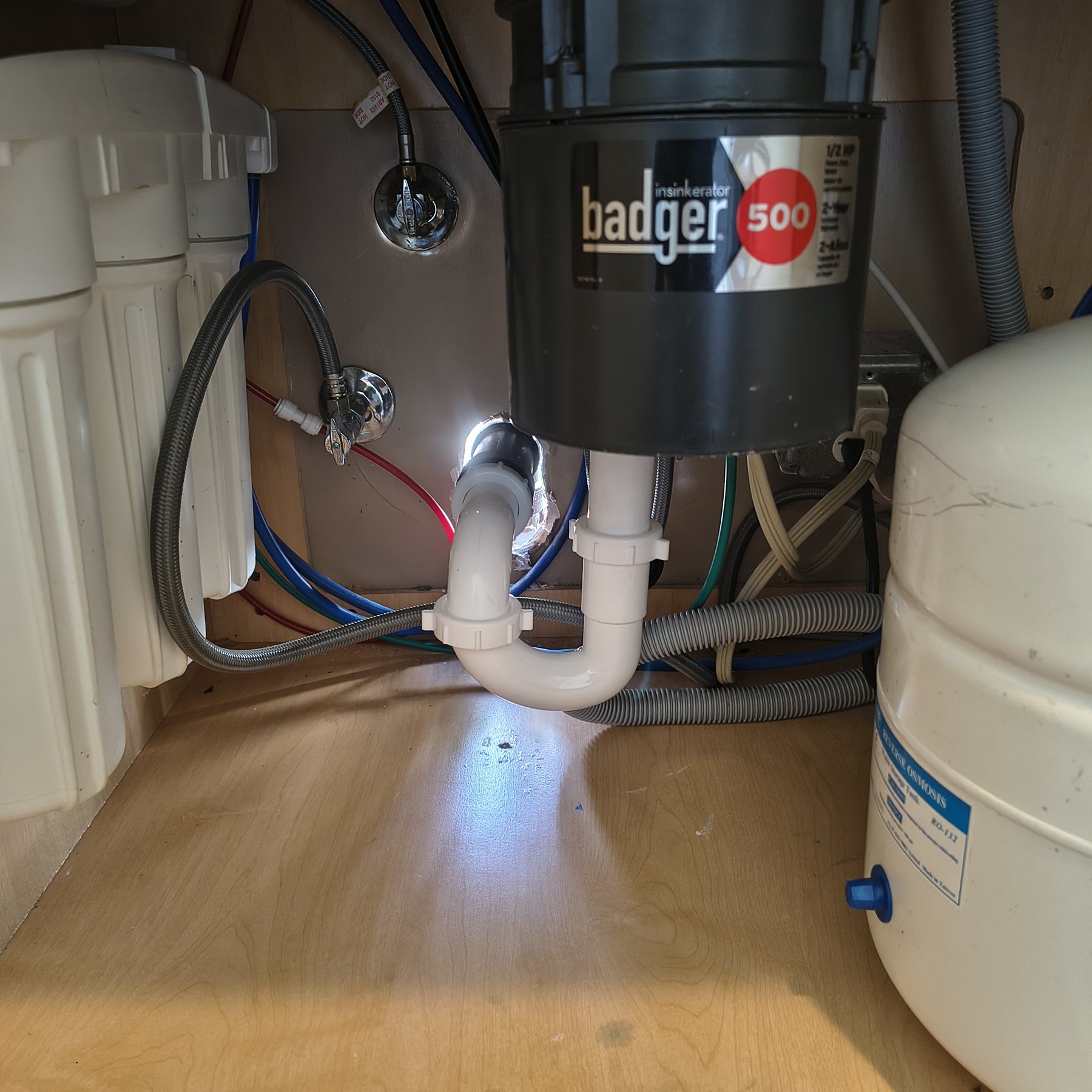
Important: the number of stages describes a configuration. It is not a quality score, and more stages do not automatically prove better performance for a particular water concern.
CHOOSE YOUR PATH
NEW RO
Compare the seven Water Fixers configurations, then confirm cabinet space, pressure, faucet location, drain access and future serviceability.
EXISTING RO
Leaks, no water, slow flow, constant running, tank problems, faucet issues or unknown service history belong on the service/repair path.
UNCERTAIN WATER
If the concern is what is actually in the water, or whether a particular treatment fits, start with testing and the treatment goal.
WATER FIXERS RO FAMILIES
The hub keeps the family overview simple. Use the comparison page and individual model pages for the actual cartridge sequence, supplied components and current service details.
CPS
CPS-3T and CPS-5T under-sink configurations. Compare the documented stages and supplied package rather than choosing from the model code alone.
SPS
SPS-3T and SPS-5T configurations with the current SPS service path and cartridge packages.
EPS
EPS-3T and EPS-5T configurations. Confirm the current component package, tank/faucet tubing and installation fit.
UPS
UPS-5T is the current UPS configuration and includes a UV component in its listed package. Confirm electrical and treatment requirements for the application.
GOOD RO STARTS WITH A SERVICEABLE INSTALLATION
A good under-sink RO setup has to fit the cabinet, connect cleanly to the plumbing and remain easy to service later. Water Fixers looks beyond the filter bracket itself.
Available pressure, shutoff condition and whether existing treatment changes the feed water.
Where the housings, storage tank and tubing can sit without creating a service problem.
Dedicated faucet location and whether a refrigerator/ice-maker connection is practical for the installation.
Proper drain connection, leak checks, cartridge access and room to sanitize or repair the system later.
AFTER INSTALLATION
Service timing depends on the actual cartridges, source water, household use and manufacturer guidance. Water Fixers identifies the installed system before assigning a filter or membrane schedule.
MAINTENANCE
Filter service, system inspection, tank/pressure checks, sanitation when appropriate and leak checks after repressurizing.
FILTERS
Replace the correct cartridges for the installed configuration; do not match filters by appearance alone.
MEMBRANE
Slow production or treated-water performance may call for membrane evaluation—but age alone is not the diagnosis.
START FROM WHAT YOU NOTICE
The symptom is a starting point, not a diagnosis. Several different components can create the same complaint, so use these pages to narrow the service path—not to guess a part.
RO TROUBLESHOOTING
See the dedicated troubleshooting page, then move to service & repair if the problem needs diagnosis or parts.
RO TROUBLESHOOTING
See the dedicated troubleshooting page, then move to service & repair if the problem needs diagnosis or parts.
RO TROUBLESHOOTING
See the dedicated troubleshooting page, then move to service & repair if the problem needs diagnosis or parts.
RO TROUBLESHOOTING
See the dedicated troubleshooting page, then move to service & repair if the problem needs diagnosis or parts.
RO TROUBLESHOOTING
See the dedicated troubleshooting page, then move to service & repair if the problem needs diagnosis or parts.
RO TROUBLESHOOTING
See the dedicated troubleshooting page, then move to service & repair if the problem needs diagnosis or parts.
TWO COMMON OWNERSHIP DECISIONS
OLDER SYSTEM
A leak, empty tank or bad taste does not automatically mean replacement. Compare system condition, parts support and total repair needs first.
DRINKING WATER CHOICE
Compare the ownership, convenience and service side of a dedicated under-sink RO source with routinely buying and hauling bottled water.
LOCAL REVERSE OSMOSIS HELP
Use your local page for community-specific water context, then return here for the main RO system, installation and service paths.
Santa Maria • Orcutt • Nipomo • Arroyo Grande • Grover Beach • Pismo Beach • Avila Beach • San Luis Obispo • Morro Bay • Los Osos • Paso Robles • Atascadero • Templeton • Lompoc • Vandenberg Village • Guadalupe • Los Alamos • Santa Ynez • Solvang • Buellton
REVERSE OSMOSIS QUESTIONS
BETTER DRINKING WATER, BACKED BY LOCAL SERVICE
Water Fixers installs, maintains and repairs under-sink reverse osmosis systems across Santa Maria and California’s Central Coast.
Water Fixers Plumbing & Filtration • Santa Maria, California • License #719792
CALL NOW! Se Habla Español!