
DRINKING WATER • COMPARISON GUIDE
Reverse Osmosis vs Bottled Water: Which Fits Your Home Better?
Compare convenience, storage, recurring purchases, installation and maintenance without pretending one answer fits everyone.
Bottled water is easy to start using, but it creates a recurring purchase, transport and storage routine. An under-sink reverse osmosis system requires installation and ongoing service, but it creates a dedicated drinking-water source at home. The useful comparison is the ownership pattern that fits your household, not a blanket claim that one option is always better.
Comparison guide • Convenience • Storage • Recurring purchases • Installation • Maintenance • License #719792
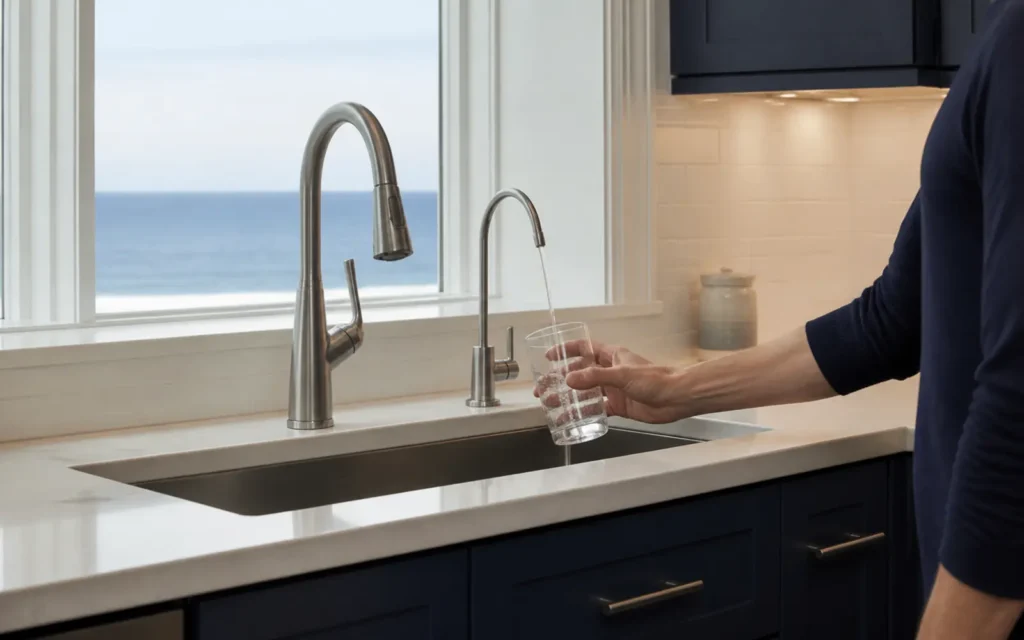
Is Reverse Osmosis Better Than Bottled Water?
Quick answer: it depends on the household. Reverse osmosis can be a strong fit when you want drinking water available from a dedicated faucet and are willing to maintain an installed system. Bottled water can remain practical when use is very low, the property is temporary, installation is not allowed, or you want stored water for emergencies. Neither option should be described as automatically safer without evidence about the actual water and treatment.
Four Questions That Usually Decide the Comparison
How Much Drinking Water Does the Household Actually Use?
Start with real household use instead of a generic cost claim. A family that buys cases or deliveries every week is making a different decision from a household that uses only a few bottles each month.
Do You Want Water Available at the Kitchen Every Day?
RO changes the routine from buying and storing bottles to using a dedicated faucet at home. That convenience matters most when drinking and cooking water are used consistently.
Are You Comfortable Owning and Maintaining an Installed System?
RO ownership includes filters, membrane evaluation, sanitation when appropriate, tank and leak checks, and eventual component service. Bottled water avoids under-sink equipment but keeps the purchasing and storage routine.
Is a Specific Water-Quality Concern Driving the Decision?
If the decision is about a specific constituent, private-well condition, or unexplained water-quality concern, start with appropriate water information or testing. Taste, odor and appearance alone do not identify a contaminant.
DAILY ROUTINE FIRST
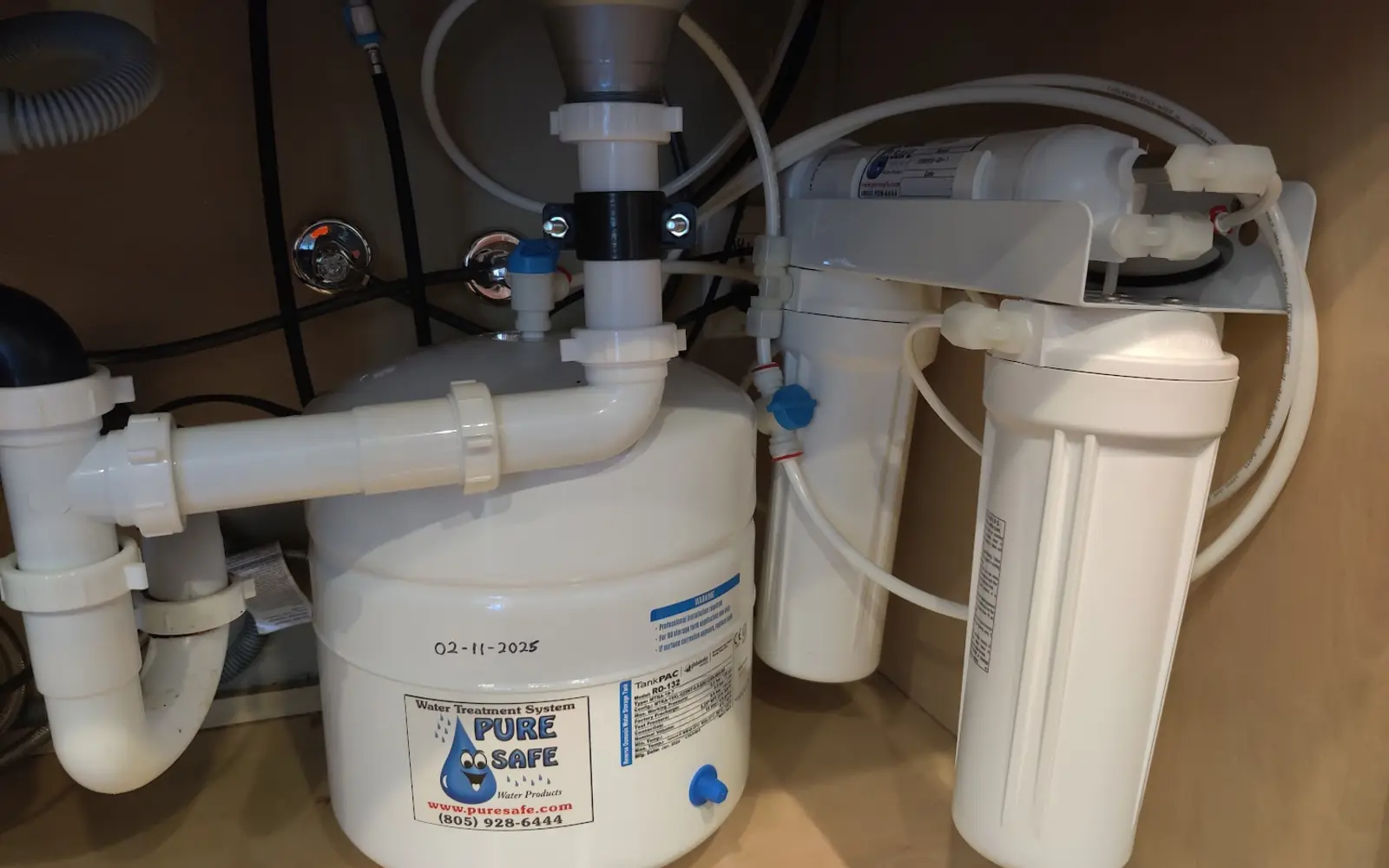
The most useful comparison is what happens after the first day. Bottled water requires repeated purchasing or delivery, transport, storage and disposal or recycling. RO requires a suitable installation location plus a maintenance plan, but the drinking-water source stays in the home.
Compare the Daily Routine, Not Just the First Price
Do not reduce the decision to a single bottle price or a single installed-system price. Household consumption, bottle format, delivery or transportation, installation conditions, refrigerator routing, cartridges, maintenance, membrane and tank service, and future repairs can all change the long-term picture.
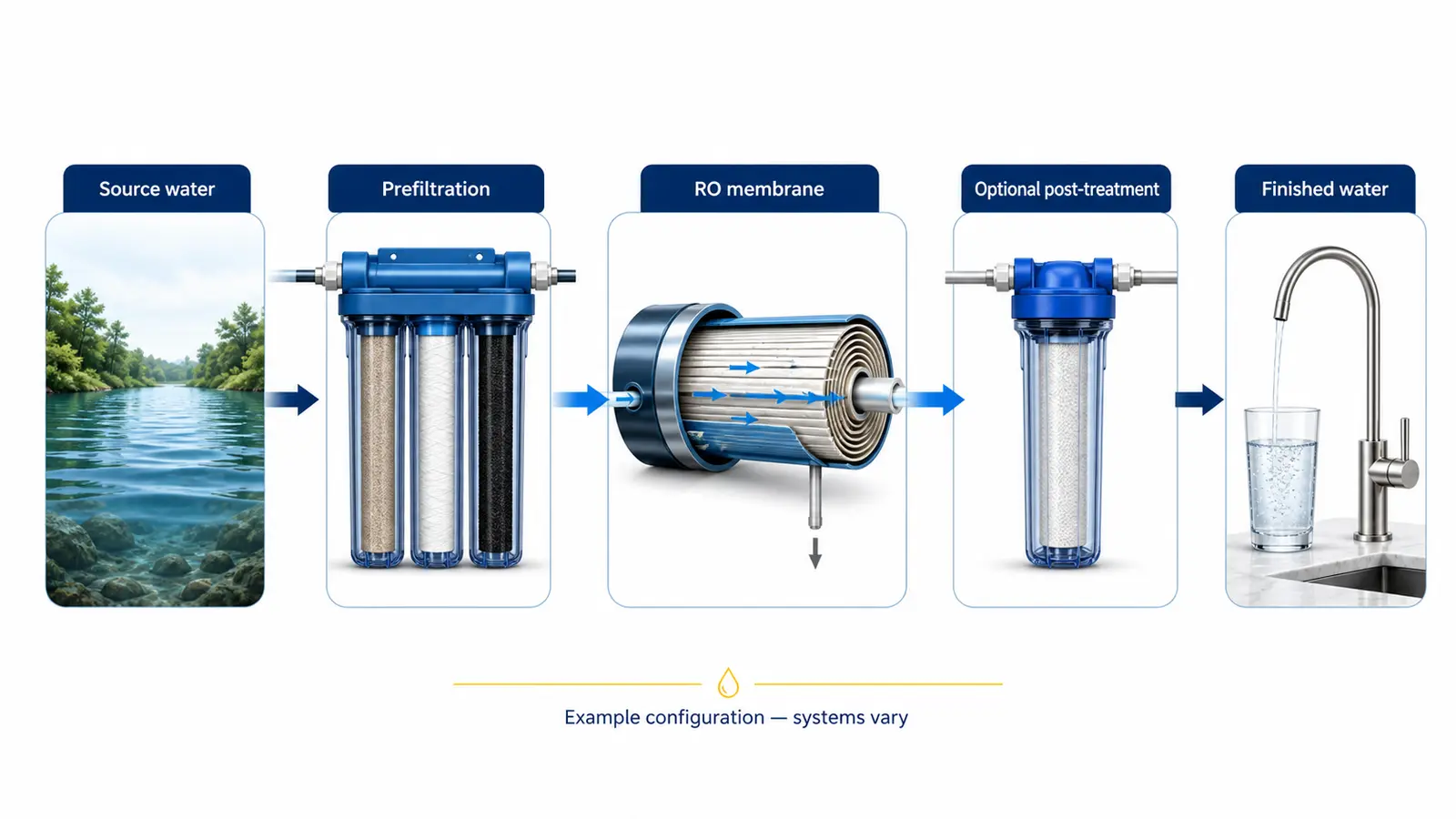
Use the RO overview to understand what an under-sink system does. If you decide you want an installed system, compare current Water Fixers RO models and then review the installation conditions for the home.
What Ownership Looks Like Over Time
Each option has an ongoing routine. The question is whether your household would rather manage recurring bottles and storage or own an installed drinking-water system with a defined maintenance path.
Bottled Water
This option has no under-sink filter assembly to maintain. The tradeoff is the recurring purchase, transport or delivery, storage, and disposal or recycling routine.
Under-Sink Reverse Osmosis
This option creates a dedicated drinking-water faucet at home. Ownership includes installation and system-specific filter, membrane, tank, sanitation and repair needs over time.
Some Households Use Both
RO can handle everyday kitchen drinking water while bottled water remains useful for travel, temporary needs or emergency storage. The two options do not have to be treated as mutually exclusive.
COST WITHOUT A FAKE PAYBACK PROMISE
Cost Over Time: What Should You Actually Count?
A realistic RO estimate includes the equipment, installation, faucet and optional refrigerator routing, replacement cartridges, appropriate maintenance, membrane and tank service, and possible repairs. A bottled-water estimate includes the actual product price, delivery charges or transportation, deposits where applicable, storage needs and household consumption.
There is no universal break-even date that applies to every home. Use your real bottled-water spending and the actual RO system and installation scope if you want a meaningful comparison.
Where Each Option Can Make More Sense
Frequent Everyday Use at Home
When a household uses drinking water every day and wants it available at the kitchen, the convenience of a dedicated RO faucet can be a major advantage.
Temporary Housing or Installation Is Not Practical
Bottled water may remain practical for a rental, short stay, very low use, or a property where plumbing modifications are not allowed or do not make sense.
A Specific Verified Water Concern
If the goal is treatment for a particular verified constituent, compare the treatment goal with the documented capabilities of the specific RO system rather than assuming every RO or every bottled product is equivalent.
You Want the Lowest Equipment Responsibility
If you do not want to track filters, membranes, tanks, leaks or service, bottled water avoids ownership of under-sink equipment. It still requires the recurring purchase and storage routine.
WHEN THE QUESTION IS WATER QUALITY
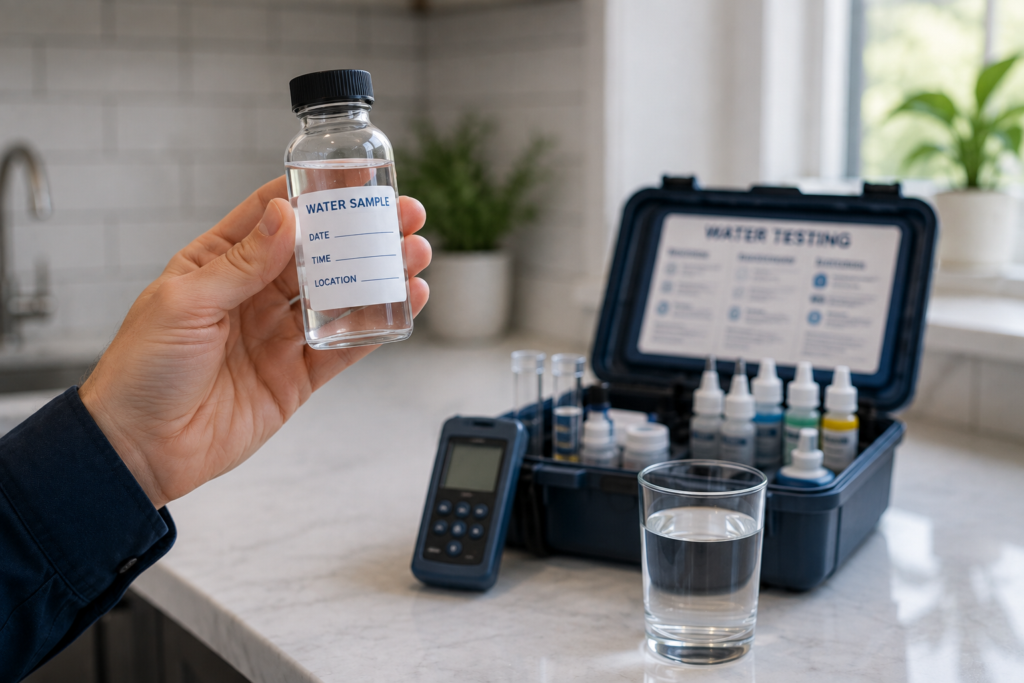
Preference is one thing; a water-quality claim is another. Clear water can still contain dissolved constituents, and unusual taste or odor does not identify the cause by itself.
Do Not Use Taste or Appearance as a Safety Test
If your choice between bottled water and RO is being driven by a specific contaminant concern, a private well, changing source-water conditions, or an unexplained water-quality problem, review the available water information and use appropriate testing when needed. Then confirm that the selected treatment has documented specifications for the actual goal.
KEEP THE SEARCH INTENT CLEAN
What Is the Right Next Step From This Comparison?
This page owns the comparison question. It should help a homeowner decide whether installed RO even fits the household before sending shopping or installation intent to the pages designed for those jobs.
You Are Still Learning About RO
Start with the Reverse Osmosis overview if you want to understand the technology, the ownership responsibilities and where RO fits among other water-treatment options.
You Want to Compare Installed RO Systems
Use the RO Systems page when the comparison has already moved from “RO or bottled water?” to “which installed Water Fixers RO system fits the home?”
You Are Ready to Review Installation Conditions
Use the Installation page only after you have decided an installed RO is the direction you want to explore. Cabinet space, faucet placement, feed and drain connections, tank location and optional refrigerator routing all affect the job.
OWNERSHIP AFTER THE DECISION
If You Choose RO, Understand the Maintenance Path Before You Buy
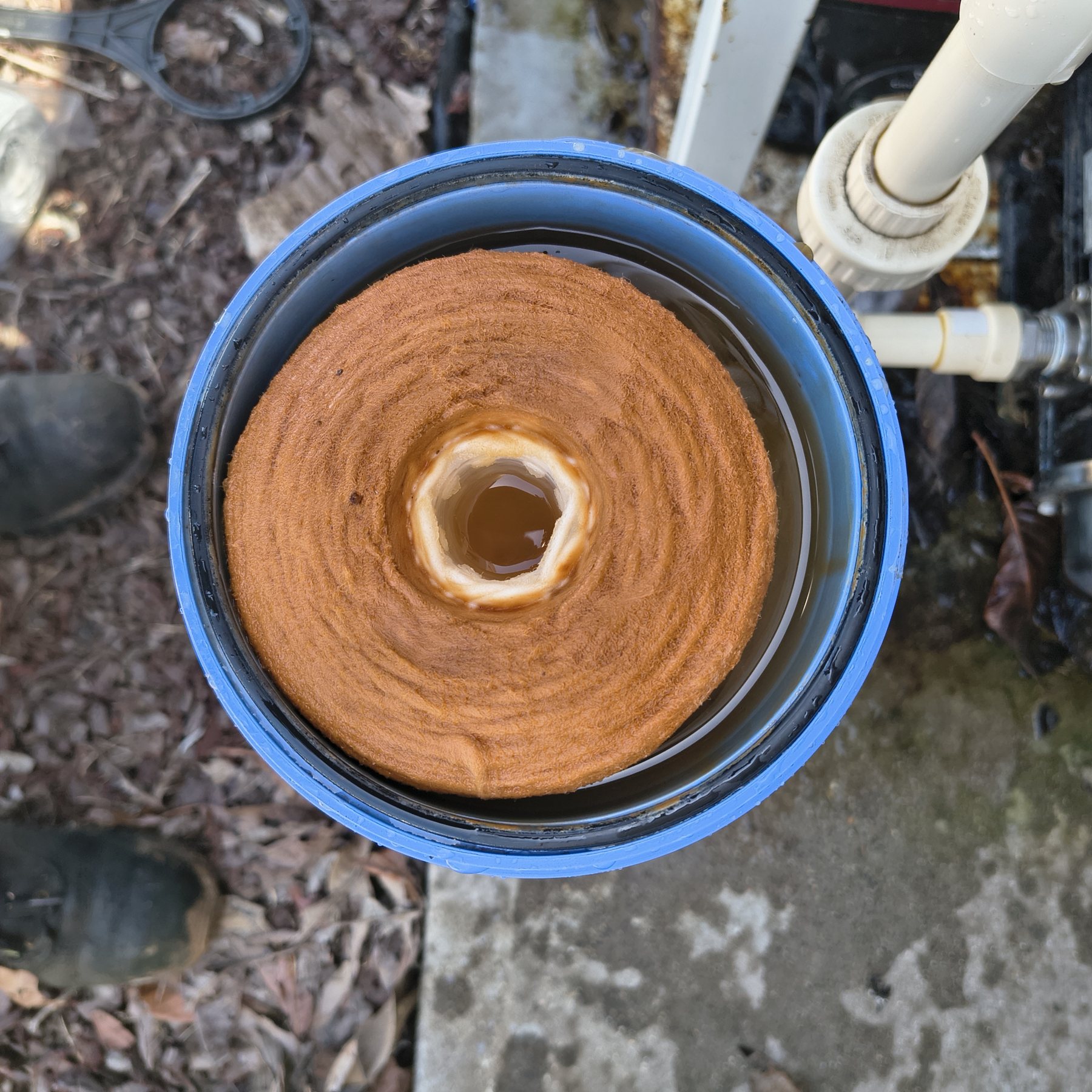
Choosing RO does not eliminate ongoing care. Filters are replaced according to the installed system and conditions, membranes follow their own evaluation path, sanitation may be appropriate in some service situations, and tanks, tubing, fittings, faucets and drain connections can eventually need attention.
Understanding that service path before buying is part of an informed comparison. It also prevents a top-of-funnel article from making RO sound like a maintenance-free substitute for bottled water.
Reverse Osmosis vs Bottled Water: FAQs
Direct answers about convenience, cost categories, maintenance, water-quality claims and what to do next after comparing reverse osmosis with bottled water.
It depends on the household. RO can be a strong fit when you want drinking water available from a dedicated faucet and are willing to maintain an installed system. Bottled water can be practical for very low use, temporary housing, emergency storage or properties where installation is not appropriate.
No blanket safety claim is appropriate. Bottled products vary, source water varies, and an RO system depends on the specific treatment equipment, installation and maintenance. If the decision involves a particular contaminant or water-safety concern, use appropriate water information or testing and verify the treatment specifications.
There is no universal answer. Compare your actual bottled-water purchases, delivery or transportation and storage with the real RO equipment, installation, filter, maintenance, membrane, tank and repair costs. A meaningful comparison uses the household’s actual consumption and the actual system scope.
It can replace much of the everyday bottled-water routine for a household that uses the RO faucet regularly, but some people still keep bottled or stored water for travel, temporary needs or emergency preparedness.
Maintenance varies by system and water conditions. Filters follow the installed configuration and service history, membranes have their own evaluation path, and the tank, tubing, faucet, drain connection and other components should remain serviceable and leak-free.
Often it can when the route, distance, pressure and appliance requirements are appropriate. Refrigerator routing should be considered during installation planning rather than assumed for every home.
It can be when plumbing modifications are not allowed, the stay is temporary or installing and maintaining equipment does not make practical sense. If you want RO in a rental, confirm property-owner and installation requirements before planning the work.
No. A typical under-sink RO system is point-of-use treatment for drinking and cooking water. Whole-house filtration treats water for a different scope throughout the home.
Not every household needs testing just to compare convenience. Testing is useful when the decision is being driven by a specific constituent, a private well, an unexplained water-quality change or uncertainty about what treatment is actually needed.
Start with the Water Fixers Reverse Osmosis overview, then use the RO Systems page to compare the supported models. The Installation page explains cabinet, faucet, feed, drain, tank and optional refrigerator-routing considerations once you are ready to explore an installed system.
Ready to Explore Reverse Osmosis Without Skipping the Comparison?
This comparison is the starting point, not a sales page. If RO looks like the better ownership fit for your household, continue to the RO overview or compare the installed systems Water Fixers currently supports.
Water Fixers Plumbing & Filtration • Santa Maria, California • Central Coast service • License #719792