REVERSE OSMOSIS • FILTERS & MEMBRANES
What each stage in an under-sink RO system does, how they differ, and why two systems rarely use the same cartridges. Use it to understand what’s under your sink — then go to the right service page.
Educational guide • configurations vary by system • Water Fixers confirms the installed sequence before service
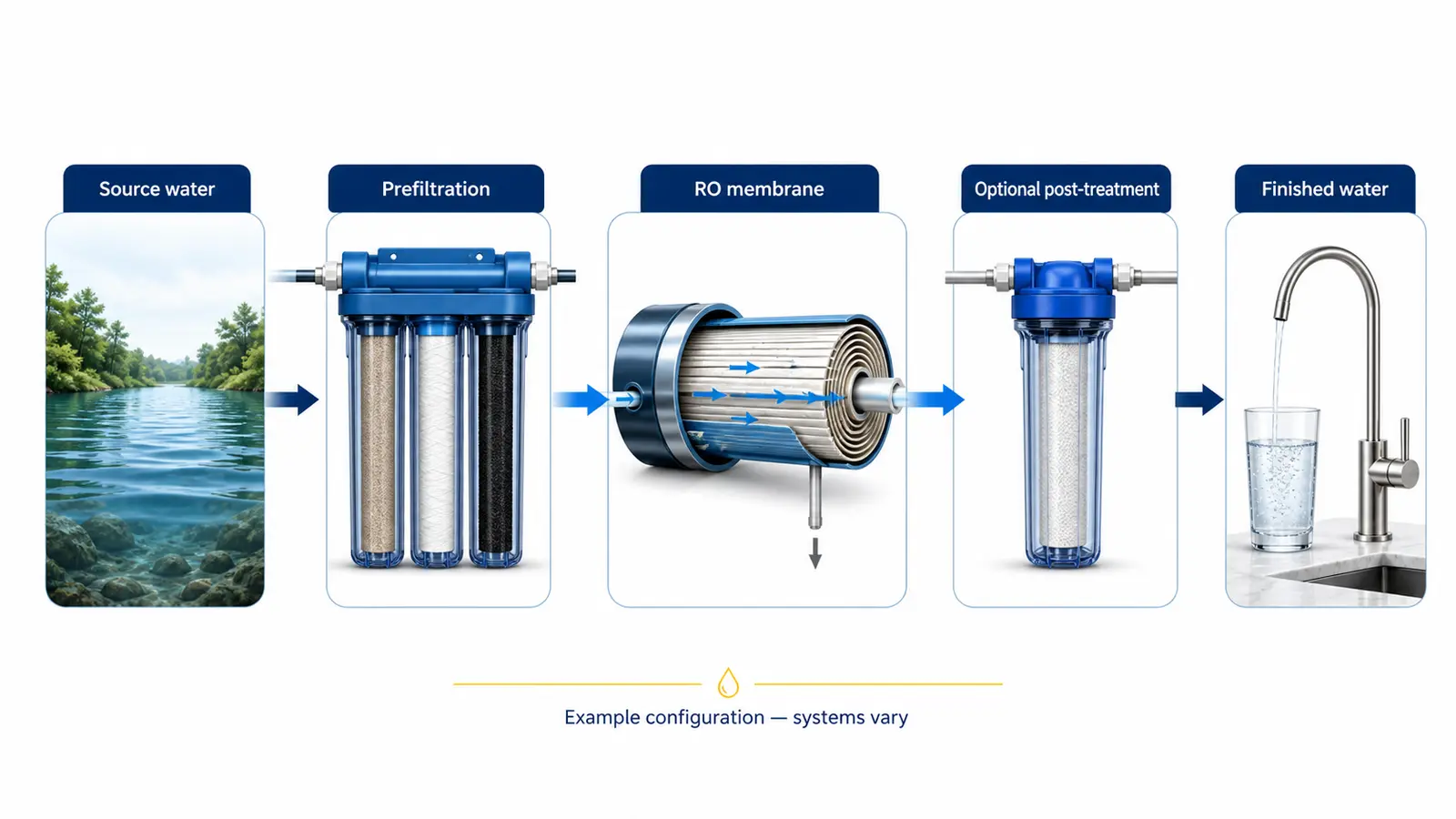
An RO system is a sequence: sediment and carbon prefilters condition the incoming water, the membrane separates dissolved solids, a storage tank holds the treated water, and on many systems a polishing carbon stage treats it again on the way to the faucet. Which stages a system has, in what order, and which cartridge format each housing takes depends on the model. Stage count describes the arrangement — it doesn’t rank performance.
The sequence moves from feed-water conditioning to separation, storage and final polishing. Optional stages depend on the system.
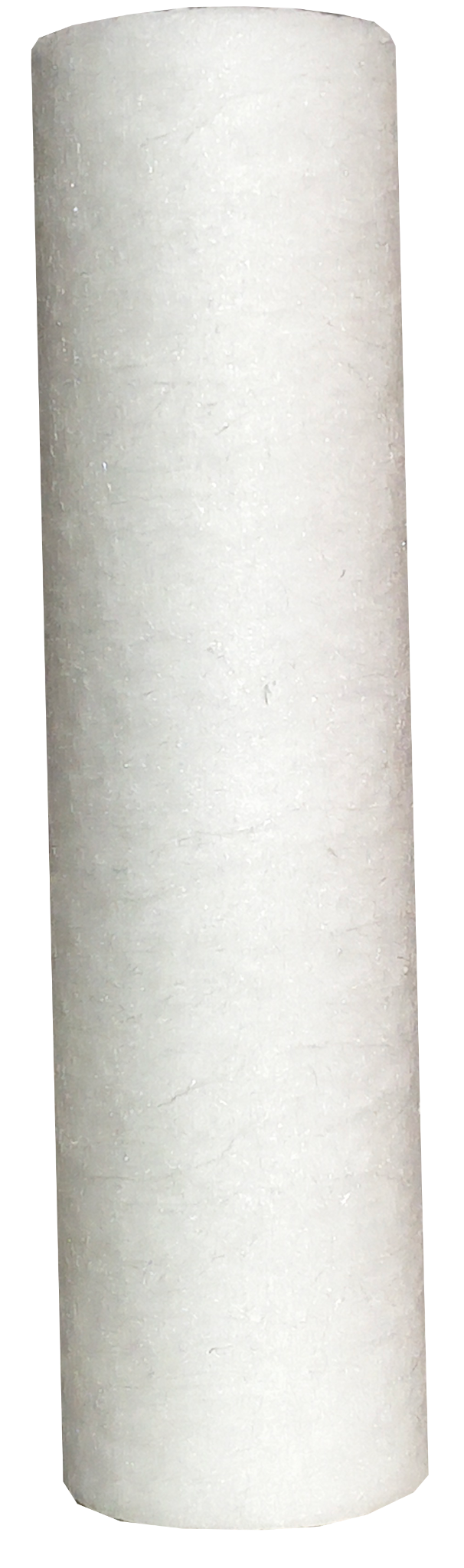
Particles, silt and rust before later stages.
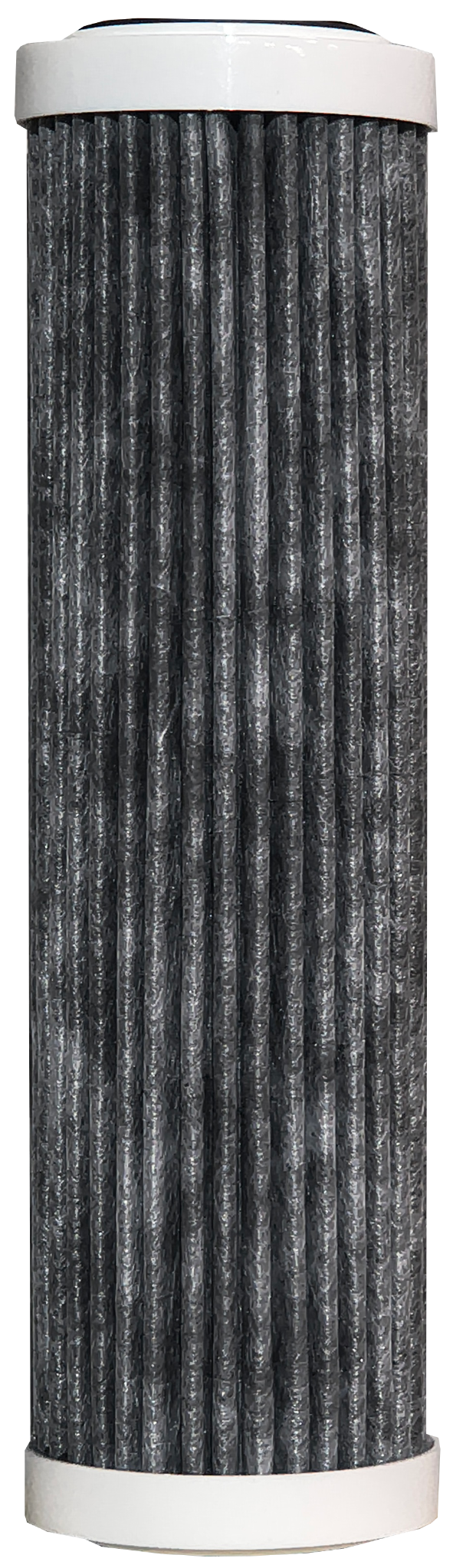
Chlorine, taste and odor where used.
The primary separation stage.
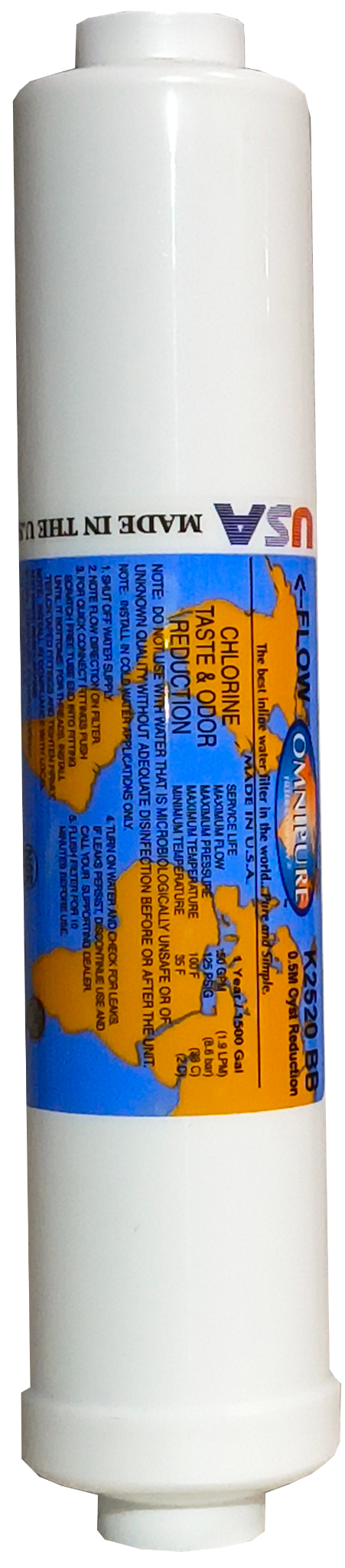
Final polishing after the tank where fitted.
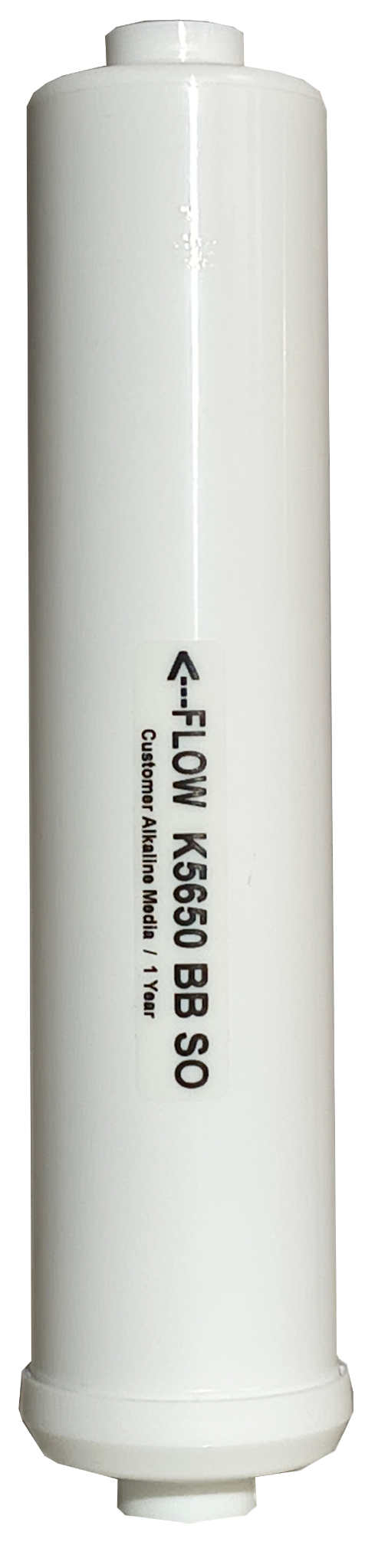
Optional stages specific to the system.
Open a stage for its general role, where it appears, and what must be confirmed for the installed system.
Captures particles, silt and rust so they don’t reach the carbon stage and membrane. Usually the first housing. Cartridge ratings and formats differ by system; the correct cartridge is matched to the installed housing, not to a generic size.
Addresses chlorine, taste and odor in the incoming water and helps protect the membrane. It may be a carbon block or a combined sediment-and-carbon cartridge on systems designed for one.
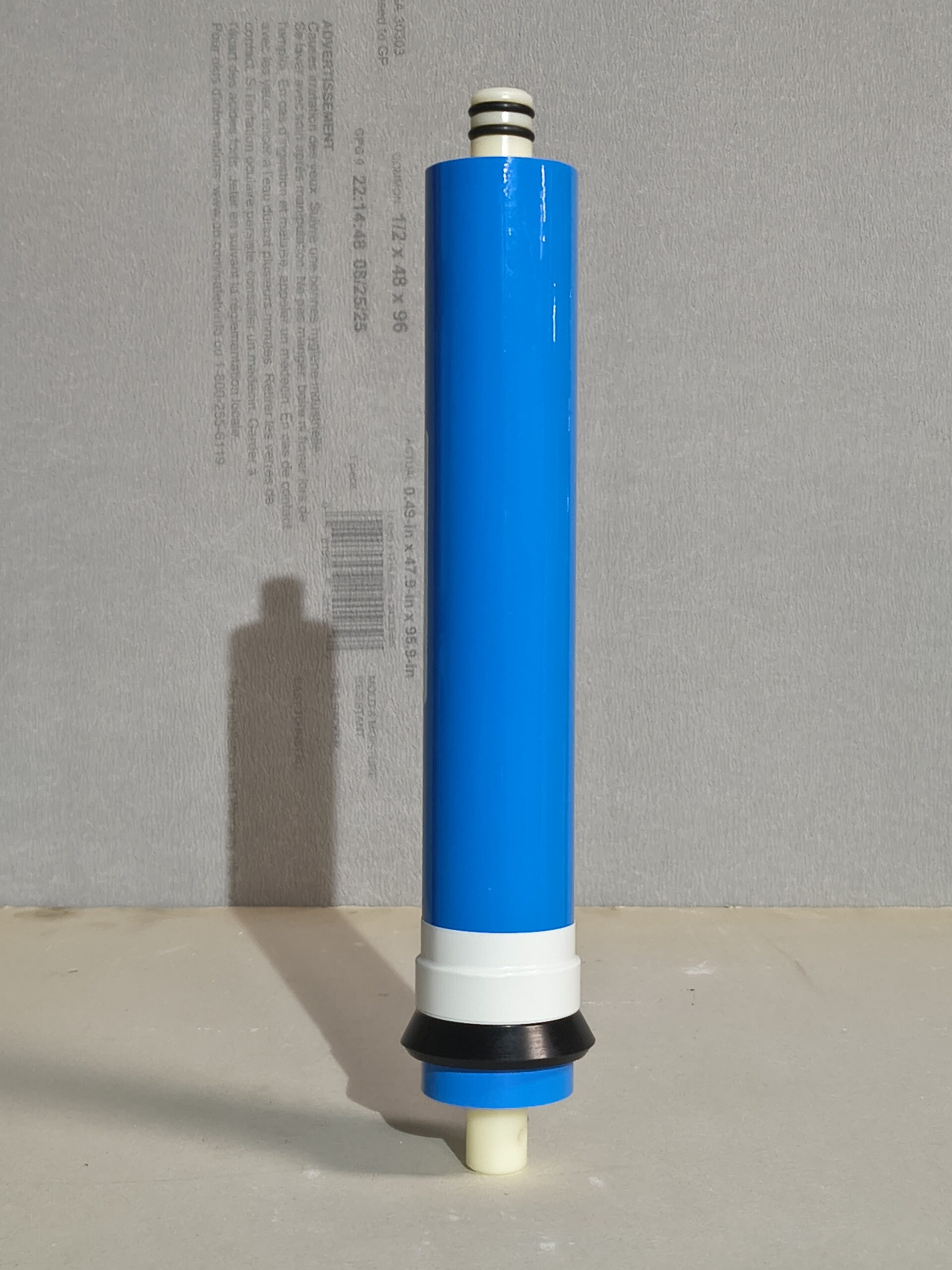
The separation stage: feed pressure pushes water across a thin-film-composite membrane; treated water goes to the tank, concentrate to the drain. Membranes come in different sizes and configurations, including 1-to-1 designs on systems built around them — a replacement must match the system. Evaluated on performance, never on age.
An inline carbon stage after the storage tank that treats the water on its way to the faucet. It is fitted on many but not all systems.
Some systems include an alkaline post-filter or other specialty stage. These are configuration choices for the specific system, not upgrades that every RO should have; confirm compatibility before adding or replacing one.
Sediment, carbon and membrane.
Add a polishing stage and a second prefilter or specialty stage.
Housing size, cartridge format and stage order differ between systems that look alike; the installed sequence is confirmed before ordering.
RO configurations vary. Cartridge order, stage count, optional stages, membrane selection, housings and fittings can differ. Service parts must be matched to the installed configuration. Water Fixers models list their arrangement on each model page. Compare RO systems.
Leak, low flow, tank issue or something not explained by routine service?
Housing problem? See broken RO filter housing guidance.
Choosing a system? Compare the seven Water Fixers systems by listed arrangement, then open the model page for what to confirm before ordering.
Sediment and carbon prefilters, the membrane, a storage tank, and on many systems a polishing carbon stage after the tank. Some add a specialty stage.
No. Stage count, order, housing size and cartridge format differ by system. The installed sequence is confirmed before cartridges are ordered.
No. Stage count describes the arrangement, not performance. What matters is whether the cartridge sequence fits the water and the system, and that it is maintained.
Filter replacement for routine cartridges, membrane replacement for the separation stage, maintenance for the whole system, and service & repair for leaks and failures — see the service paths above.
Filter and membrane service for under-sink RO systems across Santa Maria and the Central Coast. License #719792.
CALL NOW! Se Habla Español!