COMMERCIAL REVERSE OSMOSIS • MAINTENANCE & PERFORMANCE
Quick answer: Commercial RO maintenance should track the parts that protect production and finished-water quality: pretreatment, filters, pumps, membranes, pressure, flow, conductivity or TDS where appropriate, storage, drains and visible equipment condition.
Water Fixers can evaluate an existing commercial RO system, document what is installed, identify overdue service or performance changes, and help separate routine maintenance from a repair, cleaning or design problem.
Water Fixers Plumbing & Filtration • California Central Coast • License #719792
WHAT COMMERCIAL RO MAINTENANCE ACTUALLY WATCHES
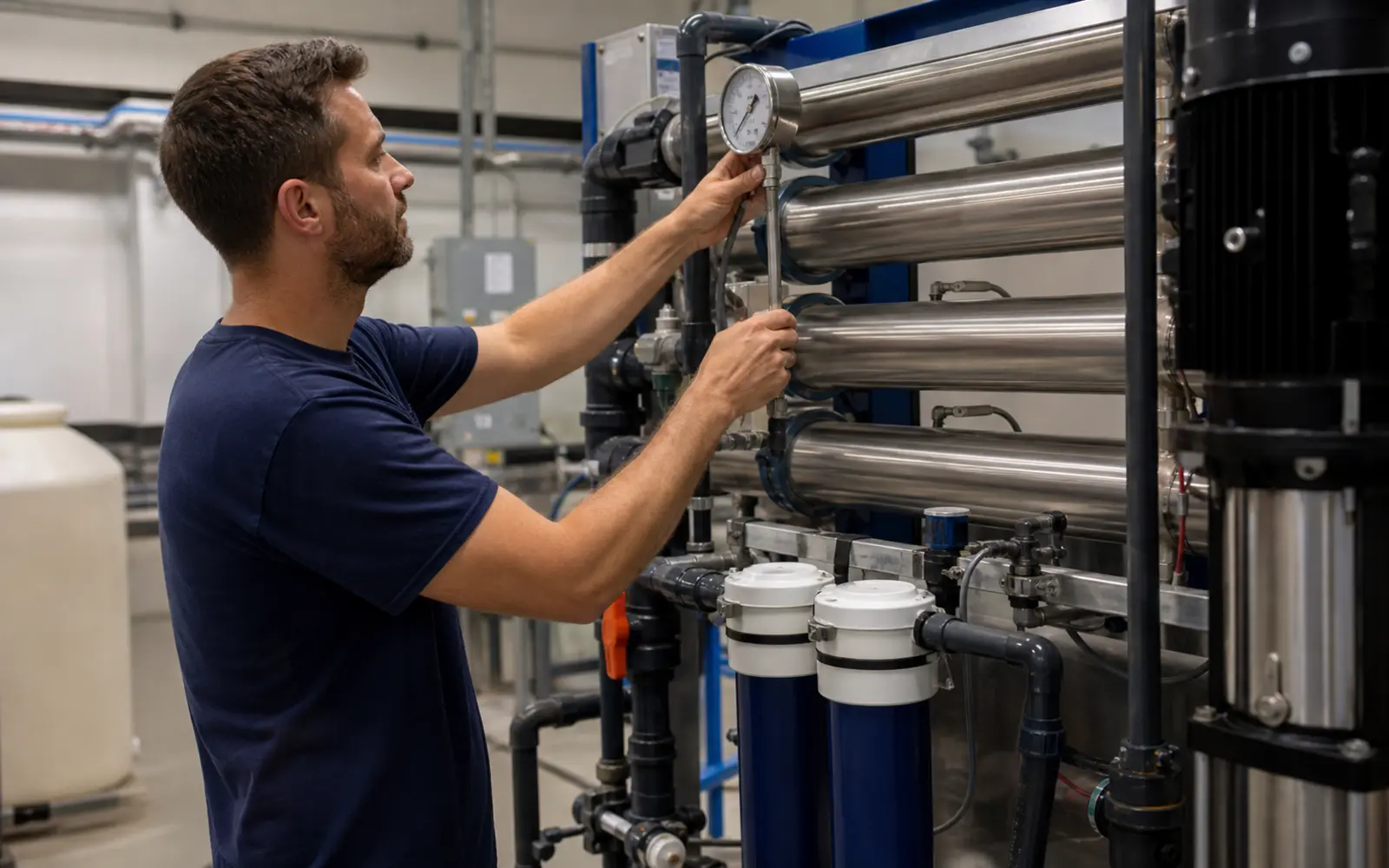
Commercial RO performance depends on the feed-water conditions, pretreatment, pumps, pressure vessels, membranes, instrumentation, storage and the way the facility operates the system.
Sediment, carbon, softening or other pretreatment should be serviced according to the installed treatment train, feed-water conditions and pressure or flow changes—not by assuming every RO system uses the same stages.
Membranes should be evaluated with operating data and finished-water performance. A decline in output or quality can have several causes, so membrane replacement should not be the first assumption.
Feed pressure, stage differential pressure, permeate and concentrate flow, pump behavior and valves can help show whether the system is operating as expected.
Storage tanks, level controls, piping, drains, fittings and visible leaks belong in routine inspection because failures outside the membrane can still disrupt production.
PERFORMANCE TRENDING
Feed-water temperature, salinity and pump pressure can change apparent RO production and rejection even when the membrane itself has not changed. For commercial systems with suitable instrumentation, trending normalized permeate flow, pressure drop and salt passage or finished-water conductivity can make maintenance decisions more meaningful than comparing raw readings taken under different conditions.
Keep the startup or known-good baseline, document operating conditions, and compare like with like. The exact metrics and alarm limits should follow the installed equipment, membrane manufacturer and process requirements.
PREFILTERS + PRETREATMENT
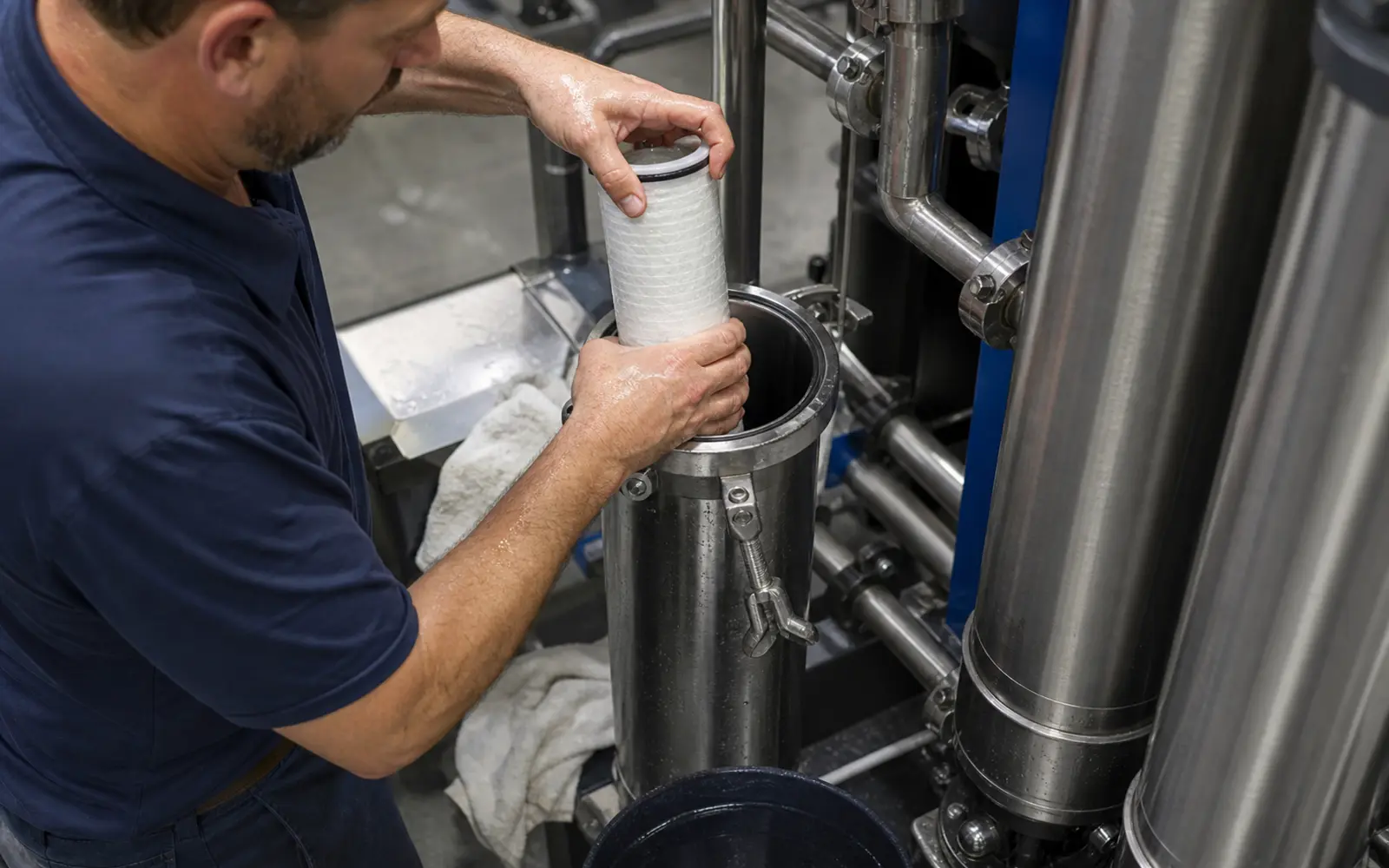
Prefilters and pretreatment reduce the load reaching the RO membrane system. When sediment loading, chlorine exposure, hardness, scale potential or another feed-water condition is relevant to the installed system, neglected pretreatment can shorten run time between service events or contribute to fouling and performance loss.
The maintenance plan should identify each upstream stage, its service indicator, compatible replacement media or cartridges, and the effect of a bypassed or exhausted stage on downstream equipment.
OPERATING RECORD
The most useful log is the one tied to the installed equipment and the facility’s finished-water requirement. These are common categories—not universal alarm values.
Record the feed-water conditions that materially affect the system, such as pressure, temperature and conductivity/TDS when those instruments are part of the system.
Track treated-water production under comparable operating conditions. A raw flow reading can be misleading when temperature, pressure or feed concentration changes.
Differential pressure can help identify increasing resistance or fouling across stages when the system has suitable gauges and a known baseline.
Monitor the finished-water metric that actually matters to the application—such as conductivity or another verified specification—rather than assuming a single generic purity target.
Changes in concentrate flow, recovery or valve settings can affect membrane operation. System-specific design values should control the evaluation.
Hours of operation, filter changes, cleaning events, alarms, repairs and changes in feed water help explain why performance moved.
MEMBRANE PERFORMANCE
A gradual normalized decline may point toward fouling that needs investigation and, when appropriate for the installed membrane system, cleaning. A sudden change can point toward a mechanical, operational or instrumentation problem instead. Neither situation should automatically be labeled “bad membranes.”
Before replacing membranes, review pretreatment, operating pressure, temperature, flow, conductivity or TDS data, pressure drop, storage demand, leaks, valves and instrument condition. Cleaning chemistry, sequence and limits should follow the actual membrane and system manufacturer’s procedures.
CHOOSE THE RIGHT NEXT STEP
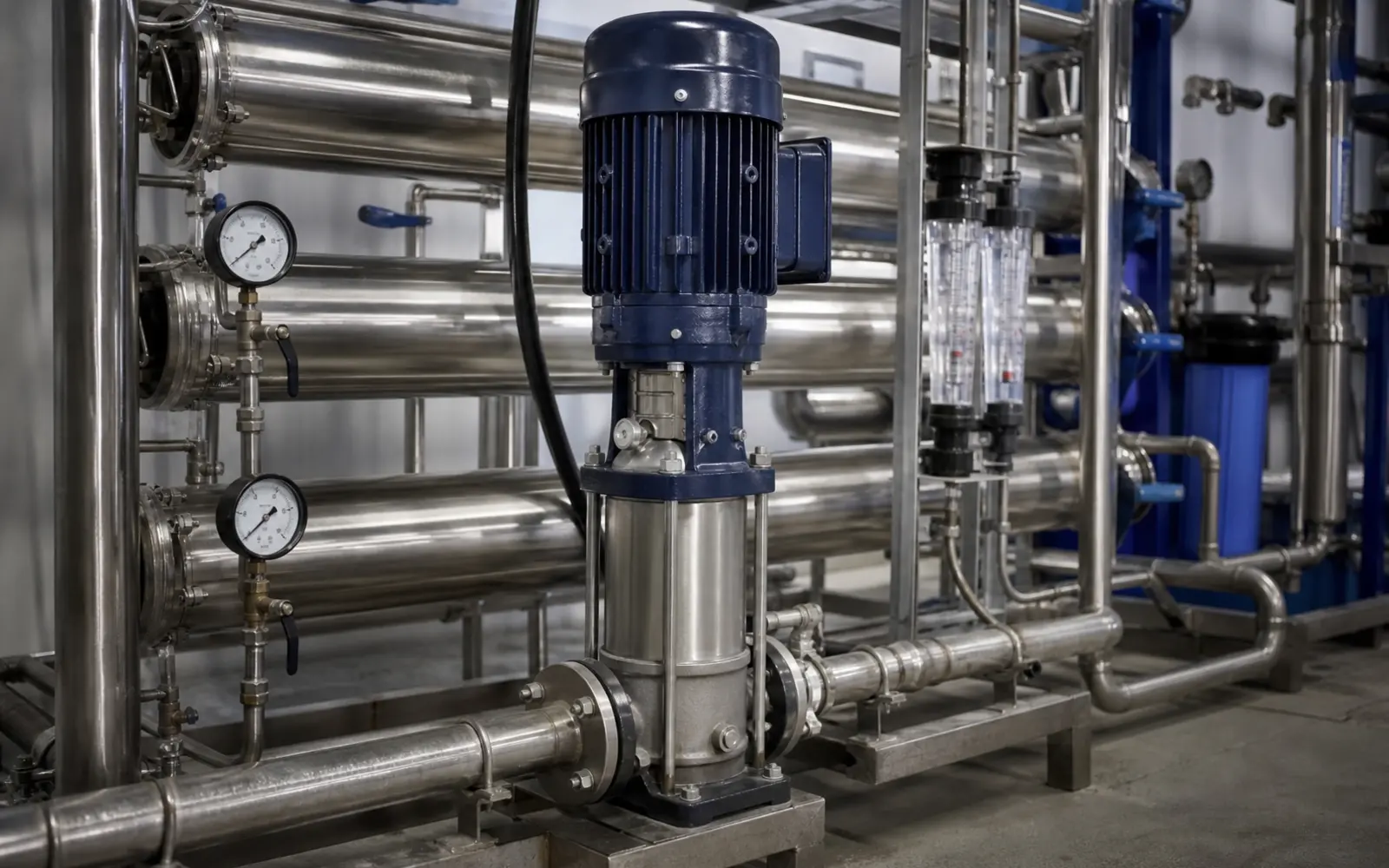
Use this path for scheduled inspection, prefilters or pretreatment service, operating-data review, storage checks and other recurring work on an otherwise serviceable system.
Leaks, pump faults, failed controls, abnormal pressure, instrument problems, unexpected shutdowns or a sudden performance change may need diagnosis rather than ordinary maintenance.
If the facility has outgrown the RO, feed water changed materially or the finished-water requirement changed, maintenance alone may not solve the mismatch. Revisit system design.
SERVICEABILITY
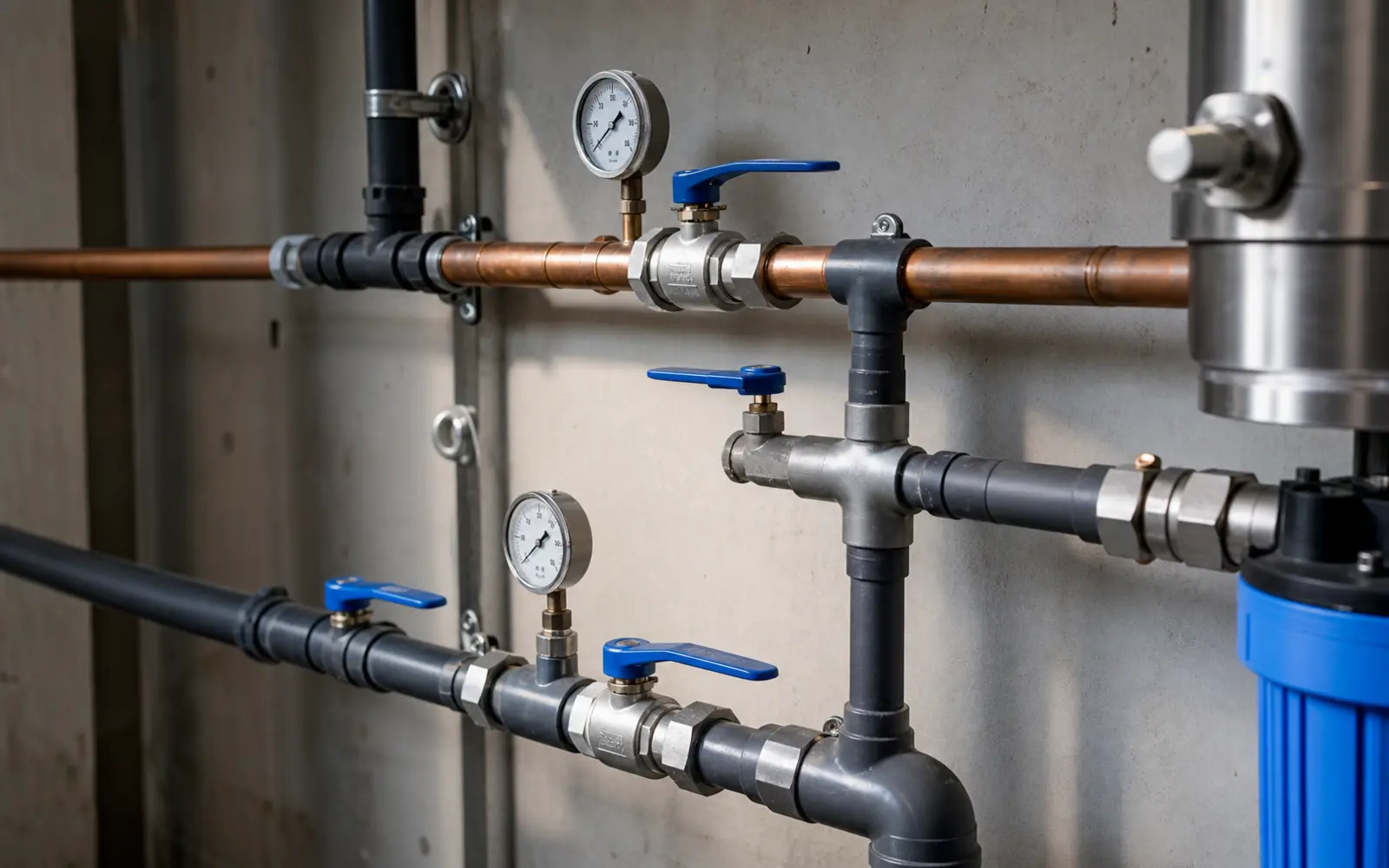
Isolation valves, gauges, sample points, accessible filter housings, membrane-vessel clearance, drain routing, supported piping, storage access and accurate equipment identification can all reduce uncertainty during service.
If an existing RO system has poor access, missing gauges, unclear pretreatment or undocumented modifications, Water Fixers can start by identifying what is actually installed and documenting the service path before recommending large changes.
DOWNTIME + CONTINUITY
If RO water is important to the operation, the maintenance plan should include the practical service window and what the facility will do while equipment is isolated. Depending on the application, that may involve usable storage, staged service, backup capacity or another continuity plan.
Water Fixers does not assume every business needs redundant RO equipment. The right approach depends on the actual demand, storage, process requirement and consequences of downtime.
RELATED COMMERCIAL WATER SERVICES
This page is for maintaining an existing commercial RO system. Use the specialty pages below when the question is really about testing, new equipment, pretreatment, high-purity process water or a broader treatment train.
New-system planning, upgrades, replacement and membrane-system design stay on the commercial RO page.
Use testing when treatment or troubleshooting depends on verified feed-water chemistry or finished-water requirements.
Pretreatment and targeted filtration belong on the commercial filtration path when they extend beyond routine RO filter service.
Use the high-purity page when RO is part of a defined multi-stage process-water or polishing requirement.
Use the industrial path for higher-flow, process-critical or broader treatment-train planning.
Use the broad commercial hub when the facility needs treatment planning beyond RO alone.
COMMERCIAL RO MAINTENANCE FAQ
These answers are planning guidance. The installed equipment, membrane specifications and actual operating data control the service decision.
There is no single interval that fits every commercial RO system. Service frequency should reflect feed-water quality, pretreatment, hours of operation, operating data, equipment design, manufacturer guidance and how critical RO water is to the business.
Common checks include pretreatment and prefilters, pressure and differential pressure, permeate and concentrate flow, finished-water conductivity or another relevant quality metric, pumps, valves, membrane housings, storage, drains, leaks and service history. The exact checklist depends on the installed system.
Not automatically. Membrane decisions should use system history and performance data along with feed conditions, pretreatment, pressure, flow, pressure drop and finished-water quality. Replace membranes when the evidence and compatible equipment requirements support it.
It can, but low production can also reflect feed pressure, temperature, prefilters, pump condition, valve settings, storage demand, instrumentation or other system conditions. Compare normalized or otherwise comparable performance data before assigning the cause.
Temperature, salinity and pressure can change apparent membrane productivity and rejection. Normalization helps compare performance under changing operating conditions so real trends are easier to distinguish from normal variation.
No universal cleaning schedule applies. Cleaning should be considered when the installed membrane system shows the type of performance change the manufacturer and system design identify as a cleaning condition. Cleaning chemistry and procedure must match the actual membrane and equipment.
Pretreatment changes the load reaching the membranes. Depending on the feed water and system design, sediment control, carbon, softening or other treatment may help manage fouling, scale or chemical exposure. Maintain only the stages that the installed treatment train actually uses.
Sudden performance loss, failed pumps or controls, leaks, abnormal pressure, repeated alarms, damaged housings, inadequate capacity or a changed finished-water requirement may need repair or system re-evaluation instead of routine maintenance.
Water Fixers can start by identifying the existing equipment, pretreatment, controls, storage and available operating information. The next step depends on the system, parts availability and what the facility needs from it.
If available, provide the equipment make/model, feed-water source, pretreatment, recent filter or membrane service, operating pressures and flows, finished-water readings, alarms, leaks, production changes and what the RO water is used for. Photos of the equipment and gauges can also help with service planning.
Tell Water Fixers what equipment is installed, what the RO water is used for, what has changed and what operating data is available. We can help determine whether the next step is maintenance, diagnosis, testing or a system review.
Water Fixers Plumbing & Filtration • Santa Maria, California • Serving California’s Central Coast • License #719792
CALL NOW! Se Habla Español!