BELOW-GRADE PLUMBING • EJECTOR SYSTEMS • INSTALLATION
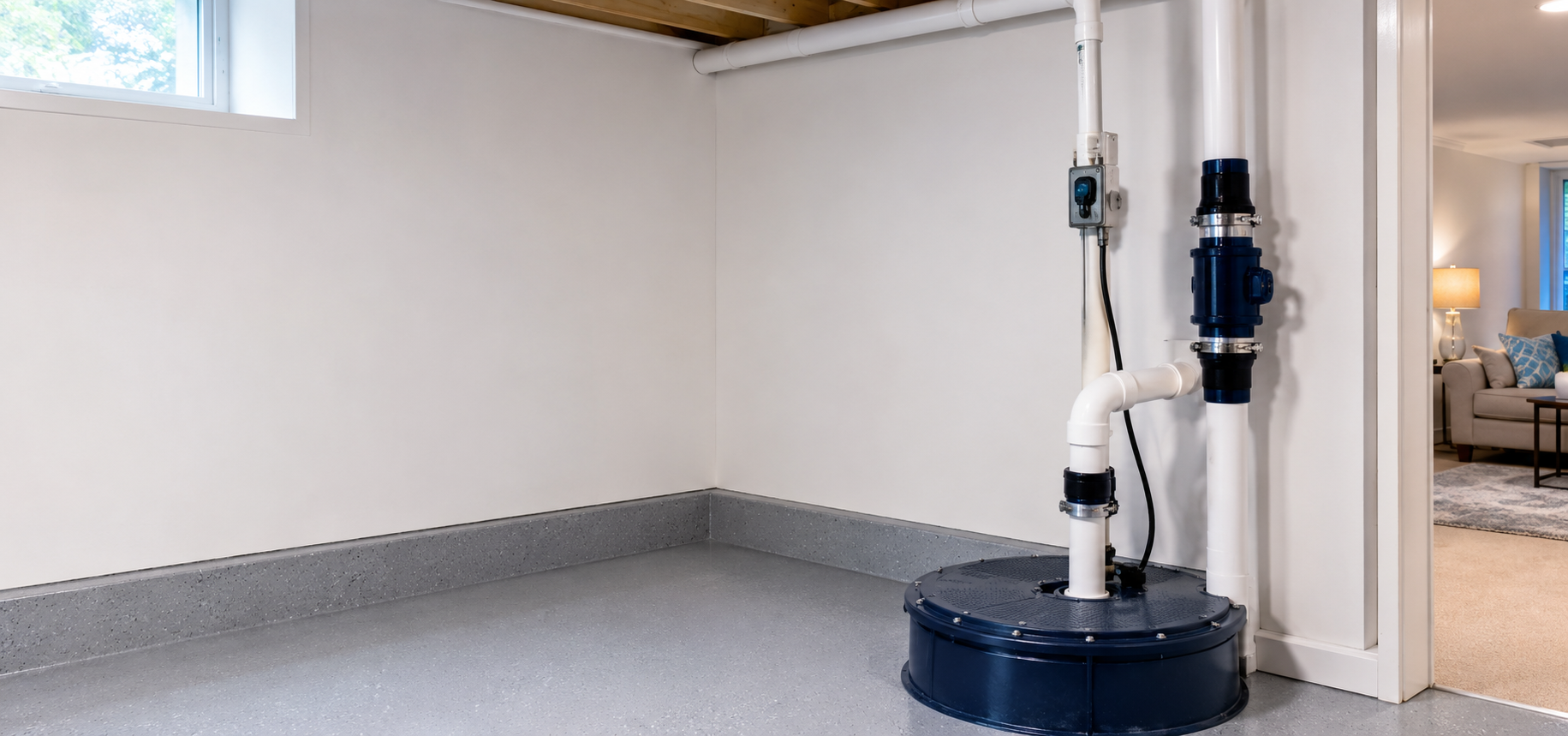
Sewage ejector pump installation may be needed when lower-level fixtures cannot reach the building drain by gravity, or when an existing ejector system needs replacement. Water Fixers evaluates the plumbing layout, basin, discharge path, venting, controls and future service access before recommending the appropriate installation path.
START WITH THE PROJECT
Installation should stay focused on a new or replacement system. Existing-system failure and preventive service have their own dedicated pages.
Lower-level fixtures need a pumped wastewater path and the installation is being planned from the beginning.
If an installed system used to work and now has an alarm, backup or operating problem, diagnosis belongs on the repair page.
If the system is operating and you want inspection or preventive service, use the maintenance path.
WHY AN EJECTOR SYSTEM?
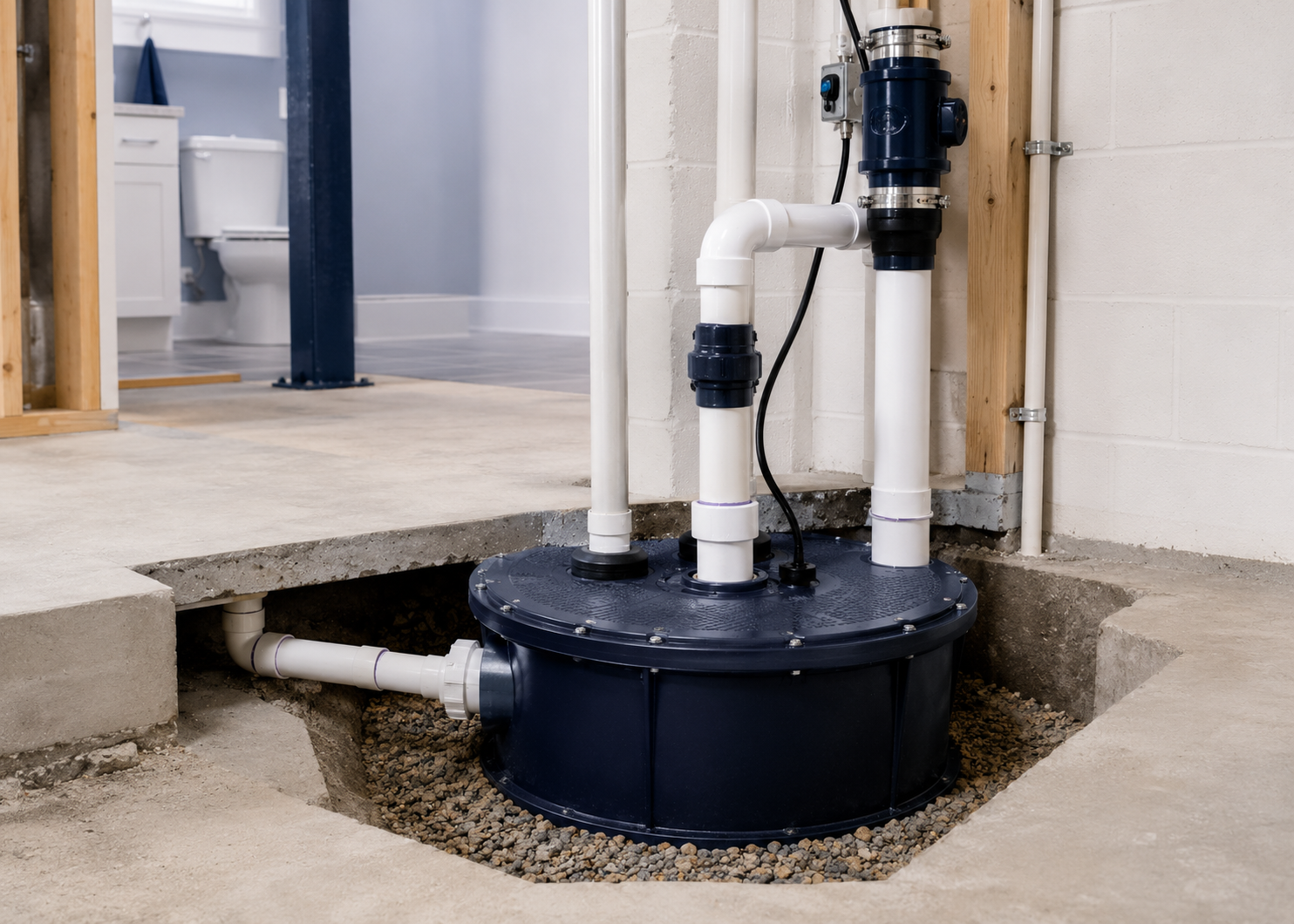
When a bathroom, laundry area or other fixture is below the elevation needed to reach the building drain or sewer by gravity, wastewater may need to collect in a sealed basin and be pumped upward into the drainage system.
That can apply to a lower-level bathroom, below-grade laundry, basement plumbing or another fixture group where gravity drainage is not available. Not every lower level needs an ejector pump; the actual elevation and plumbing layout determine the right path.
INSTALLATION STARTS WITH THE WHOLE DRAINAGE PATH
A reliable installation has to account for the fixtures, basin location, discharge routing, backflow control, venting, controls, alarm provisions and future service access. Electrical requirements also have to be appropriately addressed as part of the project.
California’s 2025 Building Standards Code, including the California Plumbing Code, is effective as of January 1, 2026. Local permit and inspection requirements still depend on the jurisdiction and project scope, so permit-dependent work should be confirmed for the property before installation proceeds.
NEW OR REPLACEMENT?
May fit when new below-grade plumbing requires a pumped wastewater path or a lower-level area is being built out where gravity drainage is unavailable.
May fit when an existing pump or surrounding system is no longer reliable or appropriate after evaluation. Replacement should be based on actual condition, not assumed from one symptom.
BEFORE INSTALLATION
Installation planning starts with the plumbing layout and the application, not simply the pump model. Water Fixers evaluates the plumbing-side conditions that affect whether the proposed ejector system can be installed and serviced appropriately.
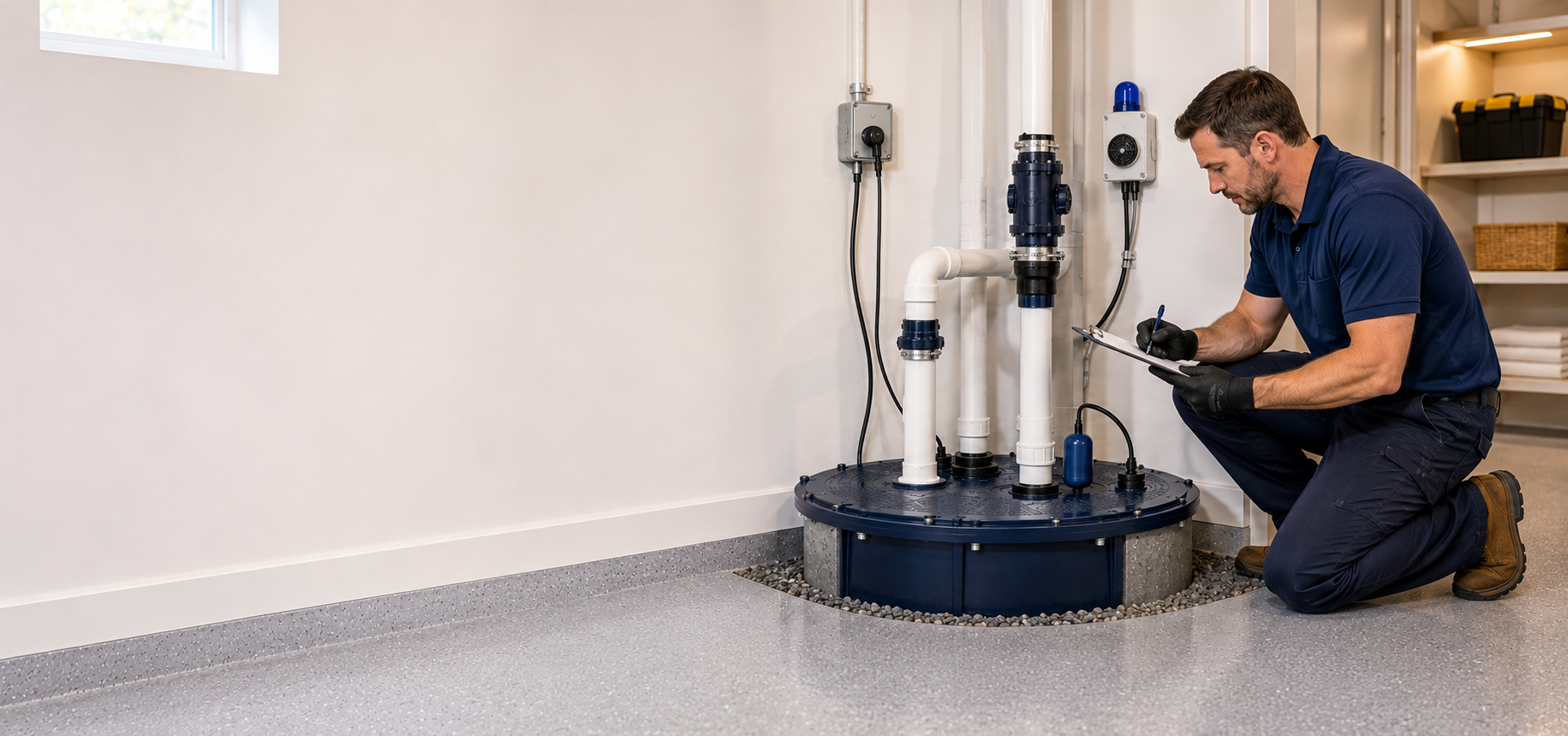
SYSTEM COMPONENTS
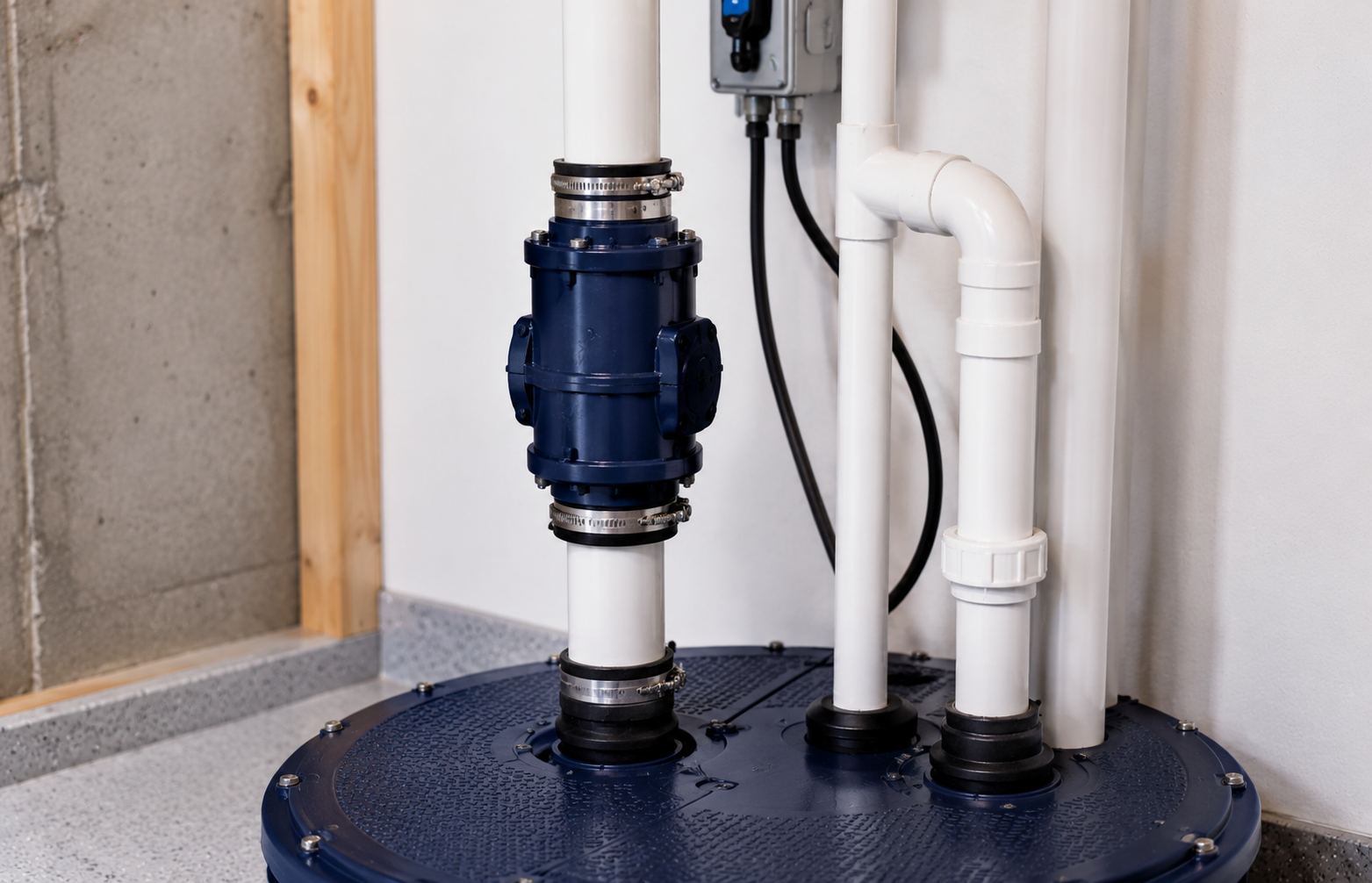
The exact equipment and arrangement depend on the application. The exact equipment and arrangement depend on the property; Water Fixers keeps the explanation focused on what the system must accomplish rather than asking the homeowner to size or assemble it.
Collects wastewater from the connected lower-level fixtures before pumping.
Moves wastewater upward through the discharge piping so gravity drainage can resume farther downstream.
Helps keep discharged wastewater from flowing back toward the basin after the pump stops.
Carries pumped wastewater to the building drainage system at the required elevation.
HOW THE SYSTEM WORKS
Fixtures drain by gravity into the sealed basin. As the basin reaches its operating level, the pump moves wastewater up the discharge line. Once the discharge reaches the building drainage system at the proper elevation, wastewater can continue through the normal drainage path.
This is why ejector installation is different from ordinary drain cleaning or a main-sewer service call.
PLAN FOR FUTURE SERVICE
Installation planning should preserve practical access for inspection, maintenance, diagnosis and future component replacement. A system that cannot be reached safely or serviced reasonably creates avoidable problems later.
INSTALLATION OR ANOTHER PROBLEM?
A new installation may be appropriate when the plumbing cannot reach the building drain by gravity.
An installed system that used to work usually belongs on the repair/diagnosis path before assuming a new system is needed.
A larger shared building drain or sewer problem may be involved instead of the ejector system.
If the affected fixture or branch does not depend on a failed ejector system, start with Drain Cleaning instead of assuming a pump installation is needed.
ACTIVE WASTEWATER BACKUP
If wastewater is actively overflowing into occupied areas or creating an immediate sanitation or property concern, reduce additional wastewater use where practical and use the Emergency Plumbing path. Do not assume installation is the answer to an active backup.
BUSINESS & MANAGED PROPERTIES
For business properties where an ejector system is part of a broader commercial plumbing project.
For property managers coordinating installation, replacement or other plumbing work at a managed property.
INSTALLATION PROCESS
Identify the fixtures, elevation and existing drainage path.
Determine whether gravity drainage is unavailable for the application.
Coordinate the plumbing-side system around the actual installation.
Integrate the approved ejector components with the building drainage system.
Perform the agreed plumbing work within the project scope.
Verify that the installed ejector system operates appropriately after the approved work.
RELATED SERVICE ROUTING
Start with the broad guide if you are not sure whether the property needs installation, repair or maintenance.
Alarm, abnormal operation or backup belongs on the repair page.
For an operating system that needs inspection or preventive service.
For multiple-fixture backups or a suspected shared drainage problem.
For plumbing work that is not specifically a sewage ejector installation, start with the main Plumbing Services page.
For Water Fixers coverage across supported Central Coast communities.

INSTALLATION FAQ
Permit and inspection requirements depend on the jurisdiction and project scope. California’s 2025 Building Standards Code is now in effect, while local agencies administer permit and inspection requirements. Water Fixers confirms the applicable plumbing permit path before permit-dependent work begins. See the Plumbing Permits guide.
SEWAGE EJECTOR PUMP INSTALLATION
Tell Water Fixers which fixtures are involved, whether an ejector system already exists, and what you are trying to accomplish. We can help determine the appropriate installation or replacement path.
CALL NOW! Se Habla Español!