
Well-water treatment should begin with evidence. The useful question is not “Which filter should I buy?” but what did the water test find, at what concentration, under what chemistry and flow conditions, and what does the household need the treatment to accomplish?
Water Fixers uses that information to help match the result to an appropriate treatment category, system size and maintenance plan. If you have not tested yet, start with water testing.
38+ Years on the Central Coast • Plumbing + Filtration • California License #719792

The same symptom can lead to different treatment choices. A responsible plan combines the laboratory result with chemistry, flow and the treatment objective before equipment is named.
The plan starts with what the laboratory actually found and how much is present. A stain, taste or odor does not supply that information.
pH, alkalinity, dissolved versus particulate form, hardness and competing constituents can change what a treatment stage can do.
Whole-house equipment must be sized for the water demand it actually sees. Undersized stages can lose performance at peak household flow.
The goal may be scale control, staining and odor treatment, plumbing protection, drinking-water treatment or protection of downstream equipment.
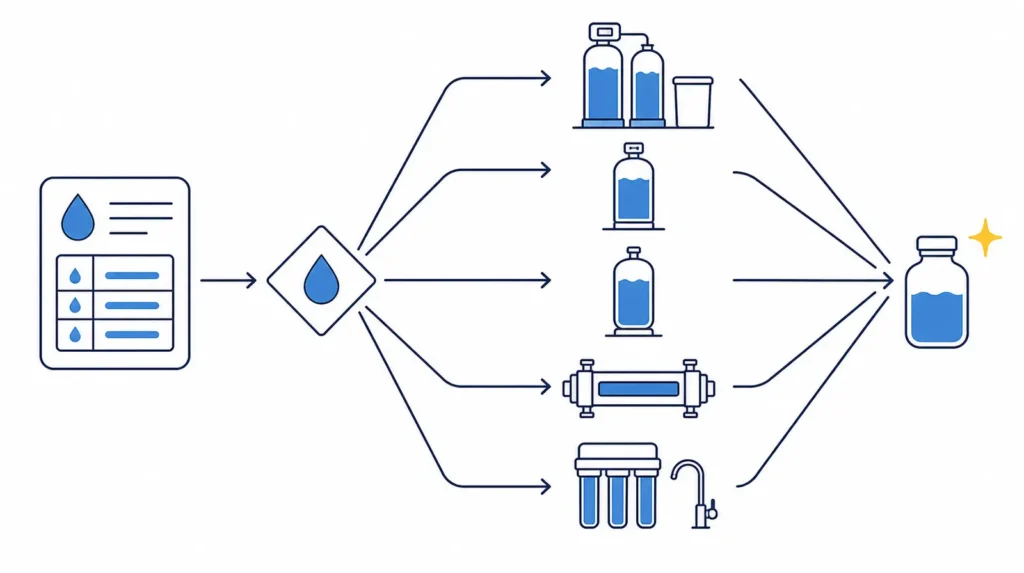
The result—not a product—selects the category. Treatment can involve softening, oxidation and filtration, neutralization, sediment filtration, carbon, point-of-use reverse osmosis or disinfection. The correct path depends on the measured condition and ends with verification through appropriate retesting.
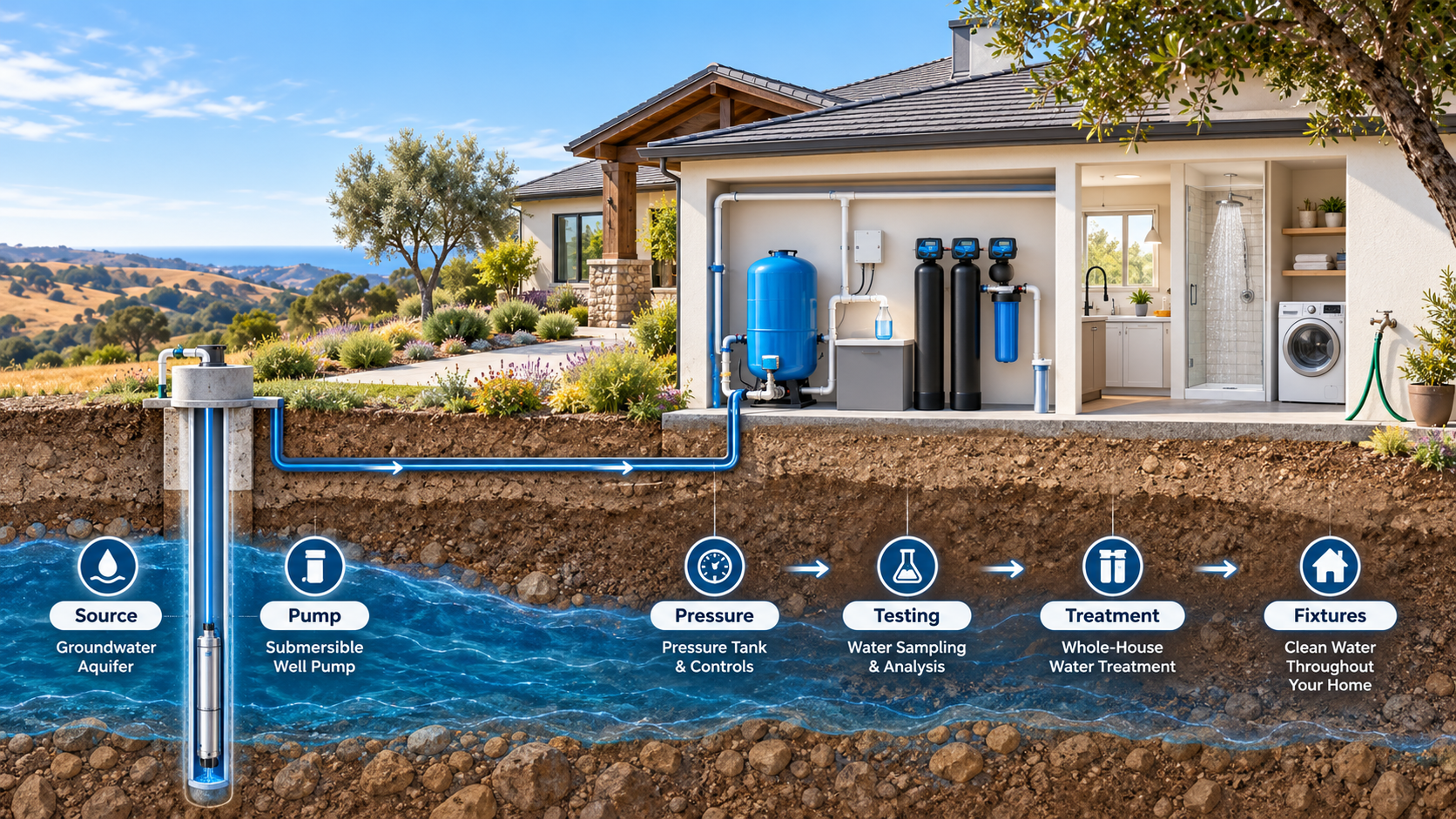
A treatment plan has to fit the water source, pressure system and plumbing—not sit outside that context. The location of the treatment stage depends on the objective and the equipment.
Whole-house treatment is normally installed at the point of entry. Drinking-water treatment may be installed at one fixture. Pretreatment may be needed to protect another stage downstream.
Source + pressure first
Well, pump and pressure conditions affect how water reaches treatment equipment.
Point-of-entry treatment
Whole-house stages address objectives that need treatment before water is distributed through the home.
Point-of-use treatment
Some drinking and cooking goals may be addressed at a dedicated faucet with appropriately rated equipment.
A treatment system should be selected around the goal the test result supports. These goals can overlap, but they should not be treated as interchangeable.
Hardness, staining, sediment, low pH or verified odor-related chemistry are usually point-of-entry questions because they affect water throughout the home.
Some measured dissolved constituents may call for a properly rated point-of-use system. The exact device rating and feed-water conditions matter.
Treatment may also be used to protect water heaters, fixtures, resin, membranes or UV components from hardness, sediment or other measured conditions.
pH and alkalinity: treatment media works within chemistry ranges. Low pH can shorten media life or make an otherwise reasonable stage ineffective.
Dissolved versus oxidized form: clear dissolved iron or manganese may need oxidation before filtration can capture it, while particles that are already oxidized behave differently.
Competing constituents: hardness, silica, sulfide and organics can consume oxidant, foul media or compete for treatment capacity.
Flow and contact time matter too. A treatment stage has to be sized for the household demand so the water receives the treatment time and conditions the equipment requires.
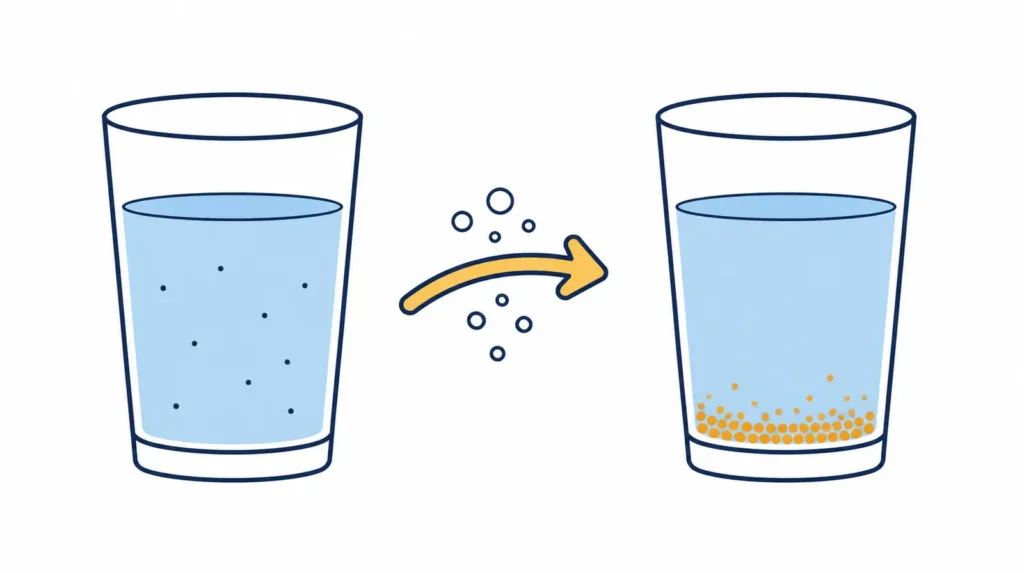
A private well can have more than one measured condition. In those cases, the order of treatment matters.
There is no universal “best” train. The sequence follows the measured water.
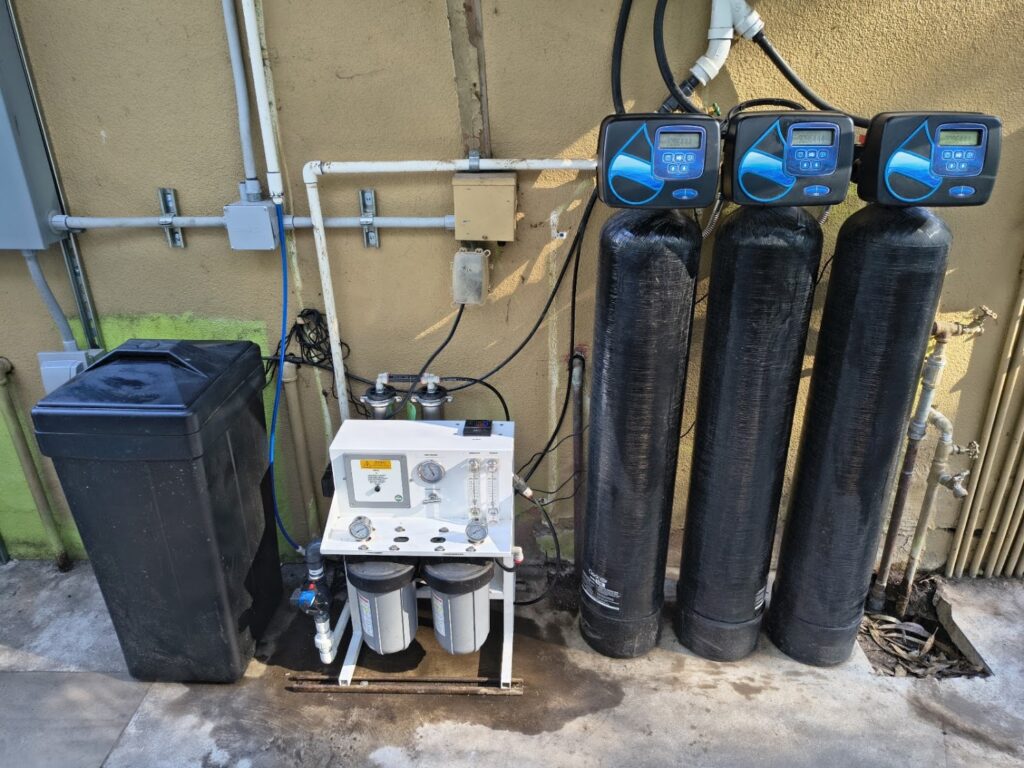
The technology layer belongs on the filtration page; this strategy page explains why a category may be selected. No single category addresses every well-water condition.
Primary household technology for measured hardness. It is not a bacteria, nitrate, arsenic, odor or sediment treatment.
May address iron, manganese or hydrogen sulfide when chemistry is within the media and system design range. It does not soften water.
Used for measured low pH when properly sized and monitored. It does not remove every other constituent or reverse damage already caused.
Captures selected particles and protects downstream stages. It does not remove dissolved hardness, nitrate, arsenic or bacteria.
Carbon: selected taste, odor and disinfectant goals when the media is rated for them. • Point-of-use RO: selected dissolved constituents only when the exact device is rated for the goal. • UV / disinfection: microbiological treatment after source correction, proper pretreatment and system design.
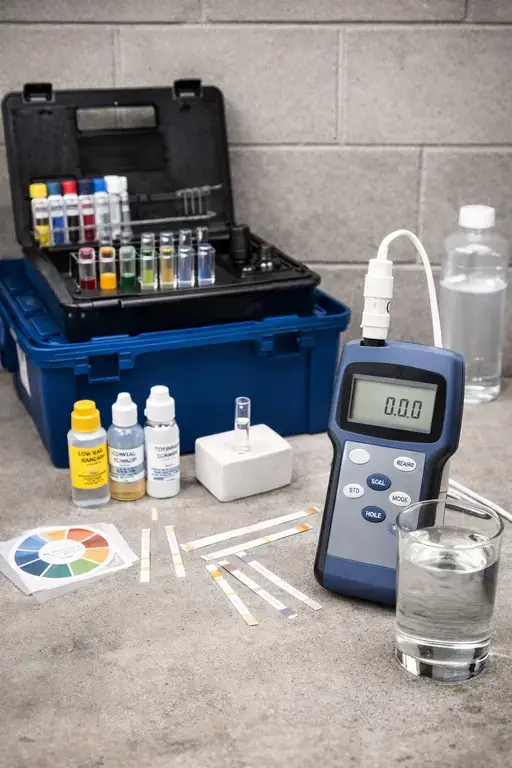
After installation, appropriate retesting should confirm that the treatment objective was met. Maintenance intervals depend on the equipment, water quality, usage and measured operating conditions—not one universal calendar.
Need an equipment-focused explanation? See the Well Water Filtration Technologies page. Need the broader navigation hub? Return to Well Water.
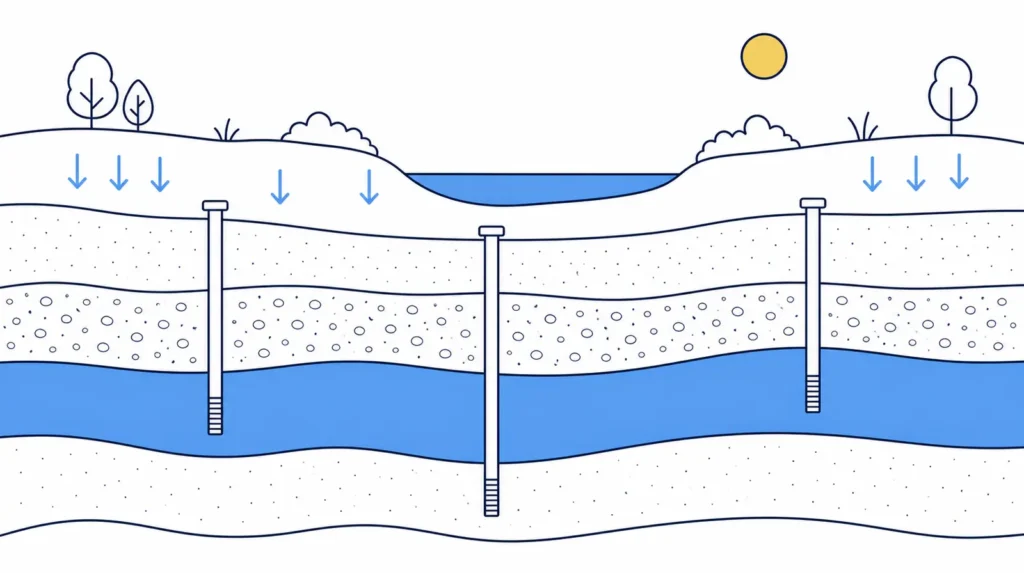
Groundwater conditions can vary by location, depth, well construction, season and nearby land use. Santa Maria Valley and broader Central Coast information can help identify questions worth testing, but it should not be used as a substitute for a property-specific result.
Use regional context to ask better questions. Use the actual laboratory result to build the treatment plan.
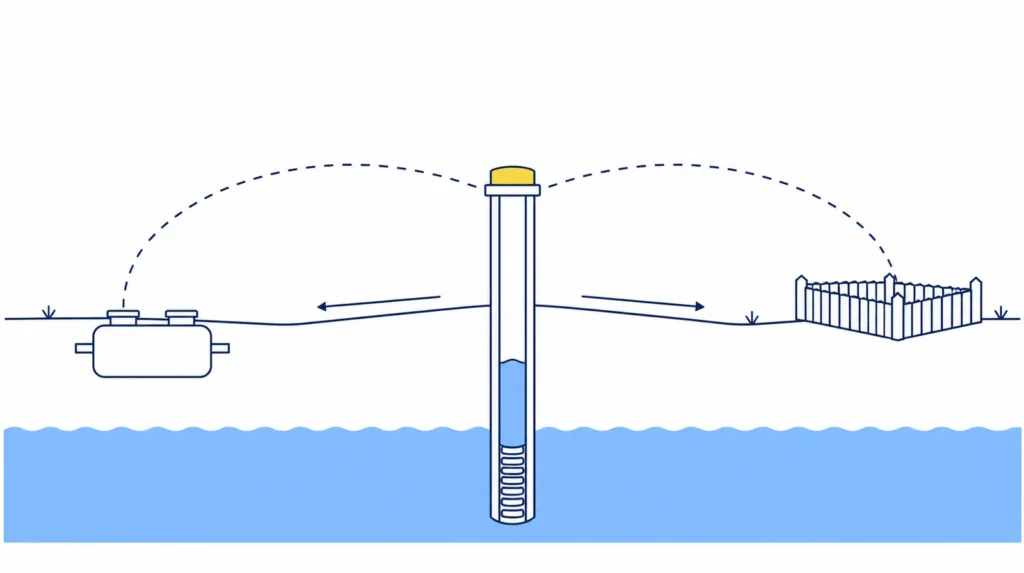
A bacteriological result is not just an equipment-selection question. The source of contamination should be investigated and corrected where possible. Ongoing disinfection, including UV where appropriate, depends on correct dose, flow, pretreatment, maintenance and retesting.
Water Fixers should not be presented as a well driller, well constructor or electrical contractor unless the live service scope specifically says otherwise. Some source, pump, drilling or electrical conditions require the appropriate specialist.
Private-well treatment decisions should be grounded in the property-specific test result and supported by authoritative guidance for testing, interpretation, source protection and response to health-related findings.
Testing frequency, reasons to test, certified laboratories, source protection and next steps after a concerning result.
California guidance for domestic-well testing and understanding laboratory results in a groundwater context.
Conservative guidance for treating private-well water after harmful germs or chemicals are identified.
These answers keep the treatment-planning role clear. Testing, equipment details and contaminant-specific guidance live on the linked specialist pages.
No. The objective determines point-of-entry versus point-of-use treatment. Whole-house goals and drinking-water goals should be evaluated separately.
Use appropriate post-treatment testing and ongoing service based on the identified issue. Treatment performance should be verified rather than assumed from appearance alone.
Rarely. Different treatment categories address different measured conditions, and more than one condition may require more than one stage in a deliberate order.
A softener can have a limited role with low levels of dissolved iron when chemistry allows, but iron form, concentration and competing conditions matter. Oxidation-filtration is commonly considered when the water requires it.
No. Ordinary RO is not a bacteriological safety solution. Correct the source where possible, use appropriately designed disinfection when indicated, and confirm the result through retesting.
It depends on the equipment, manufacturer requirements, water quality, usage, pressure and measured operating conditions. Avoid one universal filter-change or service interval for every private well.
Send Water Fixers the laboratory result or schedule testing first. We can help separate the measured condition from the symptom, define the treatment goal and route the next step without guessing from a stain, taste or odor alone.
Water Fixers Plumbing & Filtration • Santa Maria, CA • Central Coast service • California License #719792
CALL NOW! Se Habla Español!