
Private wells in the Santa Maria Valley can differ even when properties are relatively close together. Well depth, construction, local groundwater conditions and property-specific factors all matter.
Regional monitoring can help identify questions worth asking. It cannot diagnose an individual private well. The useful next step is testing the water from the property itself and making treatment decisions from that result.
Santa Maria Valley • Central Coast California • Plumbing + Filtration • California License #719792
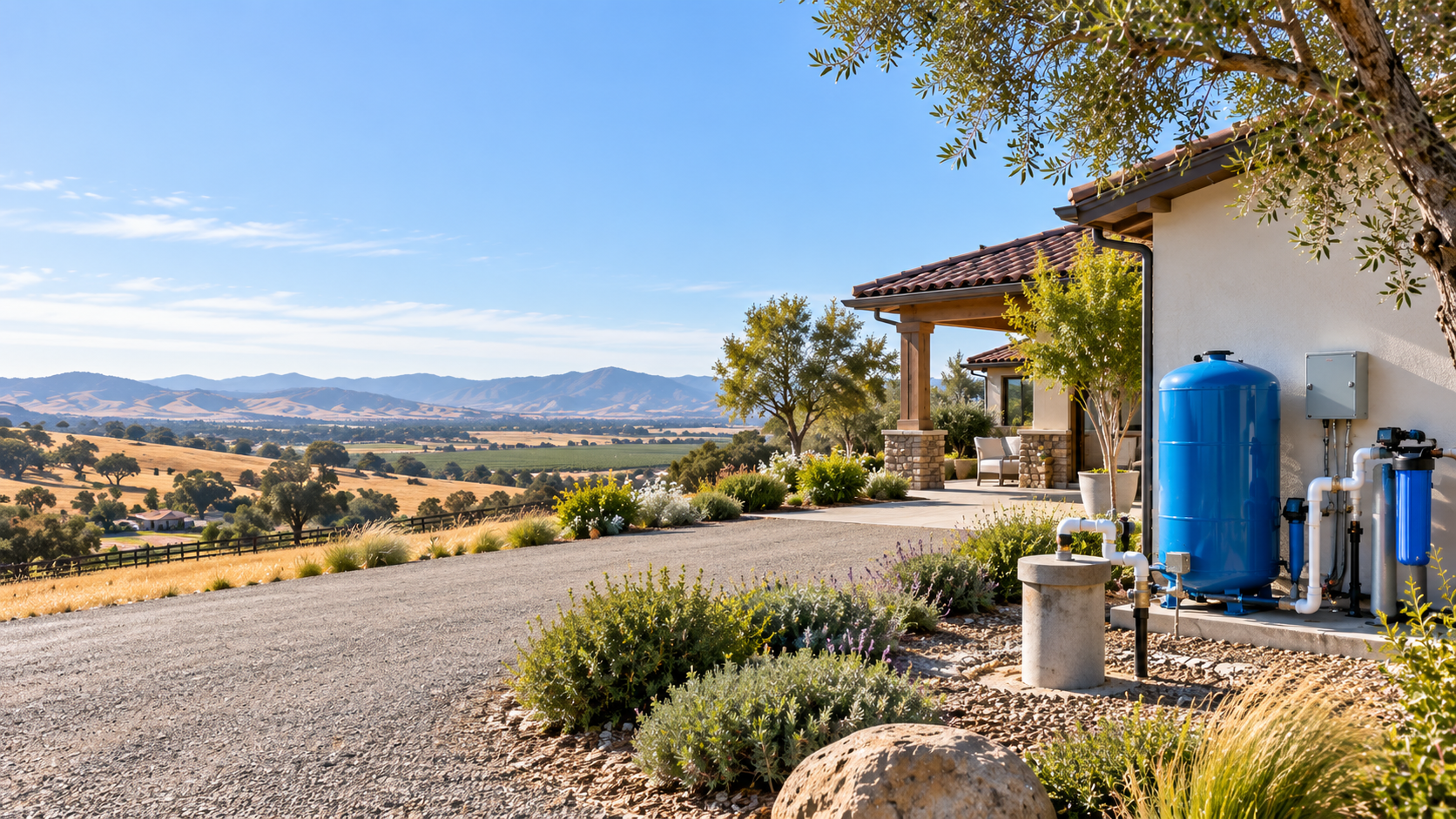
This page gives Santa Maria Valley context, but the individual well remains the decision point. Use these four rules to keep regional information in the right role.
First confirm whether the property actually uses a private or shared well. Municipal water-quality reports describe the public system, not surrounding private wells.
A regional map, neighboring well or historical monitoring result may suggest what deserves testing. It does not establish what is present in your water.
Use appropriate sampling and a certified laboratory when the question requires it. Interpret the property result rather than a nearby data point.
Equipment selection should follow the constituent, concentration, chemistry, flow and household goal—not a stain, taste, odor or city name.
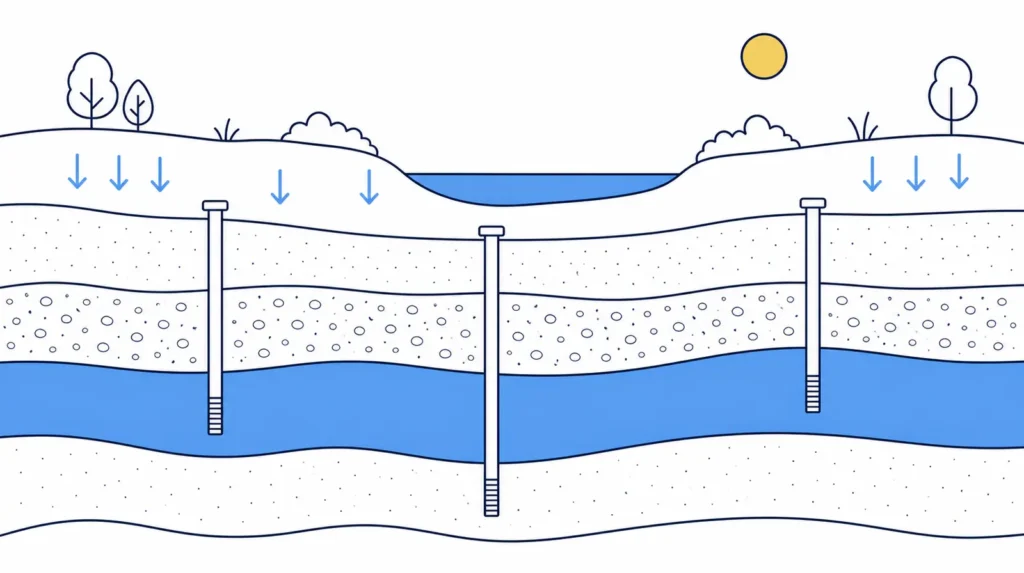
Same valley does not mean same well water. This simplified basin concept shows why neighboring wells can differ in depth and groundwater connection. It is educational—not a map of any property and not a prediction of any individual well result.

Two properties can sit in the same regional groundwater basin and still have different well construction, pumping depth, plumbing, treatment history and water chemistry.
That is why regional information should guide what to investigate, while the property-specific test result guides what to do next.
Well depth + construction
Different wells may draw from different depths or portions of the groundwater system.
Pressure + plumbing
Pressure systems and household plumbing can create symptoms that are not source-water contaminants.
Existing treatment
Old filters, softeners or other equipment can change what reaches the tap and should be considered during testing.
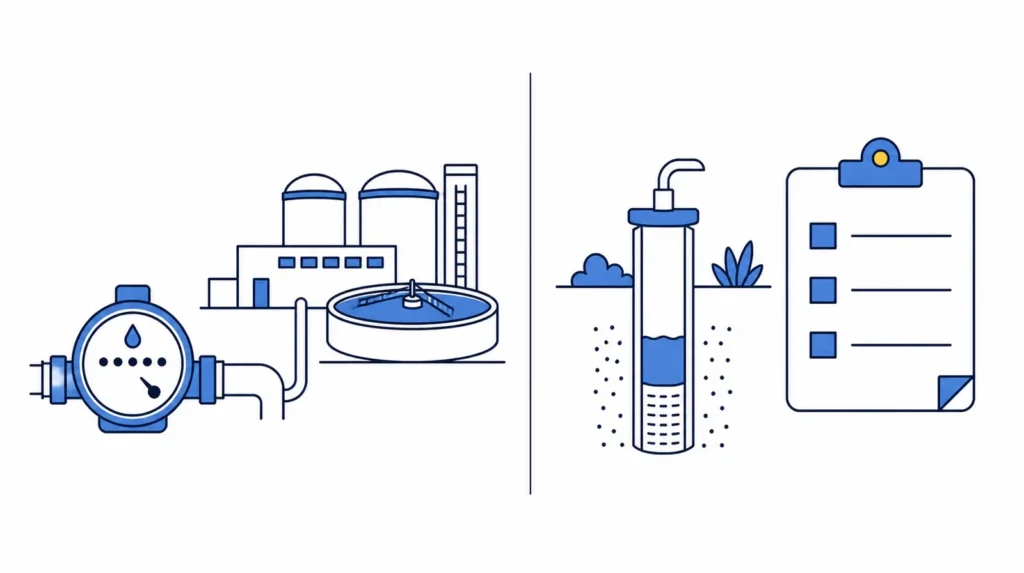
Santa Maria Valley properties may receive water from different sources. The source determines who monitors the water and which records are relevant.
Consumer Confidence Reports and public-system monitoring describe the regulated water system and are useful for municipal customers. They do not describe a nearby private well.
The property owner is responsible for understanding the individual well. Use property-specific sampling and testing rather than applying public-system results to the well.
If the source is not clear, confirm it before interpreting any report. Shared-well arrangements and private distribution systems may require additional records or source information.
1. Confirm the source. Separate a private well from municipal or shared water.
2. Document the concern. Note changes in taste, odor, staining, sediment, pressure, well work or treatment performance.
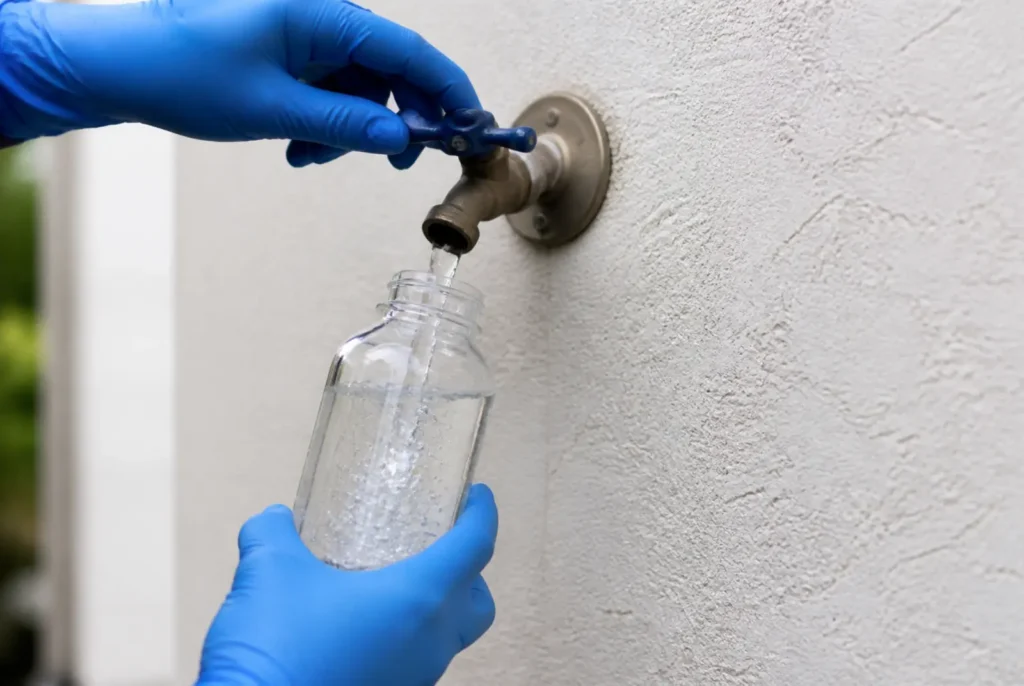
3. Test appropriately. Use a certified laboratory and the correct sampling instructions for drinking-water concerns.
4. Interpret the property result. Compare the actual concentration with authoritative guidance rather than a neighbor’s result.
5. Select treatment only after the evidence is clear.
Clear-looking water does not prove a private well is safe. Nitrate, arsenic and bacteria can require laboratory testing and may have no dependable visible warning sign.
Official Central Coast programs and historical groundwater records provide useful context for private-well testing. Nitrate and arsenic belong on this page because they are specifically supported by regional monitoring and private-well testing programs—not because either is assumed to be present at a particular property.
Use the evidence to decide what deserves a laboratory test. Use the property result to decide what happens next.
These guides explain the contaminant-specific testing and treatment questions without turning a regional record into a property diagnosis.
Historical regional and public-supply monitoring has identified nitrate concerns in portions of the Santa Maria groundwater basin. Only a laboratory result can answer the question for an individual well.
Regional private-well programs test for arsenic because it can occur in groundwater and has no dependable sight, taste or odor warning sign.
Bacteriological concerns require appropriate sampling, source evaluation and retesting. A well-head or source problem should not be hidden behind treatment equipment.
Scale, staining, odor and sediment can help choose what to investigate, but they do not confirm nitrate, arsenic, bacteria or another constituent.
Use the Well Water directory for the top-level path, Treatment Planning after testing, and Filtration Technologies to compare equipment roles.
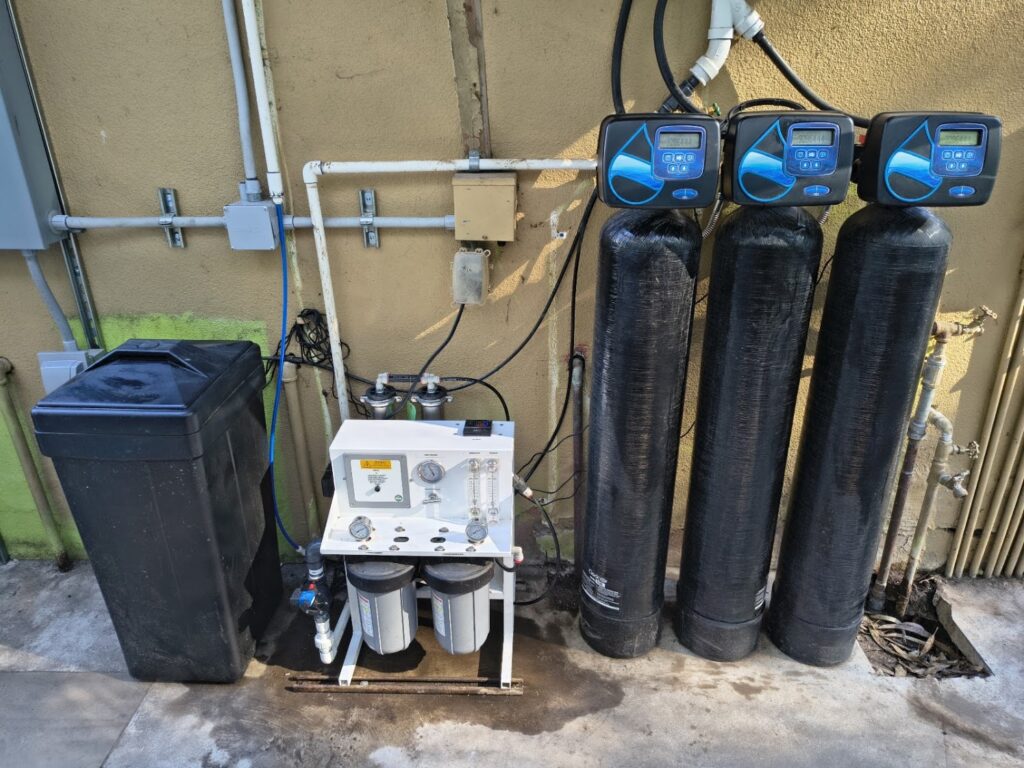
Once the constituent, concentration and supporting chemistry are known, the next step is choosing the appropriate treatment category and sizing it for the household.
That may involve sediment filtration, neutralization, softening, oxidation-filtration, carbon, point-of-use reverse osmosis, disinfection or a multi-stage sequence. No single system should be assumed to solve every private-well condition.
Regional context → property test → treatment plan. Keep that order and the Santa Maria Valley page supports the decision instead of replacing it.
The California Department of Water Resources reports Santa Maria Valley groundwater-basin information, and Central Coast programs provide private-well testing context. These sources help frame the regional picture.
They do not establish the current water quality of a specific Santa Maria, Orcutt or nearby private well. Use them to ask better questions, then test the property.
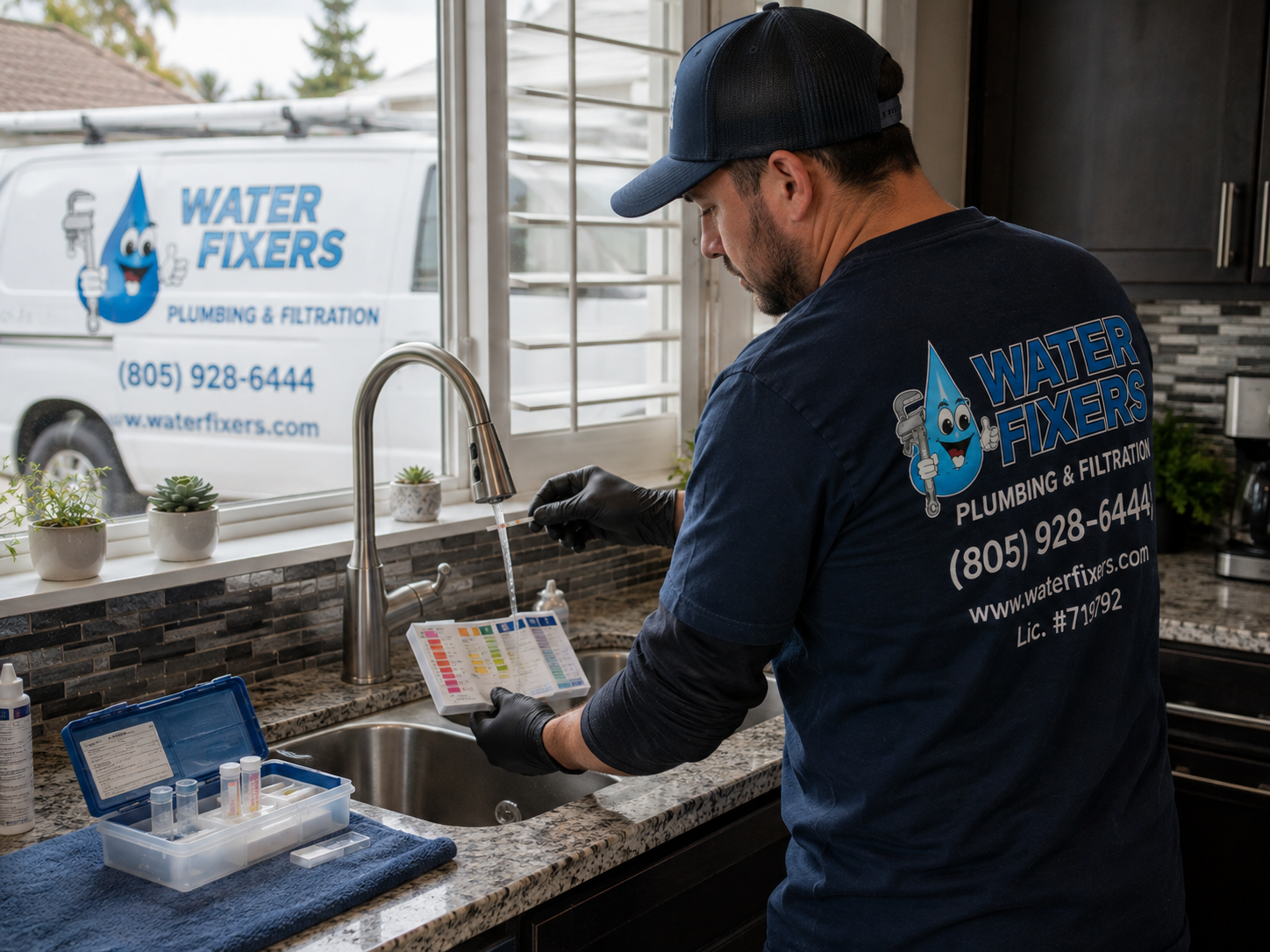
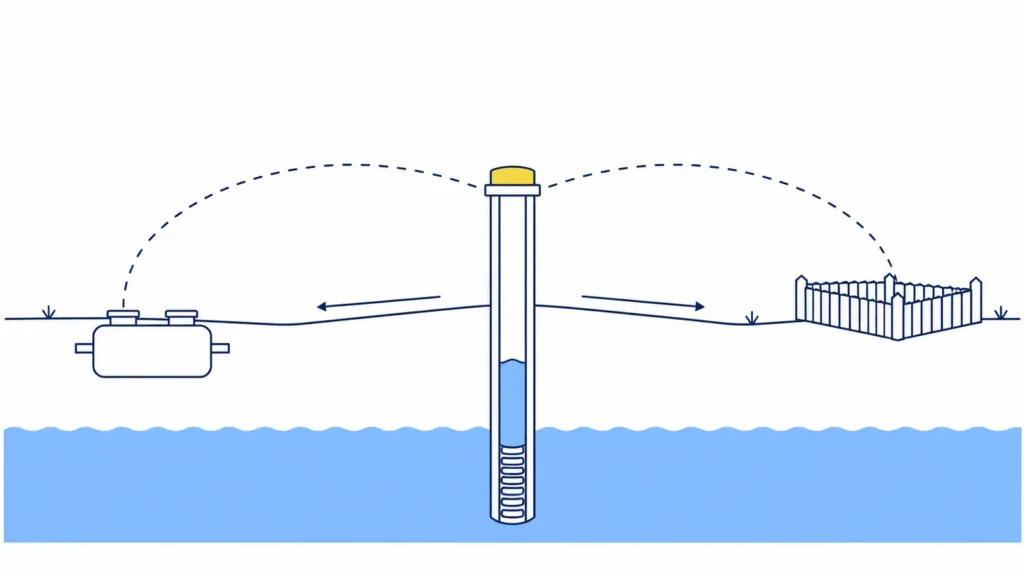
Water testing answers what is in the sample. It should be considered alongside the condition of the well and surrounding property. A secure cap, casing condition, drainage away from the well and appropriate separation from potential contamination sources all matter.
If a source, well-construction, drilling, specialty pump or electrical issue is suspected, the appropriate specialist may be needed. Water treatment should not be used to hide a source problem that needs correction.
Use these references to learn about regional groundwater and private-well testing. Treat program totals, nearby wells and map points as context only.
Regional program information about private domestic-well testing, including nitrate, arsenic and other selected parameters.
County information can help private-well owners identify local testing resources and appropriate next steps.
Use groundwater records by location and well type as regional context. A mapped result is not a substitute for testing your property.
Short answers to the questions regional groundwater information most often creates for homeowners.
No. Historical regional and public-system records do not establish an individual private-well result. Test the property.
No. Well depth, construction, location and groundwater conditions can differ. Nearby data is context, not your result.
Only after confirming the property uses a private well. Municipal Consumer Confidence Reports describe the public system and should be used for municipal customers.
Yes. Some important drinking-water concerns have no dependable visible, taste or odor warning sign. Appropriate laboratory testing is the way to evaluate them.
No. Treatment should be based on the individual well result, concentration, water chemistry and the exact treatment objective.
Use the Well Water Treatment page to understand how a measured result becomes a treatment strategy, then use the Filtration page to compare technology roles.
Water Fixers can help Santa Maria Valley property owners move from a well-water question to appropriate testing and then to treatment planning when the result supports it. Regional records help frame the question; your well result drives the decision.
Water Fixers Plumbing & Filtration • Santa Maria Valley • California License #719792
CALL NOW! Se Habla Español!