
HIGH WATER PRESSURE • PRESSURE TESTING • CENTRAL COAST

High Water Pressure in Your Home?

Excessive Pressure Can Put Unnecessary Stress on Your Plumbing System

Water that feels unusually forceful can be more than a convenience issue. Excessive static pressure can increase stress on valves, supply lines, fixtures, water heaters and other connected equipment. Water Fixers can test household pressure, evaluate an existing pressure regulator valve (PRV), and help determine whether the issue is high incoming pressure, a regulator problem, thermal expansion or another plumbing condition.

Water Fixers Plumbing & Filtration • Santa Maria & Central Coast • CA License #719792
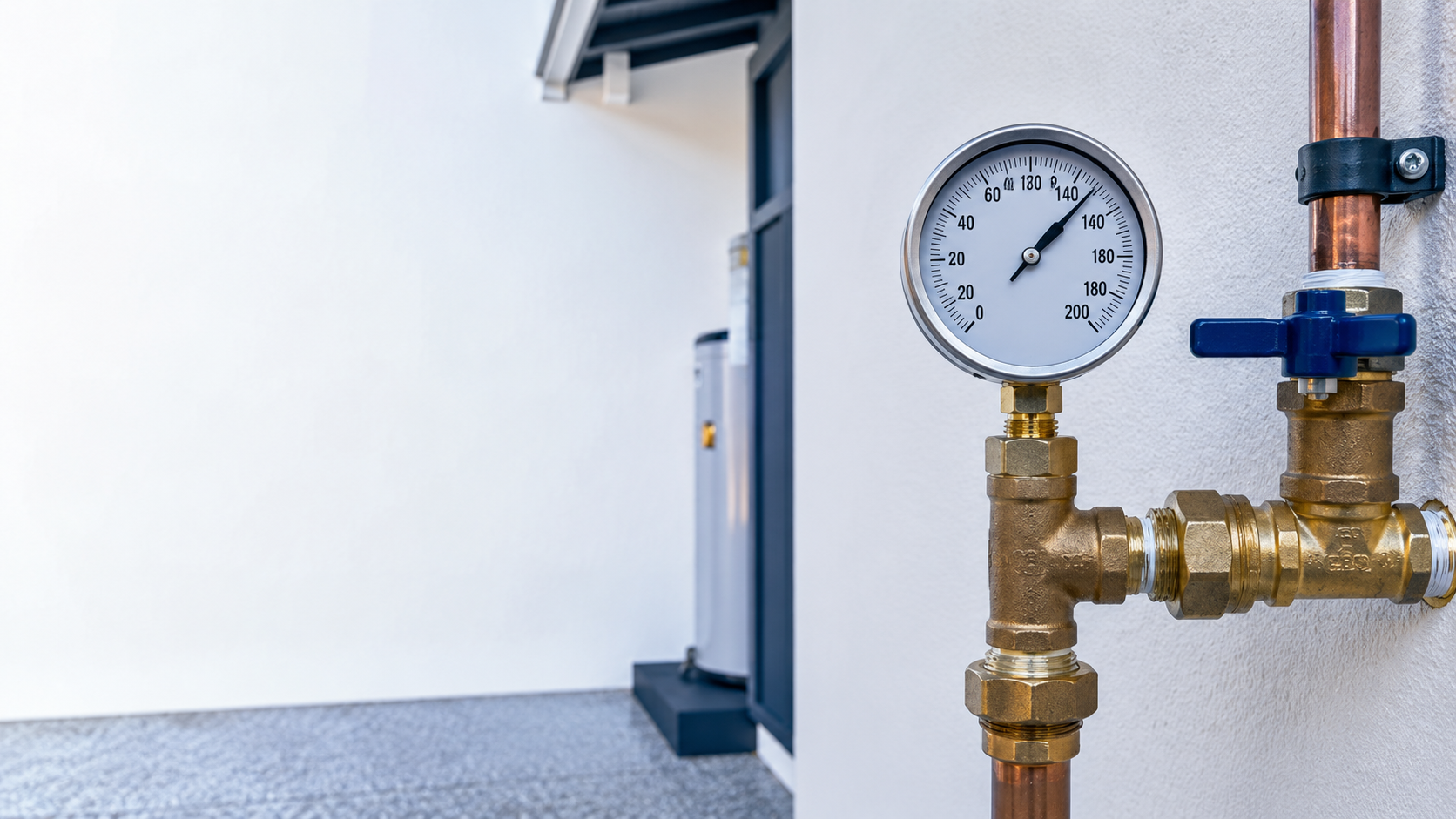
Residential water pressure gauge showing high household water pressure

What Counts as High Water Pressure?

Pressure varies by property, elevation, water source and plumbing design, so there is no single “perfect” number for every home. The important threshold is that plumbing codes treat static pressure above 80 psi as excessive and call for pressure regulation. A real pressure test is more useful than judging by how strong a faucet feels.
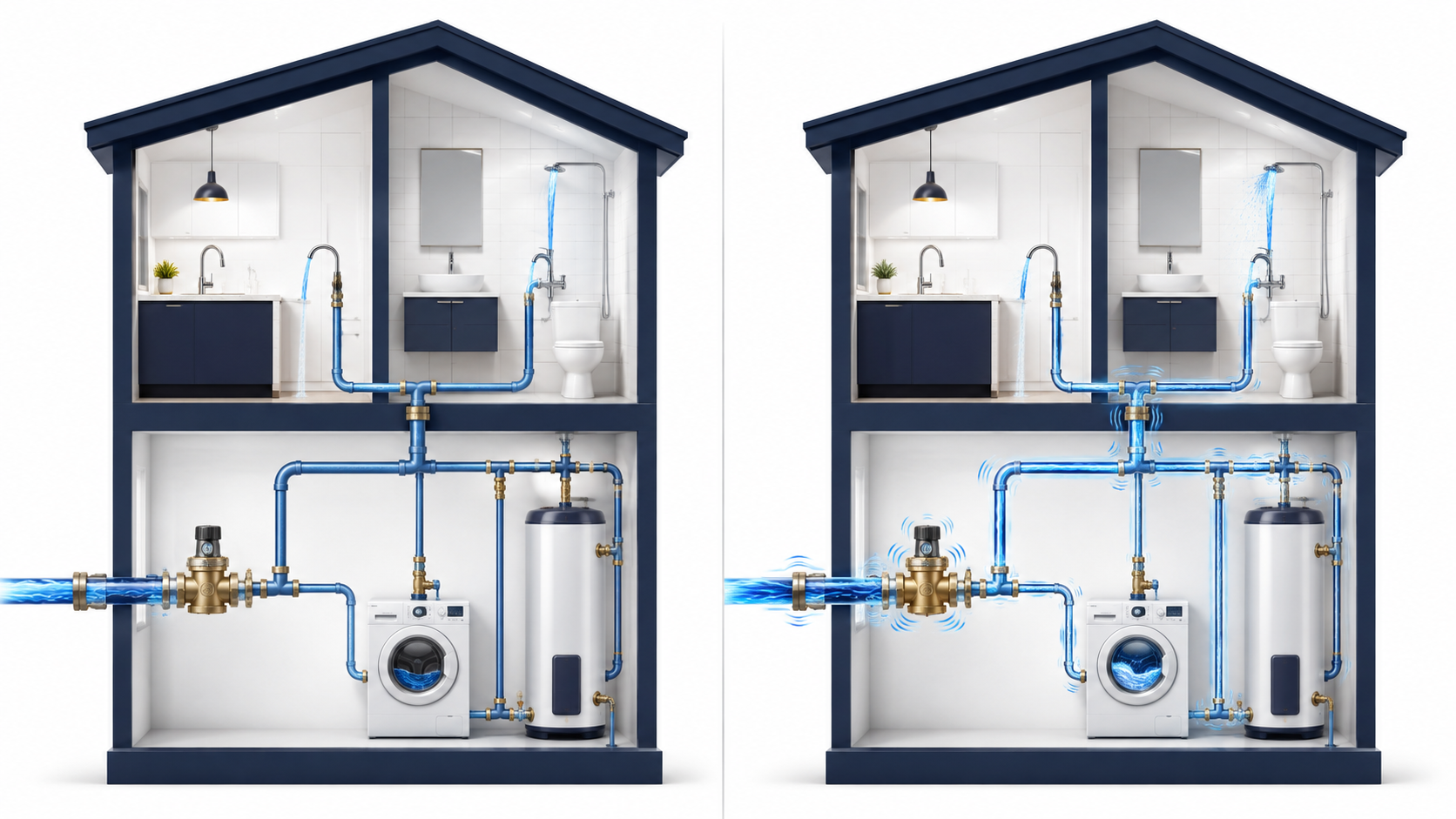
Diagram comparing regulated household water pressure with excessive incoming water pressure

PRESSURE IS A SYSTEM CONDITION

Strong Flow Is Not the Same as Healthy Pressure

High static pressure means the plumbing system is sitting under excessive pressure even when fixtures are not actively running. That differs from normal flow demand, temporary pressure spikes and water hammer. Testing helps separate those conditions before parts are replaced unnecessarily.

A pressure regulator can reduce excessive incoming pressure, but only after the cause and existing plumbing layout are evaluated.

Signs Your Water Pressure May Be Too High

These symptoms can be clues, but none proves high pressure by itself. A gauge test is the simplest way to know what the plumbing system is actually seeing.
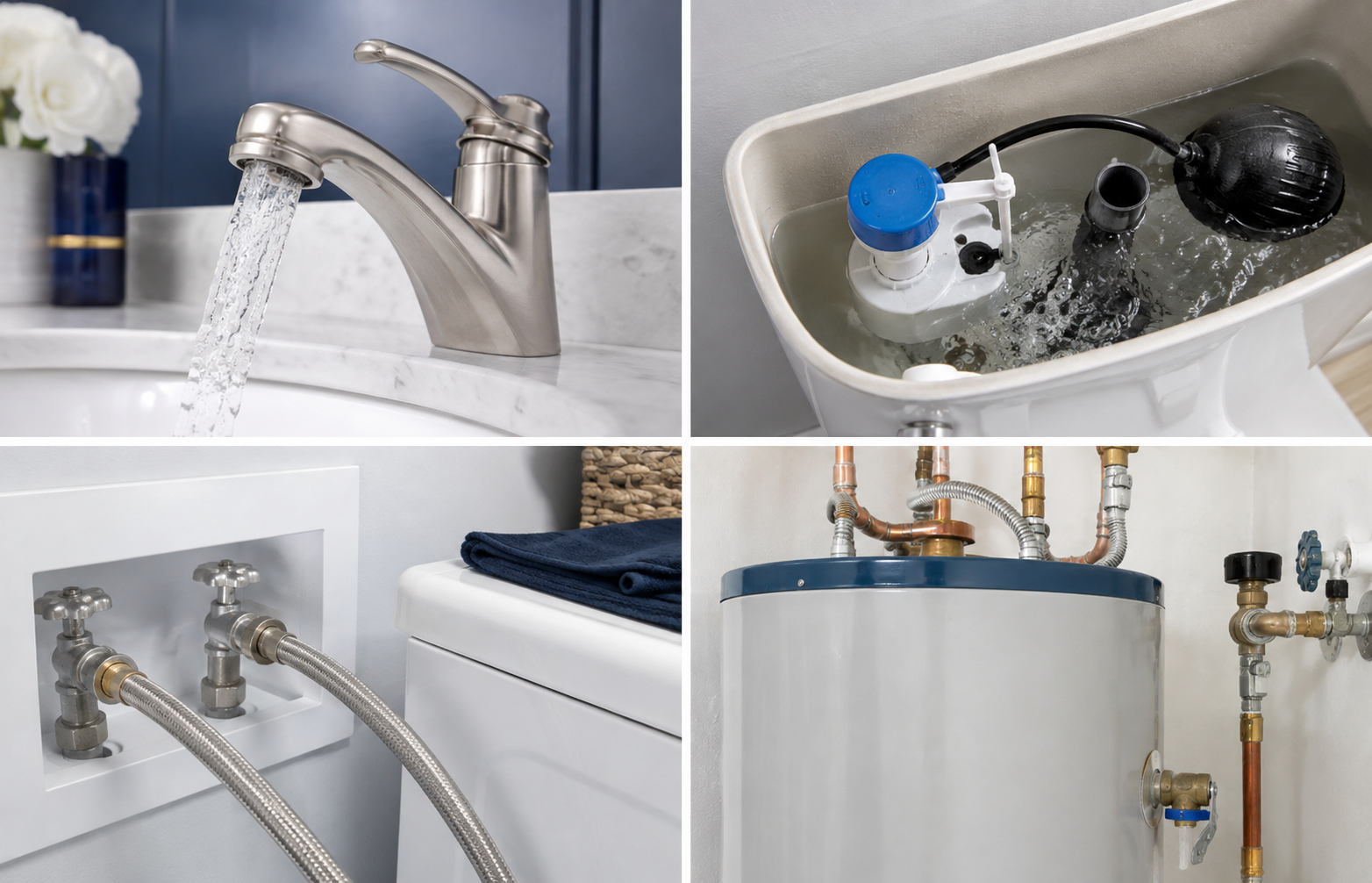
Faucets Feel Unusually Forceful

Water may splash aggressively or feel harder to control at fixtures even when aerators and cartridges are in good condition.

Noisy Toilets or Fill Valves

Fill valves and other small control components can become noisy or wear faster when exposed to excessive pressure.

Banging or Water Hammer

High pressure can make hydraulic shock more noticeable, although water hammer has its own causes and should be diagnosed separately.

Recurring Fixture Drips

Excessive pressure can add stress to cartridges, seals, washers and shutoff valves, especially when components are already worn.

Hose & Supply-Line Stress

Washing-machine hoses, braided connectors and appliance supply lines operate under the home’s pressure whenever valves are open.

Water-Heater Pressure Symptoms

A closed plumbing system, pressure regulation and thermal expansion can interact, so water-heater pressure symptoms deserve proper evaluation.
Household plumbing fixtures and connections that can be affected by excessive water pressure

HOW PRESSURE IS CHECKED

How to Test Household Water Pressure

1. Use a pressure gauge at an appropriate hose connection.
Attach the gauge securely to a hose bib or suitable test connection.

2. Stop normal water use.
For a static reading, fixtures and water-using equipment should not be actively drawing water.

3. Open the valve fully and read the gauge.
The result shows the static pressure available at that test point.

4. Investigate an excessive or unstable reading.
If pressure is high, changes significantly or creeps upward, the next step is to evaluate the PRV, incoming supply and related plumbing conditions.
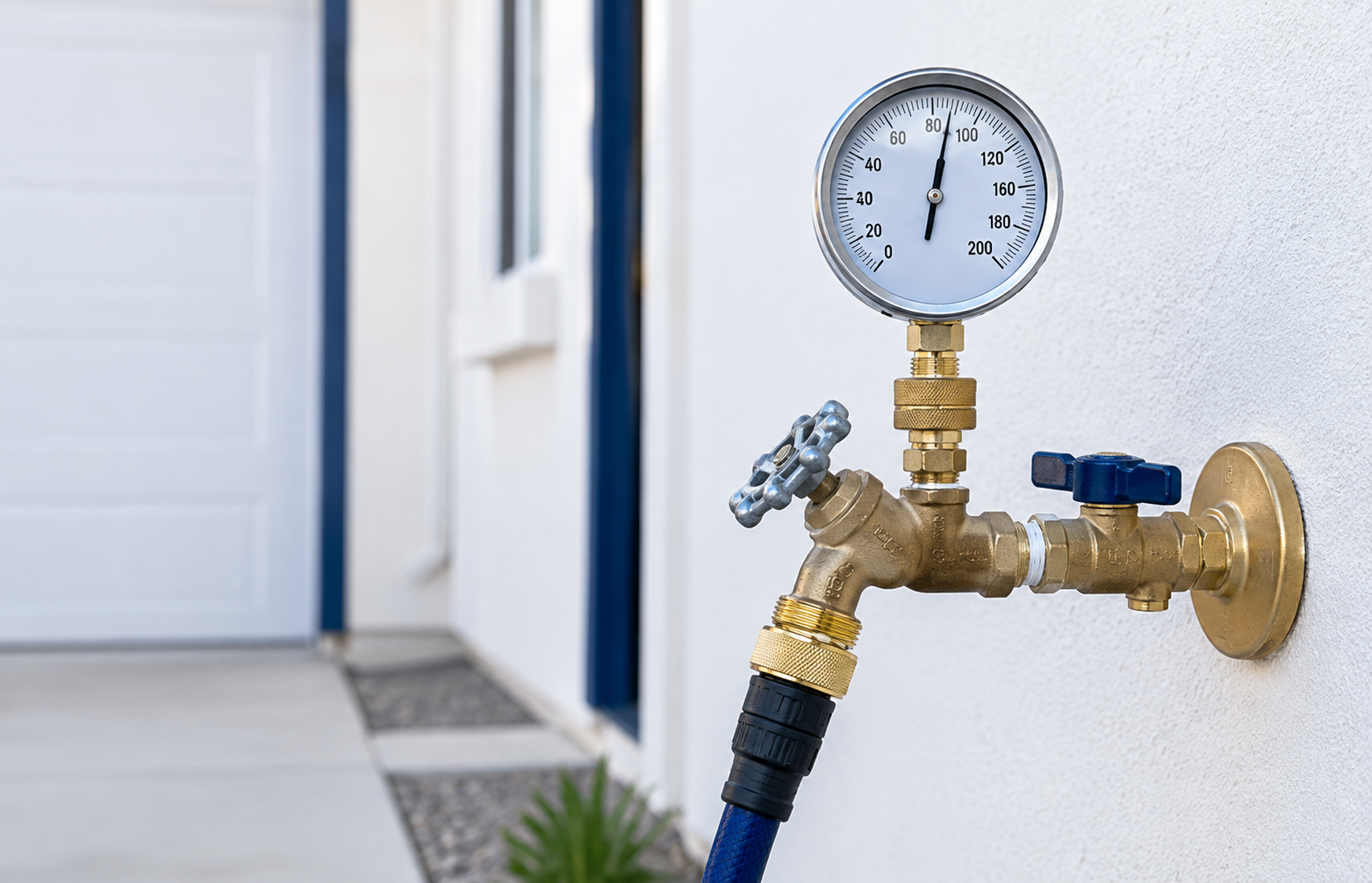
Residential water pressure gauge connected to plumbing for a household pressure test

Why Does a House Have High Water Pressure?

High Municipal Supply Pressure

The public water system may operate at a pressure higher than the home’s plumbing should receive directly.

No PRV Where One Is Needed

Some properties may lack a pressure-reducing valve even though incoming pressure requires regulation.

Failing or Worn PRV

A regulator can wear internally and stop holding the intended downstream pressure consistently.

Pressure Creep

Downstream pressure that slowly rises after fixtures are closed can point toward regulator or system conditions that deserve testing.

Thermal Expansion

When heated water expands in a closed system, downstream pressure can temporarily increase and may require expansion-control evaluation.

Another Plumbing Condition

Valve position, restrictions, elevation, pumps, private-well equipment and other system issues can create confusing pressure symptoms.

High Static Pressure, Pressure Spikes & Water Hammer Are Different Problems

High Static Pressure

The plumbing system remains above an acceptable static pressure when water is not actively flowing.

Pressure Spike / Surge

Pressure rises temporarily because of changing supply or system conditions.

Water Hammer

Hydraulic shock occurs when moving water changes velocity suddenly, often when a valve closes quickly.
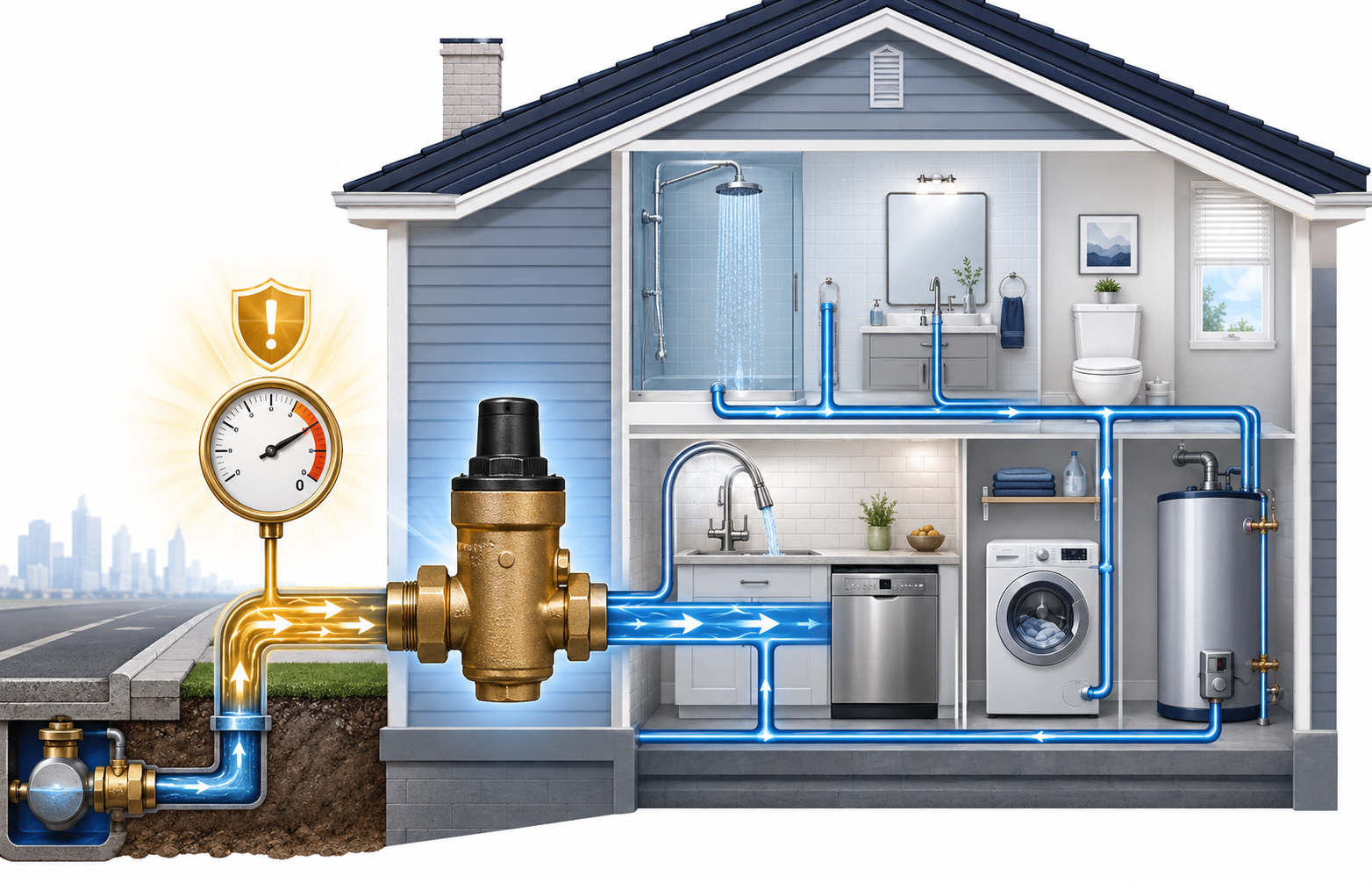
High incoming water pressure reduced by a pressure regulator valve before water reaches household plumbing fixtures

THE FIX DEPENDS ON THE CAUSE

A Pressure Regulator May Be the Solution—But Test First

If incoming static pressure is excessive, a properly selected and installed PRV can reduce pressure before it reaches the home. If a regulator already exists, the problem may instead be adjustment, wear, pressure creep, thermal expansion or another system condition.

Water Fixers can test the pressure, inspect the existing regulator and explain the plumbing-side next step before unnecessary components are replaced.

What High Water Pressure Can Affect

Water Heaters

Pressure regulation and thermal expansion can interact with water-heater plumbing and safety components.

Water Lines & Supply Piping

Excessive pressure adds avoidable stress to valves, fittings, hoses and supply piping.

Hidden Leak Concerns

Pressure control is one issue; locating an active hidden leak is a separate diagnostic service.

Automatic Shutoff Protection

Moen Flo can monitor the main line and automatically shut off water during qualifying events, but it does not replace a PRV.

Water-Use Monitoring

Flume monitors household water use at a compatible meter and can alert to unusual flow, but it does not regulate pressure.

Pressure Regulation

The PRV page explains testing, installation, replacement and how pressure reduction fits into the plumbing system.

PRESSURE CONTROL IS ONE LAYER OF PROTECTION

High Pressure, Leak Monitoring & Automatic Shutoff Are Not the Same Thing

A PRV reduces excessive incoming pressure. Flume watches water use at a compatible meter. Moen Flo monitors the incoming main line and can provide automatic shutoff protection. Professional leak detection helps locate the plumbing problem when a concealed leak is suspected. These services can complement one another without replacing one another.
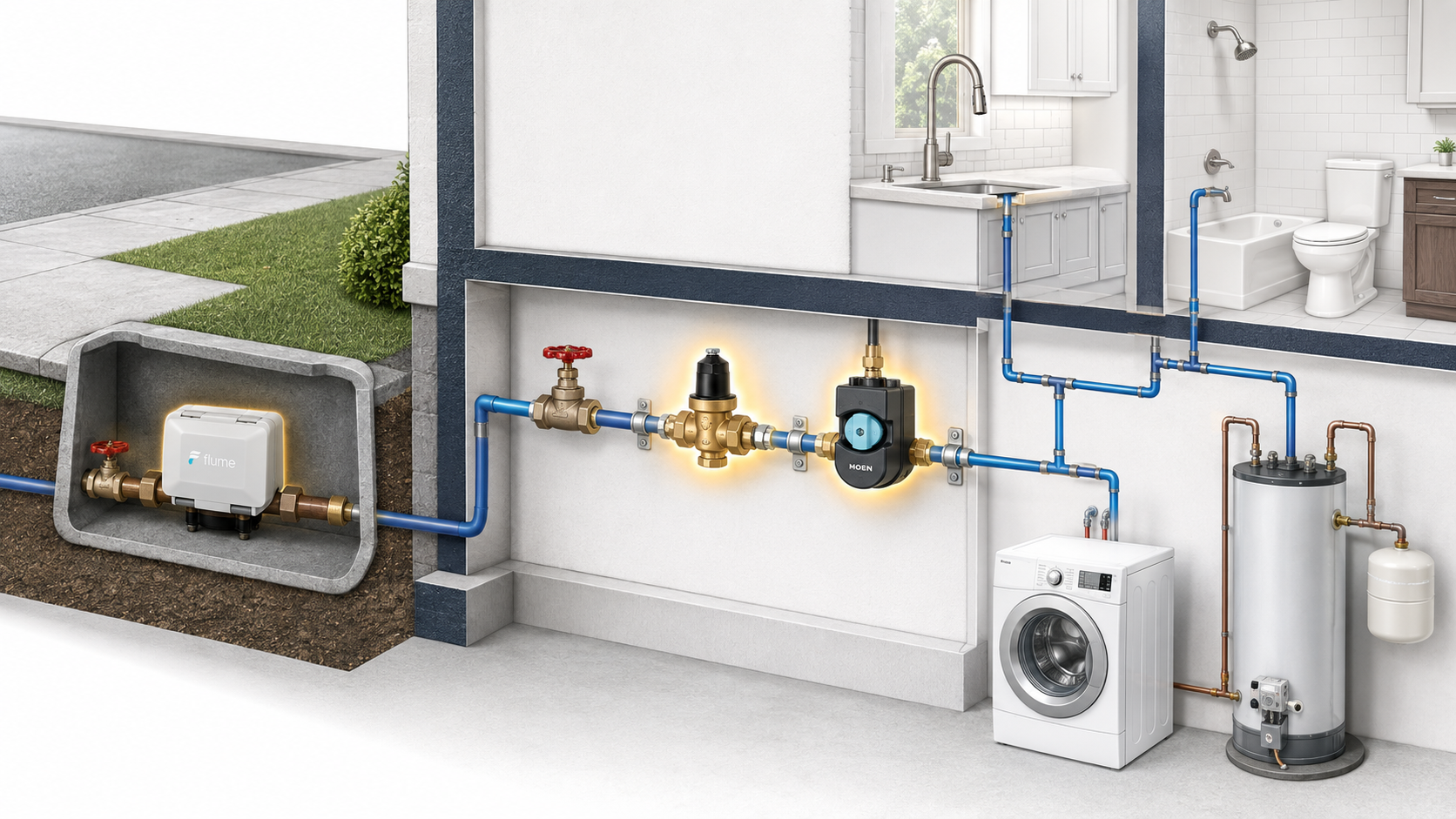
Residential plumbing diagram showing Flume monitoring, a PRV and Moen Flo smart water protection

Water Pressure Testing & PRV Service Across the Central Coast

Water Fixers serves Santa Maria and communities throughout California’s Central Coast. If your home has unusually forceful fixtures, recurring pressure-related symptoms, an aging regulator or an unexplained pressure reading, we can test the system and help determine the right plumbing-side solution.

High Water Pressure FAQs

Direct answers to common homeowner questions about excessive pressure, PRVs, testing and related leak-protection devices.

Plumbing codes commonly treat static pressure above 80 psi as excessive and require pressure regulation. The right operating pressure below that threshold still depends on the home, plumbing design, elevation and equipment.
Excessive pressure can increase stress on valves, supply lines, fixture components and other plumbing parts. It is not the only cause of leaks, so an active or concealed leak should still be diagnosed on its own merits.
A failing PRV may allow downstream pressure to remain too high, fluctuate or creep upward after fixtures are closed. A pressure test before and after the regulator helps determine whether it is controlling pressure properly.
Yes. Water heaters operate within the home’s pressure environment, and thermal expansion can increase downstream pressure in a closed system. Pressure regulation and expansion control should be evaluated together when symptoms point that direction.
Water-system demand and supply conditions can change during the day. If you suspect nighttime pressure changes, measuring pressure over time or checking for pressure creep can help identify the cause.
No. Moen Flo can monitor pressure and water activity, but it is not a mechanical pressure-reducing valve. A PRV performs the pressure-reduction job.
No. Flume is designed to monitor water use at a compatible residential water meter. It does not mechanically regulate pressure.
A regulator may be adjustable, but changing it without understanding the incoming pressure, downstream system, expansion conditions and regulator condition can mask a problem. Testing the system first is the better approach.
No. High static pressure means the plumbing remains under excessive pressure when water is not flowing. Water hammer is hydraulic shock caused by a sudden change in water velocity. They can coexist but require different diagnosis.
Private-well pressure is controlled by pump, pressure switch, tank and related equipment. Pressure complaints on a well system should be evaluated as part of the pump and pressure system rather than automatically treated as a municipal-service PRV problem.

Not Sure Whether Your Water Pressure Is Too High?

A pressure test is a simple place to start. Water Fixers can check the home’s static pressure, evaluate an existing PRV and help separate pressure problems from leak, water-line and equipment issues.

Water Fixers Plumbing & Filtration • Santa Maria & California Central Coast • License #719792

CALL NOW! Se Habla Español!