


Practical homeowner tips
Tips From Harley
Shutoffs, drains, hard water clues, water-heater warning signs and the plumbing problems homeowners should not ignore.
Visit Harley's tips

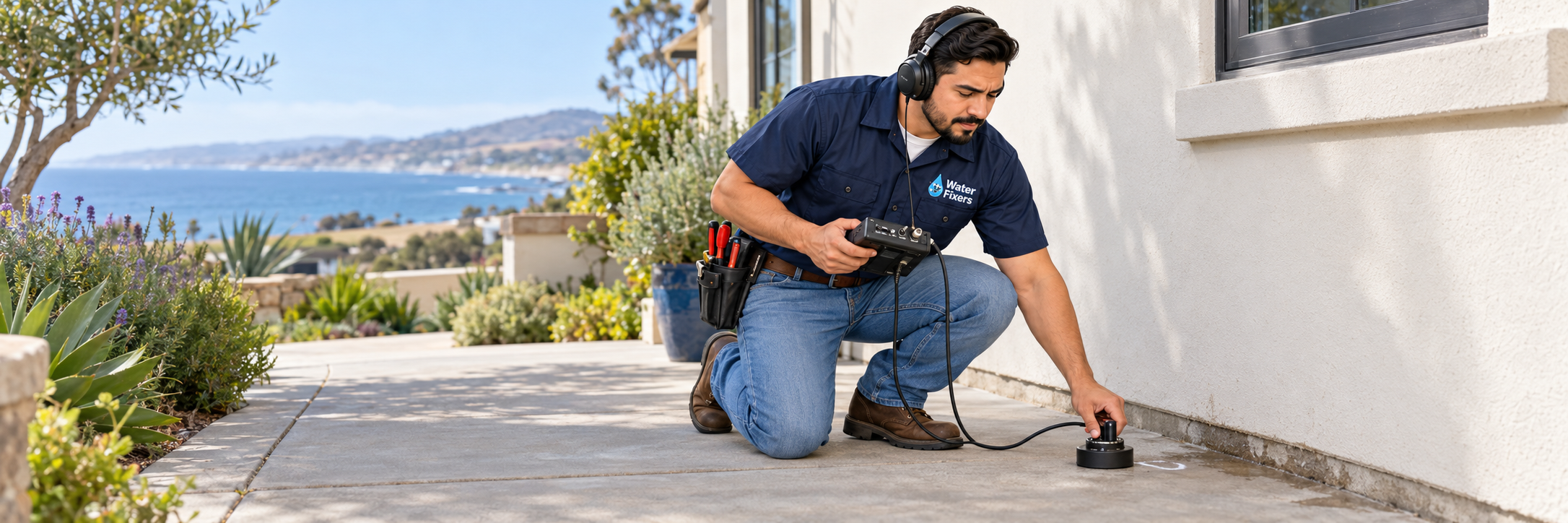


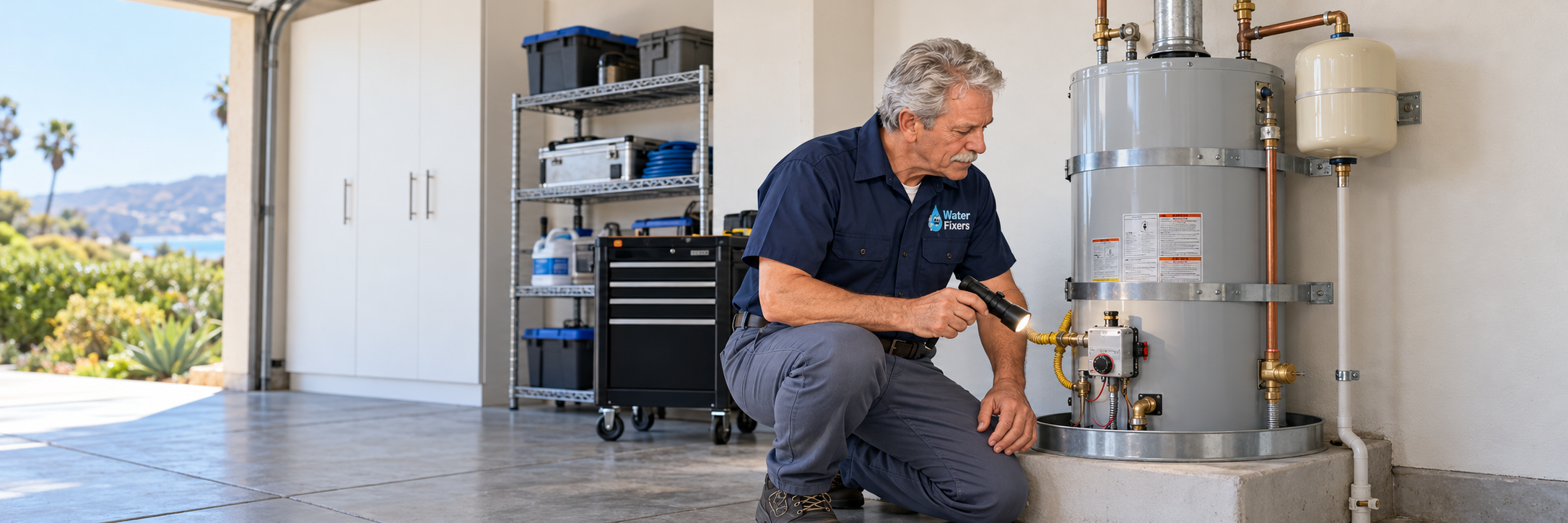
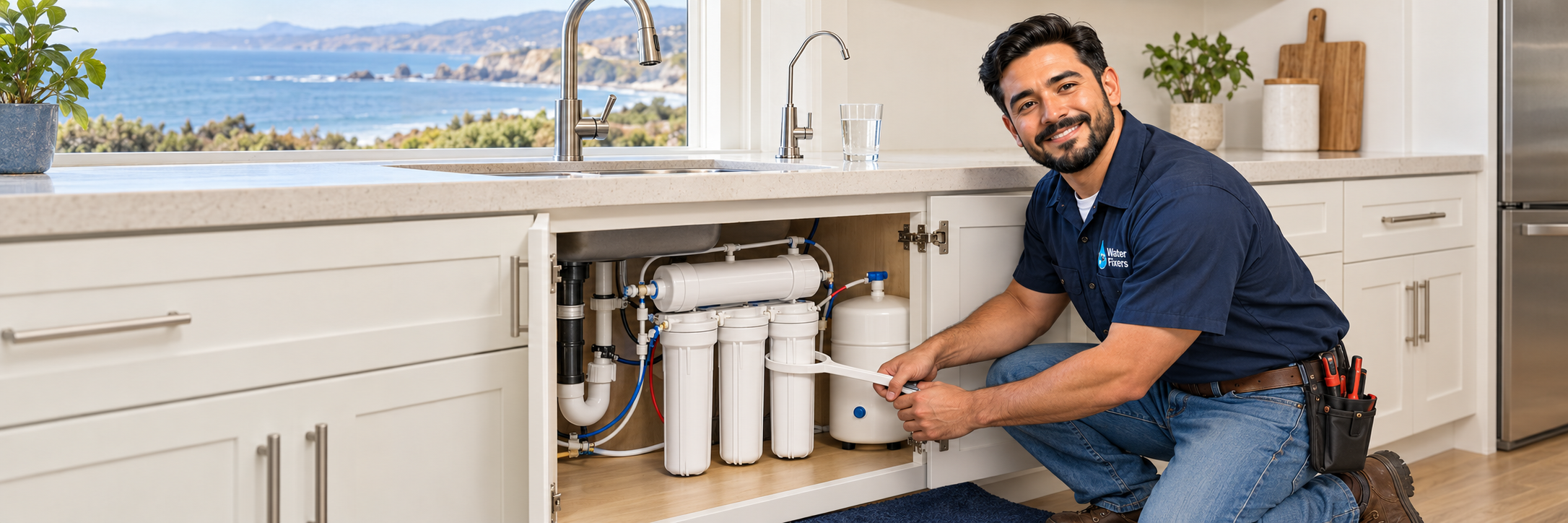



Practical Central Coast guidance from the Water Fixers team, plus homeowner tips from Harley and Zsa Zsa. Start with the problem you can see, then learn what it may mean and when it is worth calling a pro.

Harley keeps an eye on everyday plumbing and maintenance. Zsa Zsa tackles the water questions that show up in showers, hair, drinking water and bathroom routines.
Shutoffs, drains, hard water clues, water-heater warning signs and the plumbing problems homeowners should not ignore.
Visit Harley's tips
Hard water, shower spots, drinking water and bathroom comfort—explained without turning a beauty question into a sales pitch.
Visit Zsa Zsa's tipsThese guides are written to help you recognize what is going on, what you can safely check, and which Water Fixers service makes sense next.
Find the right valve before a leak or broken supply line turns into an emergency scavenger hunt.
Read the guide →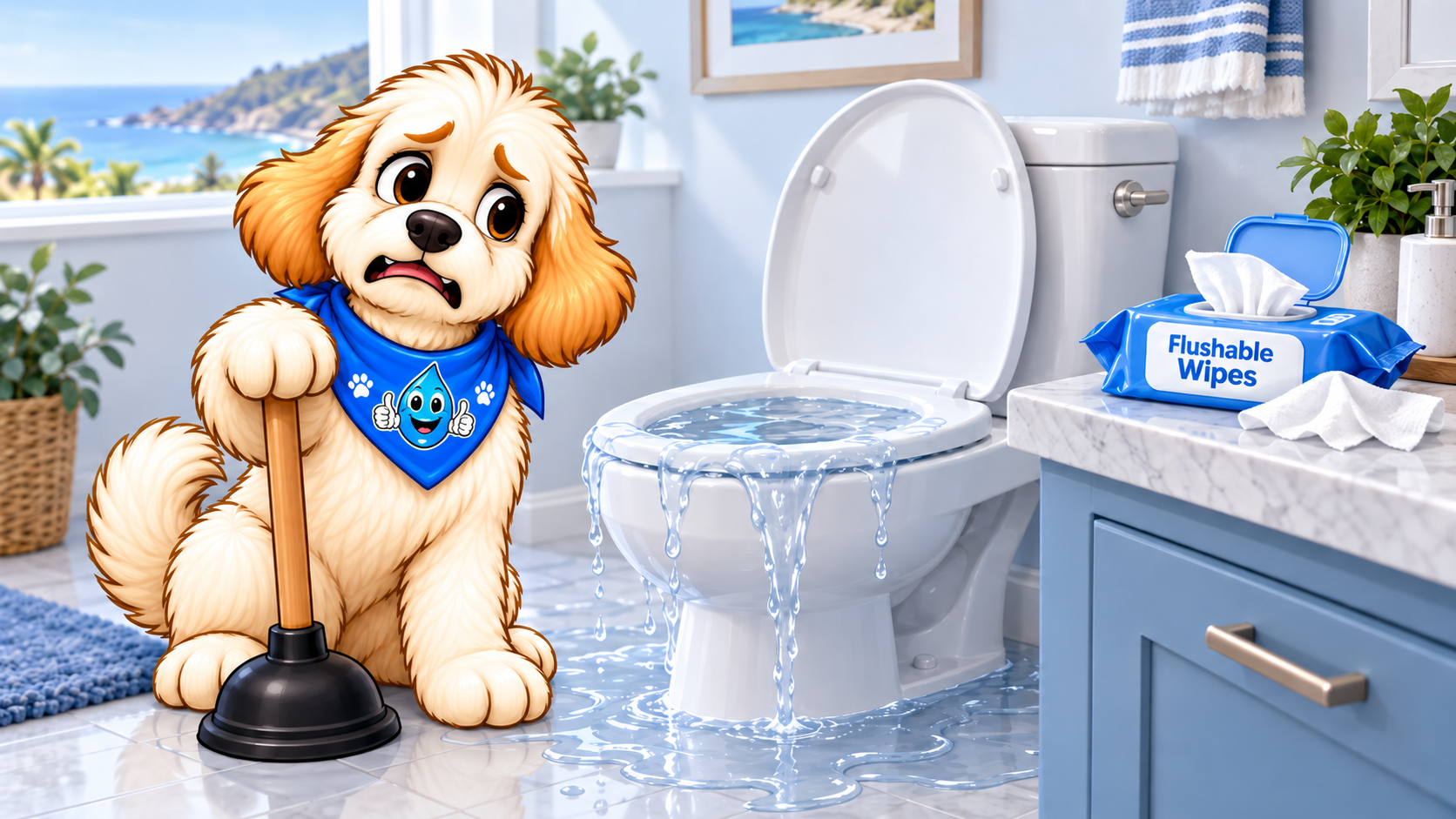
A quick guide to wipes, household products, recurring clogs and when the problem may be farther down the drain line.
Read the guide →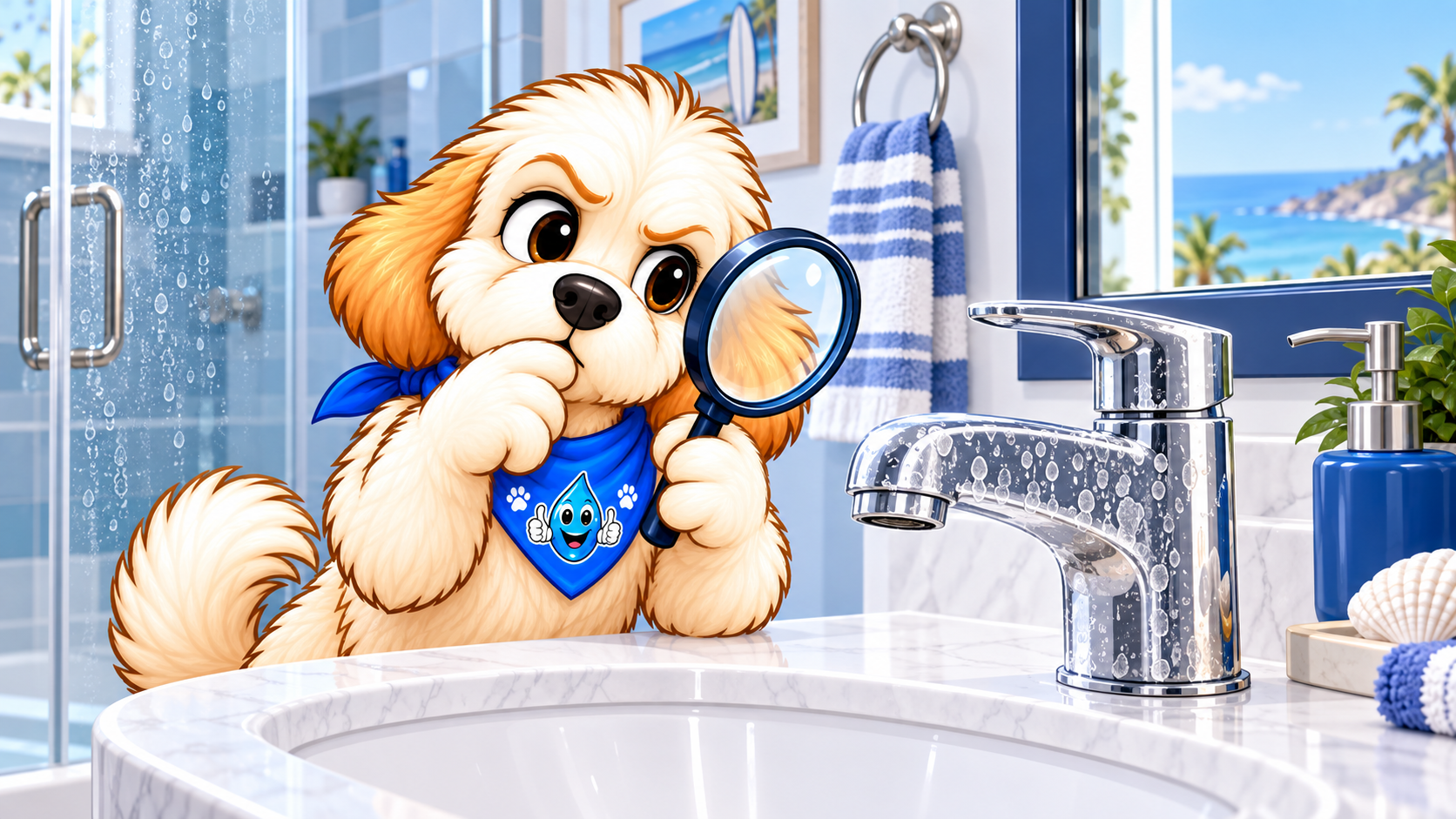
Learn why spots and scale can keep coming back and how hardness testing helps separate guessing from useful information.
Read the guide →
Moisture, unusual sounds, temperature changes and other clues that deserve a closer look.
Read the guide →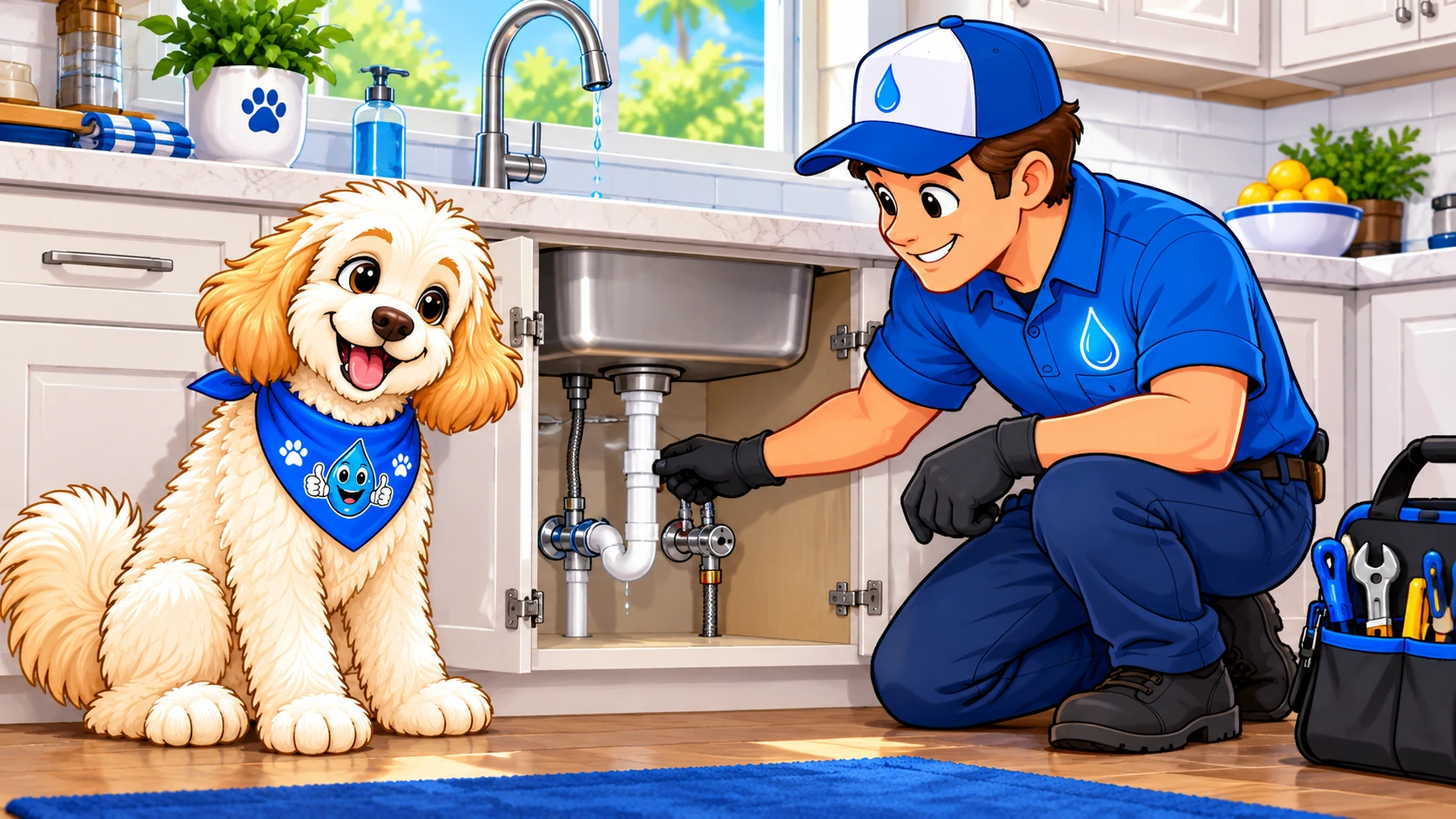
A room-by-room look at the small symptoms that can point to leaks, fixture trouble, drainage issues or pressure problems.
Read the guide →
Start with the water clues around the bathroom before blaming every frustrating hair day on a product.
Read the guide →
What recurring residue may tell you about hardness, evaporation and scale—and what treatment can and cannot do.
Read the guide →
Hardness, disinfectant residuals and other measurable characteristics can matter when choosing the right treatment approach.
Read the guide →
Pressure, hot-water delivery, fixtures, pipe flow and water quality all play different roles in how a shower feels.
Read the guide →
Define what “better” means first—taste, a specific contaminant question, cooking and ice, or a whole-house concern.
Read the guide →
A weak shower, dripping faucet, leaking connection or unreliable fixture can spoil the routine even when the source water is fine.
Read the guide →
Learn what hardness minerals can do to fixtures and appliances, the signs to watch for, and when testing or treatment makes sense.
Read the guide →
Unexplained bills, running-water sounds, damp spots and meter movement can all be clues that water is escaping somewhere you cannot see.
Read the guide →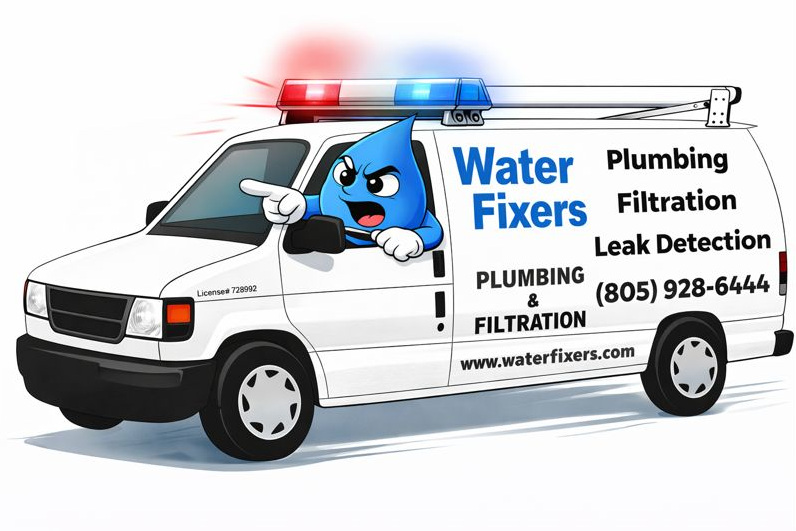
Know which plumbing problems need immediate attention, which are urgent but schedulable, and what to do while you wait for service.
Read the guide →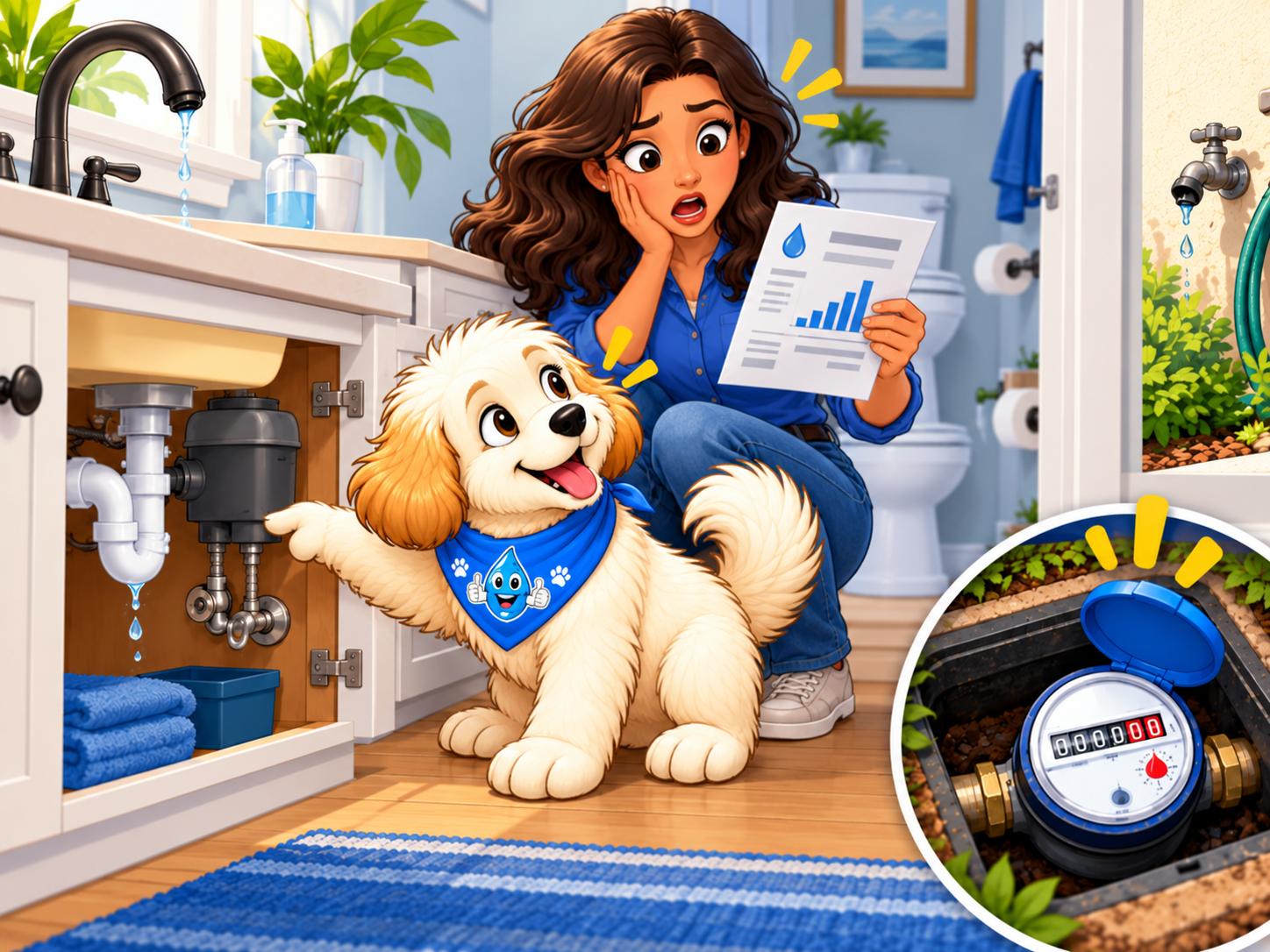
A practical leak hunt using fixtures, toilets, the water meter, smart monitoring and professional leak detection.
Read the guide →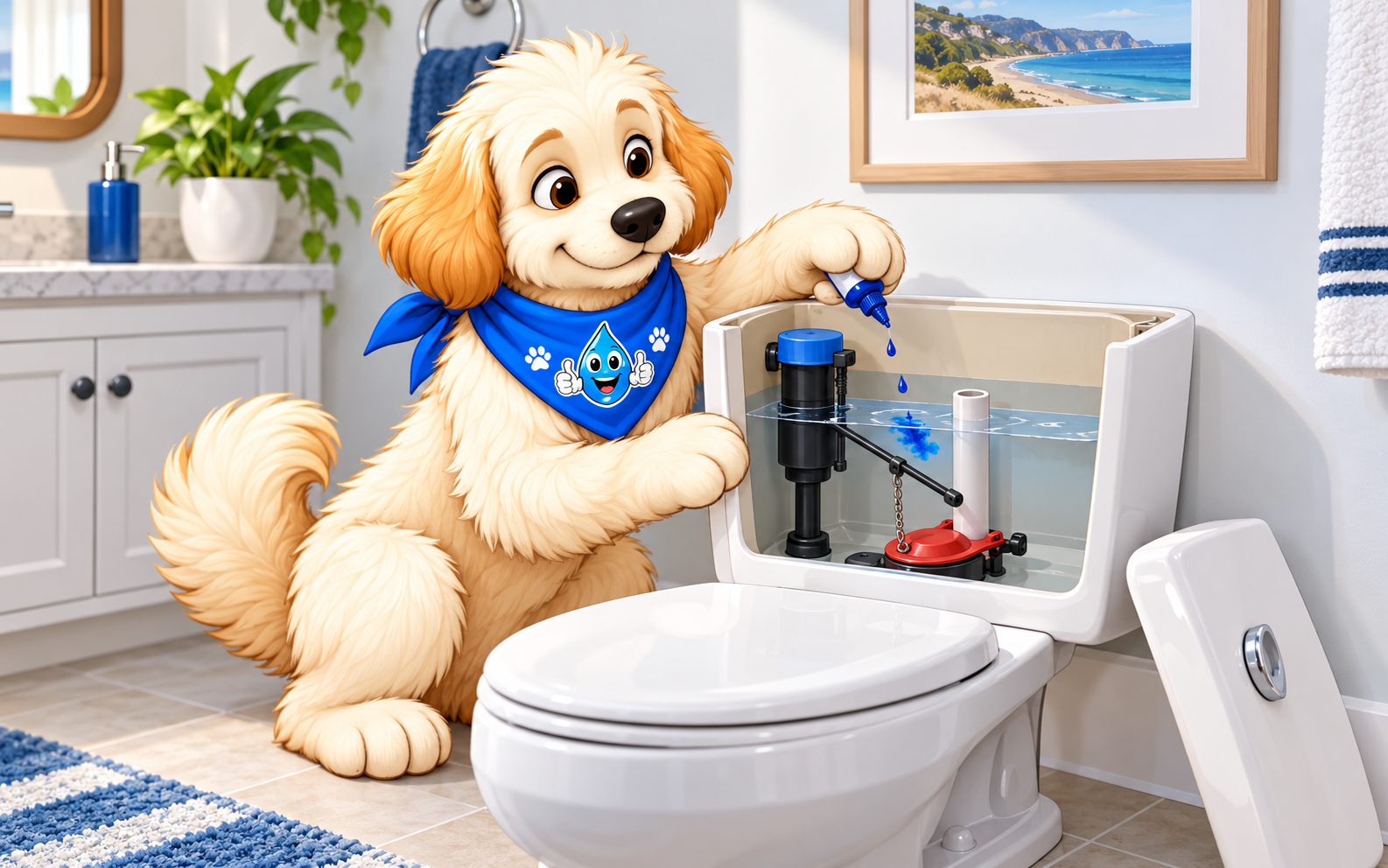
Use a simple EPA-backed dye test to find a tank-to-bowl leak you may never hear.
Read the guide →
Chlorine vs. chloramine, shower and drinking-water questions, filtration, and dermatologist-backed dry-skin routine guidance.
Read the guide →
Understand detected contaminants, standards, health context and what the report can actually tell you about your home.
Read the guide →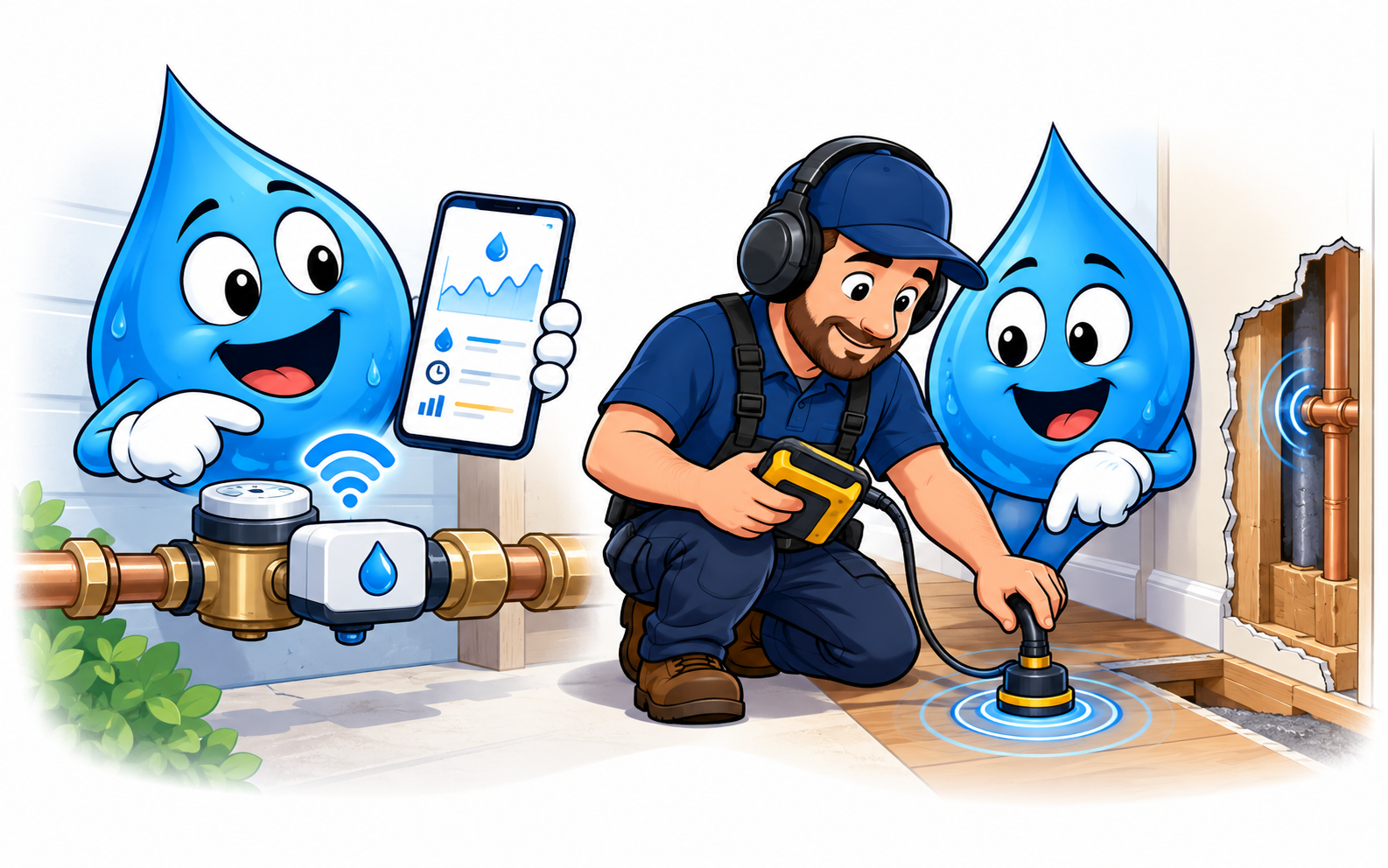
See the difference between monitoring, automatic shutoff and actually locating a hidden plumbing leak.
Read the guide →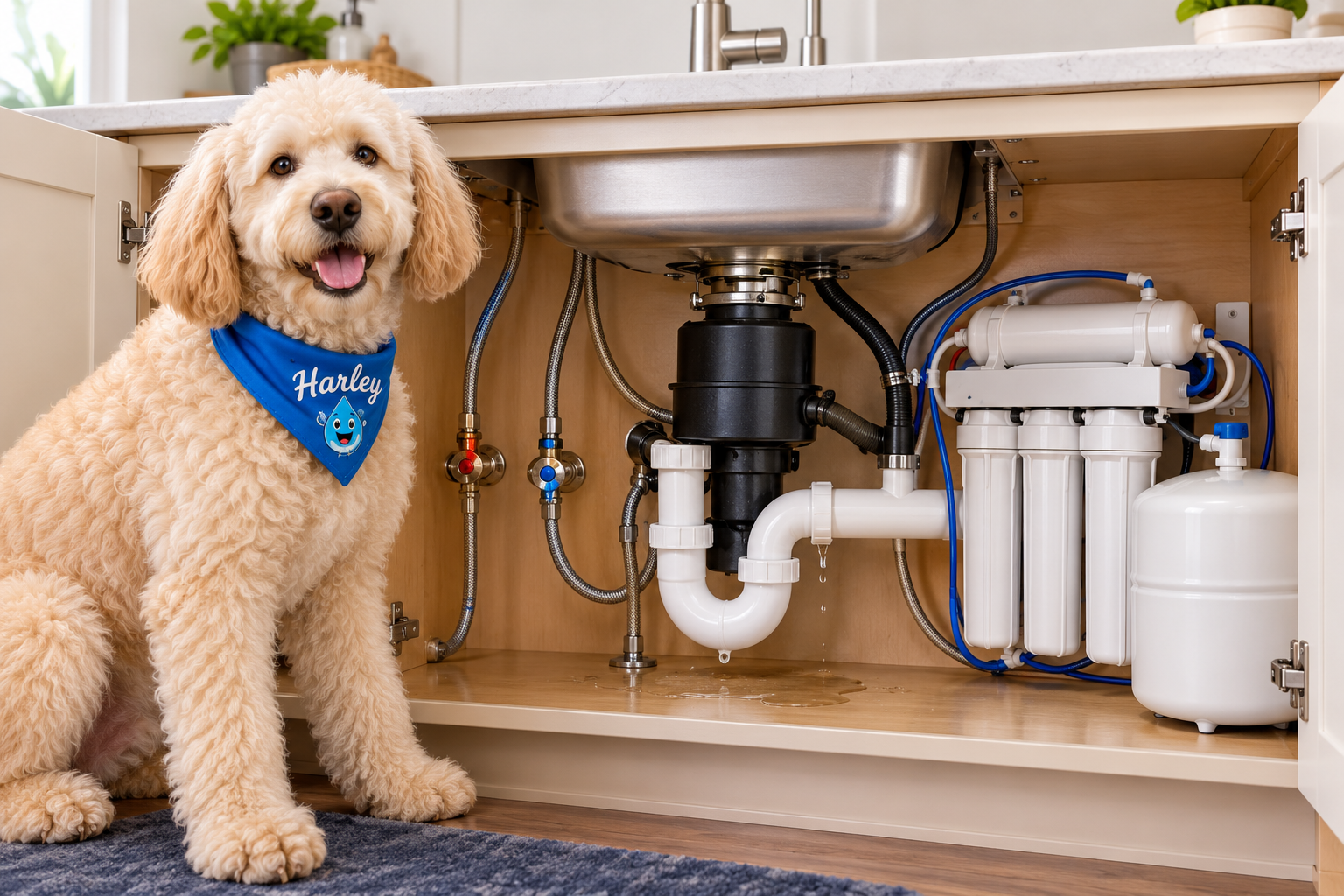
Water under a sink can come from supply plumbing, drain parts, appliance connections, or RO equipment. Harley shows what to observe safely and which service path fits next.
Read the guide →
Before you lock the door, check leaks, supply hoses, shutoffs and smart water protection—and know when blanket vacation advice does not fit your home.
Read the guide →
Your sink passed Tuesday dinner. Thanksgiving may be a different test. Heavy kitchen use can expose an existing drain restriction.
Read the guide →
Filtering and softening are different jobs. A shower filter may have a verified filtration claim, while conventional softening targets calcium and magnesium hardness.
Read the guide →
Turkey dinner is over. Before the cleanup rush, keep grease, non-food items, and oversized batches out of the disposal—and remember that grinding food is not the same as safely carrying it through the drain.
Read the guide →
Cloudiness can be surface film or damage to the glass itself.
Read the guide →
A new taste can originate in the supply, household plumbing, a particular outlet, or existing treatment equipment.
Read the guide →
Softened water can feel more slippery when washing because soap behaves differently with fewer calcium and magnesium ions.
Read the guide →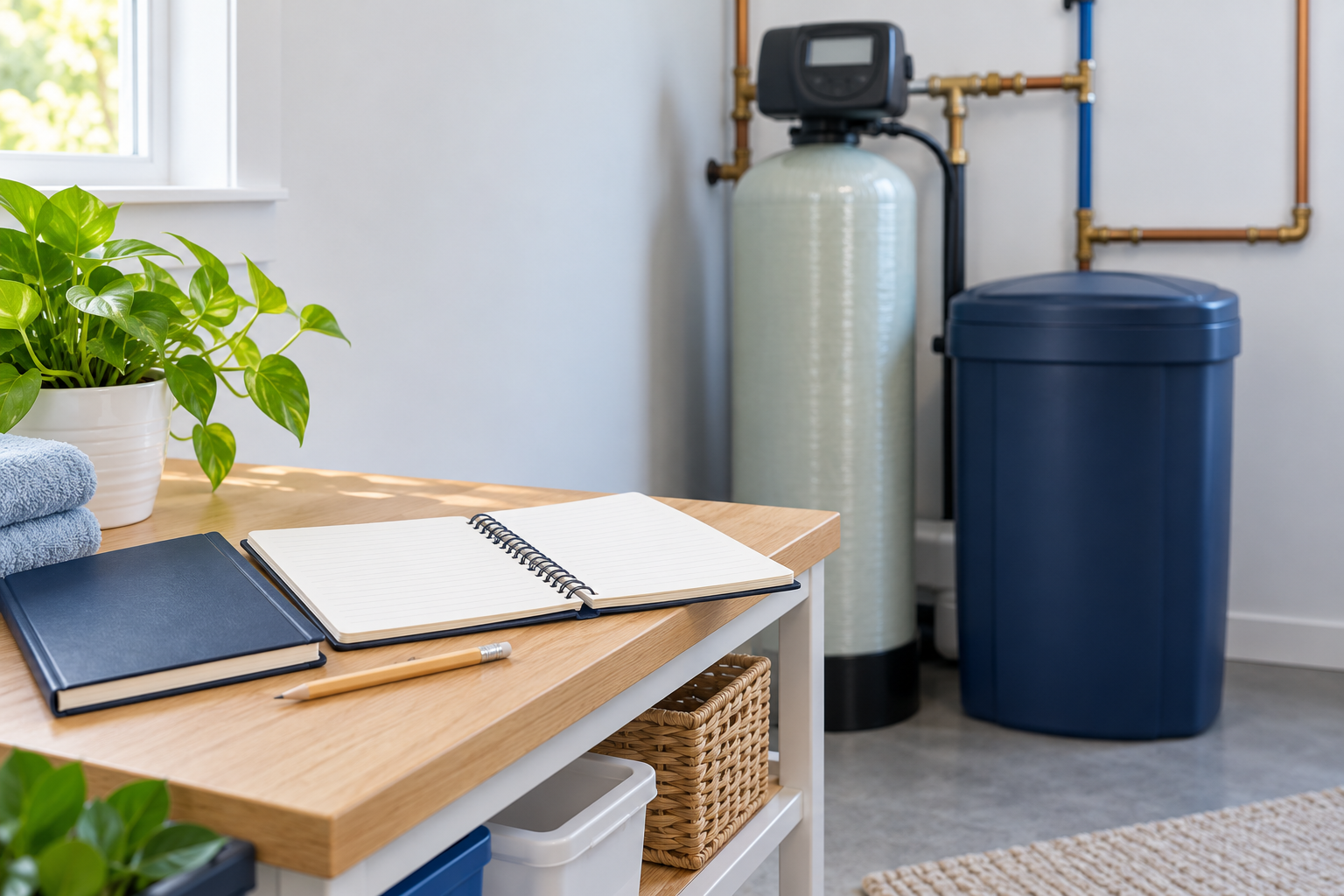
Build the planner from the installed equipment, its manuals and actual service history.
Read the guide →
Check existing symptoms, accessible plumbing and any equipment service already due.
Read the guide →
Ask what problem was measured, where the sample came from, what the proposed equipment is verified to change, and what it will require to maintain.
Read the guide →
Water near a service entry is a location, not a diagnosis.
Read the guide →
Rain can coincide with drainage trouble, but the timing does not establish the cause.
Read the guide →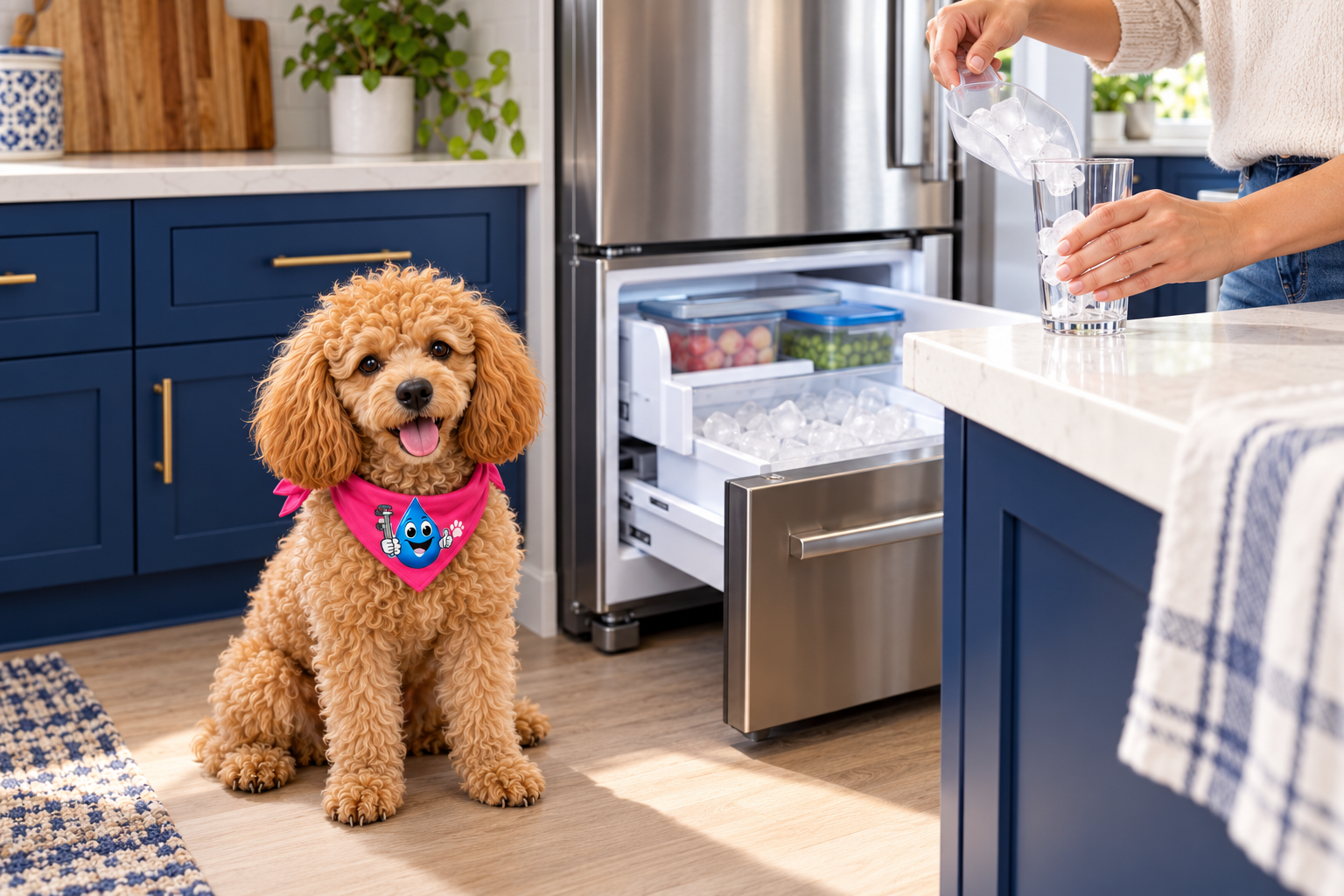
Ice has a storage and appliance path as well as a water-supply path.
Read the guide →Use the article that matches your symptom, then jump into the service or water-quality section that owns the next question.
You do not need to diagnose it yourself. Water Fixers can help determine whether the right next step is plumbing service, water testing, treatment, or simply keeping an eye on it.