ZSA ZSA BEAUTY TIP • HAIR + HARD WATER
Is Hard Water Messing With Your Hair?
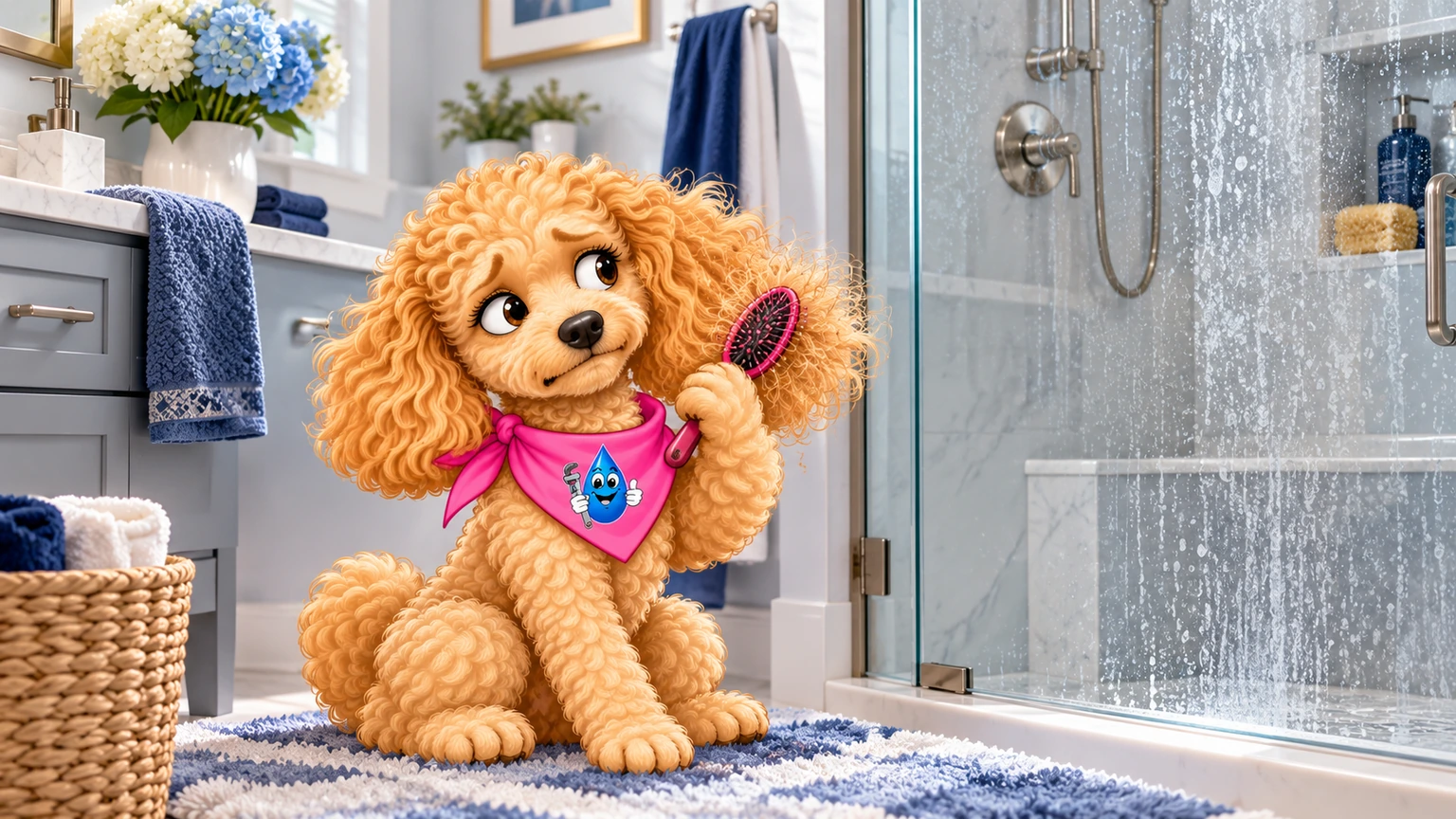
If your shampoo suddenly seems less cooperative, your shower glass is spotting and scale is collecting around fixtures, Zsa Zsa has one request: stop blaming the conditioner before you check the water. Hardness minerals can change how soap behaves and leave deposits around the home, but hair alone cannot diagnose water hardness.
ZSA ZSA’S QUICK TAKE
The Short Answer
Hard water contains dissolved calcium and magnesium. Those minerals can contribute to scale, spotting and soap residue. They may also change the way shampoo lathers or rinses. A hair complaint by itself does not prove hard water; a hardness test gives you an actual number.
What does hard water actually mean?
Water hardness is primarily a measurement of dissolved calcium and magnesium. The useful question is not whether water “feels hard,” but how much hardness is present and whether it matches the problems you see around the property. White mineral deposits, recurring spots and reduced soap performance are common clues—not a complete diagnosis.
Why can shampoo behave differently in hard water?
Hardness minerals can react with soaps and contribute to residue. That can make cleaning products seem less efficient and can change the rinse feel. Product choice, hair type, styling products and many other factors matter too, so the water should be treated as one possible part of the routine rather than the explanation for every hair concern.
What should I look for around the bathroom?
Look beyond the mirror. Repeated white spotting on glass, chalky deposits at faucets, scale at the showerhead and soap-scum buildup are more useful water clues than hair appearance alone. If several of those signs show up together, a hardness measurement is a sensible next step.
When does a water softener make sense?
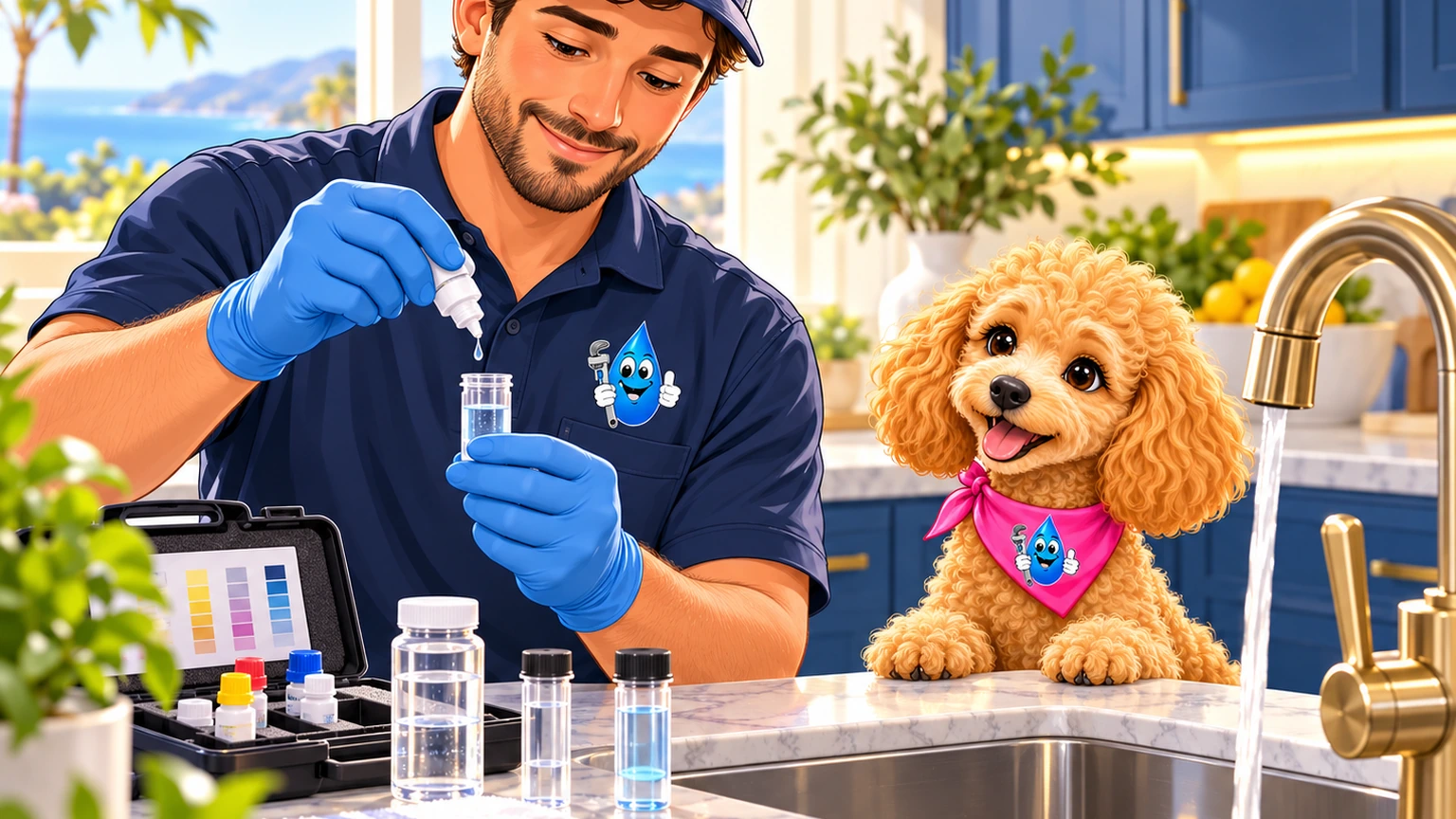
A conventional ion-exchange softener is designed for hardness. It is not a universal filter and it should not be sold as a cure for every hair, skin, taste or odor complaint. Water Fixers can test hardness, review the plumbing and existing treatment, and then determine whether softening fits the actual problem.
USE THE RIGHT WATER FIXERS PATH
Related Water Fixers Help
Hard Water Guide
Continue with the Water Fixers page that owns this service or treatment question.
Water Testing
Continue with the Water Fixers page that owns this service or treatment question.
Water Softeners
Continue with the Water Fixers page that owns this service or treatment question.
Water Softener Services
Continue with the Water Fixers page that owns this service or treatment question.
INDEPENDENT REFERENCE
Want the Technical Source?
These independent references are useful for the underlying water-science or treatment standard. Water Fixers links to them for context, not as a substitute for property-specific testing or service.
DIRECT ANSWERS
Zsa Zsa’s FAQ
Short answers first, with the important technical limits kept intact.
Can hard water damage hair?
Hard water can leave mineral residue and change how soap or shampoo behaves, but hair symptoms alone do not prove hardness or identify the cause of a hair concern. Test the water if hardness is suspected.
How do I know if my shower water is hard?
Common clues include white scale, spotting and soap residue. A hardness test is the direct way to measure the condition.
Will a shower filter soften hard water?
Most shower filters are not conventional ion-exchange water softeners. Check the product’s documented treatment claim instead of assuming every filter removes hardness.
Should I test before buying a water softener?
Yes when the hardness level is unknown. Testing helps confirm the treatment target and supports correct system selection and sizing.
Keep Going With Zsa Zsa
THE HUMANS HANDLE THE PLUMBING
Need Water Testing, Treatment or Plumbing Help?
Tell Water Fixers what you are noticing and where it shows up. The team can route the issue toward testing, filtration, softening, RO, fixture service or another plumbing path without asking you to diagnose it first.