Pumps & Pressure Systems
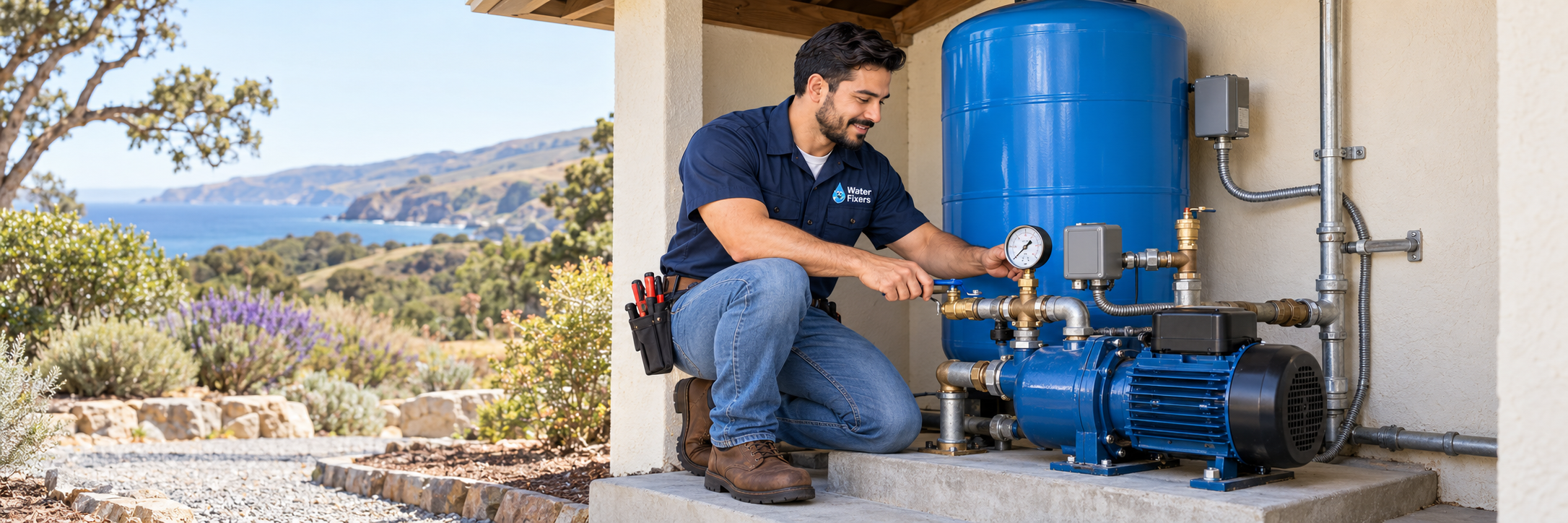
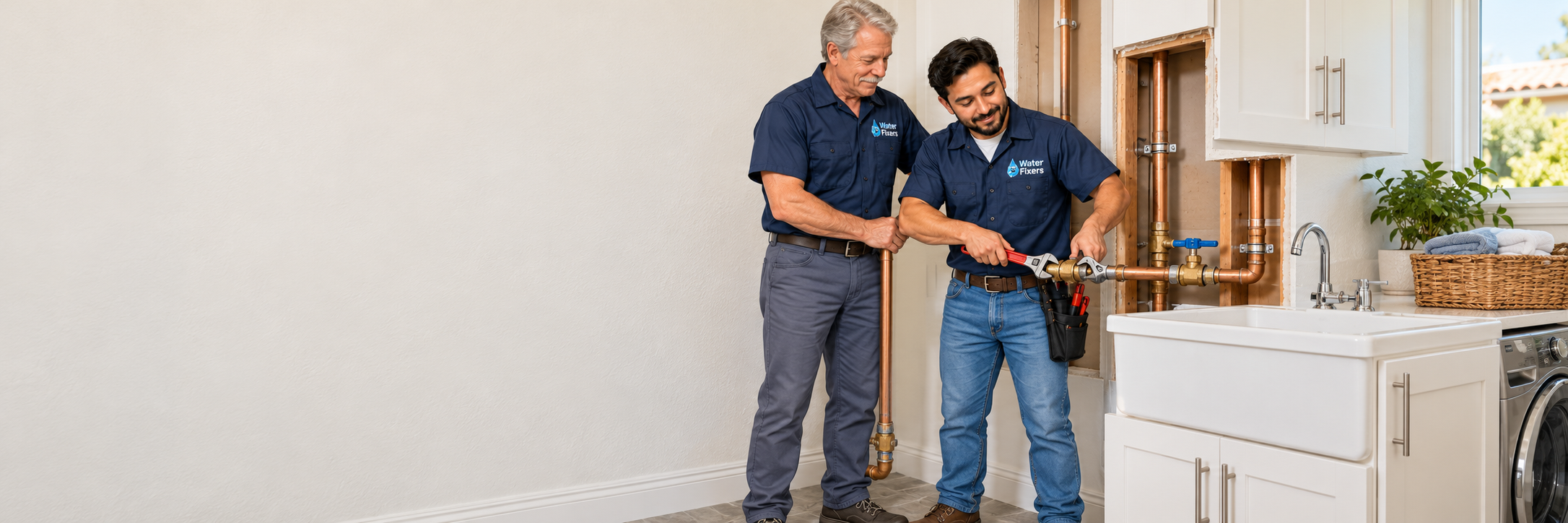
Pump and pressure system diagnosis, repairs and service to keep water moving reliably through your home.
Plumbing Services
Local plumbing repairs, fixture updates and water line service to keep your home running smoothly every day.
Leak Detection
Help locating hidden leaks and unexplained water use, with clear guidance on the next steps for your home.
Drains & Sewer
Drain cleaning and sewer camera inspections to find the cause of stubborn clogs, slow drains and backups.
Gas Line Services
Gas line installation, repairs and appliance connections, with careful attention to your home’s plumbing needs.
Water Heater Services
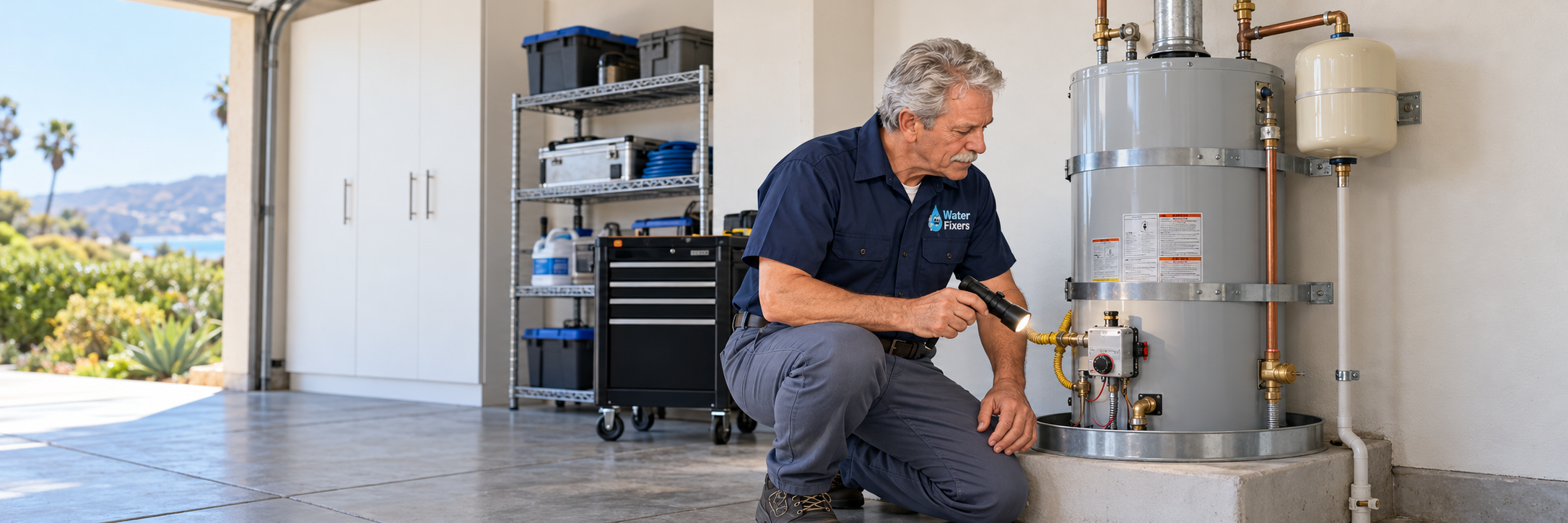
Tank and tankless water heater repairs, replacement and maintenance to keep hot water ready for daily use.
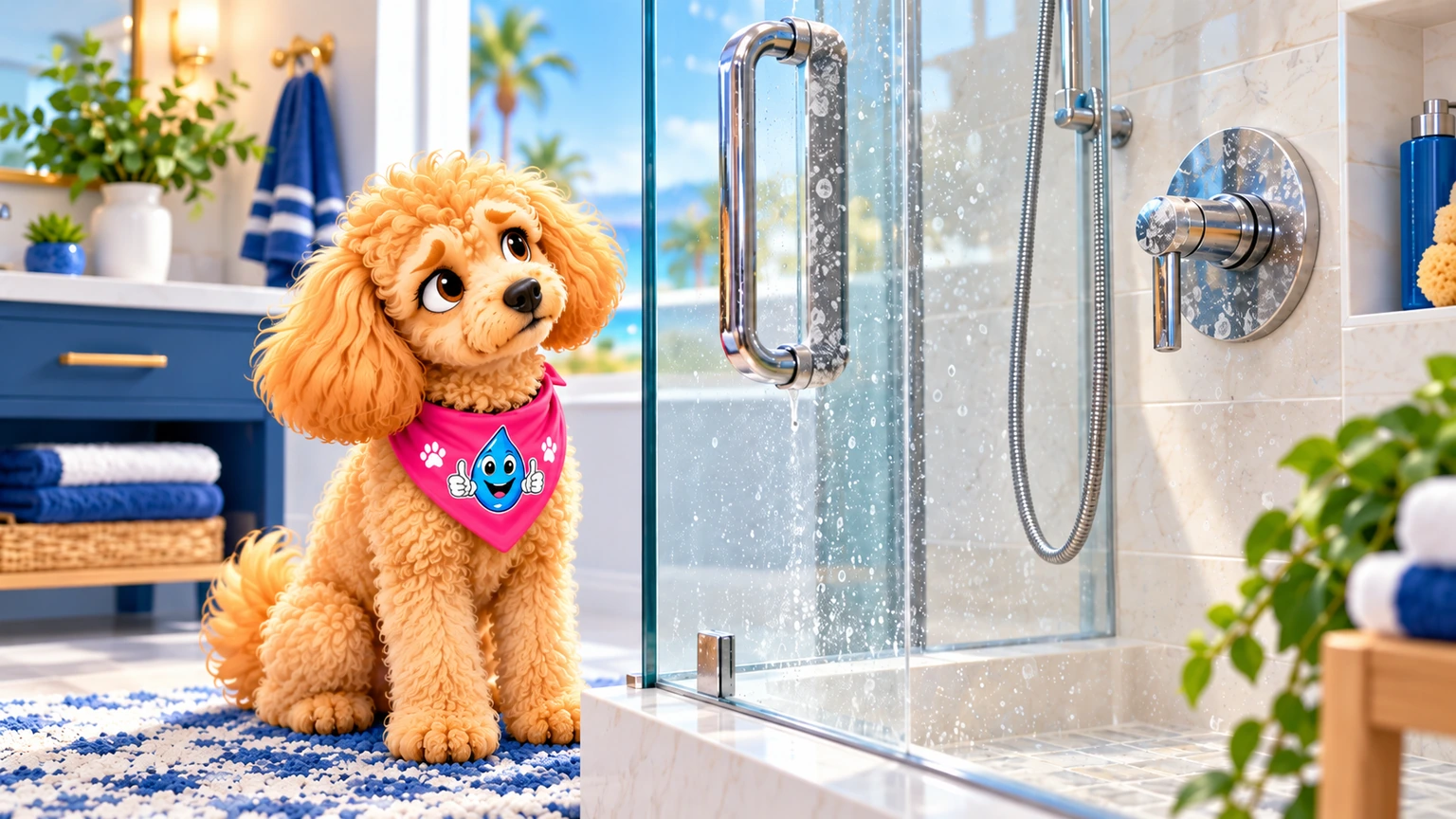
ZSA ZSA BEAUTY TIP • SHOWER SPOTS + SCALE
If you clean the shower glass and the white spots come right back, Zsa Zsa would like the record to show that she did not make them. Evaporation can leave dissolved minerals behind, and recurring scale is one of the more useful clues that hardness may be part of the problem.
ZSA ZSA’S QUICK TAKE
White spots are commonly mineral residue left after water evaporates. They often occur with hard water, but a spot does not measure hardness and it does not identify every dissolved substance in the water. Use the pattern as a clue, then test if treatment is being considered.
Water can carry dissolved minerals. When droplets evaporate, some dissolved material can remain on the surface. On glass, chrome and dark fixtures, that residue is especially easy to see.
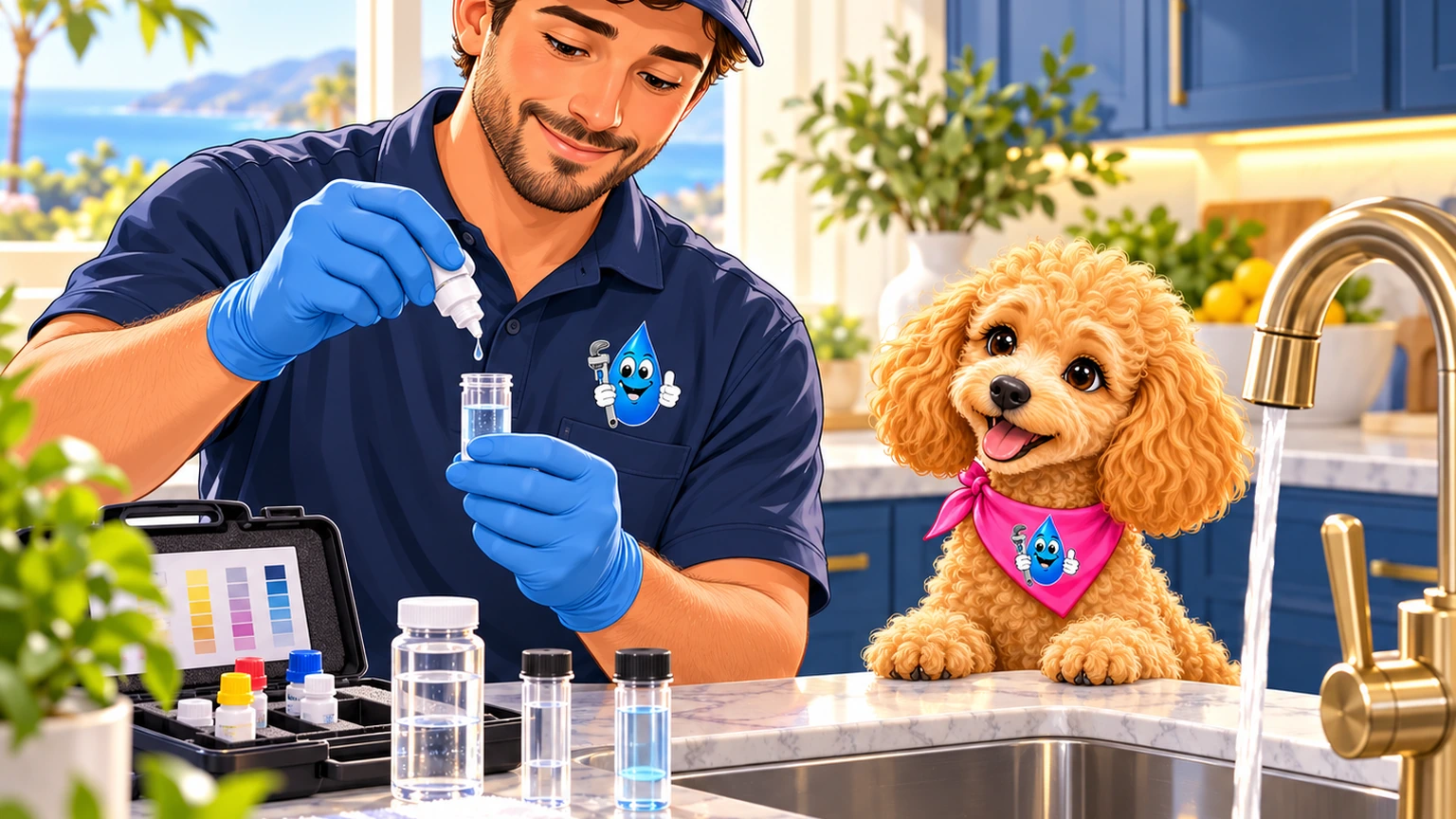
Hardness is a common cause of scale and spotting, but appearance alone is not a laboratory result. Cleaning products, existing scale, source water and other dissolved material can affect what you see. If the treatment decision matters, measure the water.
Mineral scale can collect where water repeatedly evaporates or flows through small openings. That can make a showerhead look clogged or uneven. If the fixture itself is damaged or flow is poor, fixture service may also be relevant.
If testing confirms hardness and the goal is to reduce hardness throughout the home, softening is the treatment category to evaluate. Under-sink reverse osmosis treats dedicated drinking water and is not a whole-house softener.
USE THE RIGHT WATER FIXERS PATH
Continue with the Water Fixers page that owns this service or treatment question.
INDEPENDENT REFERENCE
These independent references are useful for the underlying water-science or treatment standard. Water Fixers links to them for context, not as a substitute for property-specific testing or service.
DIRECT ANSWERS
Short answers first, with the important technical limits kept intact.
They are a common hardness clue, especially when scale also appears on faucets and showerheads. Testing confirms the actual hardness level.
No. The amount and appearance of spotting are not a reliable hardness measurement.
Not every whole-house filter removes hardness. Softening and filtration are different treatment jobs.
Yes. Water Fixers offers water testing and can route a confirmed hardness problem toward the appropriate softener path.
THE HUMANS HANDLE THE PLUMBING
Tell Water Fixers what you are noticing and where it shows up. The team can route the issue toward testing, filtration, softening, RO, fixture service or another plumbing path without asking you to diagnose it first.