
WATER SOFTENERS • CALIFORNIA’S CENTRAL COAST
Hard water can leave scale on fixtures, spots on glassware, soap residue and mineral buildup throughout a home. Water Fixers helps homeowners test the water, evaluate existing equipment and choose a softener that fits the hardness, household water use, plumbing layout, service access and treatment goals.
Installation • replacement • repair • maintenance • License #719792
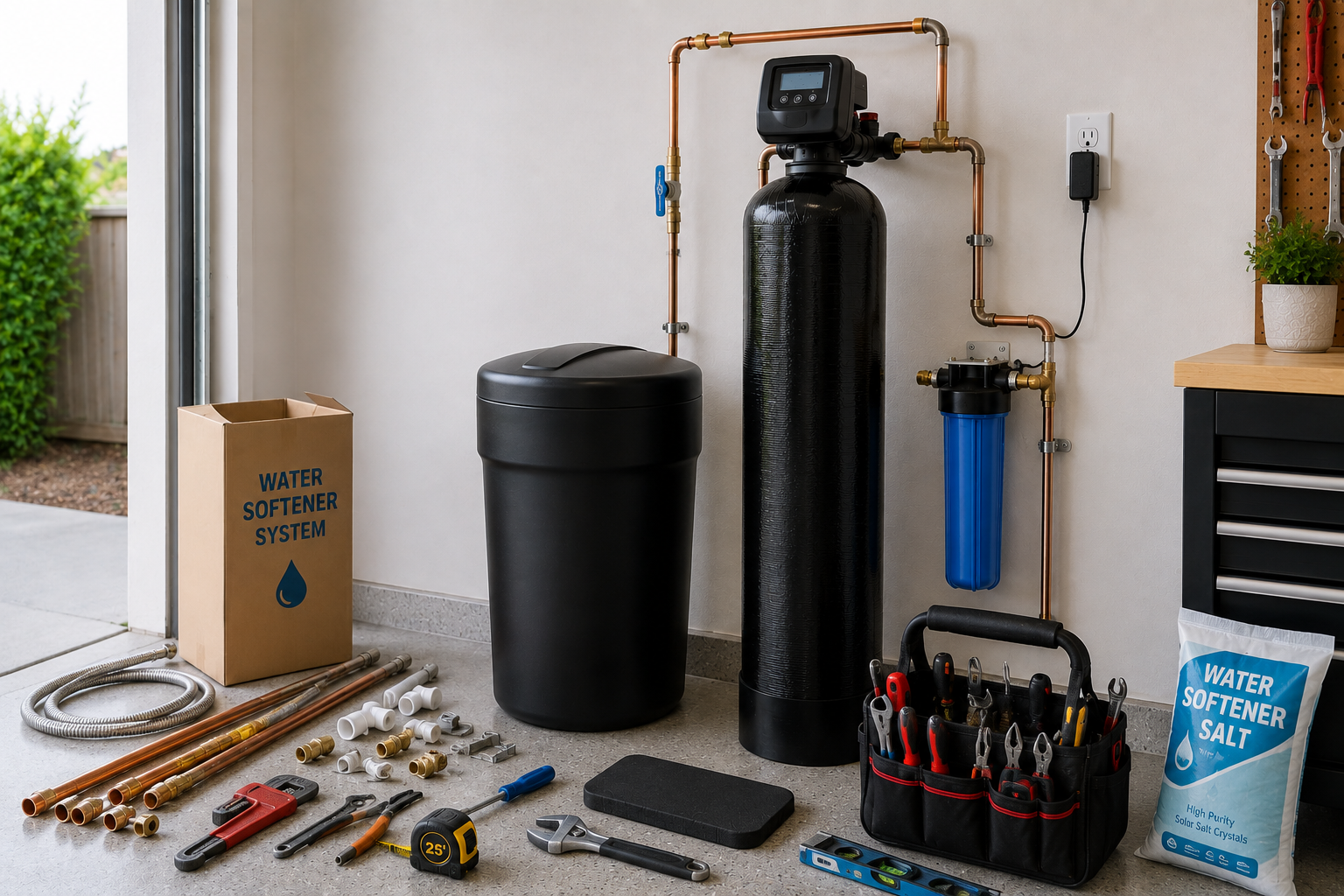
A water softener is designed primarily to address hardness minerals that cause scale and spotting. It is not automatically the right answer for chlorine taste, sediment, unusual odor, drinking-water contaminants or every well-water concern. That is why Water Fixers connects softener selection with water testing and the rest of the home’s treatment system.
Water Fixers installs and services five residential softener models. Compare their published typical fit, capacity, flow and configuration, then confirm final sizing from the actual hardness, household demand, simultaneous flow, plumbing and available installation space.
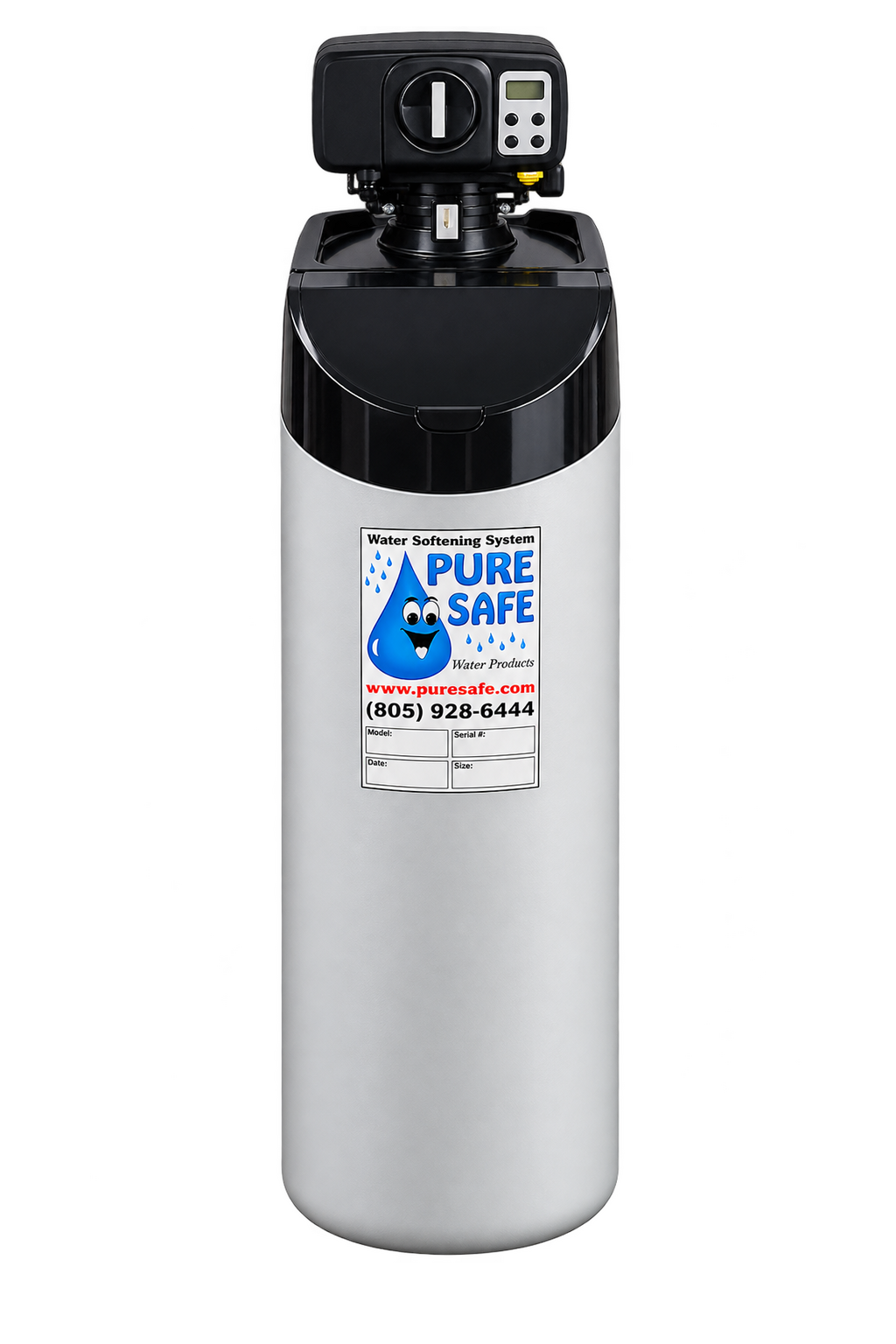
Entry-level all-in-one cabinet softener for smaller homes and lighter demand.
Key fit: Import manufactured • Cabinet model all-in-one • Mechanical/electronic hybrid control valve • Fixed-cycle programming • Typical home under 1,400 sq. ft. • Typical family 1–3 people • 18,000-grain capacity • 5 gpm nominal / 8 gpm peak flow.
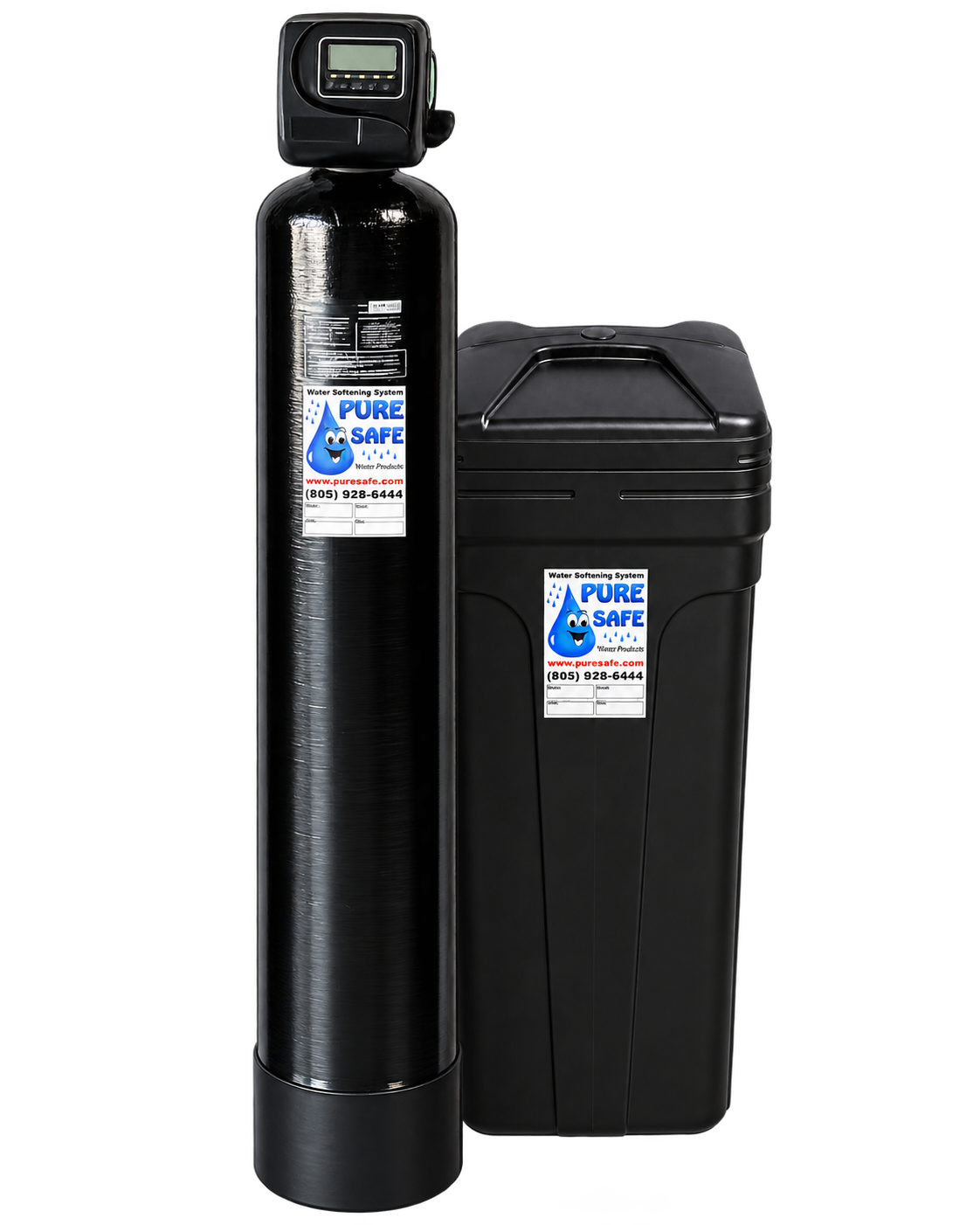
USA-manufactured two-tank system for small-to-mid-size homes needing dependable hardness reduction.
Key fit: USA manufactured • Two-tank system • Electronic control valve • Fixed-cycle programming • Typical home under 1,800 sq. ft. • Typical family 1–4 people • 24,000-grain capacity • 7 gpm nominal / 10 gpm peak flow.
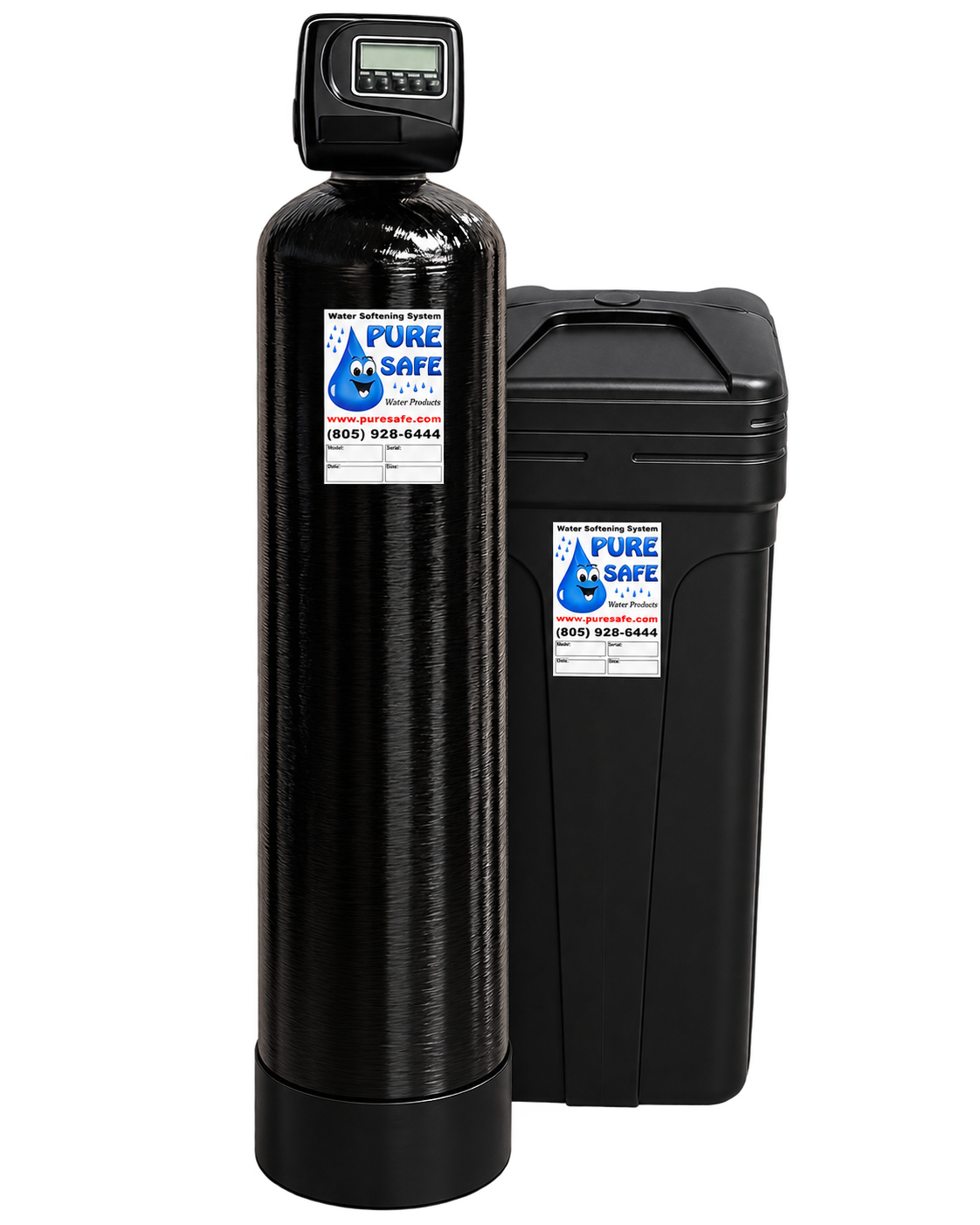
Higher-capacity USA-manufactured two-tank softener for larger household demand.
Key fit: USA manufactured • Two-tank system • Electronic control valve • Fixed-cycle programming with water-saving factors • Typical home under 2,400 sq. ft. • Typical family 1–4 people • 36,000-grain capacity • 10 gpm nominal / 14 gpm peak flow.
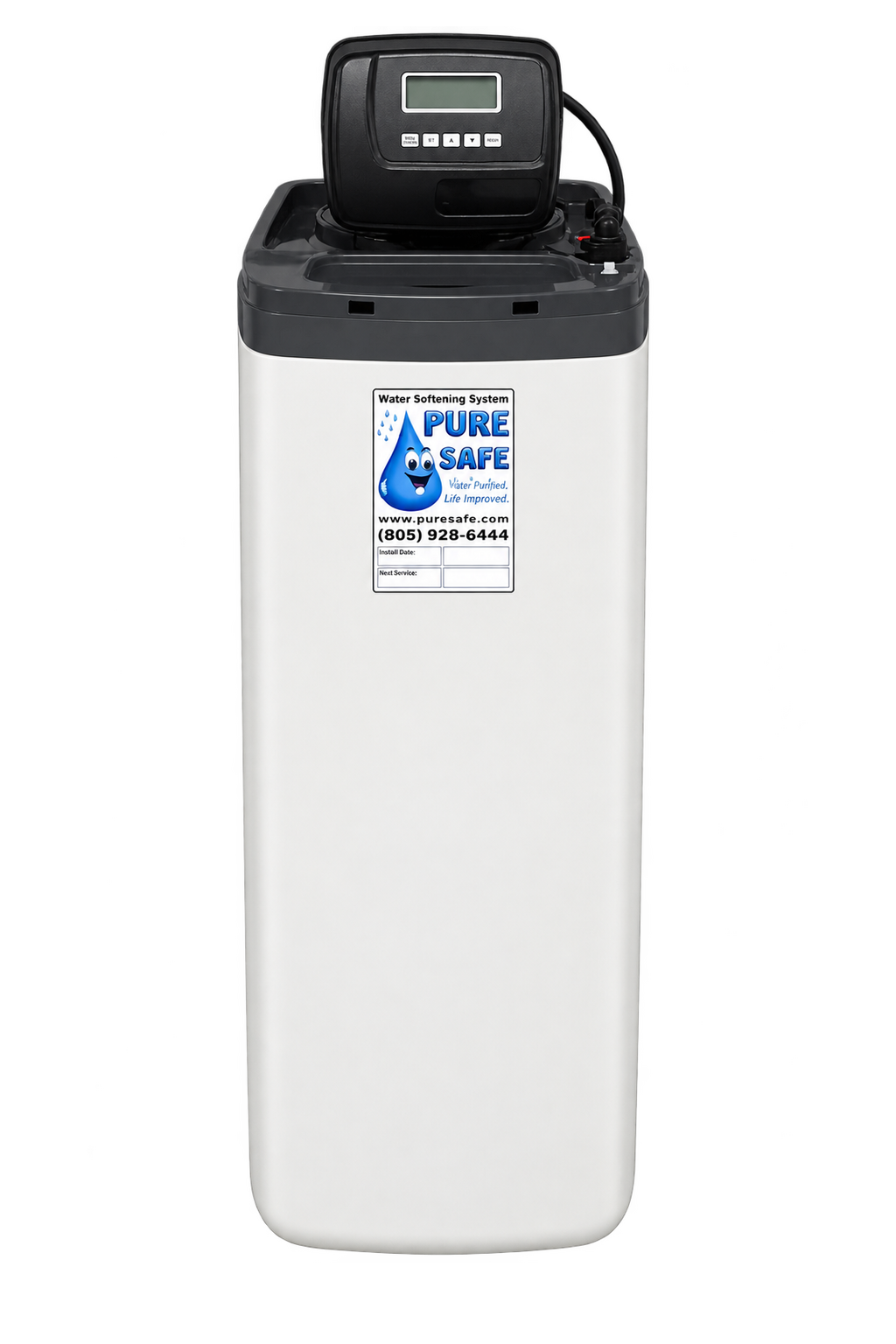
High-efficiency all-in-one cabinet model with adjustable multi-cycle programming and up-flow regeneration.
Key fit: USA manufactured • Cabinet model all-in-one • Electronic control valve • Adjustable multi-cycle programming • Proportional salt brining • Variable reserve capacity • Typical home under 2,500 sq. ft. • Typical family 1–4 people • 36,000-grain capacity at 6 lbs. salt regenerate • 12 gpm nominal / 15 gpm peak flow.
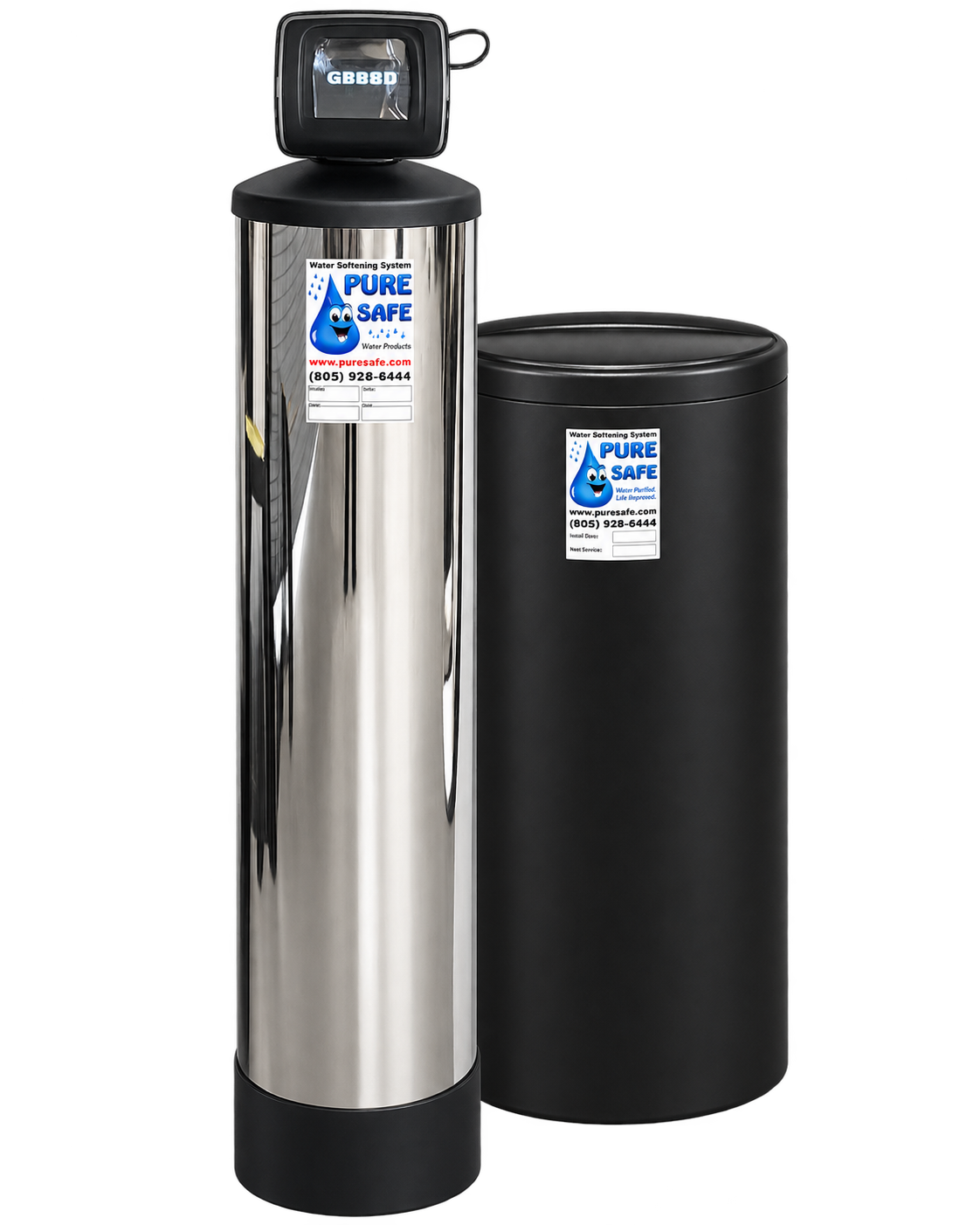
Largest-capacity Water Fixers softener in this lineup for bigger homes and higher household demand.
Key fit: USA manufactured • Two-tank system • Electronic control valve • Adjustable multi-cycle programming • Proportional salt brining • Variable reserve capacity • Typical home under 3,500 sq. ft. • Typical family 1–6 people • 48,000-grain capacity at 6 lbs. salt regenerate • 14 gpm nominal / 18 gpm peak flow.
Sizing note: The figures above are published Water Fixers specifications. Home-size and household ranges are starting guidance—not guarantees. Final selection should account for measured hardness, water use, peak demand, plumbing and installation conditions.
Watch our water-softener commercial and explore water-softening options for Central Coast homes.
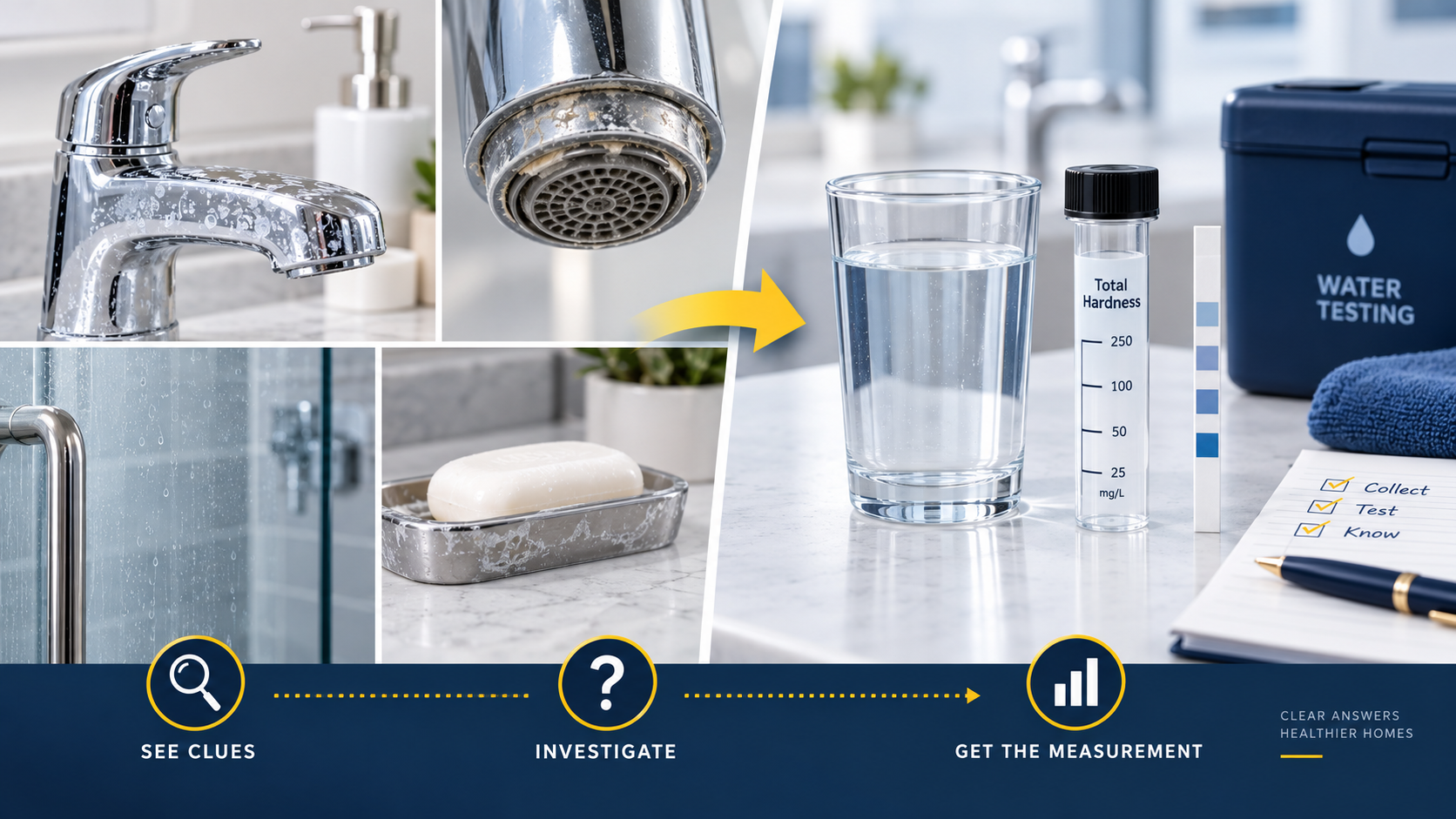
DIAGNOSE BEFORE EQUIPMENT
White scale, spotting, soap that does not rinse well and hard water returning after an older softener stops performing are useful clues. But system selection should still account for measured hardness, household demand, plumbing setup, existing filtration and the condition of any current softener.
Test the relevant water conditions instead of choosing equipment from scale alone.
Household demand, hardness load and flow requirements affect the appropriate setup.
Bypass, drain, shutoffs, pressure, installation location and service clearance all matter.
Salt access, regeneration, maintenance and future repairs should be practical after installation.
INSTALLATION QUALITY
The installation should leave usable access to the bypass, controls, brine tank, drain connection and surrounding plumbing. Water Fixers also looks at incoming pressure, shutoffs and how the softener fits with water heaters, reverse osmosis and whole-house filtration.
Compare Water Fixers systems when an old unit is inefficient, repeatedly failing or no longer worth repairing.
Hard water returning, leaks, valve problems, salt issues and regeneration trouble may be repairable.
Salt level, settings, regeneration, brine tank condition, resin and service history affect performance.
CHOOSE YOUR NEXT STEP
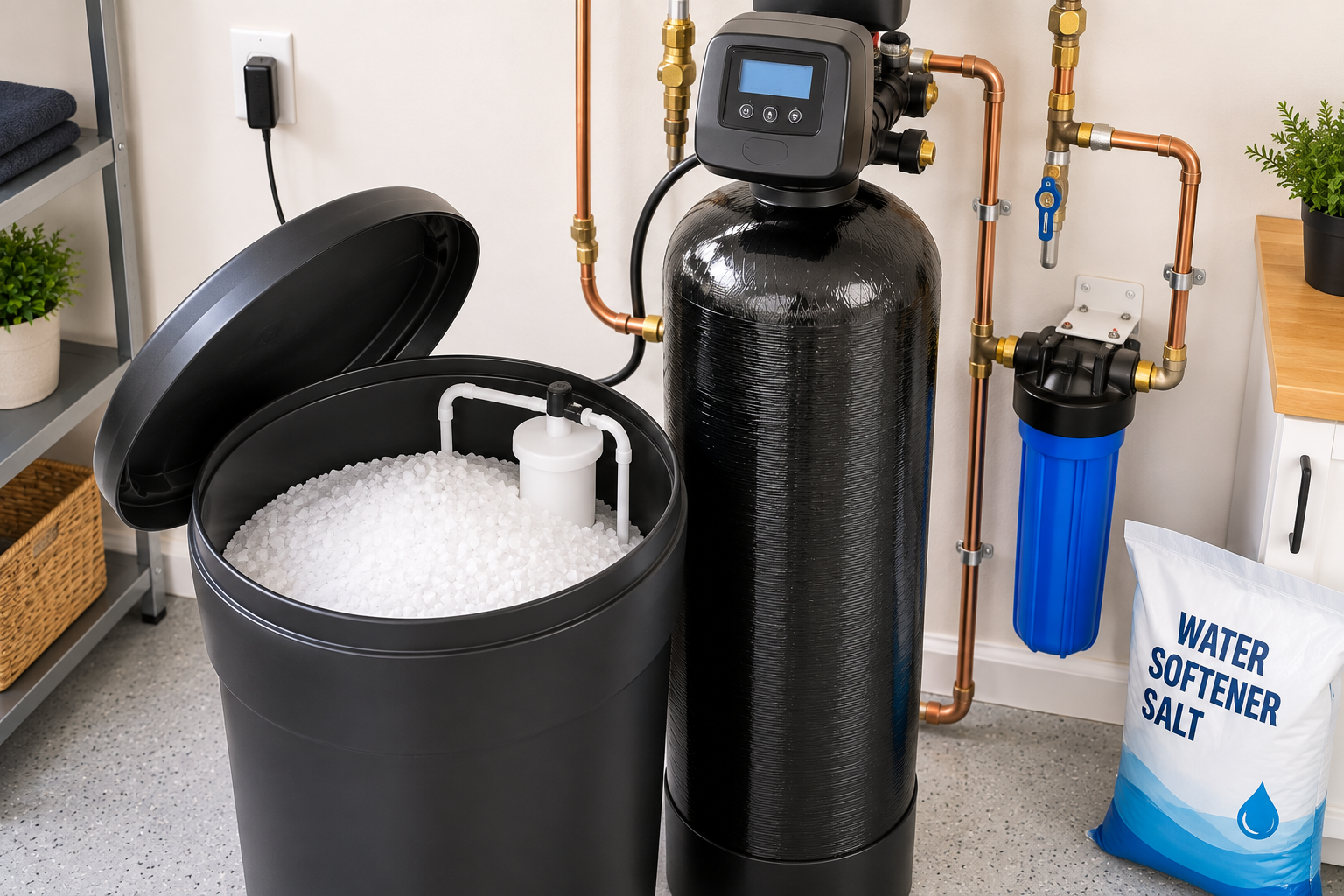
This page helps you understand what a softener does and compare the five Water Fixers models. For a new installation or replacement, use Water Softener Services or Installation & Replacement. For an existing unit that is leaking, not regenerating, not using salt or letting hard water return, use the dedicated repair page. Routine upkeep has its own maintenance page.
If you are deciding what to do with an existing unit, read our repair or replace a water softener guide.
Softening targets hardness. Whole-house filtration can target other water-quality goals such as sediment, chlorine-related taste/odor or other identified conditions. Some properties need one, some need both, and some need a different treatment path entirely.
A water softener treats hardness throughout the home. A reverse-osmosis system does a different job: it treats water at a dedicated drinking-water faucet for drinking, cooking, coffee and ice. Some homes use both systems because they solve different treatment goals.
Water Fixers helps homeowners in Santa Maria, Orcutt, Nipomo, Arroyo Grande, Grover Beach, Pismo Beach, San Luis Obispo, Lompoc, Santa Ynez, Solvang, Buellton, Guadalupe, Paso Robles and nearby Central Coast communities with hard-water diagnosis, softener service and replacement planning.
For the base-area service pathway, see water-softener services for Vandenberg SFB.

Hard water returned, salt use changed, the brine tank looks wrong, or the softener is leaking or not regenerating? Water Fixers can evaluate many existing water-softener brands across California’s Central Coast—even when the system was installed by someone else.
We diagnose the controls, valve, brine system, resin performance and surrounding plumbing before recommending repair, maintenance or replacement.
Direct answers for homeowners comparing softeners, troubleshooting an existing system or deciding whether hardness treatment is the right next step.
Tell Water Fixers what your water is doing, whether you already have a softener and what you want to improve. We can help test, diagnose, compare systems and plan the right next step.
Water Fixers Plumbing & Filtration • California’s Central Coast • License #719792
CALL NOW! Se Habla Español!