
If your property uses a private well, begin by confirming the source, documenting the concern and testing the water. Staining, odor, sediment, scale, pressure changes—or water that looks perfectly clear—can point to very different questions.
Equipment comes after the evidence. Need the broader navigation hub? Visit the Well Water directory.
38+ Years on the Central Coast • Plumbing + Filtration • California License #719792

Use the symptom to choose what to investigate—not to choose a filter. A stain, odor, particle or pressure change can narrow the next step, but it cannot prove the cause by itself.
Staining and scale may involve hardness, iron, manganese, corrosion or sediment. Color alone is not a diagnosis.
Odor can come from the source, plumbing, sulfur bacteria or a water heater. Trace where it occurs before choosing treatment.
Particles can come from the well, recent plumbing work, a worn component or existing treatment equipment. Filtration should follow the cause.
Low flow can involve loaded cartridges, restricted valves, plumbing, pressure equipment or source/pump issues. Start with plumbing-side diagnosis and use the right specialist when needed.
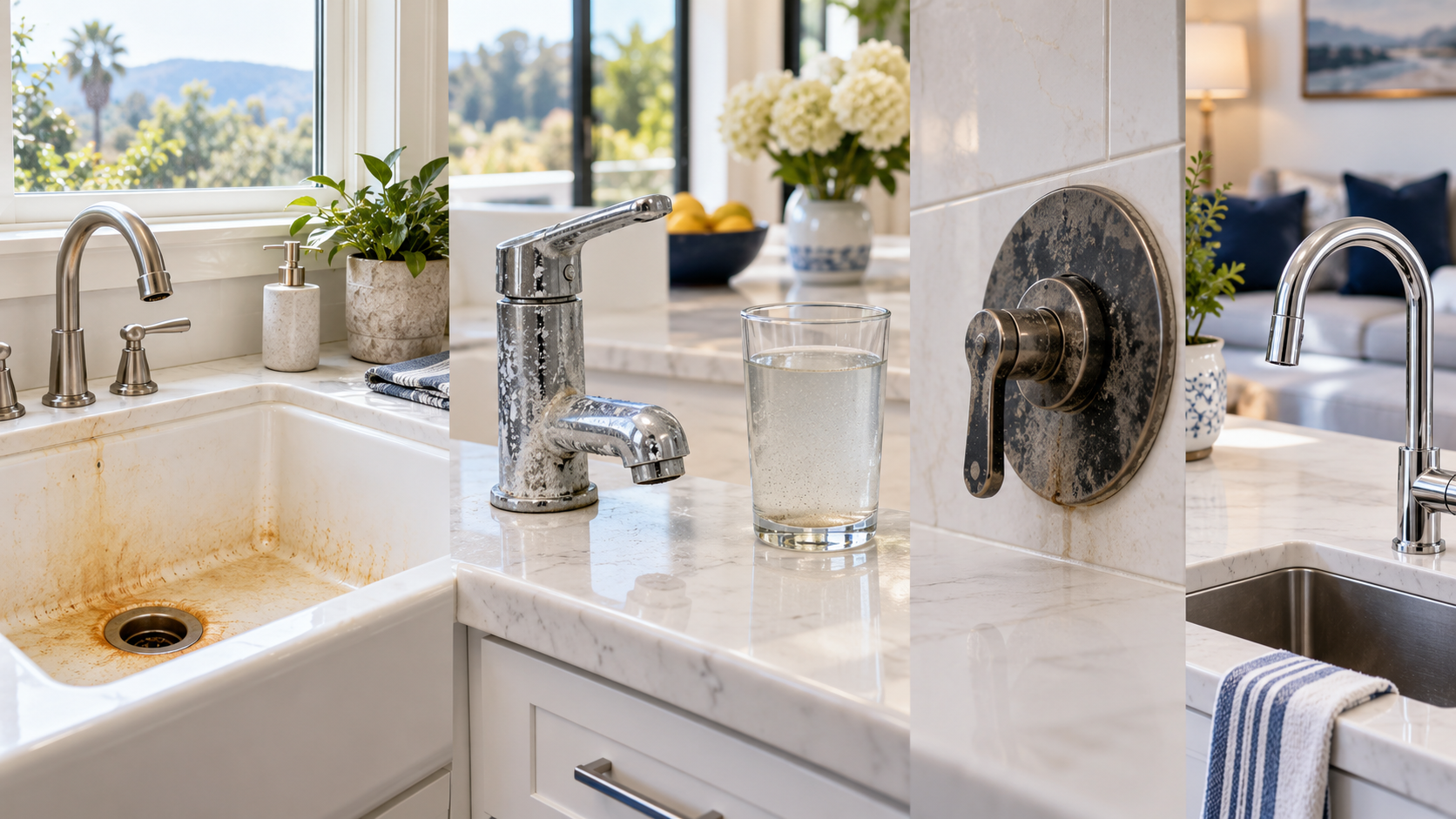
Symptoms help choose what to investigate; they do not diagnose the water. Orange, black or white deposits can have more than one cause. Nitrate, arsenic and bacteria may have no dependable visible sign at all, and clear-looking water does not prove safety.
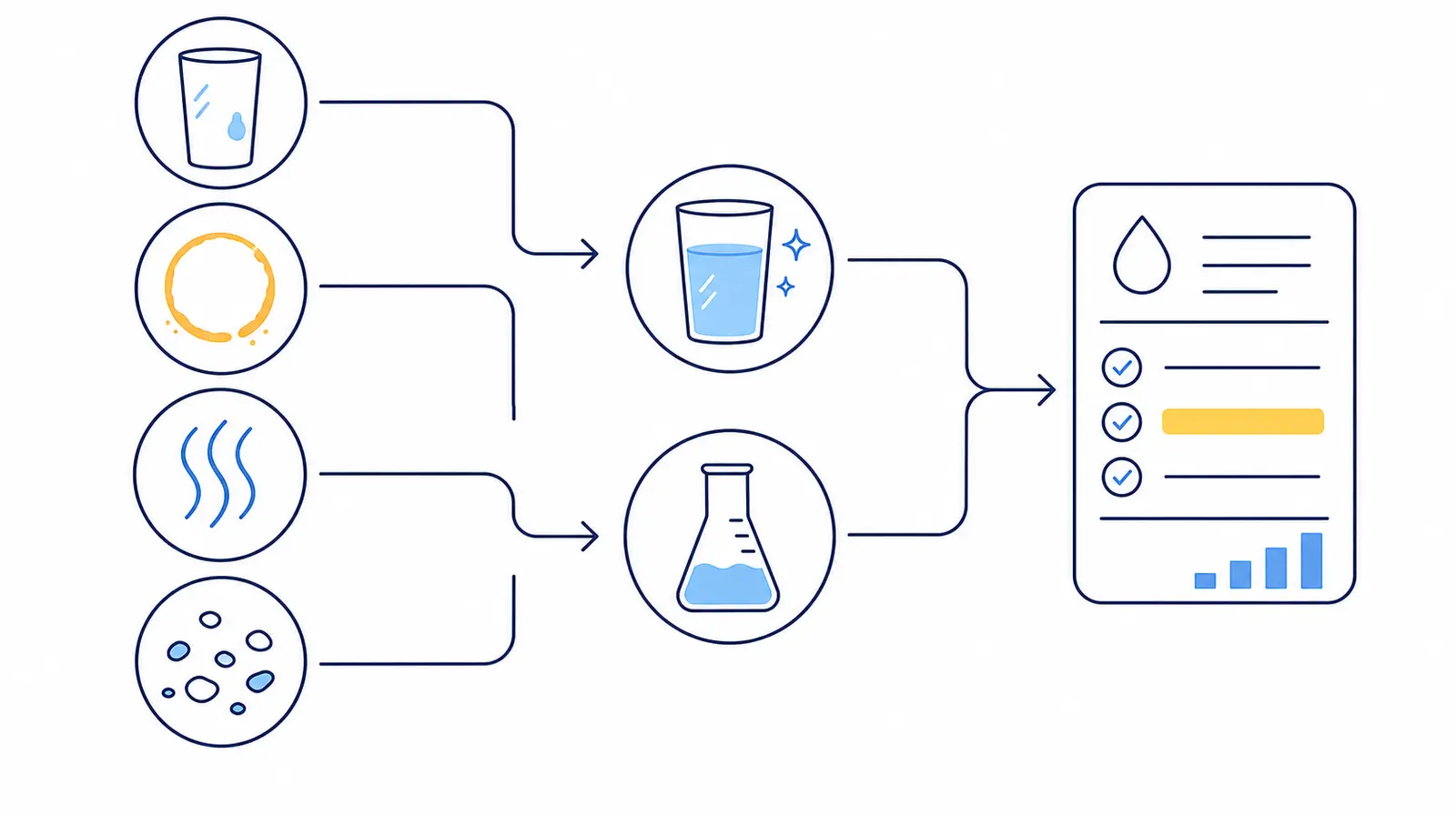
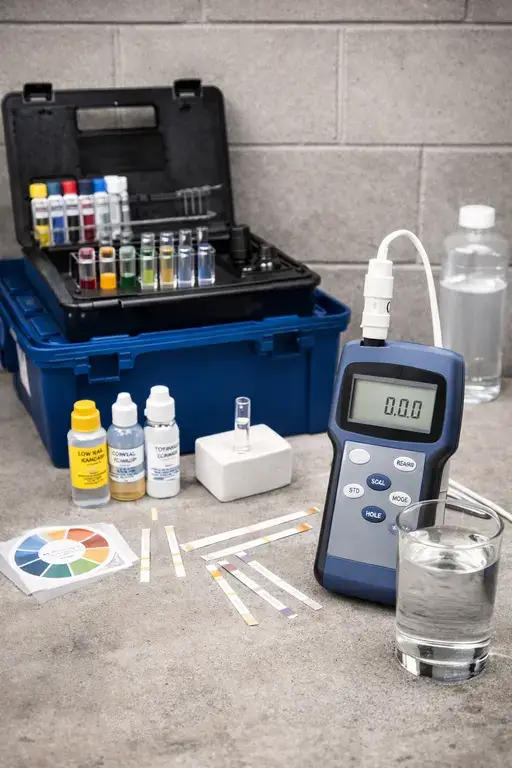
A stain, odor, taste or pressure change is useful context, but it cannot identify a constituent, its concentration or its source. Testing turns the concern into measured information that can support a responsible treatment decision.
Buying equipment first risks paying for technology that does not address the actual condition.
Symptoms are clues
Use what you notice to narrow which questions and tests matter.
Testing gives a measured result
A certified laboratory result shows what is present and at what level.
Equipment follows the evidence
Match the treatment category to the result, flow and household goal.
A useful service call starts with a few facts. These three steps make testing and troubleshooting faster and reduce guesswork.
Separate a private well from a shared well or public system and gather any available well, service and treatment records.
Note which taps are affected, hot versus cold, timing, staining, odor, pressure, recent well work and existing equipment.
Use a certified laboratory for drinking-water concerns and collect samples correctly. The right test depends on source and symptoms.
Nitrate, arsenic and bacteria have no dependable visible warning sign. Appearance, taste and odor cannot rule them in or out.
For drinking-water questions, use appropriate laboratory testing and interpret the result for the individual property—not a neighbor’s well or a regional average.
Testing first protects the decision. It helps separate aesthetic concerns from health-related questions and prevents unsupported treatment claims.
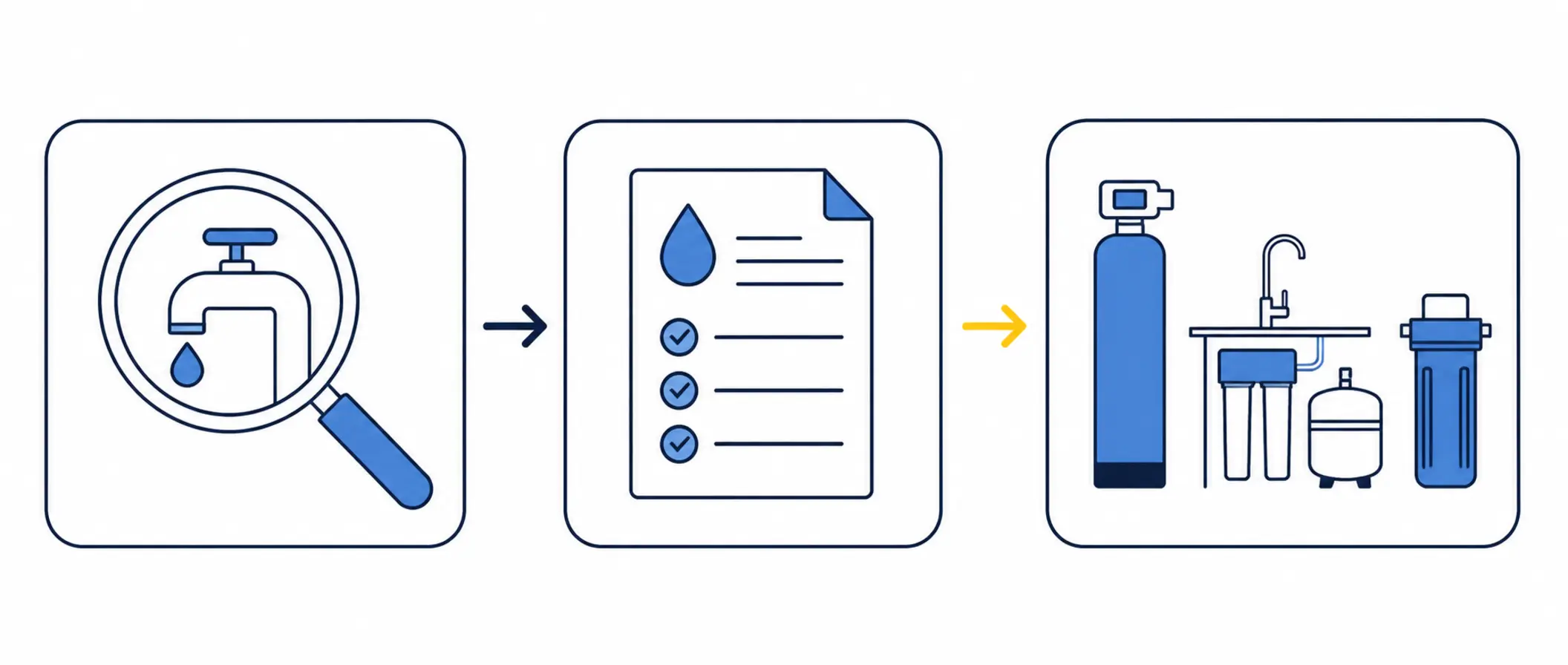
Notice: document the symptom and where it occurs. Test: measure the right parameters for the source and concern. Match treatment: define the goal, choose an equipment category that fits the result, then verify and maintain the system.
Softening, oxidation-filtration, neutralization, sediment filtration, carbon, point-of-use RO and disinfection solve different problems. They are not interchangeable.
Each concern keeps its own page because the chemistry, testing requirements and treatment limits differ. These links are starting points—not diagnoses.
White scale and spotting may be consistent with hardness. Testing measures the actual level.
May be consistent with iron, corrosion or sediment. Color cannot confirm the cause or concentration.
May involve manganese or another deposit. Test before selecting treatment media.
Hot-water-only odor and hot-plus-cold odor can follow different paths. Odor alone does not prove hydrogen sulfide.
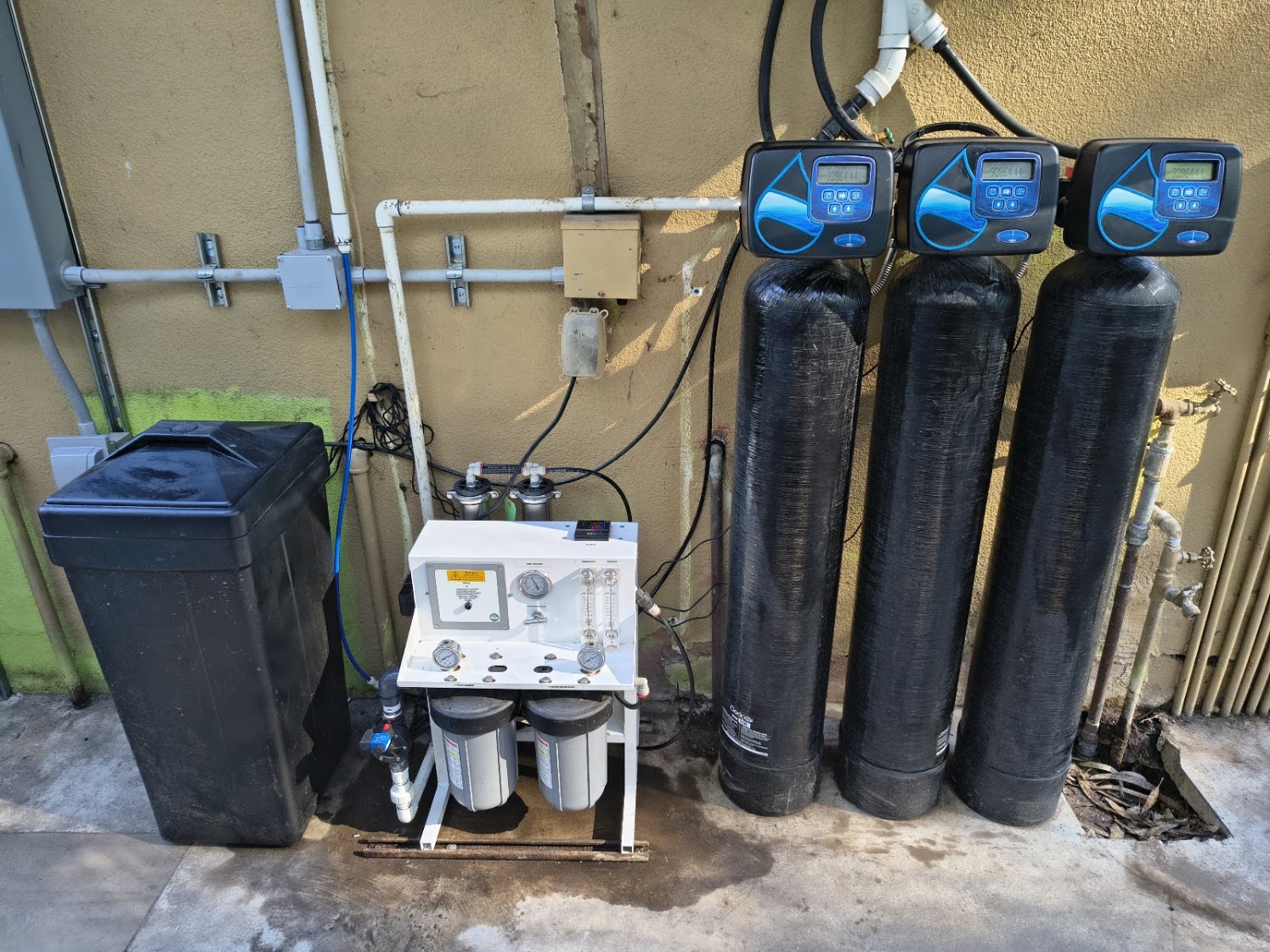
Related paths: Water softeners where measured hardness supports it • well-water drinking-water RO for an appropriate point-of-use goal • existing well-water filtration maintenance when treatment equipment is already installed.
Central Coast groundwater conditions can vary by location, depth, well construction and changing conditions. Regional monitoring can provide useful context for test selection, but it is never a result for an individual property.
Property-specific rule: nearby wells, public-system records and basin-wide data do not establish the quality of your private well. Test your own source.
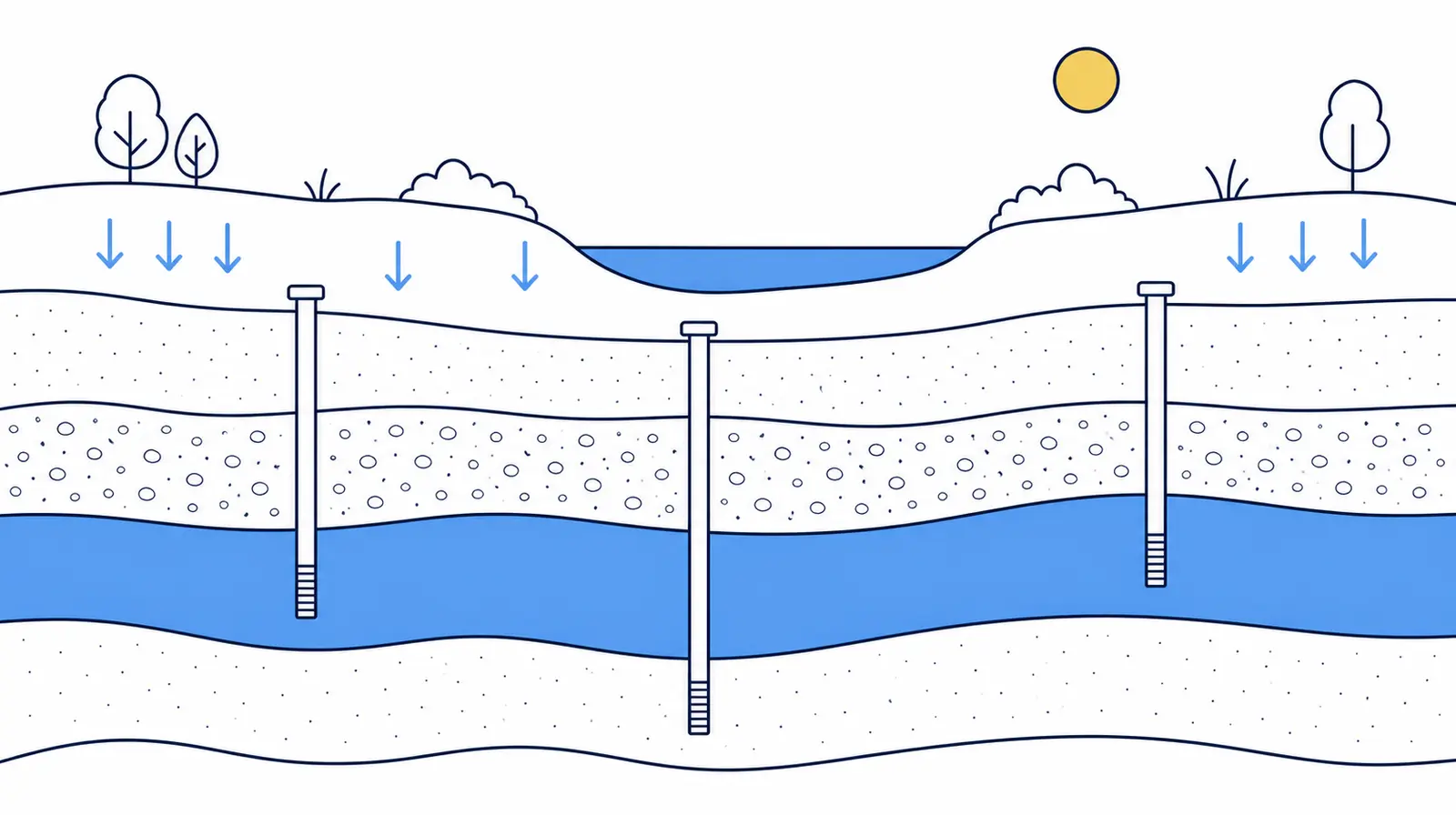
Choose your community for local service details and a location-specific starting point. Testing and treatment still depend on the conditions at your property.
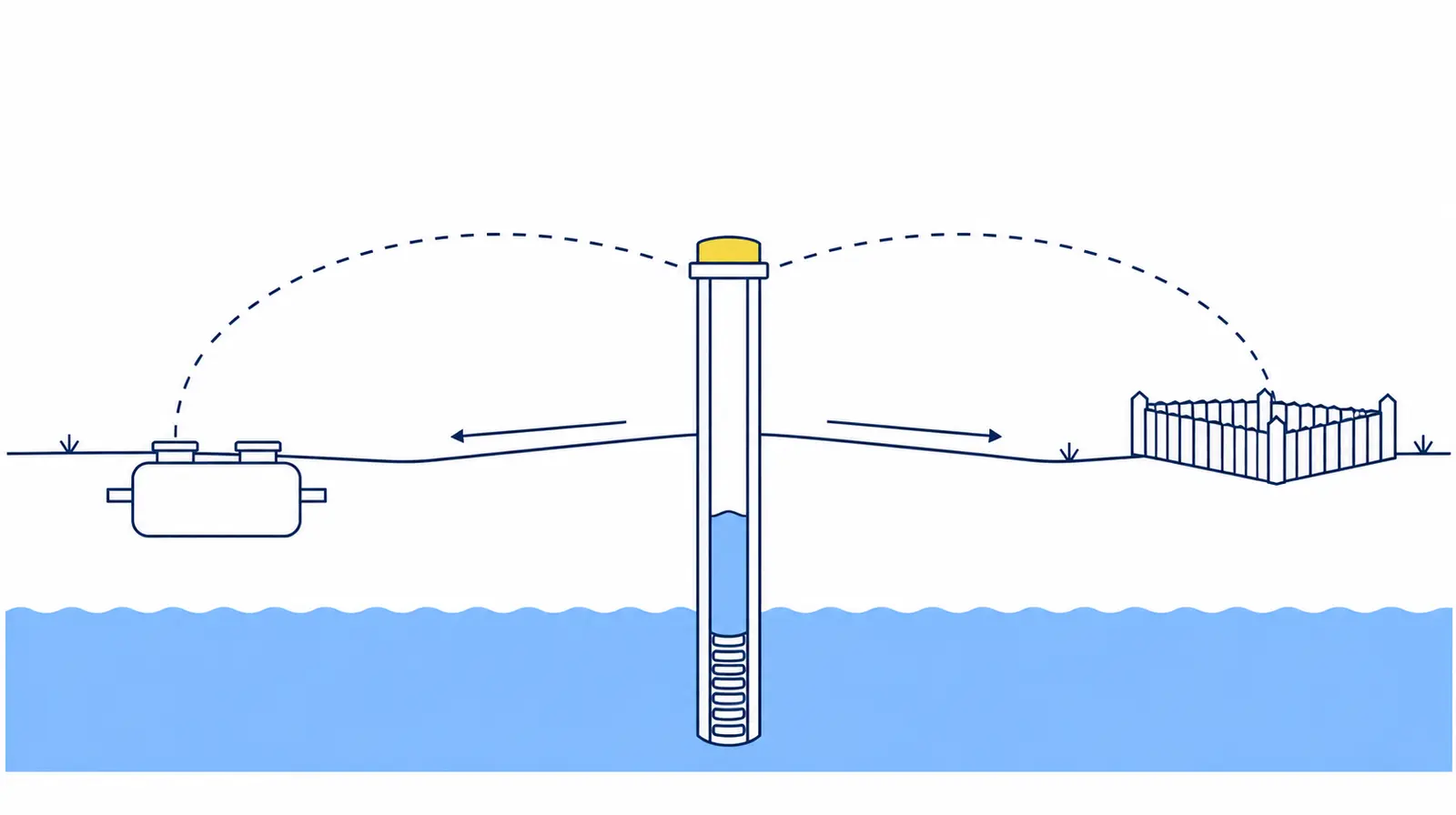
Well-head condition, cap and casing, grading, flooding history and nearby septic or animal areas can matter for bacterial and source-related questions. Treatment equipment cannot substitute for correcting an unsafe source condition.
Water Fixers can evaluate plumbing-side pressure, treatment and water-quality questions. Well drilling, well construction, electrical work and specialty pump repairs may require the appropriate specialist.
These resources are useful for private-well testing, source protection and California-specific guidance. Water Fixers uses official guidance as context; your own well still needs its own test result. Also see the Central Coast Drinking Water Well Testing Program.
Testing frequency, reasons to test, source protection and response after significant well or property changes.
California guidance for domestic-well testing and interpretation of laboratory results.
County information and testing access relevant to eligible private or shared wells in Santa Barbara County.
Use these answers to choose the next step. The linked testing, treatment and service pages carry the deeper guidance for each problem.
Usually not when the decision depends on what is actually present. Testing first reduces the risk of buying equipment that does not address the measured condition.
No. Symptoms can help narrow what to investigate, but they do not prove a constituent, concentration or source. Testing is used when the treatment decision depends on what is actually in the water.
EPA and CDC guidance recommends at least annual testing for total coliform bacteria, nitrate, total dissolved solids and pH, with additional testing when conditions change or a specific concern is suspected. Local health guidance can add other parameters.
The right panel depends on the property and concern. Core annual testing commonly includes coliform bacteria, nitrate, total dissolved solids and pH; hardness, iron, manganese, arsenic or other parameters may be appropriate when local guidance, symptoms or treatment planning call for them.
No. Well depth, construction, location and groundwater conditions differ. Regional and nearby-well information provides context only; your well needs its own result.
It depends on the goal and test result. Scale, staining or odor may lead to a whole-house treatment question, while some drinking-water goals may call for a properly rated point-of-use device. The two decisions are separate.
Pressure and water quality are separate questions. Low flow can involve loaded filters, restricted valves, plumbing, pressure equipment or a source/pump issue. Start with the dedicated low-pressure guide so the problem can be routed correctly.
Existing equipment may need inspection, cartridge or media service, pressure checks, sanitizing, retesting or a broader diagnosis. Do not assume replacement is required simply because the system is older or the service history is unclear.
You do not need to diagnose the water or know the equipment name before you call. Tell us what you notice, whether the property uses a private well, and whether the concern is water quality, pressure/flow or existing equipment. We can route the next step without guessing from a stain, taste or odor alone.
Water Fixers Plumbing & Filtration • Santa Maria, CA • Central Coast service • California License #719792
CALL NOW! Se Habla Español!