
Nitrate cannot be diagnosed by sight, taste or smell. A laboratory result is the dependable way to know whether nitrate is present and at what concentration, especially for a private drinking-water well.
Water Fixers can help you start with testing, understand the treatment questions that follow, and avoid choosing equipment from a symptom or regional map alone.
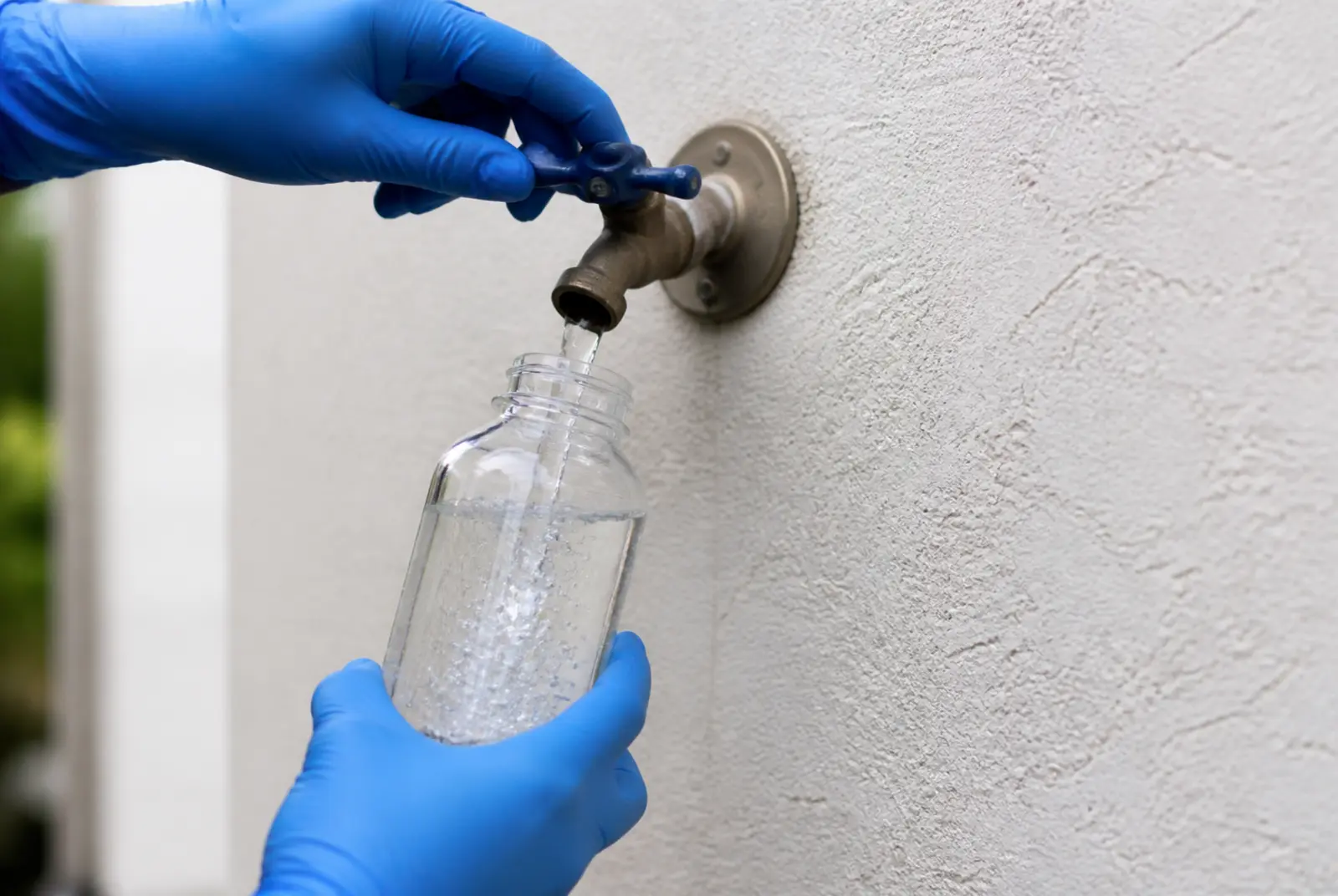
Nitrate is an invisible drinking-water concern. The useful question is not “what does the water look like?” but “what did the laboratory measure, in what units, and how does that result compare with current guidance?”
Clear, good-tasting water can still contain nitrate. Staining, scale and odor are not dependable nitrate indicators.
California’s public-drinking-water MCL for nitrate is 10 mg/L as nitrogen (N). Private wells are not regulated by DDW, but California says the MCL can be used as guidance.
A certified laboratory can report a concentration you can compare with official guidance. A neighbor’s result or regional map does not establish the nitrate level in your well.
Nitrate in groundwater can be associated with fertilizer use, septic systems, animal waste, wastewater and other nitrogen sources. Rain, irrigation and groundwater movement can carry nitrate through soil toward groundwater.
A possible source near a property does not prove nitrate is in that well. Even nearby wells can have different construction, depths, flow paths and results. Test the specific drinking-water source before making a treatment decision.
For Central Coast private wells, regional agricultural or groundwater information can help frame the testing question, but it should never replace a property-specific lab result.
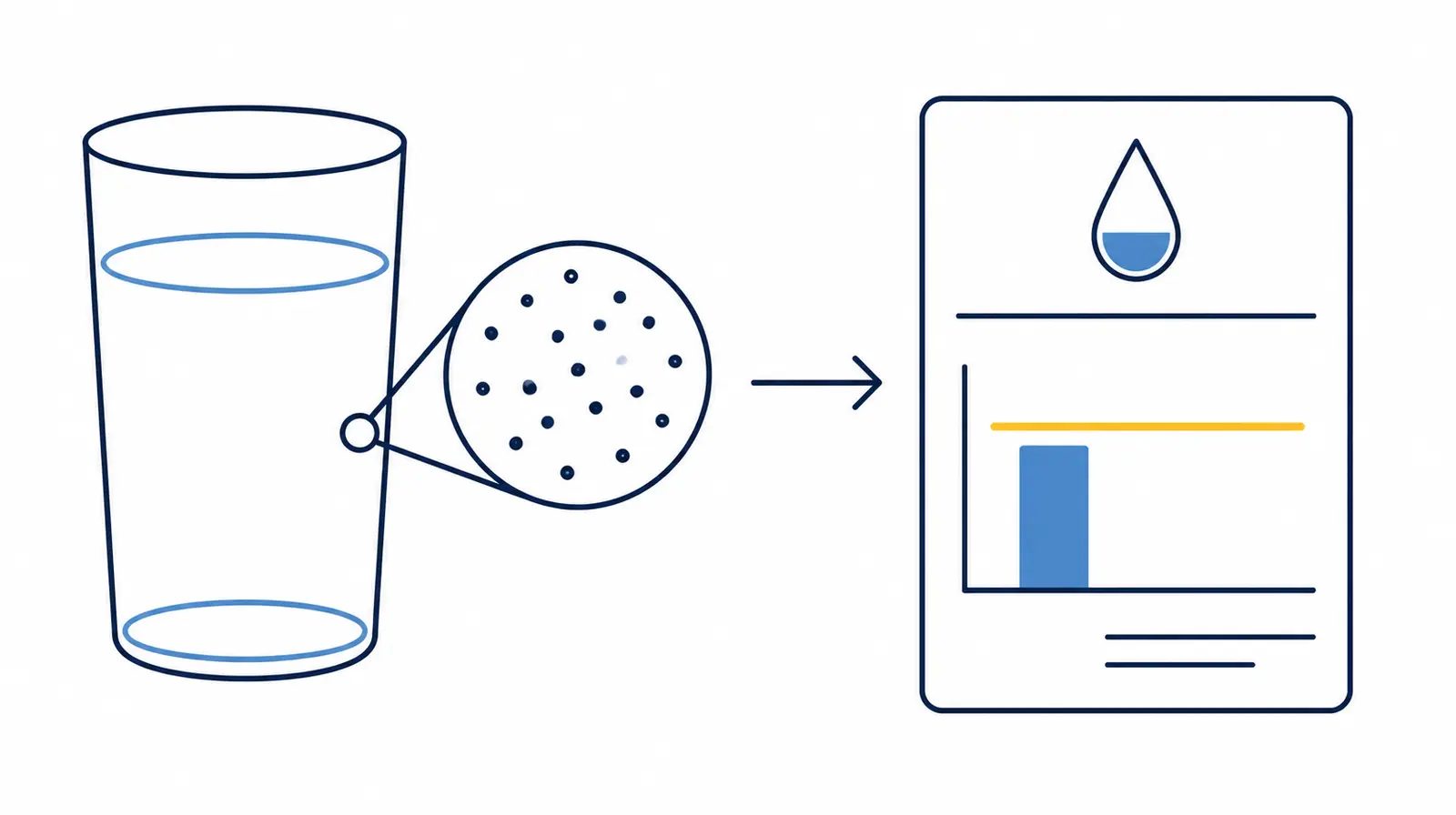
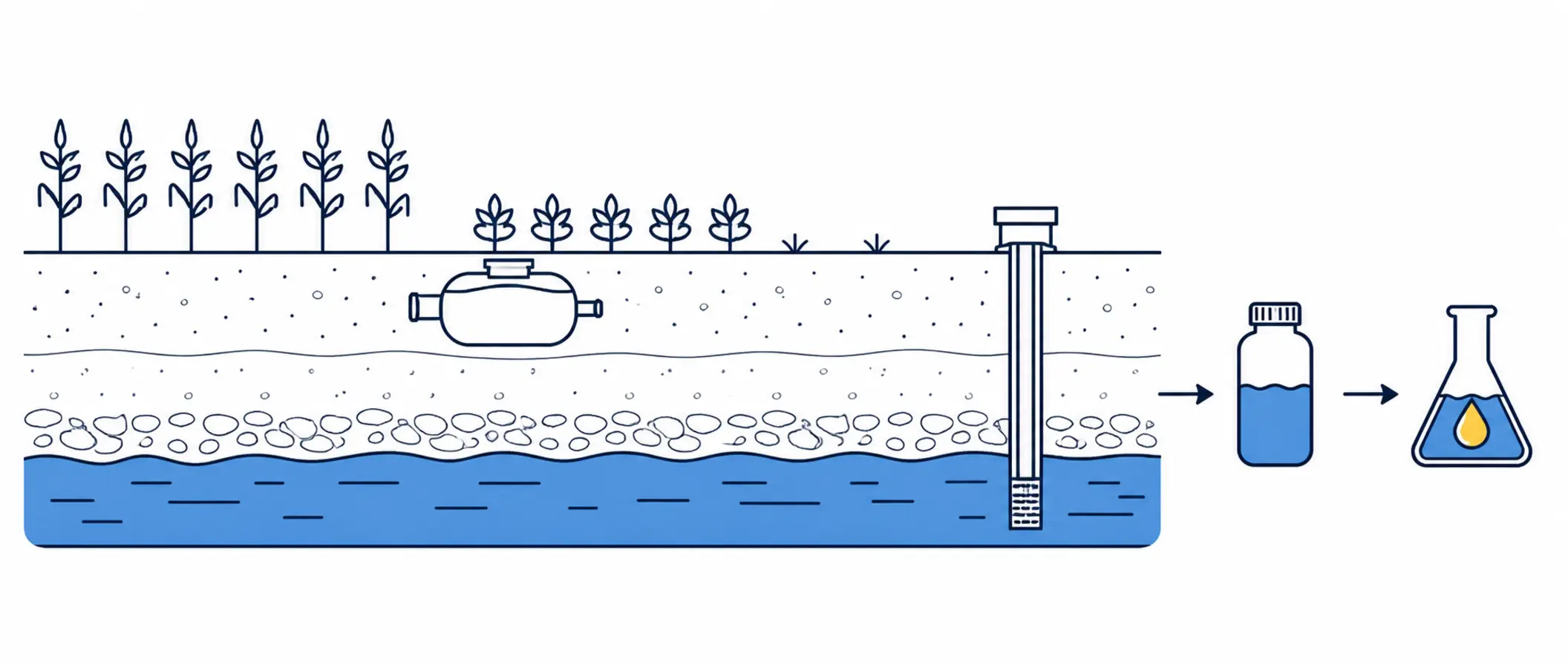
1. Confirm what was measured. California’s current nitrate drinking-water standard is expressed as nitrate as nitrogen (N). Check the analyte name and units on the laboratory report before comparing a number with a standard.
2. Compare with current guidance. California lists an MCL of 10 mg/L for nitrate as N, 10 mg/L for nitrate plus nitrite as N, and 1 mg/L for nitrite as N for public drinking water systems. Private wells are not DDW-regulated, but California says these MCLs can be used for guidance.
3. Use a qualified laboratory. California’s Environmental Laboratory Accreditation Program (ELAP) certifies laboratories for drinking-water analyses.
4. Retest when appropriate. California GAMA recommends annual domestic-well water-quality testing. Additional testing may be appropriate after treatment, well work, flooding or when a health agency recommends it.
Boiling does not remove nitrate and can make the remaining water more concentrated as water evaporates. If a result is at or above the applicable drinking-water guidance, follow California/EPA instructions for drinking and cooking water and contact the appropriate local health authority for result-specific guidance.
EPA guidance also advises against using well water containing more than 10 mg/L nitrate to mix infant formula or food. Use an alternative safe water source while you obtain appropriate health and water-treatment guidance.
Treatment should follow the laboratory result, the amount of water that needs treatment and verified equipment performance. Point-of-use drinking-water treatment and whole-house treatment solve different problems and have different capacity and maintenance requirements.
Ion exchange media designed specifically for nitrate can be a treatment option when properly sized and maintained. Water chemistry, capacity, regeneration and waste handling matter.
Some point-of-use RO systems can reduce nitrate, but not every RO system is rated for nitrate reduction. Verify the exact device performance documentation and operating conditions.
Distillation is another recognized nitrate-removal approach. The practical choice depends on the amount of water to be treated, operating requirements and the household’s goal.
An ordinary water softener is not the same thing as a nitrate-selective ion-exchange system. Likewise, general-purpose filters should not be assumed to remove nitrate unless the exact device documentation specifically supports that claim.
Does not remove nitrate. It can increase nitrate concentration as water evaporates.
Standard activated-carbon filtration is not a dependable nitrate-removal method.
Sediment filtration and ultraviolet disinfection address different problems; they do not remove dissolved nitrate.
Point-of-use treatment can be appropriate when the goal is drinking and cooking water at one faucet. Point-of-entry treatment treats water before it is distributed through the property and requires different sizing, monitoring, maintenance and waste considerations.
The right choice depends on the measured nitrate result, household use, flow rate, water chemistry, treatment goals and the exact equipment rating. Water Fixers can help route the decision after testing rather than assuming every nitrate result needs the same system.
Start with a result that identifies what was measured and at what concentration.
Use the private-well path for source, well, pressure, testing and treatment questions.
Review regional private-well context without treating regional conditions as a diagnosis of one property.
Current California information on nitrate sources, public-water MCLs, private-well distinctions and certified laboratory resources.
California guidance for domestic-well testing, comparing results with drinking-water standards and ongoing well-owner testing.
EPA background on how nitrate can enter private wells and why laboratory testing matters for an invisible contaminant.
Water Fixers can help you start with water testing, understand what the result means for treatment, and choose the next step without guessing from appearance, taste or a regional map.
Water Fixers Plumbing & Filtration • California License #719792
CALL NOW! Se Habla Español!