



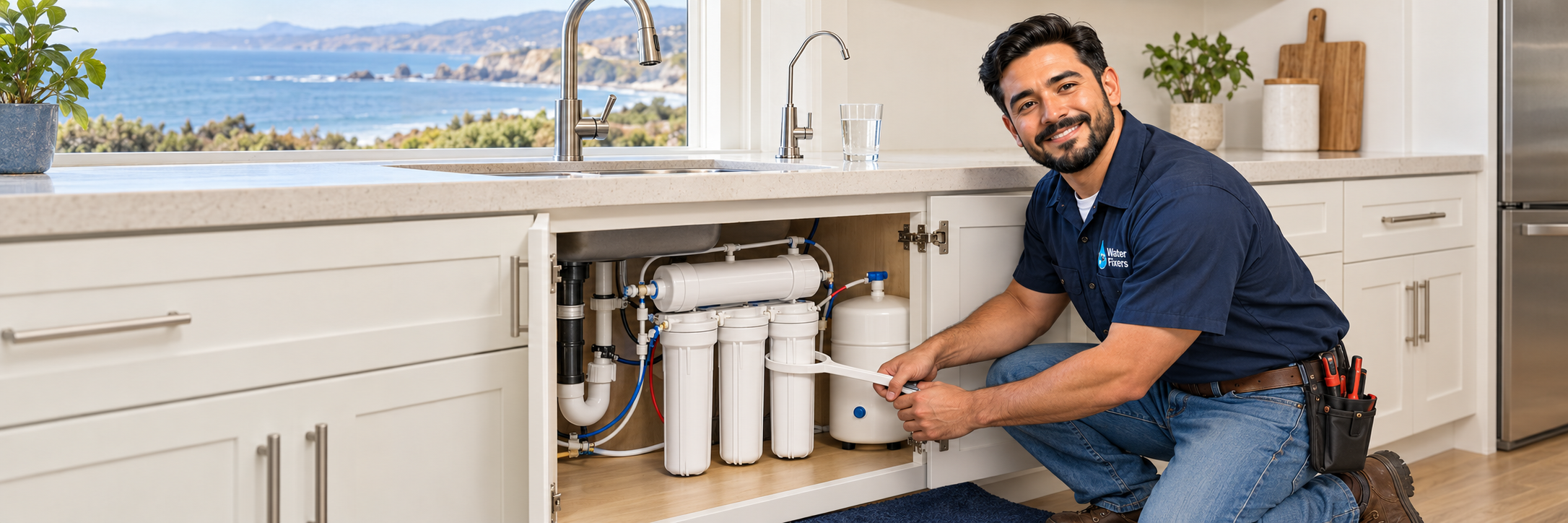

Beauty Tips From Zsa Zsa • Ice and refrigerator water
Why Does My Ice Taste Strange When My Drinking Water Seems Fine?
The ice has a longer itinerary than a glass filled at the sink. Zsa Zsa follows the appliance, storage and supply questions without assuming that the refrigerator and the drinking-water faucet share the same treatment path.
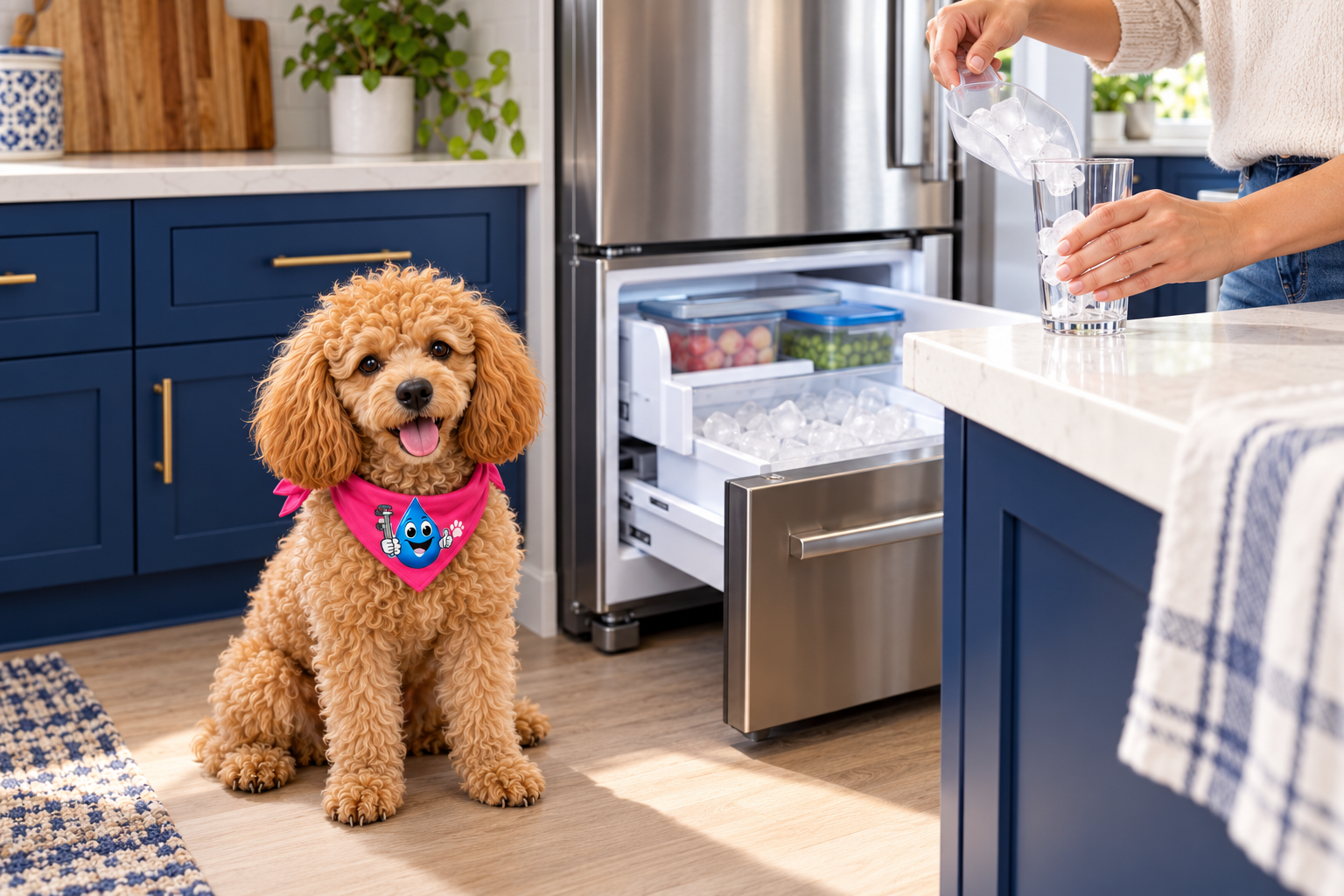
The ice path may differ from the glass you filled
Record which faucet supplied the drinking water and whether the refrigerator has its own filter or a connection to the RO system. Do not assume the refrigerator follows the same treatment route simply because both outlets are in the kitchen. Confirm the configuration from the installation records or a professional inspection. [1], [2]
Whirlpool’s guidance identifies stored-food odors, filter condition and changes to supply connections among possible explanations for off-flavored ice or refrigerator water. Those are appliance-specific troubleshooting leads, not a diagnosis of every refrigerator or a reason to add a whole-house system. [3]
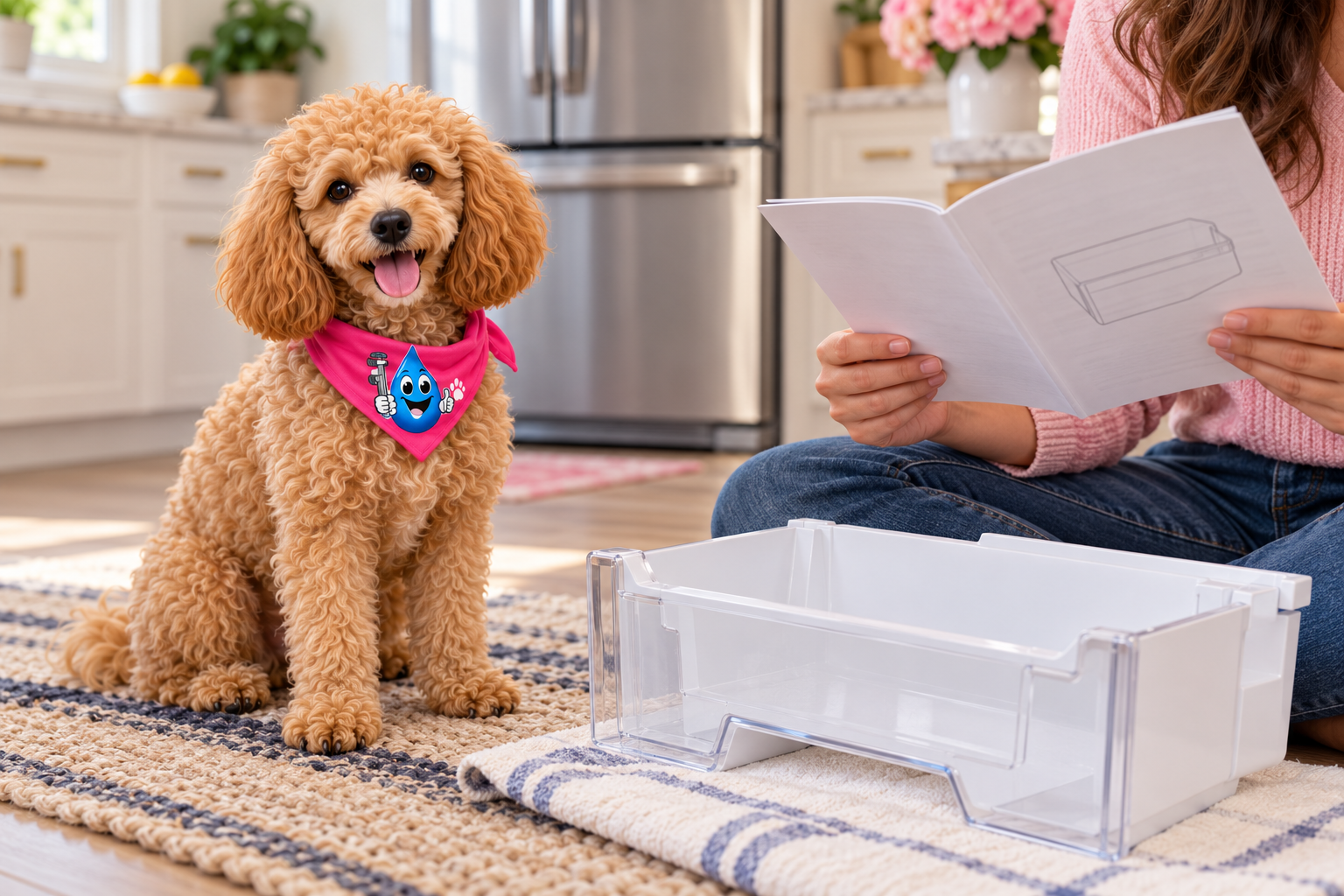
Which part of the ice itinerary needs a question?
Ice storage and food odors
Review how food is packaged and how the bin is maintained under the appliance instructions. Whirlpool identifies food odors among possible leads. That makes storage worth checking, without proving that every unusual ice complaint comes from food in the freezer. [3]
The refrigerator’s own filter
Identify the actual refrigerator model and the filter specified for it. Keep the date of service and any required after-service procedure with those records. Do not substitute a generic replacement interval from another appliance for its instructions. [3]
Use the appliance care instructions first
Check the actual model manual for ice-bin care, filter identification and any flushing procedure after service. Record whether the problem began after a new connection, a filter change or a long period without use. Do not transfer one manufacturer’s replacement schedule or parts recommendation to another appliance. [3]
Keep food packaged as the appliance guidance recommends and address visible storage or cleaning problems using approved care methods. Discard suspect ice rather than repeatedly sampling it. Do not mix household chemicals in a bin or improvise a sanitizing recipe. [3]
When the water system needs attention too
If the change also appears at the RO outlet or other cold-water taps, broaden the investigation beyond ice storage. An RO system may require filter, sanitation, tank or plumbing evaluation, and an all-cold-water change may require supplier contact or appropriately scoped testing. [1], [2]
Taste and odor do not establish drinking-water safety. Follow any supplier or public-health notice. If there is a safety concern, ask the supplier or qualified testing service for the correct next step rather than relying on ice clarity or a taste comparison. [4], [2]
Have these details ready when you call
Start with appliance service when only the ice is affected. For concerns at other outlets, include the treatment or water supplier. Keep the following records together so the right person can choose the next step. [3], [2]
For an appliance-only complaint
Provide the refrigerator model, filter information, care history and when the issue began. Include periods of nonuse and any connection or filter work. Follow the appliance’s approved bin-care method, discard suspect ice and avoid improvised chemical recipes. [3]
For an RO or plumbing concern
Keep refrigerator and RO identifiers separate. Say which drinking-water outlet you used for the original comparison and what the installation records establish about the refrigerator feed. Those details help a professional decide whether the upstream treatment and plumbing need evaluation, without assuming a membrane or filter-stage count identifies the needed replacement. [1], [5]
For a wider water-quality question
Name the water source and all affected outlets when you seek guidance. Follow any current supplier or public-health instruction. If the concern calls for testing, ask what sample and method answer it. A clear ice cube, familiar flavor or normal-tasting glass from a different faucet cannot clear every possible safety concern. [4], [2]
Quick questions homeowners ask
Can the refrigerator model number identify the RO filters?
Keep the refrigerator and RO equipment identifiers separate. Identify the actual RO system before ordering its components; appearance or filter-stage count is insufficient. [5]
- RO Water Tastes Bad or Smells? What to Check | Water Fixers
- Water Testing Services | Central Coast CA | Water Fixers
- Ice Cubes are Off Colored or Debris - Side by Side Refrigerator - Product Help | Whirlpool
- EPA Home Water Testing Facts
- Buying a Home With an Existing RO System? | Water Fixers
Observations help focus an evaluation; the cause still needs checking. Use the actual equipment instructions and current supplier guidance.