





When Is a Plumbing Emergency? What Can Wait—and What Can’t
Some plumbing problems need immediate action. Others are urgent but can usually be scheduled. Here’s a practical way to tell the difference.
Call immediately for active damage or a safety hazard
Burst pipes or major uncontrolled leaks
If water is spraying, flooding or spreading rapidly, shut off the home’s water supply if you can do so safely and call for help.
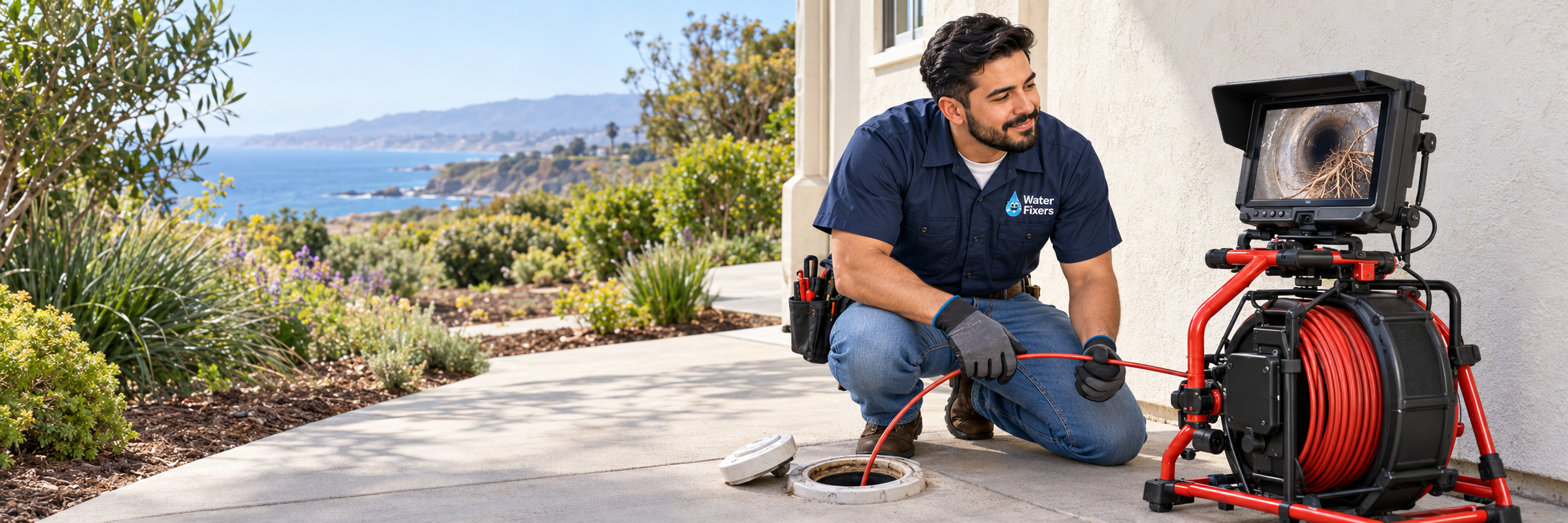
Sewer backup into the home
Sewage backing up through toilets, tubs or floor drains is an urgent sanitation issue. Avoid contact with contaminated water and stop using affected fixtures.
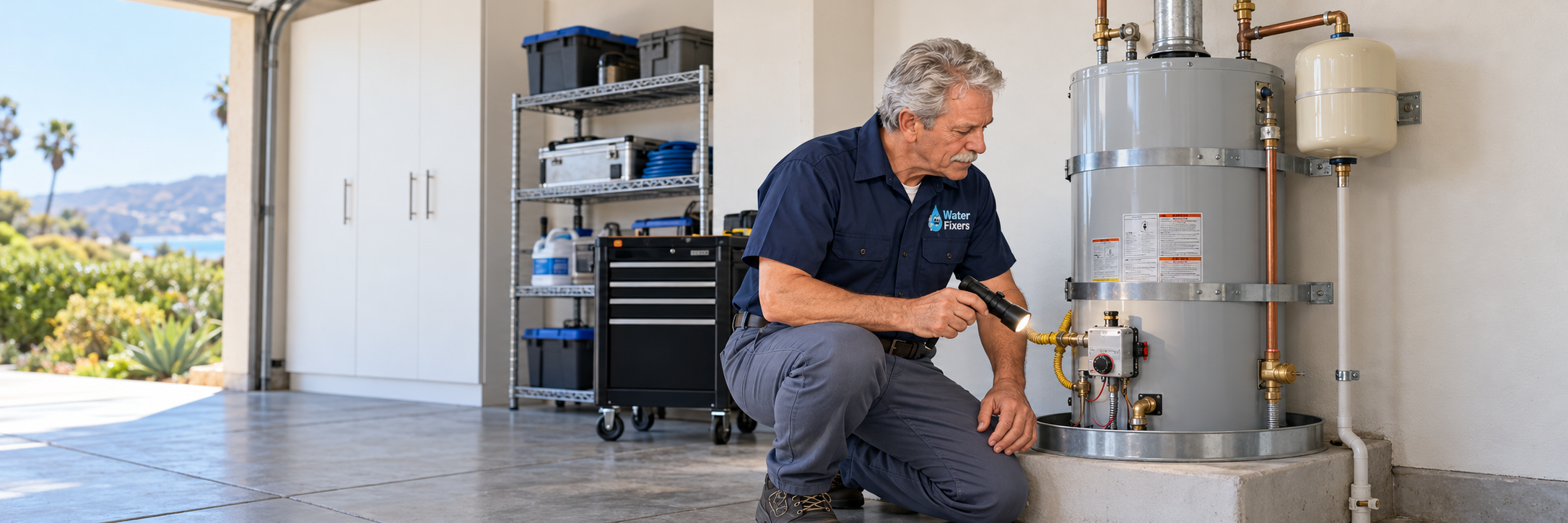
Water heater leaks or possible gas issues
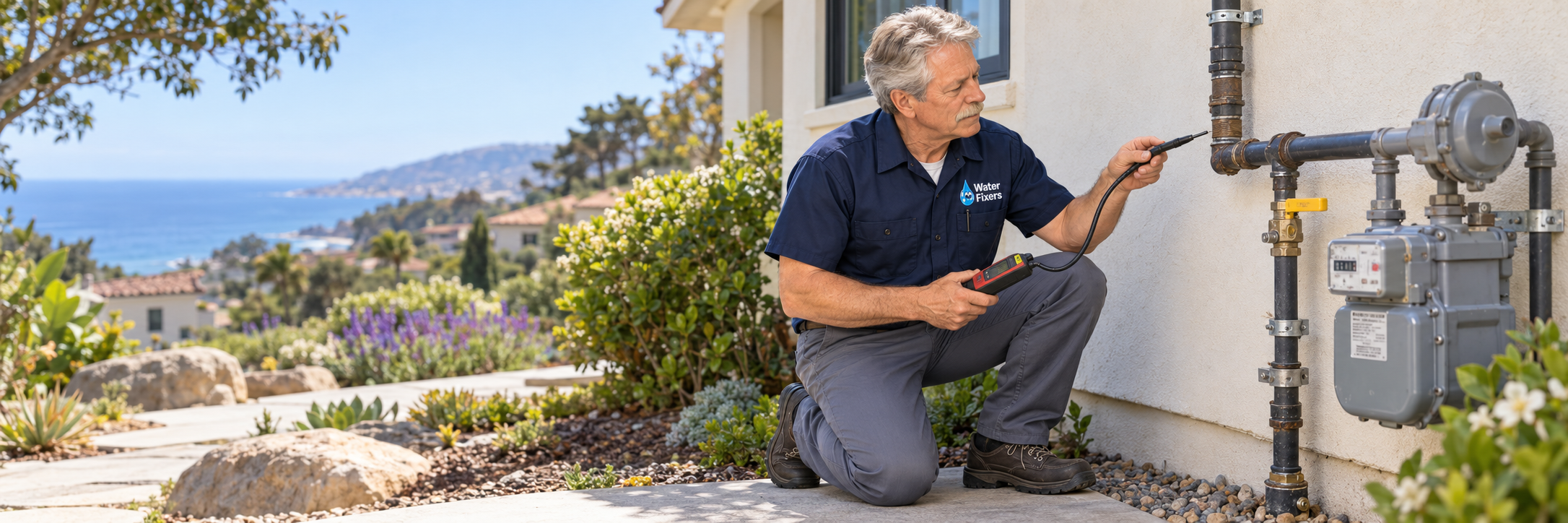
A leaking tank, water around electrical components, or a gas odor near a gas-fired appliance requires prompt attention. If you smell gas, leave the area and follow your gas utility’s emergency guidance.
A leak you cannot isolate or stop
Main-line failures, underground leaks or a valve that will not shut down the flow can cause significant damage quickly.
Problems that are urgent but may be schedulable
- Slow drains that are still moving water
- A running toilet that is not overflowing
- A dripping faucet with no active cabinet or wall damage
- A single fixture with reduced flow
What to do while waiting
- Shut off the nearest fixture valve or the main water supply if needed.
- Stop using affected fixtures.
- Move belongings away from active water.
- If a water heater is leaking, follow the manufacturer’s shutdown instructions or wait for a professional if you are unsure.
Not sure which category your problem fits?
Describe what is happening, where it is happening, whether the water can be stopped and whether more than one fixture is affected. Those details help determine the urgency and the right service path.