
RO LEAK PREVENTION • BROKEN FILTER HOUSING
Reverse osmosis filter and membrane housings hold water under pressure. A hairline crack, broken cap, damaged thread or worn sealing surface can turn into an under-sink leak—especially after a cartridge or membrane has been disturbed.
If the housing is actively leaking, shut off the RO feed water if it is safe to do so and do not keep tightening damaged plastic. Have the system checked before putting it back under pressure.
Santa Maria-based • Central Coast RO support • Existing systems welcome • Housing and leak inspection • License #719792
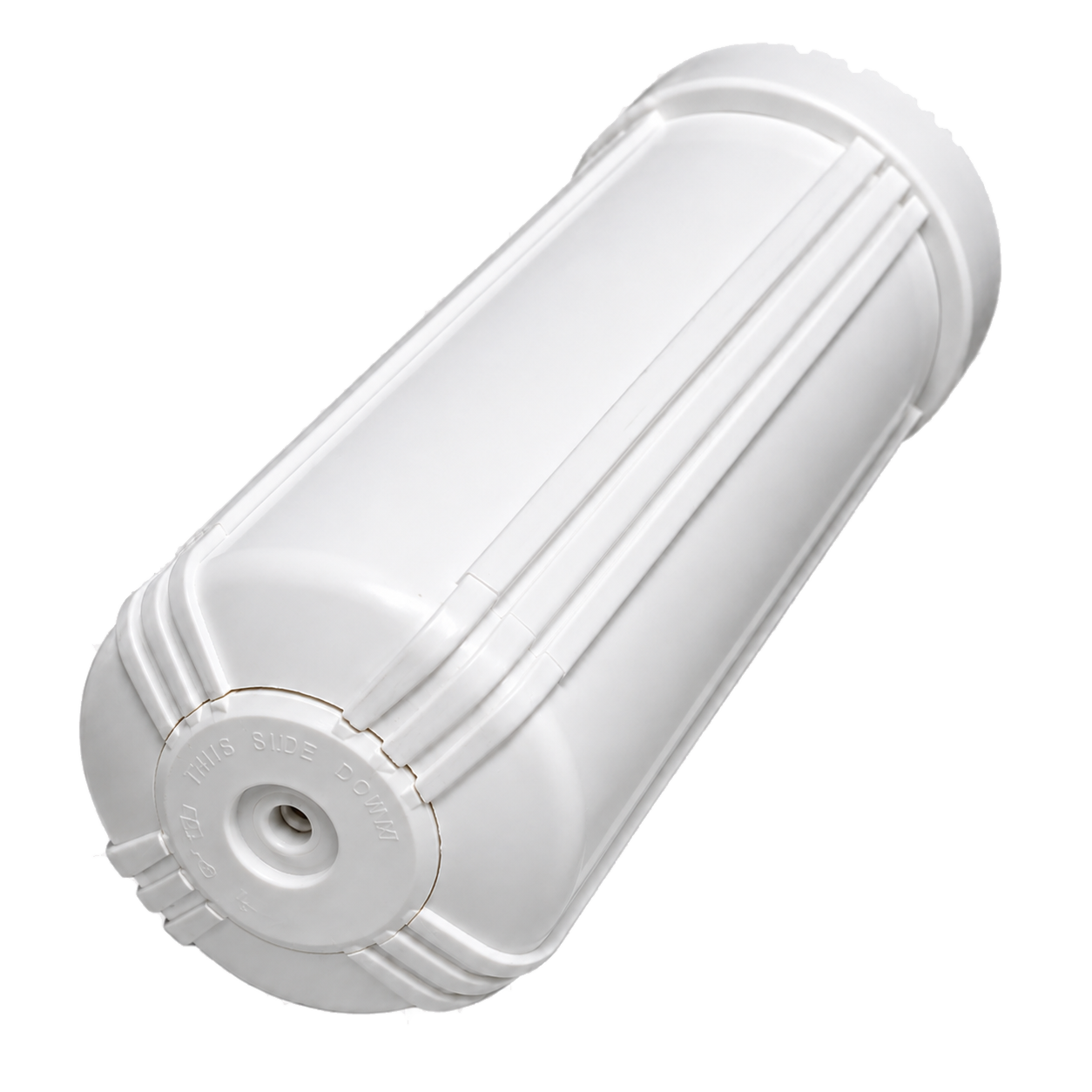
Quick answer: stop treating a visible crack or failed sealing surface like a normal filter-change problem. If water is actively leaking, isolate the RO feed water if it is safe to do so, dry the area as practical, and leave the damaged housing depressurized. Do not solve a leak by tightening brittle or cracked plastic harder.
A sound housing with routine cartridges due belongs on RO Filter Replacement. A cracked, broken, leaking or questionable housing belongs on RO Service & Repair.
Water around the housing, a visible split, a broken cap or a leak that appears when pressure returns is a repair problem. Shut off the RO feed if safe and avoid repressurizing the damaged part.
Cracked plastic, chipped threads, a warped cap or a sealing surface that no longer seats normally should be evaluated before the system is used again. Extra force can make damaged plastic worse.
If the housing is intact, opens and closes normally, and the need is simply routine cartridge service, use the dedicated filter-replacement path rather than treating it like a repair.
If there is no active failure but the system has been neglected or its service history is unclear, broader maintenance can review housings, O-rings, filters, tubing, tank pressure, sanitation needs and startup behavior.
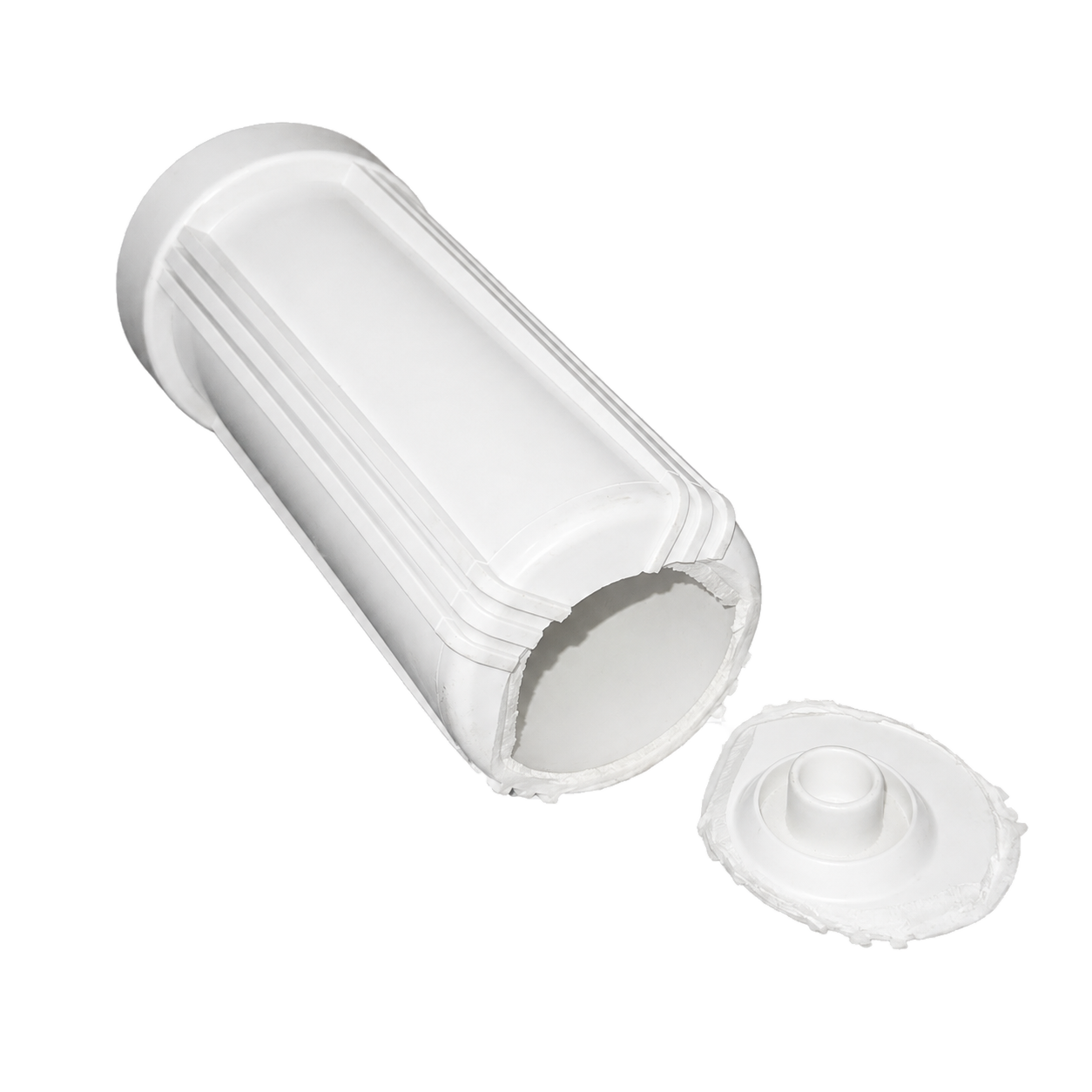
REAL HOUSING FAILURE
A small crack can look harmless until pressure is restored. Once the plastic has split, the cap has separated, or the threaded/sealing area is visibly damaged, the housing should not be treated as reusable just because a cartridge still fits inside it.
RO housings are part of a pressurized water path. Cracks near the bottom, molded seam, cap, threads or O-ring area can create a slow drip or a sudden leak after service. A housing that no longer seals predictably should be evaluated before pressure is restored.
Already seeing water under the sink? Use RO Service & Repair. If the housing itself is sound and you only need consumable cartridges changed, use RO Filter Replacement. For a working system that needs a broader checkup, use RO Maintenance.
The goal is to stop a small housing problem from becoming a larger cabinet leak. These are practical safety steps—not a substitute for identifying the failed part.
If water is actively leaking and you can safely identify the RO feed shutoff, turn it off. Avoid continuing to run or refill a system with visibly damaged pressurized plastic.
A loose seal and a cracked housing are different problems. Tightening brittle plastic harder can spread a crack, damage threads, distort an O-ring or make the housing more difficult to service.
Dry the cabinet area as practical, note where the moisture appeared, and have the housing, cap, O-ring, tubing and nearby fittings inspected before repressurizing the RO system.
FILTER & MEMBRANE SERVICE CAN EXPOSE WEAR
Older housings can become brittle, O-rings can shift, threads can wear and membranes or cartridges may stop seating normally. If a component has to be forced into place, stop rather than assuming more pressure will solve the fit.
The image shows the kind of damage that can happen when a membrane or related component is forced or misaligned. A membrane-specific performance problem belongs on RO Membrane Replacement; a cracked or leaking housing belongs on RO Service & Repair.
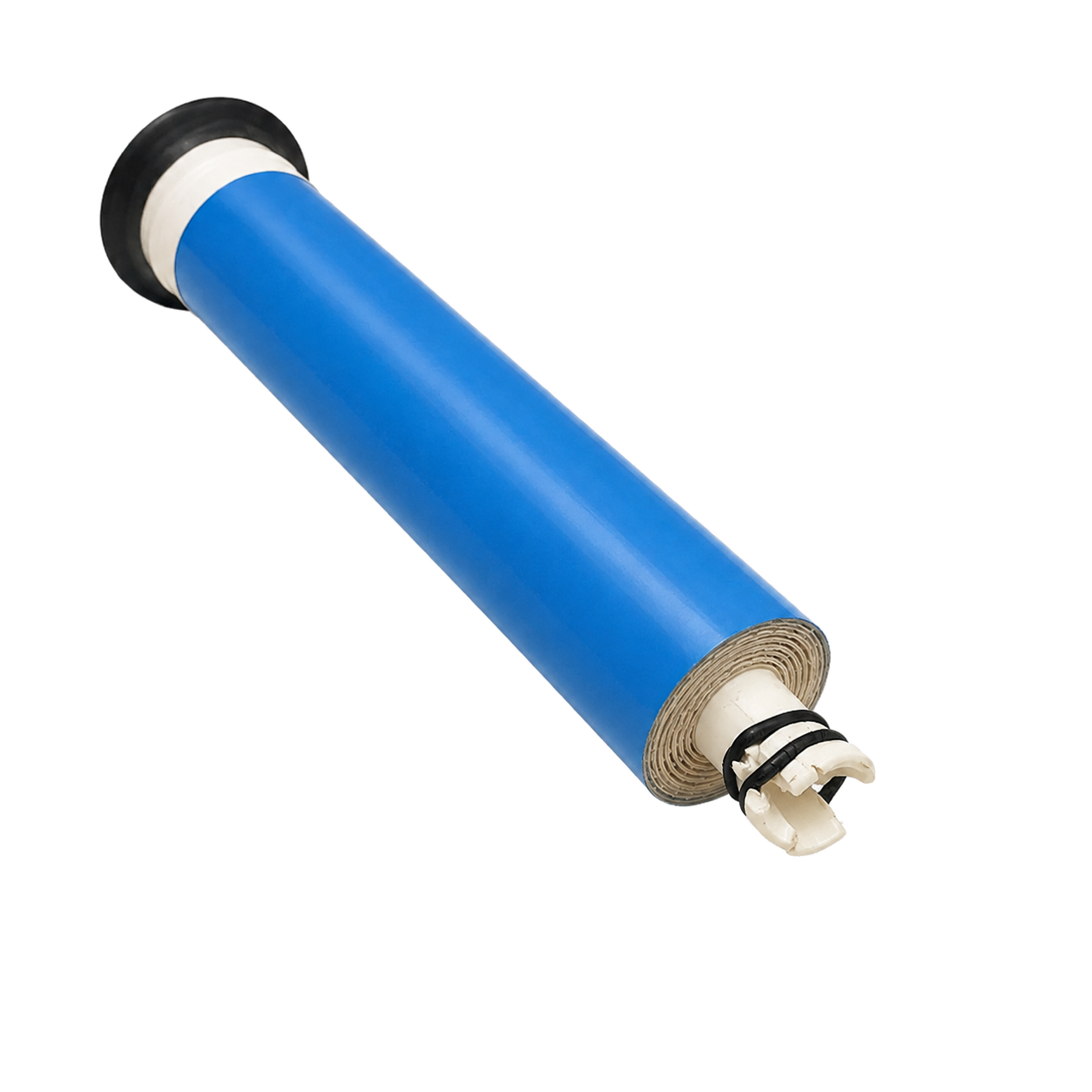
A visible crack can worsen when pressure is restored. If the housing is cracked or actively leaking, treat it as a repair issue rather than a routine cartridge-change issue.
Broken plastic or damaged threads can prevent the housing from sealing reliably. A broken housing should not be returned to service simply because it can be screwed back together.
Wrong parts, shifted seals, internal wear, misalignment or housing damage can all affect fit. Do not force a cartridge or membrane that does not seat normally.
A leak after service may involve an O-ring, cap, sealing surface, internal wear or nearby fitting—not just the cartridge. Broader maintenance is useful when there is no active leak but the system needs a full condition check.
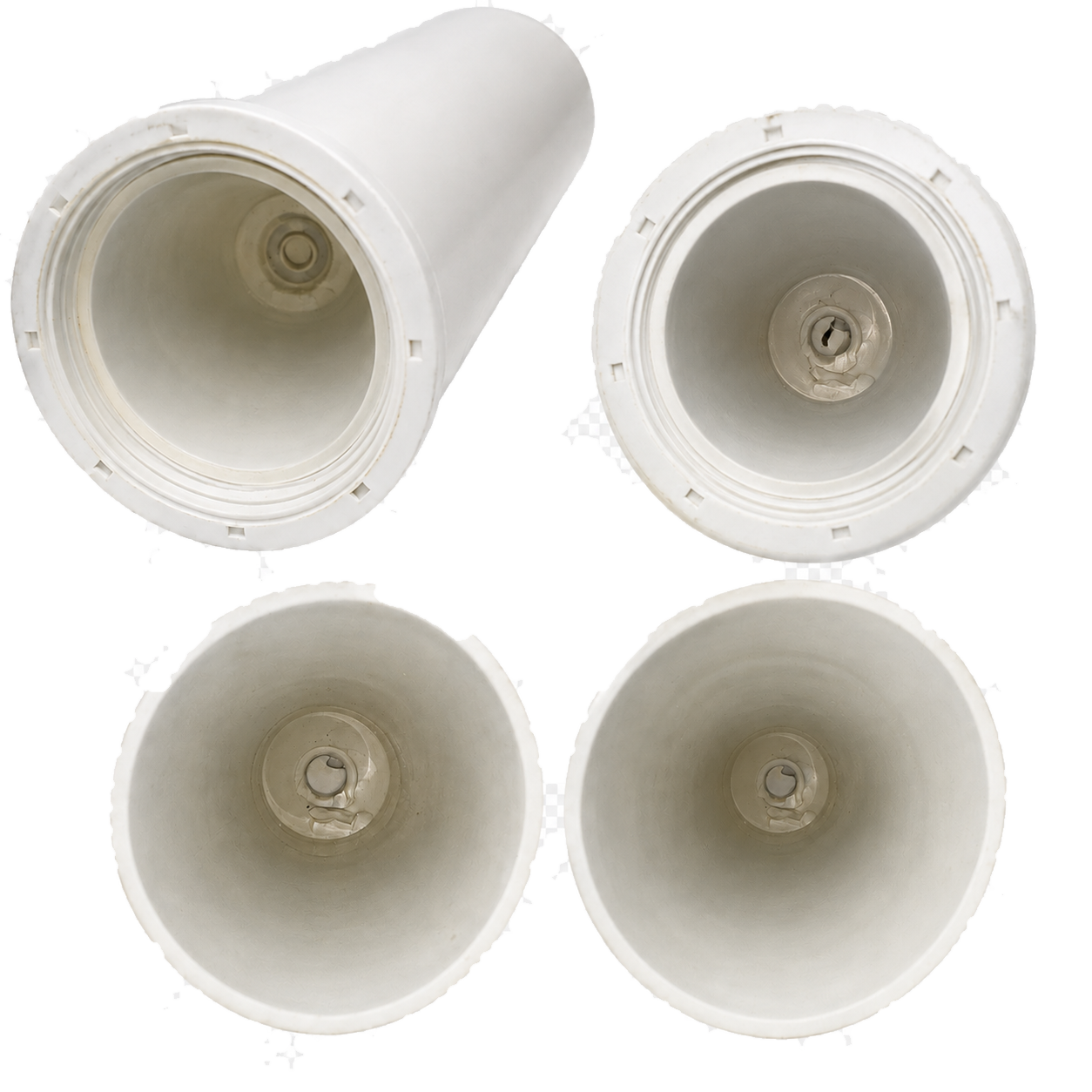
THE INSIDE OF THE HOUSING MATTERS
The outside of a housing may not tell the whole story. Worn internal guide surfaces, O-ring seats, threads or sealing areas can keep a membrane or cartridge from seating correctly and can contribute to repeat leaks or poor performance after service.
If a housing opens, closes and seals normally, routine filter replacement may be appropriate. If the system leaks after service, the cap sits unevenly, or the component will not seat without force, use the repair path instead of continuing to tighten or reassemble it.
CHOOSE THE RIGHT NEXT STEP
This page owns the narrow broken/cracked RO housing problem. It should help you recognize damage and choose the right service path without competing with the broader repair, filter-replacement or maintenance pages.
Use Service & Repair for an active leak, cracked or broken housing, damaged threads, repeat leaks after service, a component that will not seat correctly, or another failure that needs diagnosis.
Use Filter Replacement when the housing is sound and the actual need is routine sediment, carbon, inline or other cartridge service—not a leak or damaged pressure vessel.
Use Maintenance when the system is generally working but needs broader inspection, service-history recovery, sanitation when appropriate, tank/pressure checks, leak review and filter planning.
WHEN THE HOUSING IS ONLY PART OF THE PROBLEM
One replaceable housing on an otherwise sound, supported system is different from an older RO with multiple brittle housings, obsolete parts, a tired tank, membrane concerns, repeated leaks or several overdue components. The total condition matters more than one failed piece of plastic.
If the current question is whether the whole system is still worth restoring, use RO Repair vs Replace. If the failure itself needs diagnosis now, start with RO Service & Repair.
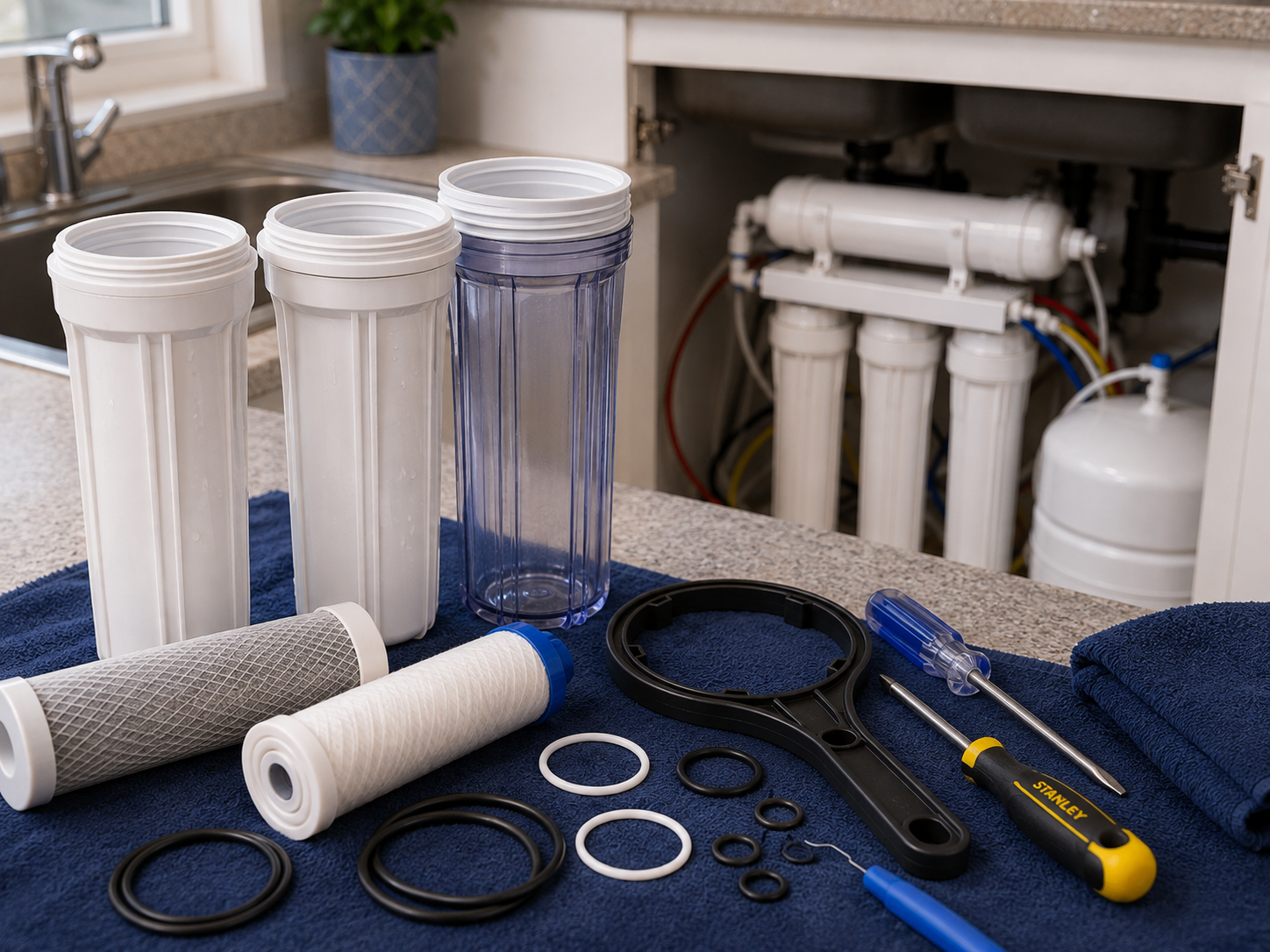
Direct answers about cracked housings, leaks after filter changes, over-tightening, O-rings, damaged threads, membrane fit and which RO service page to use next.
Do not rely on extra tightening to make visibly damaged plastic safe. Water Fixers can inspect the housing, cap, O-rings, tubing, nearby fittings and the rest of the under-sink RO system, then route the job correctly. Active leaks and damaged housings belong on RO Service & Repair; sound housings with due cartridges belong on RO Filter Replacement; broader recurring care belongs on RO Maintenance.
Water Fixers Plumbing & Filtration • Santa Maria, California • Central Coast service • License #719792
CALL NOW! Se Habla Español!