EPS SERIES • REVERSE OSMOSIS
EPS Reverse Osmosis Systems
Compare the EPS-3T and EPS-5T before you choose
The EPS family gives you two under-sink reverse-osmosis arrangements: the three-stage EPS-3T and the five-stage EPS-5T. The useful question is not simply how many stages are listed—it is which supplied cartridge package, cabinet layout and long-term service plan fit your home.
Under-sink drinking-water systems • storage tank • dedicated faucet • professional installation and service • License #719792
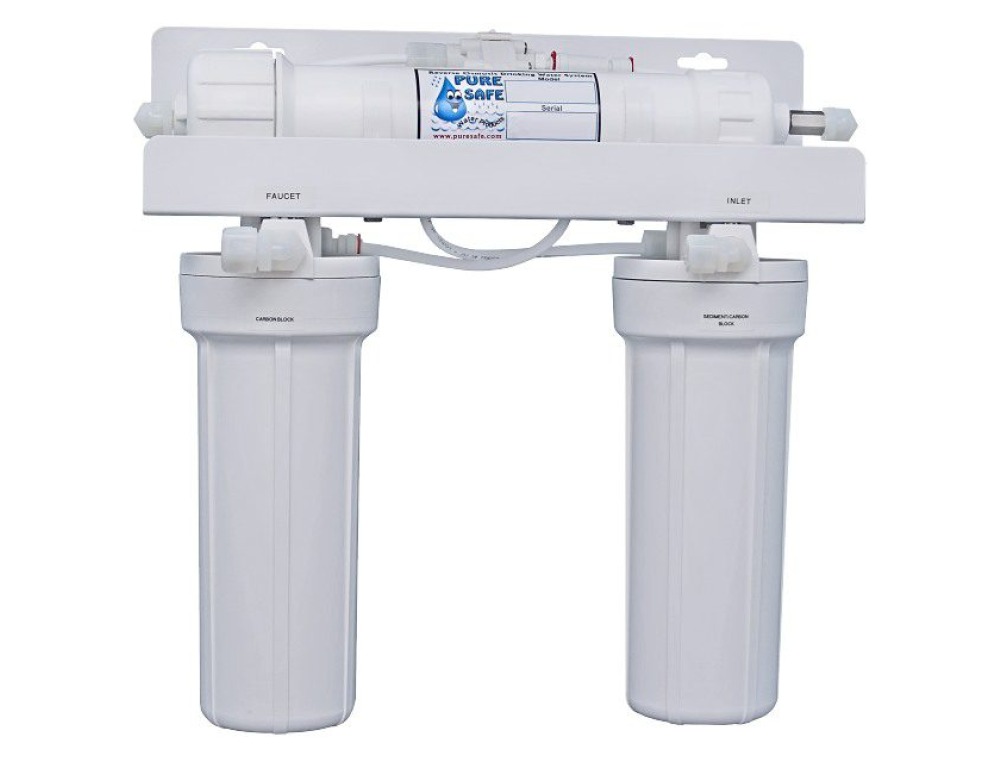
EPS-3T
Three-stage arrangement
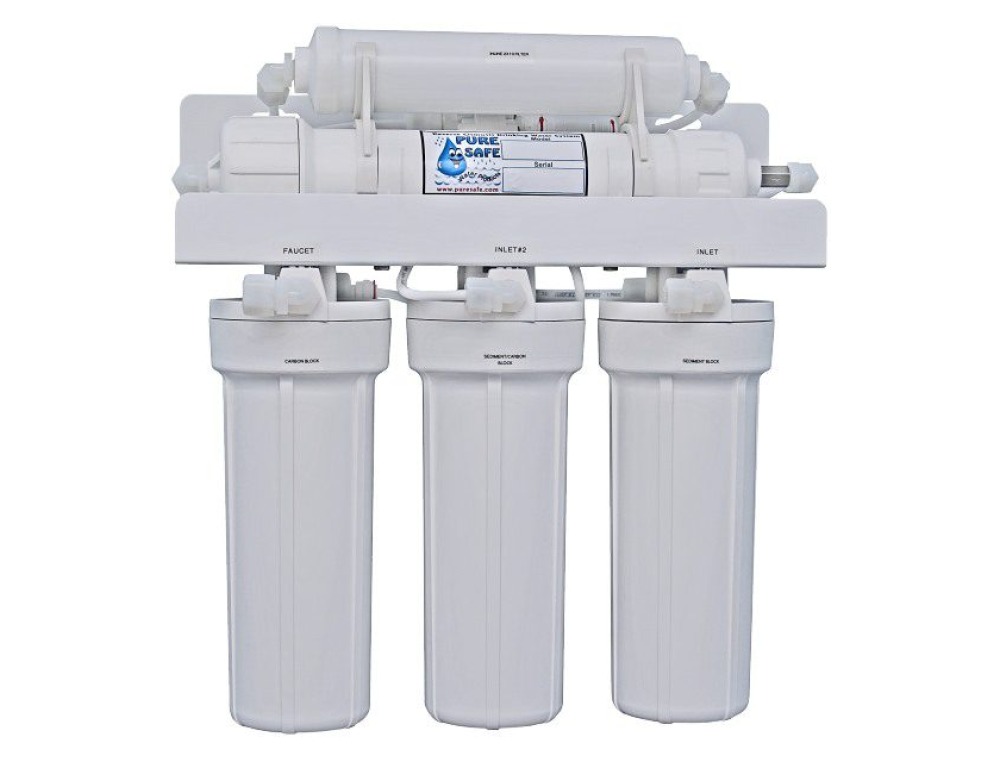
EPS-5T
Five-stage arrangement
Quick Answer
EPS is a two-model Water Fixers RO series. EPS-3T is the three-stage arrangement; EPS-5T is the five-stage arrangement. Stage count tells you how the system is arranged—it does not, by itself, prove contaminant reduction, production capacity, certification or membrane performance. Compare the actual supplied components, your water, the installation space and the service plan.
CHOOSE YOUR EPS MODEL
EPS-3T or EPS-5T?
Both are EPS-series under-sink RO systems. Use the exact model pages for model-specific components; use this page to understand the family and the selection decision.
EPS-3T
Three-stage EPS arrangement. A simpler service layout with fewer cartridge positions. Confirm the exact supplied cartridge sequence, storage-tank space, faucet choice and future service access before ordering.
EPS-5T
Five-stage EPS arrangement. A broader cartridge/service layout. Current Water Fixers documentation also identifies 3/8-inch tank and faucet tubing for this model; confirm the supplied package before installation or parts selection.
DOCUMENTED DIFFERENCE
What Actually Separates the Two EPS Models
Stage Arrangement
EPS-3T has three listed stages; EPS-5T has five. That changes the cartridge/service layout, not a universal quality ranking.
Cartridge Package
Confirm the actual supplied cartridge sequence and replacement identifiers instead of buying parts from the family name alone.
Installation Details
Cabinet space, tank placement, faucet choice, drain connection, tubing and service clearance can change the better fit.
Ongoing Ownership
Both models still need filter service, sanitation when appropriate, leak checks, tank/fitting checks and membrane evaluation.
BEFORE YOU ORDER
Six Things to Confirm Before Choosing EPS-3T or EPS-5T
Your Drinking-Water Goal
Start with what you want the point-of-use system to address. If the decision depends on a specific water constituent, testing should guide the treatment choice.
The Supplied Components
Stage count is shorthand. Confirm the membrane, cartridge sequence, fittings and other components actually included with the selected model.
Cabinet + Tank Space
Confirm room for the filter assembly, storage tank, shutoffs, drain connection and access for future cartridge changes.
Faucet + Tubing Route
Plan the dedicated drinking-water faucet and any refrigerator/ice-maker routing before the final system is selected.
Feed Pressure + Plumbing
Installation planning should include the feed connection, operating pressure and accessible isolation so the system can be serviced later.
Maintenance Preference
Choose a configuration whose cartridge and service plan you are comfortable maintaining rather than choosing by stage count alone.
WHAT THE MODEL NAME DOES — AND DOES NOT — TELL YOU
Use the EPS Name as a Configuration Guide, Not a Performance Shortcut
Water Fixers can help match the equipment to the actual water and installation. Use the dedicated testing, filtration, softener and repair pages when the question moves beyond choosing between EPS configurations.
Stage Count Is Not a Lab Result
A three-stage or five-stage label does not establish a contaminant-reduction percentage or certification. Verify documented performance for the exact system when that matters.
RO Is Point-of-Use Treatment
An EPS system is for drinking-water treatment at selected fixtures. It is not a whole-house water softener or a substitute for broader filtration when that is the actual goal.
Symptoms Need Diagnosis
Low flow, taste changes, tank issues or leaks can involve filters, pressure, tubing, the storage tank, valves or the membrane. Do not guess one part from one symptom.
INSTALLATION PLANNING
Choose the Model With the Installed Layout in Mind
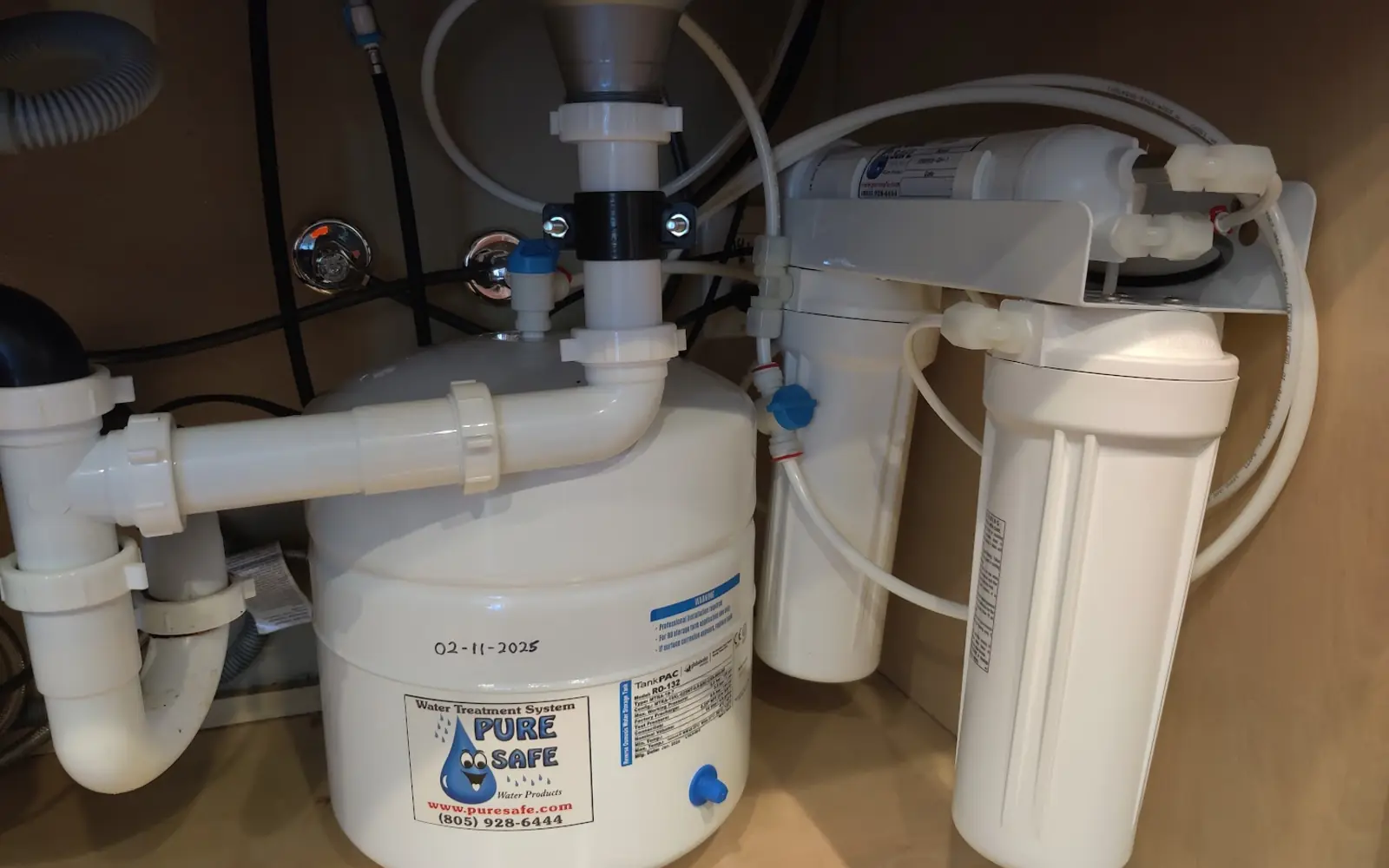
Under-sink RO is a small treatment system, but it still needs a planned water path. Water Fixers checks cabinet access, the feed-water connection, storage-tank location, faucet placement, drain connection, tubing route and future service clearance before installation.
If you are replacing an existing RO, the usable parts of the old layout should be evaluated instead of assuming every component will carry over.
FILTERS • MEMBRANE • SERVICE
Keep the Exact Model and Cartridge Information With the System
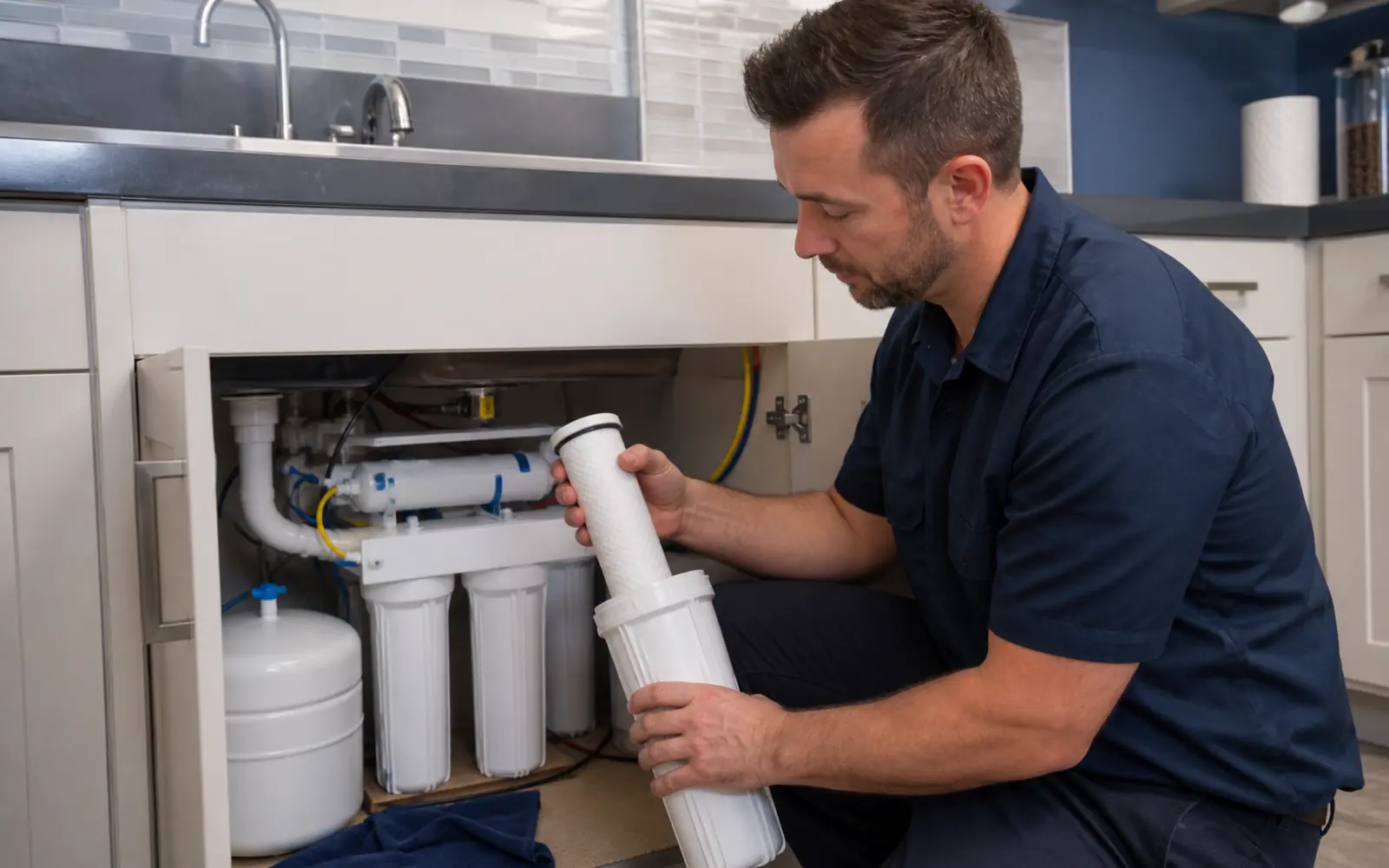
EPS ownership continues after installation. Routine cartridge replacement, sanitation, storage-tank checks, faucet and fitting inspection, membrane evaluation and troubleshooting are separate tasks. The installed model and cartridge identifiers make future service more accurate.
There is no single replacement calendar that fits every installation. Water conditions, usage, component type and observed system performance all matter.
KEEP COMPARING WHEN IT HELPS
EPS Is One Part of the Water Fixers RO Lineup
The main RO systems page owns the complete model-to-model comparison. This EPS page stays focused on the two EPS choices so it does not compete with that broader comparison hub.
EPS
You are here. Use EPS-3T and EPS-5T when this series and its supplied component packages fit the installation and service plan.
CPS
Compare CPS configurations when you want to evaluate another Water Fixers under-sink RO family and its component layout.
SPS
Compare SPS when its current cartridge package and service arrangement better match the home and maintenance plan.
UPS
Compare UPS when its current package, including the UV-equipped configuration, is relevant to the documented treatment goal and installation.
FINAL FIT CHECK
A Practical EPS Decision Checklist
Choose EPS-3T When…
The documented three-stage package fits the treatment goal, cabinet space and ownership plan, and you prefer the simpler three-position service layout.
Choose EPS-5T When…
The documented five-stage package and its installation details fit the goal and you want that broader cartridge/service arrangement—not simply because five is a larger number.
Before the order is finalized: identify the exact model, verify the supplied cartridges/components, confirm cabinet/tank/faucet/drain fit, understand the maintenance path, and use testing when the water chemistry needs to drive the decision.
EPS SERIES FAQ
EPS Reverse Osmosis Questions
Direct answers about the EPS family, the two model choices and long-term ownership.
EPS is a Water Fixers under-sink reverse-osmosis family with two listed configurations: EPS-3T and EPS-5T. The exact supplied components and installation details should be confirmed before ordering.
EPS-3T is the three-stage arrangement. EPS-5T is the five-stage arrangement and Water Fixers currently documents 3/8-inch tank and faucet tubing for that model. The actual cartridge packages and installation fit matter more than stage count alone.
No. More stages describe a different arrangement. They do not by themselves prove higher contaminant reduction, capacity, certification or membrane performance.
No. EPS systems are point-of-use reverse-osmosis drinking-water systems. Whole-house hardness, sediment, odor or broader filtration goals should be evaluated through the appropriate whole-house treatment path.
Confirm the exact supplied components, cabinet space, feed-water connection, storage-tank placement, faucet location, drain connection, tubing route and future service access.
There is no one interval that applies to every EPS installation. The installed cartridge type, water conditions, usage and system performance should guide service along with the applicable component instructions.
Evaluate the membrane when treated-water quality or production changes, when service history is unclear, or when diagnosis indicates the membrane may be involved. Do not replace it solely because of age without checking the rest of the system.
Yes. Water Fixers can inspect the installed EPS configuration and route the work to filter replacement, maintenance, membrane evaluation or repair based on what the system actually needs.
Use the main Reverse Osmosis Systems comparison page to compare EPS with CPS, SPS and UPS, and use water testing when the treatment decision depends on the actual water chemistry.
Need Help Choosing Between EPS-3T and EPS-5T?
Water Fixers can confirm the supplied configuration, review the installation space and help you choose the EPS model that fits the actual drinking-water goal and service plan.
Water Fixers Plumbing & Filtration • California’s Central Coast • License #719792