REVERSE OSMOSIS • ORCUTT
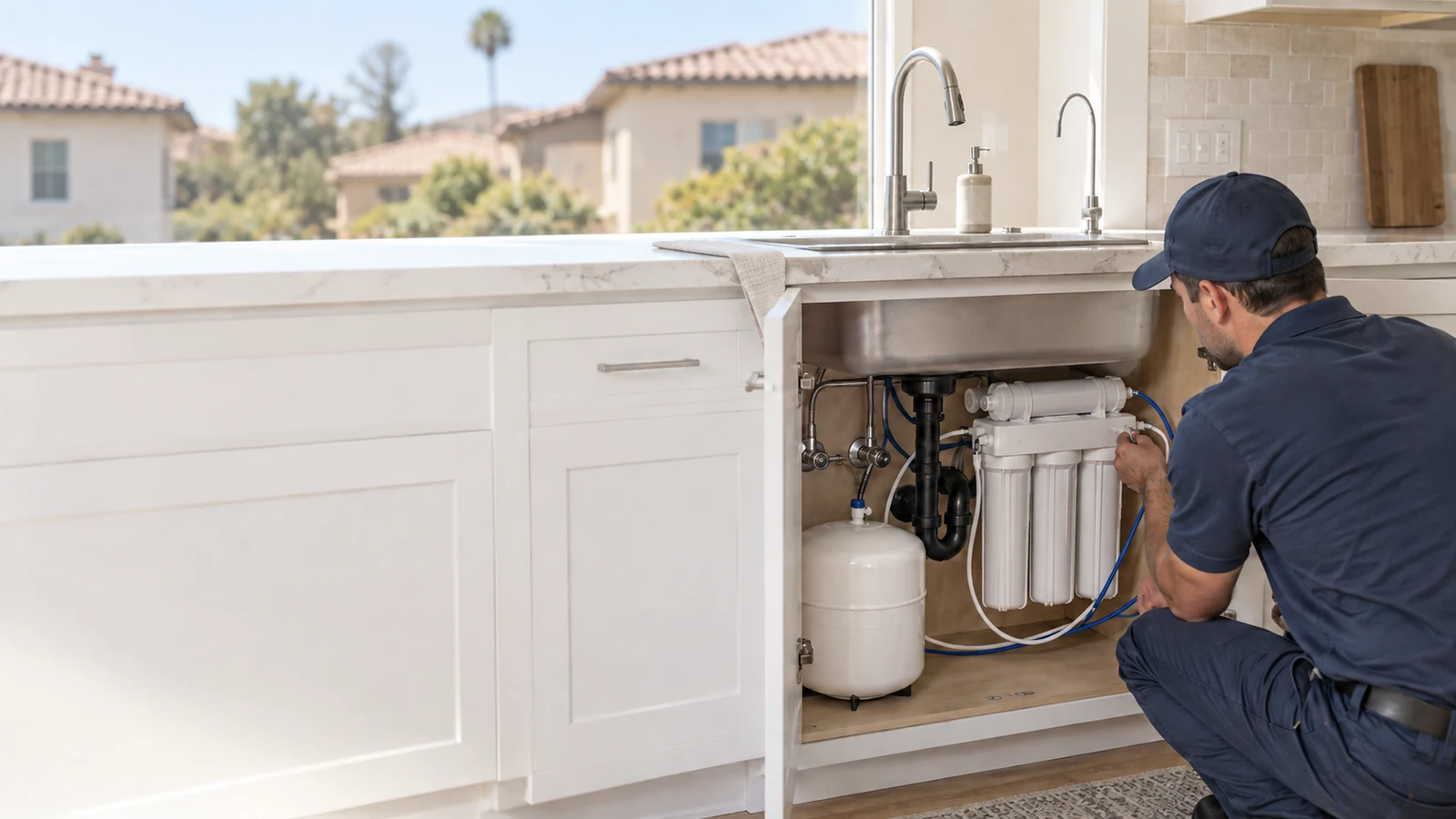
Water Fixers helps Orcutt homeowners plan and service under-sink reverse-osmosis systems. Start with the drinking-water goal, the property’s actual water source, the installed plumbing and any existing treatment before choosing a model or replacing parts.
Start by confirming the water provider, feed pressure and any existing softener or whole-house filter. Utility reports are useful context, but the final RO choice should be based on the actual property, installation space and drinking-water goal.
Compare the current CPS, SPS, EPS and UPS configurations, then confirm cabinet/tank/faucet fit and pressure.
No water, low flow, leaking, noise, taste changes or constant running should be diagnosed before parts are guessed.
If routine filters or scheduled maintenance are due, use the dedicated maintenance path instead of treating normal service as a repair.
If the goal involves hardness, sediment, odor or whole-house concerns, start with testing and the local water guide.
ORCUTT WATER CONTEXT
For customers served by Golden State Water’s Orcutt system, the company’s 2026 Consumer Confidence Report on 2025 water quality says the system uses treated groundwater pumped from the Santa Maria Groundwater Basin and supplements that supply with water purchased from the City of Santa Maria. The report lists 2025 hardness at 5.8–25 grains per gallon, averaging 21 grains per gallon, and total dissolved solids at 320–760 mg/L, averaging 610 mg/L. Those are system-level figures—not a measurement at one faucet—so confirm the provider and property conditions before choosing treatment.
INSTALLATION IN ORCUTT
Hardness and upstream treatment can affect prefilters, housings and service intervals, so the RO should be planned as part of the property’s treatment train rather than as an isolated appliance.
Use the tabs for a clear side-by-side starting point. Stage count is one configuration detail—not a quality ranking. Open the full model page for the exact current component package and service information.
Water Fixers offers seven residential RO configurations across the CPS, SPS, EPS and UPS series. Use these compact tabs to compare the stage arrangement, installation format and service considerations, then open the full model page for the exact current component package. Stage count alone is not a quality ranking, and the city name does not determine the model.
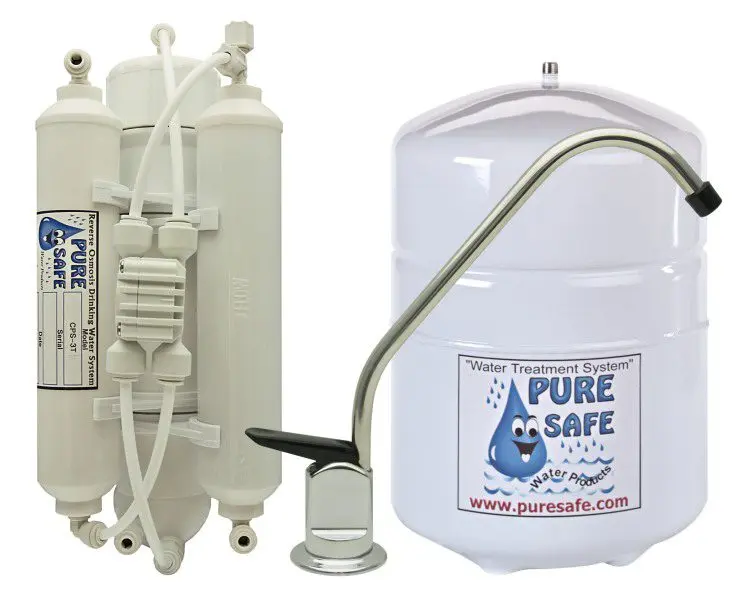
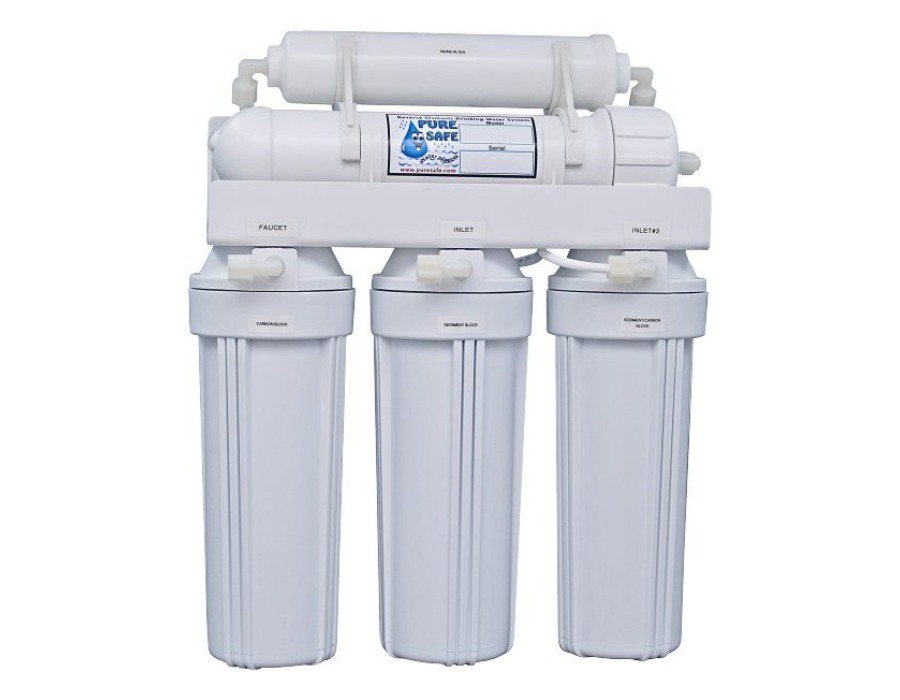
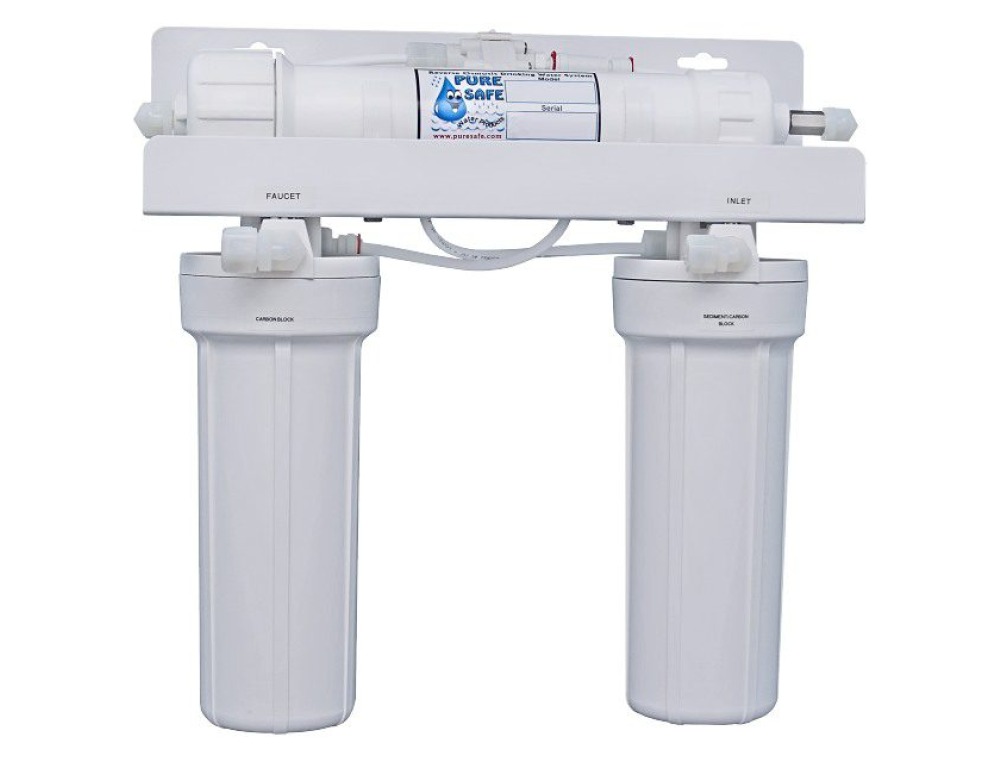
CPS SERIES • 3-STAGE
A three-stage CPS under-sink reverse-osmosis configuration for homeowners who want a straightforward serviceable arrangement.
SERIES
STAGE ARRANGEMENT
INSTALLATION
SELECTION RULE
Planning note: Confirm cabinet, storage-tank and faucet space before ordering or installing.
View the full CPS-3T model page → • Compare all RO systems → Showing this unit on the Orcutt page does not mean it is automatically the right model for every Orcutt property.
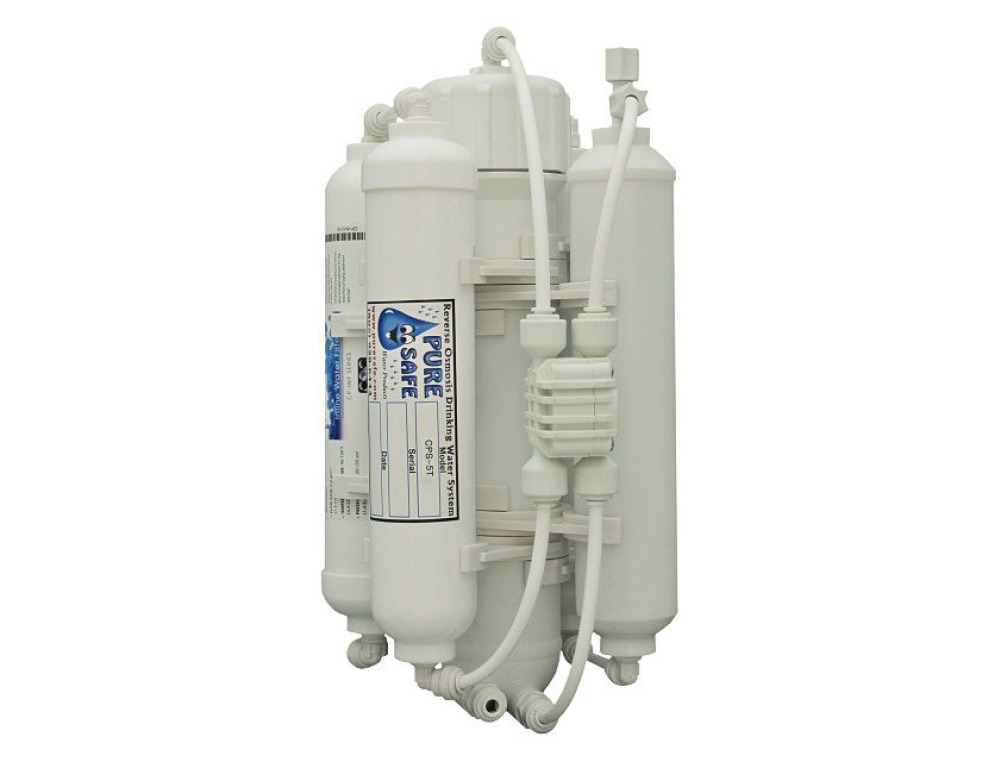
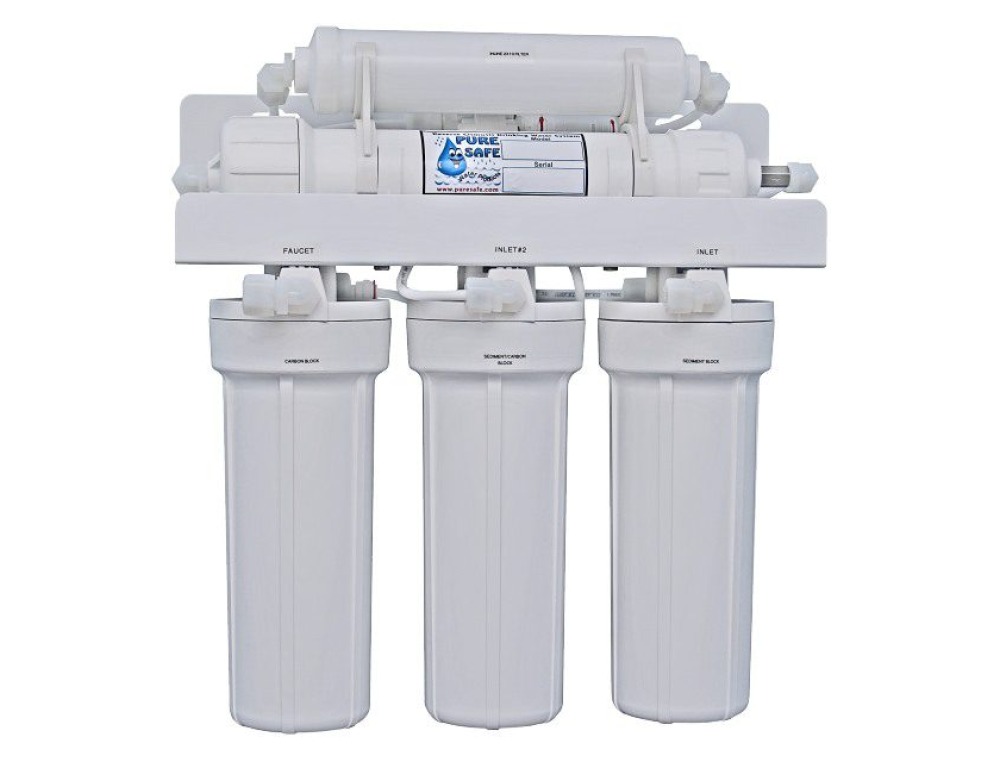
CPS SERIES • 5-STAGE
A five-stage CPS configuration that adds treatment stages while keeping the system in the same serviceable under-sink family.
SERIES
STAGE ARRANGEMENT
INSTALLATION
SELECTION RULE
Planning note: Compare the actual cartridge sequence and service plan rather than choosing by stage count alone.
View the full CPS-5T model page → • Compare all RO systems → Showing this unit on the Orcutt page does not mean it is automatically the right model for every Orcutt property.
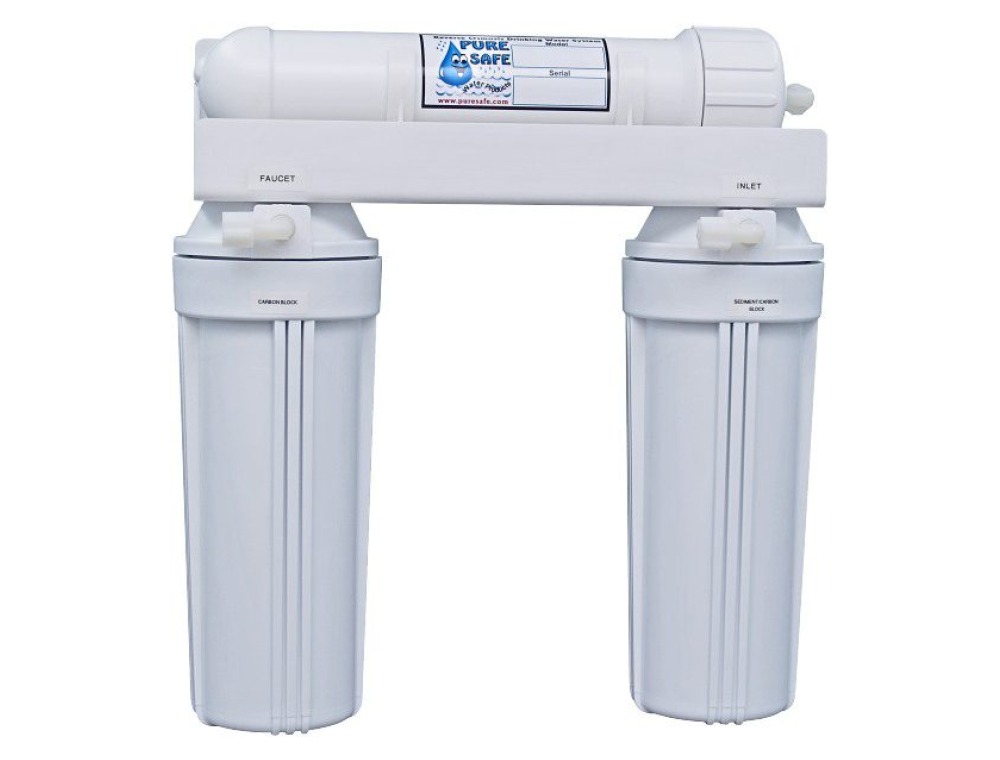
SPS SERIES • 3-STAGE
A three-stage SPS configuration using the current SPS cartridge package and a conventional storage-tank layout.
SERIES
STAGE ARRANGEMENT
INSTALLATION
SELECTION RULE
Planning note: Confirm the supplied cartridge package, cabinet fit, pressure and future filter access.
View the full SPS-3T model page → • Compare all RO systems → Showing this unit on the Orcutt page does not mean it is automatically the right model for every Orcutt property.
SPS SERIES • 5-STAGE
A five-stage SPS configuration for customers comparing a broader cartridge sequence in the SPS family.
SERIES
STAGE ARRANGEMENT
INSTALLATION
SELECTION RULE
Planning note: Choose from water conditions, cartridge sequence and maintainability—not from the number five by itself.
View the full SPS-5T model page → • Compare all RO systems → Showing this unit on the Orcutt page does not mean it is automatically the right model for every Orcutt property.
EPS SERIES • 3-STAGE
A three-stage EPS configuration with a confirmed component package and conventional under-sink storage-tank layout.
SERIES
STAGE ARRANGEMENT
INSTALLATION
SELECTION RULE
Planning note: Verify the exact component package and installation space before final selection.
View the full EPS-3T model page → • Compare all RO systems → Showing this unit on the Orcutt page does not mean it is automatically the right model for every Orcutt property.
EPS SERIES • 5-STAGE
A five-stage EPS configuration for customers comparing the current EPS filter/component package and service layout.
SERIES
STAGE ARRANGEMENT
INSTALLATION
SELECTION RULE
Planning note: Confirm supplied configuration and tubing/faucet details before ordering or modifying an existing installation.
View the full EPS-5T model page → • Compare all RO systems → Showing this unit on the Orcutt page does not mean it is automatically the right model for every Orcutt property.
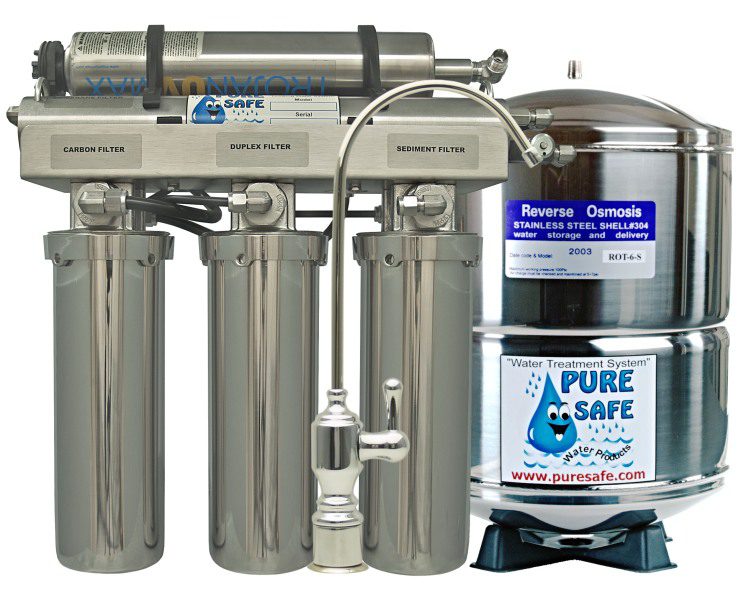
UPS SERIES • 5-STAGE + UV
A stainless-system UPS configuration with a UV component in the current product package.
SERIES
STAGE ARRANGEMENT
INSTALLATION
SELECTION RULE
Planning note: Confirm electrical access and the selected UV component. Standard residential RO is not a substitute for bacteriological safety testing.
View the full UPS-5T model page → • Compare all RO systems → Showing this unit on the Orcutt page does not mean it is automatically the right model for every Orcutt property.
Not sure which one fits? Start with the feed-water conditions, drinking-water goal, pressure, cabinet/tank/faucet space and service access. Orcutt alone does not determine the model. Open the full Water Fixers RO systems comparison →
For an existing system, check filter age, tank condition, pressure and flow together instead of treating slow water as proof of a failed membrane.
Filters, tank pressure, feed pressure, shutoff behavior, tubing, drain routing and membrane condition can create overlapping symptoms.
Water Fixers can evaluate systems it did not originally install when the configuration and parts are serviceable.
WHAT WE CONFIRM
The right recommendation depends on the property’s water source, treatment goal, plumbing and installed equipment—not just the city name.
Use the Orcutt Water Quality Guide for source context and testing when the treatment goal is uncertain.
Check feed pressure, tank/faucet/drain layout, existing filters/softener and future service clearance.
Identify the system and normal cartridge history before ordering filters, a membrane or replacement components.
Choose the service path that matches the actual job: installation or replacement for a new system, service and repair for a performance problem, and maintenance/filter service when the task is already known.
Membrane-specific work routes to RO Membrane Evaluation & Replacement.
Use these local resources for plumbing, water-quality context and broader Santa Maria Valley service information.
Golden State Water’s 2026 report on 2025 water quality says its Orcutt system uses treated groundwater from the Santa Maria Groundwater Basin plus water purchased from the City of Santa Maria. It reports hardness of 5.8–25 grains per gallon, averaging 21 grains per gallon. Those are system-level figures, so confirm the provider and property conditions before choosing treatment. For more context, see the Orcutt Water Quality Guide.

Tell Water Fixers whether you are planning a new system, servicing an existing RO or trying to understand the water goal. We can route the next step without making the city name stand in for a diagnosis.
Local resources: Orcutt plumber • water-quality guide
CALL NOW! Se Habla Español!