
GROVER BEACH, CA • WATER PRESSURE • PUMP & SYSTEM DIAGNOSIS
Water-pressure problems in Grover Beach can be limited to one fixture, shared by one plumbing branch or felt throughout the property. Water Fixers starts by measuring the condition and narrowing that boundary before recommending a PRV, plumbing repair, leak diagnosis or customer-owned pressure-system work.
Serving Grover Beach and the Five Cities • CA License #719792 • Se Habla Español

START WITH THE SYMPTOM
The same pressure complaint can have very different causes. Compare one fixture, one branch and the whole property before treating the symptom as a pump or regulator failure.
Use an actual pressure reading before assuming a regulator has failed. High pressure belongs on the high-pressure / PRV path.
A whole-property drop can involve the incoming supply, valves, regulation, treatment equipment, a leak or a customer-owned pressure system. Measure before replacing parts.
If pressure falls mainly when several fixtures run, compare the entry point with downstream fixtures and equipment to find where flow is being restricted.
A sudden change can justify checking for a valve change, hidden water loss, supply-side interruption or another new condition before adjusting pressure equipment.
Only use the well-pressure path when the property actually has private-well, pressure-tank or customer-owned booster equipment. City wells are not household well systems.
If the symptom points toward customer-side piping, valves or a service connection rather than the regulator, use the broader plumbing path for the defined repair.
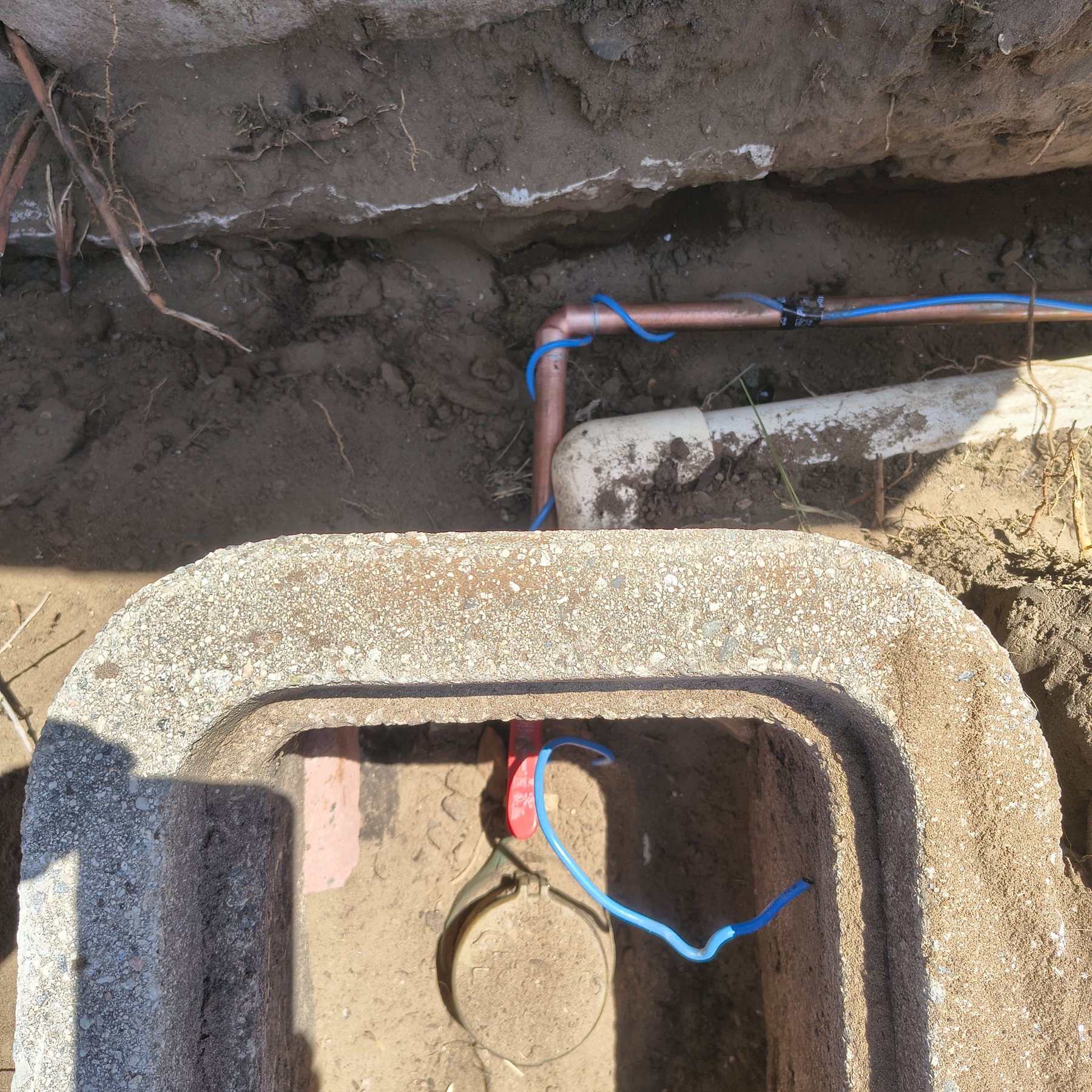
PRESSURE PROBLEMS HAVE DIFFERENT CAUSES
Weak or inconsistent flow does not identify the failed component by itself. A fixture restriction, partially closed valve, pressure regulator, treatment device, hidden leak, customer-side supply restriction or actual pump/pressure equipment can produce overlapping symptoms.
Water Fixers checks the plumbing-side evidence first so a booster, pump or regulator is not replaced simply because the complaint is “low pressure.”
PUBLIC SUPPLY OR CUSTOMER-OWNED PRESSURE EQUIPMENT?
For City-served addresses, public-system wells and booster facilities are upstream utility infrastructure; they are not the same thing as a private-well pump, pressure tank or residential booster at the property. If customer-owned well or booster equipment is actually present, the diagnostic path changes.
Start with the pressure reaching the customer side, then check the property’s valves, PRV, piping, treatment equipment and fixtures. One weak faucet does not point to a City-system pressure problem.
Pump, pressure switch, pressure tank, filters and source-side conditions can affect whole-property pressure when those components are actually part of the property. Specialty electrical work, drilling or pump pulling may require the appropriate specialist.
PRESSURE TOO HIGH?
A Pressure Regulator Valve (PRV) reduces excessive incoming pressure. It does not increase low pressure and it is not a booster pump. If a gauge shows genuinely high or unstable downstream pressure, keep the next step on the high-pressure / PRV path instead of treating it as a pump problem.
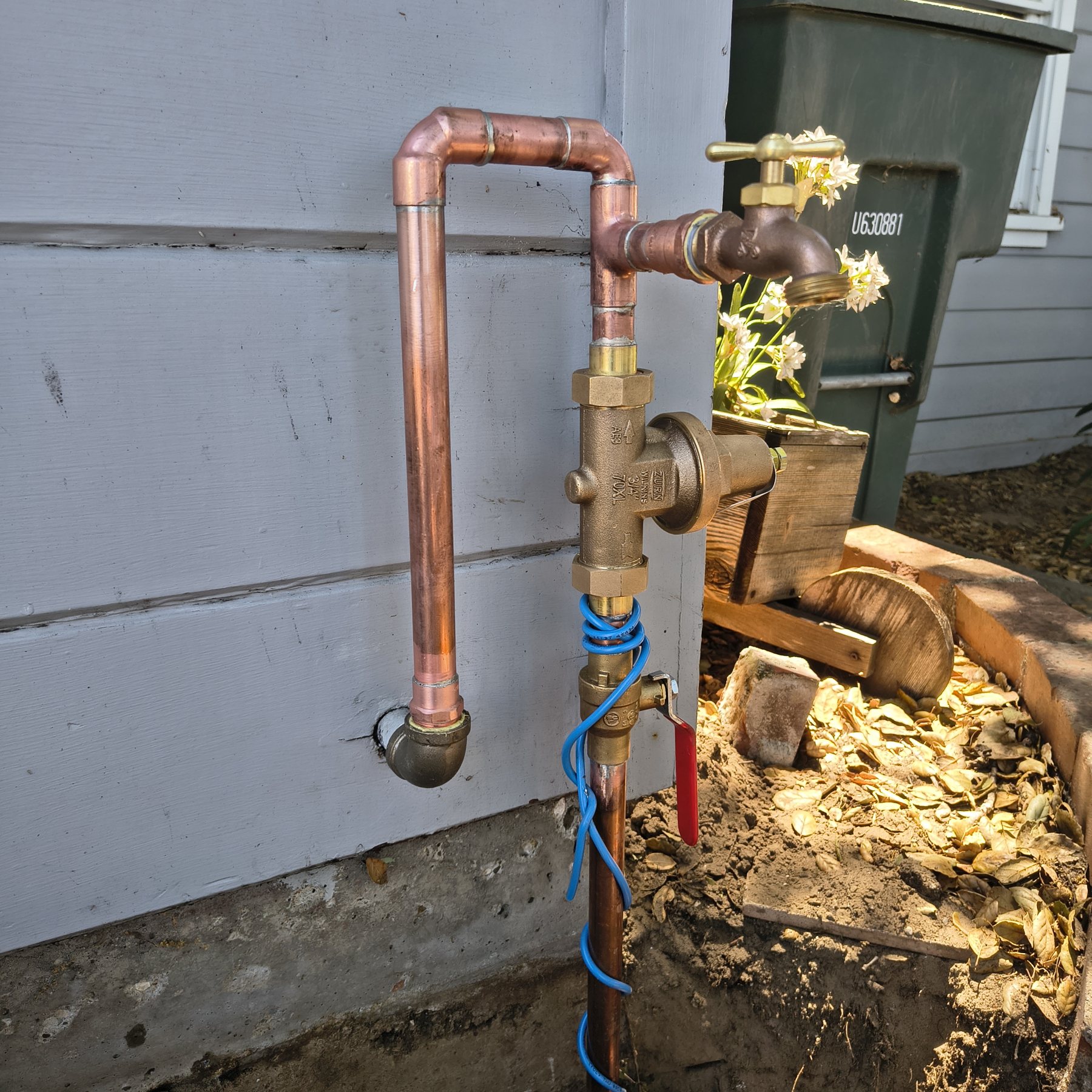
LOW OR INCONSISTENT PRESSURE
Compare pressure near the customer-side entry with what reaches the house. Whole-property symptoms deserve upstream plumbing and pressure checks before a pump is added.
A local aerator, cartridge, stop valve, connector or branch restriction is a different problem from whole-home pressure equipment.
Use local leak detection when the pressure change is paired with unexplained meter movement, water use or moisture and the source is not visible.
If the restriction is tied to accessible customer-side piping, a valve or the property-side service connection, use the plumbing-services path for the defined repair.
Use the private-well pressure path only when the property really relies on customer-owned well pressure equipment.
If pressure changes across a shutoff, filter, softener or other installed equipment, test that boundary before blaming the PRV or adding a pump.
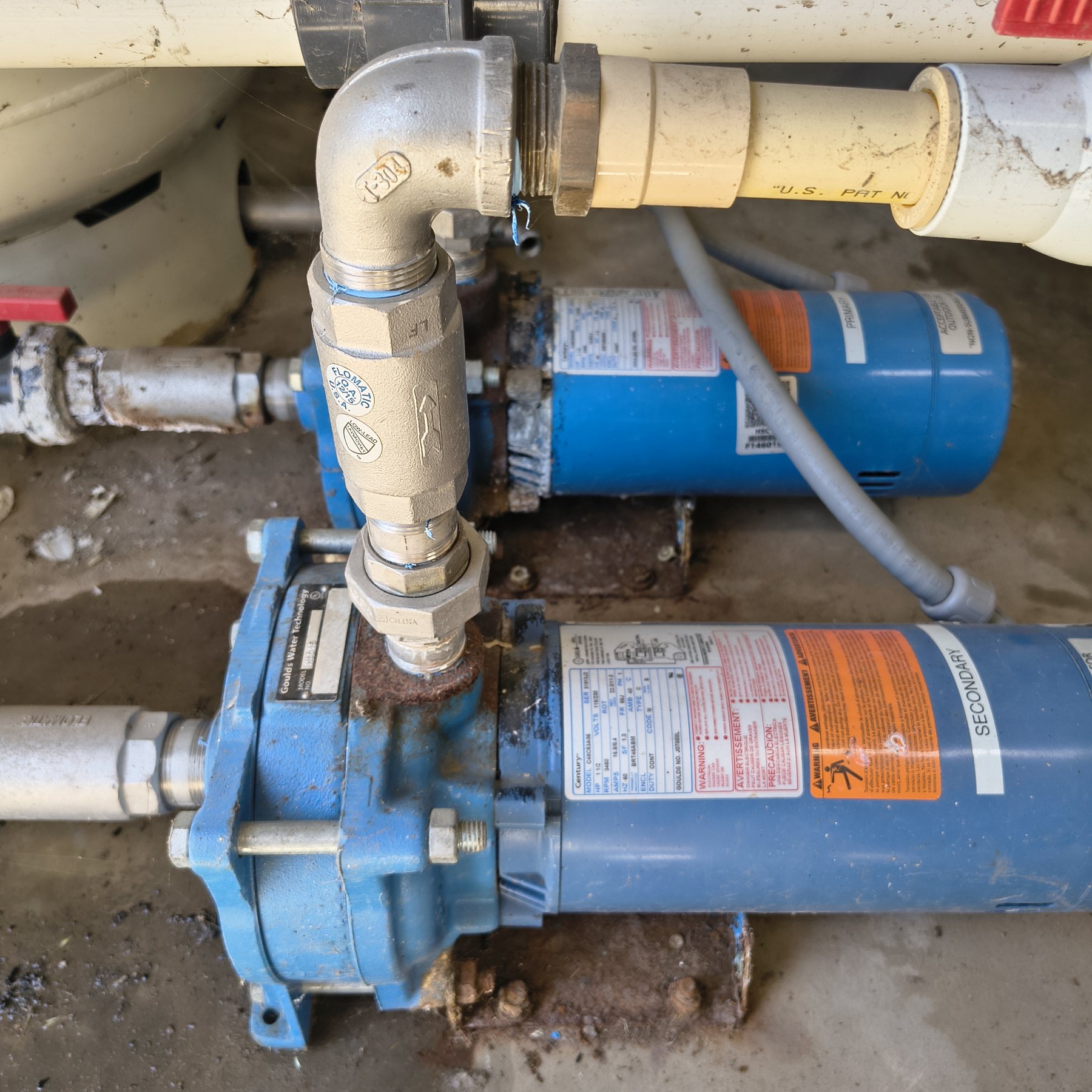
PRESSURE CHANGED SUDDENLY?
A pressure drop can occur alongside a leak, but pressure loss alone does not prove that water is escaping. If unexplained water use, meter movement or moisture appears with the pressure change and the source is not visible, use Grover Beach leak detection. If the failed valve, connector or exposed pipe is already known, move directly to the appropriate plumbing repair.
PRIVATE WELL OR BOOSTER?
If a property actually uses a private well, pressure tank or customer-owned booster, tell Water Fixers what equipment is present and what changed. Plumbing-side diagnosis can help separate valves, filters, piping and pressure-system behavior from drilling, pump pulling or electrical-only work that may require another specialist.
WHEN PRESSURE IS NOT THE ONLY PROBLEM
If the restriction or leak is already tied to a visible valve, connector, fixture or accessible pipe, use ordinary plumbing repair instead of pressure-system diagnosis.
Uncontrolled water or immediate property risk belongs on the Grover Beach emergency-plumbing path rather than a routine pressure appointment.
GROVER BEACH WATER-SYSTEM CONTEXT
Grover Beach Public Works manages the City water treatment and distribution systems and identifies Lopez Lake and local groundwater as the two main potable-water sources. That source mix explains where City water comes from; it does not identify why one customer-side fixture, branch or property has a pressure problem.
Current City right-of-way guidance states that C-36 plumbing contractors may perform water and gas piping from the property owner’s side of the utility meter to the structure or fixed works. Public right-of-way work follows separate City requirements. For a property pressure complaint, start with customer-side readings and the actual symptom; contact Public Works when the concern appears to involve City-owned infrastructure.
HOW THE PRESSURE CHECK IS NARROWED
1
Note whether pressure is high, low, inconsistent, sudden or mainly worse when demand increases.
2
The smallest area with the symptom helps separate a local restriction from an upstream pressure issue.
3
Identify whether the property is City-served and whether any private-well, booster, PRV, filter or softener equipment is actually present.
4
Use readings and operating behavior to find where the change occurs instead of guessing at the failed component.
5
Keep PRV service, high-pressure education, leak detection, general plumbing and private-well pressure work on the path that matches the evidence.
6
After the approved repair or adjustment, recheck the affected pressure/flow condition so the original symptom is actually addressed.
WHICH SERVICE FITS THE PRESSURE PROBLEM?
Pressure complaints overlap with several plumbing systems. These routes keep a measured high-pressure problem, an unknown leak, a localized repair and a true private-well pressure issue from being treated as the same job.
Use the high-pressure guide when a gauge reads high or fixtures are unusually forceful. Measure first; do not condemn a part from the symptom alone.
Use PRV service when testing points to excessive incoming pressure, unstable regulation or a regulator that is not holding the intended downstream pressure.
Use the well-pressure path only when the property actually relies on private-well or customer-owned well pressure equipment.
Use Grover Beach leak detection when pressure changes are paired with unexplained water use or moisture and the source is not visible.
Use Plumbing Services when the affected piping, valve, connector or other property-side restriction is defined.
Use Plumbing Services when the symptom stays with one fixture or branch and whole-property pressure is otherwise normal.
WATER PRESSURE FAQ
GROVER BEACH
Tell Water Fixers whether one fixture, one branch or the whole Grover Beach property is affected, whether the change was sudden, and what valves, regulators, treatment equipment or customer-owned pressure equipment are installed. The goal is to identify the pressure boundary before replacing parts or adding a pump.
CALL NOW! Se Habla Español!