
Water Fixers helps Guadalupe homeowners evaluate weak flow, forceful pressure and changing pressure without assuming a regulator, pump or valve is automatically the cause. Start with the symptom, the property boundary and an actual pressure reading, then route the repair from evidence.
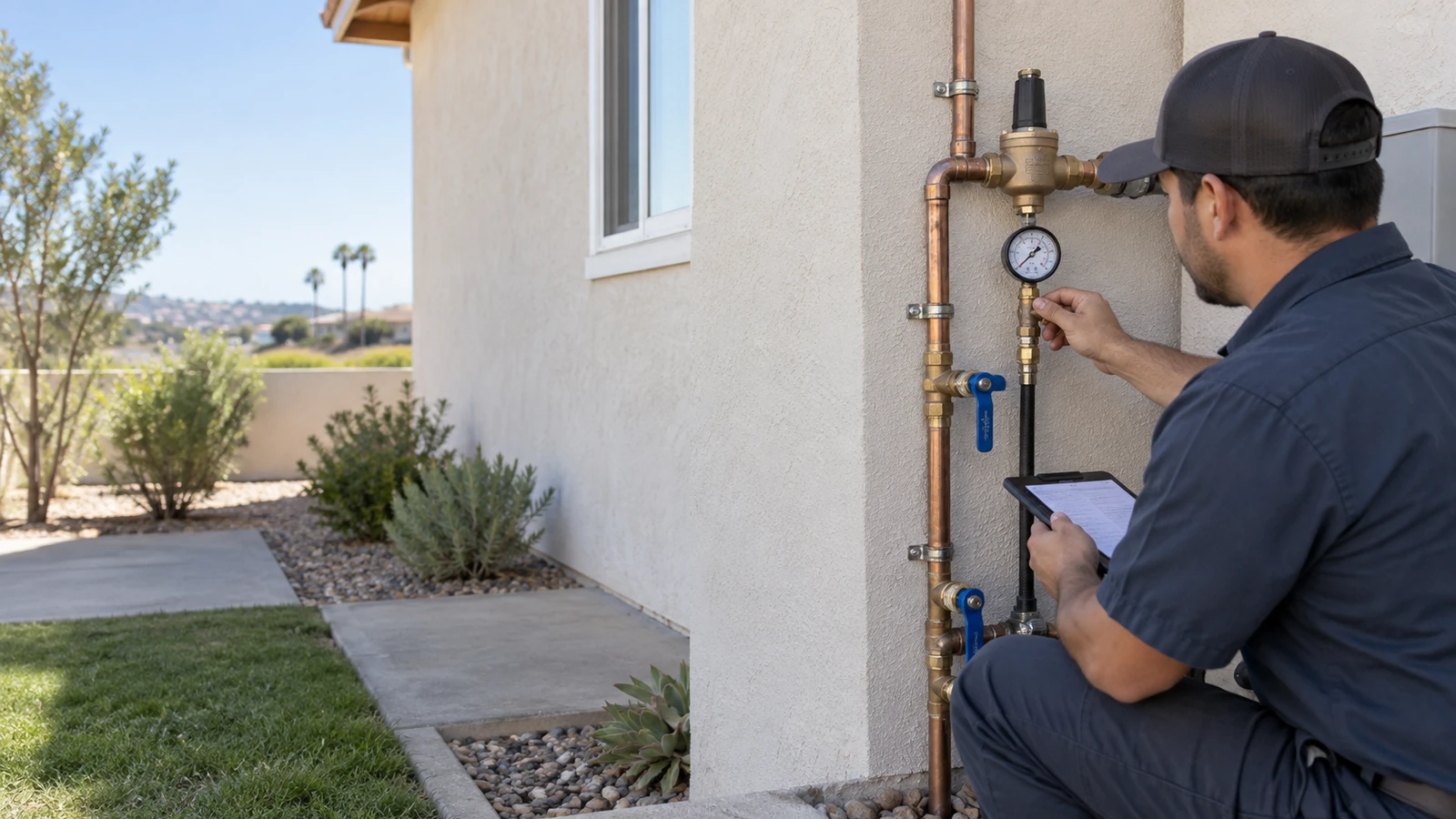
Pressure is a system symptom, not a part name. Separate a whole-property problem from one weak fixture, then note whether the change is constant, demand-related, sudden, high, or connected to customer-owned well equipment.
Forceful flow or a high gauge reading belongs on the high-pressure and PRV path before a regulator is condemned.
Compare the incoming property-side pressure with what reaches the building before adding a booster or replacing a control.
If pressure drops when several fixtures run, measure the change under demand and check valves, regulation, piping and treatment restrictions.
A sudden change can justify checking for an unknown-source leak, service issue, valve problem or another recent change.
Private-well pressure uses a different diagnostic path from municipal incoming-pressure regulation.
A service or supply-line problem can reduce available flow. Keep that possibility separate from a PRV or residential booster decision.
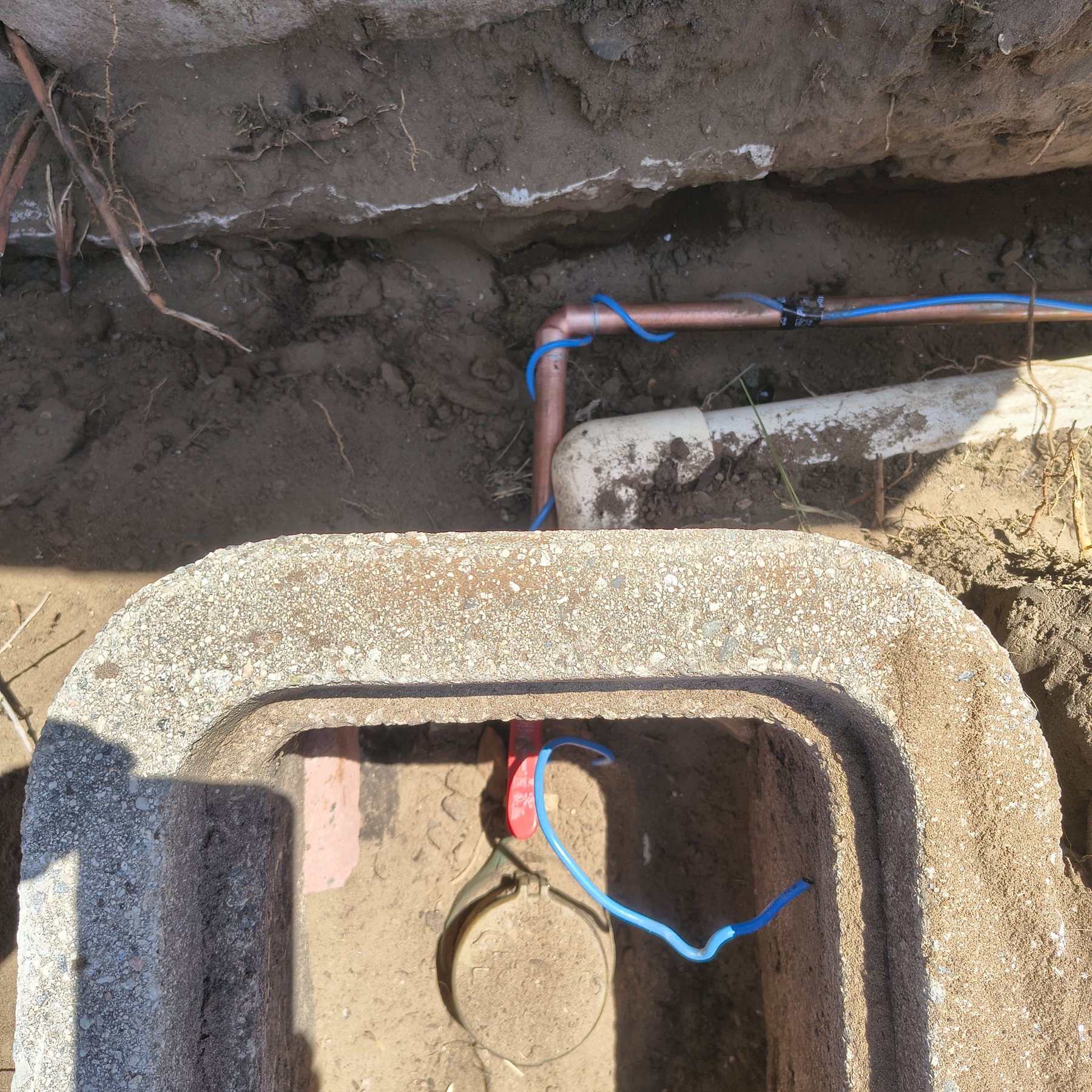
Weak or inconsistent flow can involve a regulator, valve, restriction, leak, service-line condition, treatment equipment or customer-owned well pressure equipment. A municipal booster station upstream does not establish that a Guadalupe home needs its own booster.
For properties connected to Guadalupe city water, begin with the incoming customer-side pressure, valves, regulator, service line and downstream restrictions. If the property actually uses a private well or customer-owned pump and pressure tank, use the well-pressure path. Water Fixers does not represent well drilling, pump pulling or electrical-only pump work as ordinary plumbing service.
Public-system pumps and reservoirs operate upstream of the property. Household diagnosis starts with what pressure is actually arriving and where it changes after the service enters the property.
Private-well pressure can involve a pump, pressure switch, pressure tank, filters and source-side conditions. That is different from diagnosing municipal incoming pressure.
A Pressure Regulator Valve (PRV) reduces excessive incoming pressure. It is not a booster pump and it should not be replaced just because the flow feels unusual. Test static pressure and, when useful, pressure under demand before choosing the next step.
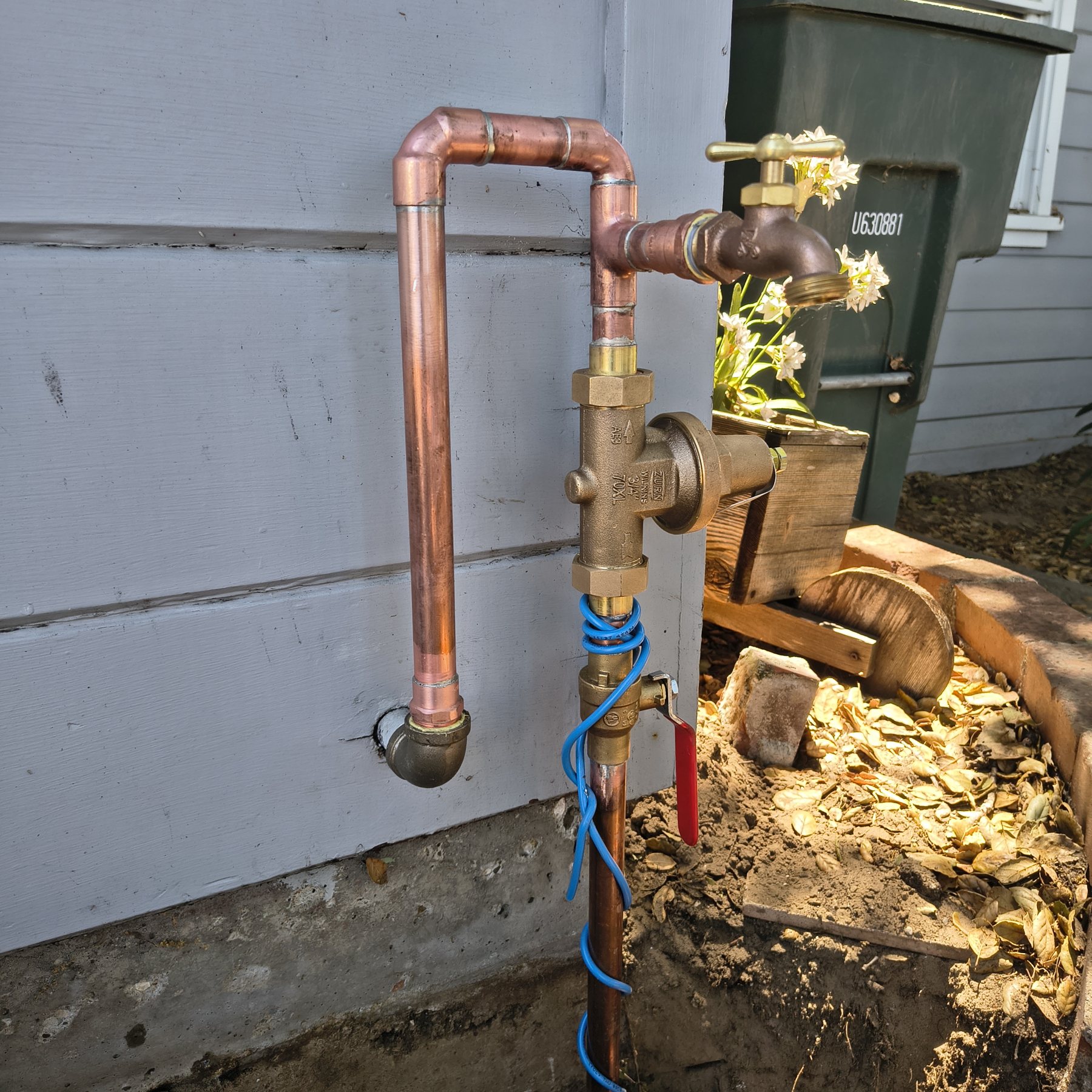
A whole-property symptom points farther upstream than one faucet and deserves a system-level pressure check.
If the rest of the property is normal, begin with the fixture, stop valve, connector or branch instead of a whole-home pressure system.
When pressure changes together with unexplained water use or moisture, local leak detection can help locate the unknown source.
A larger incoming supply-line concern should be evaluated separately from a regulator or booster decision.
Customer-owned well pressure equipment changes the troubleshooting path and should not be treated like a municipal PRV problem.
A failed or unreliable shutoff is its own plumbing-control problem and should not be forced during pressure troubleshooting.
A leak can affect pressure or flow, but a pressure drop by itself does not prove a leak. If unexplained water use, meter movement or moisture is present and the source is unknown, use Guadalupe Leak Detection. If a larger incoming service line is already suspected, use the dedicated water-line path.
If a Guadalupe-area property actually relies on a private well, customer-owned pump or pressure tank, identify that equipment before applying city-water pressure logic. Water Fixers can evaluate plumbing-side pressure concerns and route drilling, pump-pulling or electrical-only work to the appropriate specialist when needed.
If a normal shutoff will not operate or is leaking, address the valve safely rather than forcing it during a pressure test.
Uncontrolled water or immediate property-damage risk belongs on the local emergency-plumbing path rather than a routine pressure appointment.
The City of Guadalupe says its municipal supply uses local groundwater and imported State Water that are blended before distribution, with reservoirs storing water to meet demand. The City’s 2042 General Plan also describes the Obispo Street booster pump station as part of the distribution system. That infrastructure does not tell us that a particular home needs a booster pump. A property complaint still starts with an actual customer-side pressure measurement.
If a sudden whole-property loss of service appears utility-side rather than plumbing-side, the City currently lists Water Department Emergency On-Call at (805) 406-9443.
1
2
3
4
5
6
A pressure complaint can overlap with several plumbing systems. Use the service below that matches what testing or inspection actually shows instead of replacing equipment from symptoms alone.
Use the high-pressure guide for excessive measured pressure and pressure-related symptoms.
Use PRV service when testing points to incoming-pressure regulation, unstable downstream pressure or a regulator problem.
Use the well-pressure guide when customer-owned pump or pressure-tank equipment is actually part of the property system.
Use Guadalupe leak detection when water loss or moisture is credible but the failed component is still unknown.
Use water-line help when the larger incoming service or supply line is suspected or confirmed.
Use general plumbing service when the issue is localized to a known fixture, valve, connector or accessible branch.
Tell Water Fixers whether the whole Guadalupe property or one fixture is affected, whether the change was sudden, whether pressure changes under demand, and whether the property uses city water or customer-owned well equipment. We can help identify the plumbing-side next step without guessing at the part.
CALL NOW! Se Habla Español!