
LOS ALAMOS, CA • WATER PRESSURE • PUMP & SYSTEM DIAGNOSIS
Los Alamos CSD is an active groundwater community water system, but District source wells are not the same thing as a private-well pump at a home. Water Fixers starts with the pressure pattern and the property’s actual supply, then evaluates customer-owned valves, regulation, restrictions, leak clues, treatment equipment, and any pump or pressure equipment that is truly present before parts are replaced.
Los Alamos • Santa Ynez Valley • CA License #719792 • Se Habla Español
See broader Los Alamos plumbing services →
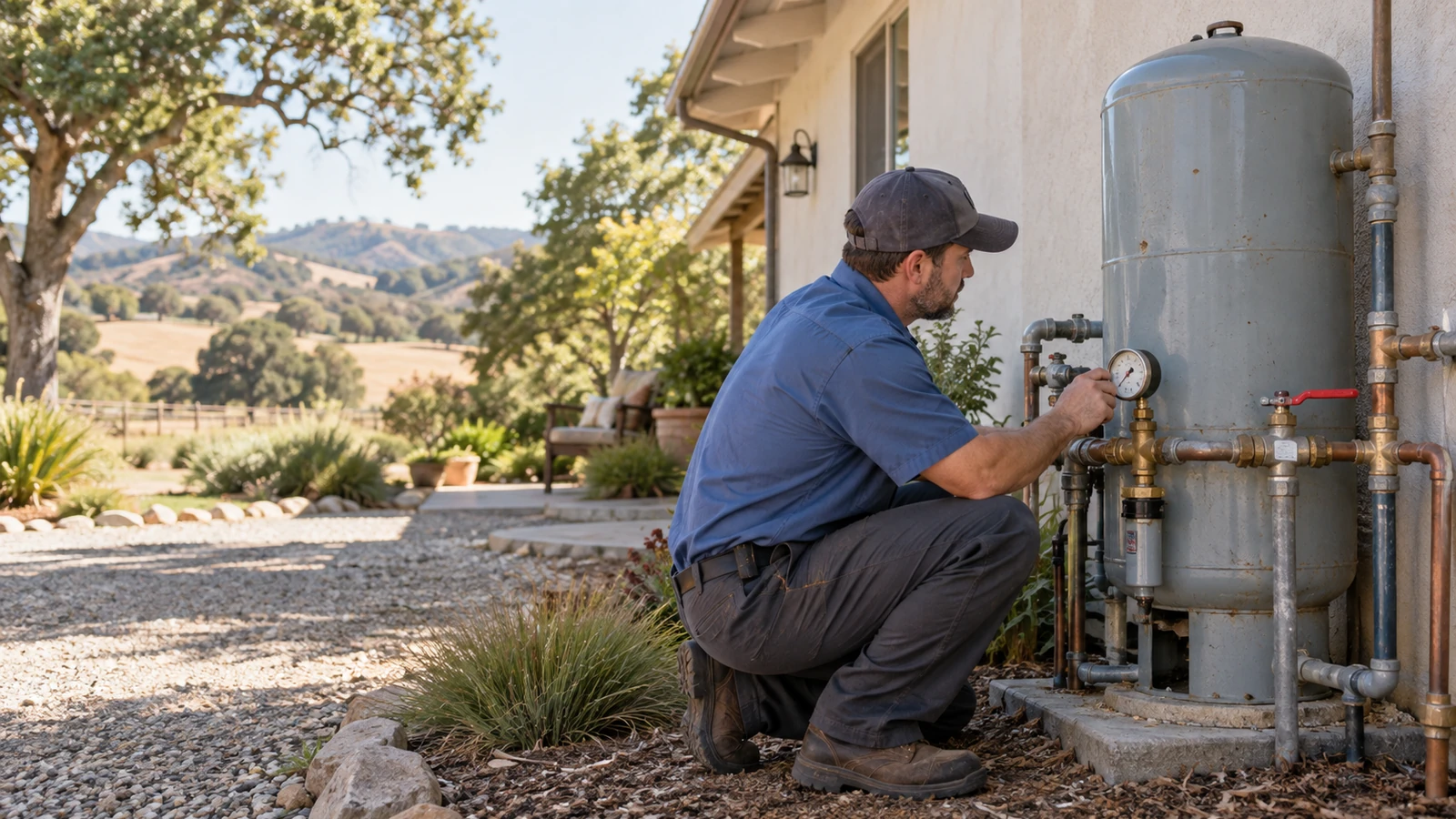
START WITH WHAT CHANGED
Pressure is a system symptom, not a part name. In Los Alamos, the useful first clues are whether the change affects one fixture or the whole property, whether it is high or low, whether it changes under demand, whether water loss is suspected, and whether the address is on Los Alamos CSD service or actually uses private pressure equipment.
Forceful flow or confirmed high readings belong on the high-pressure / PRV path before parts are replaced.
Whole-property low pressure can have several causes. Start with evaluation rather than assuming one valve, regulator, or pump is bad.
A pressure drop under demand can involve supply capacity, restriction, pressure equipment, treatment equipment, or another plumbing condition.
A sudden change can justify checking for hidden water loss, a valve or treatment change, or another customer-side plumbing change before replacing pressure equipment.
A confirmed private well follows a different path from public-water PRV problems.
A visible valve, service entry, meter-side clue or accessible customer-side supply pipe should be evaluated as plumbing before a booster or well pump is assumed.
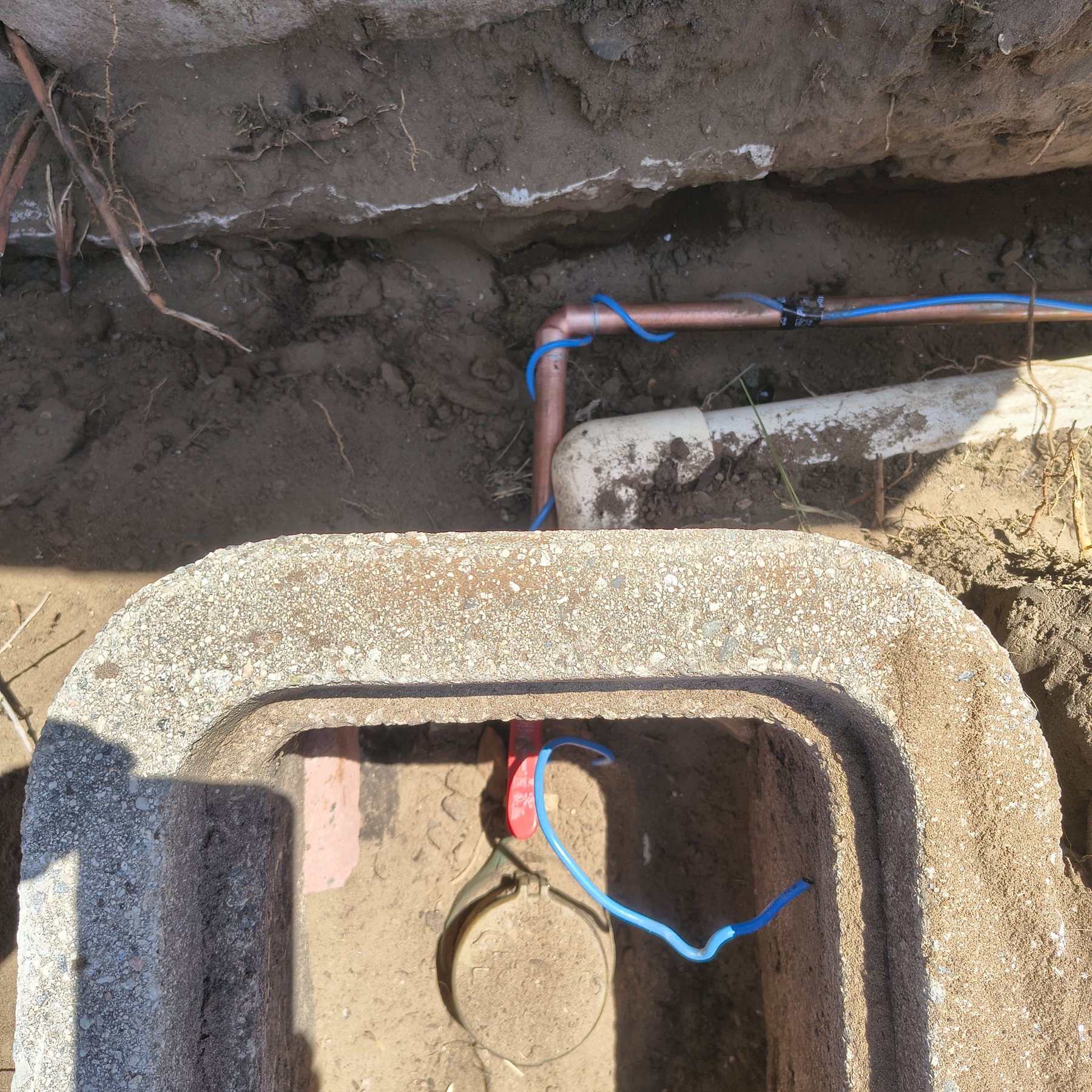
PRESSURE IS A MEASUREMENT, NOT A PARTS ORDER
Weak or inconsistent flow does not identify a failed pump, regulator, or valve by itself. At a Los Alamos property, first separate one-fixture symptoms from whole-property behavior, note whether the change is sudden or demand-related, and confirm whether the property is CSD-served or has private pressure equipment. Restrictions, valves, regulation, treatment equipment, leaks and actual pump systems follow different diagnostic paths.
COMMUNITY WATER, PRIVATE WELL, OR CUSTOMER-SIDE BOOSTER?
Properties served by Los Alamos CSD receive water from the District’s public groundwater system. A property that actually relies on a private well, pressure tank, switch or customer-owned booster follows a different diagnostic path. Water Fixers handles plumbing-side pressure work and can help identify when drilling, pump pulling, electrical-only work or other specialty service belongs with the appropriate contractor.
For a CSD-served property, start with measured pressure on the customer side and work through regulation, valves, restrictions, treatment equipment and leak clues before assuming the property needs a pump or pressure tank.
If the property truly uses a private well or has its own booster or pressure equipment, the pump, pressure tank, controls, electrical supply and connected plumbing must be separated from ordinary public-water PRV diagnosis.
PRESSURE TOO HIGH?
A Pressure Regulator Valve (PRV), also called a pressure-reducing valve or water pressure regulator, reduces excessive incoming pressure. It does not increase low pressure, it is not a pump, and it is not the same as a water-heater temperature-and-pressure relief valve. Pressure should be measured before a regulator is assumed to have failed. Use the PRV or high-water-pressure service when the readings and symptoms point in that direction.
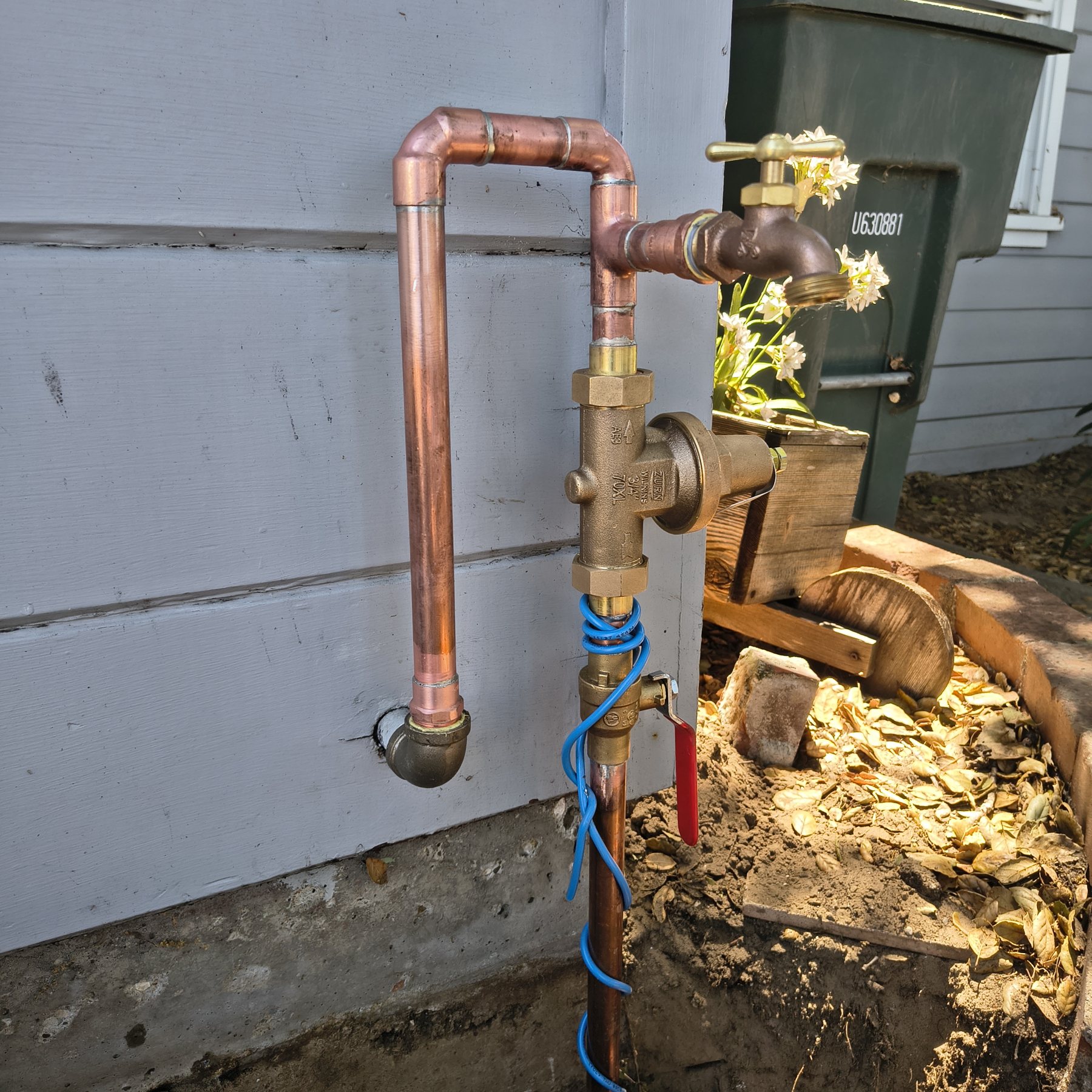
LOW OR INCONSISTENT PRESSURE
A whole-property symptom may be farther upstream than one faucet or fixture, but it still needs measurement before parts are selected.
A localized fixture, stop, cartridge, branch, or plumbing restriction may need ordinary plumbing service instead of pressure-system work.
When water loss is suspected but the source is unknown, use Los Alamos Leak Detection before choosing a pressure-system repair.
A visible or suspected customer-side valve, service entry, connection or accessible line can stay on the general plumbing path until testing shows otherwise.
Private-well pressure needs its own pump and pressure-tank context. Los Alamos CSD source wells are public infrastructure, not home well equipment.
A failed or unreliable shutoff is a separate plumbing-control problem and should not be forced.
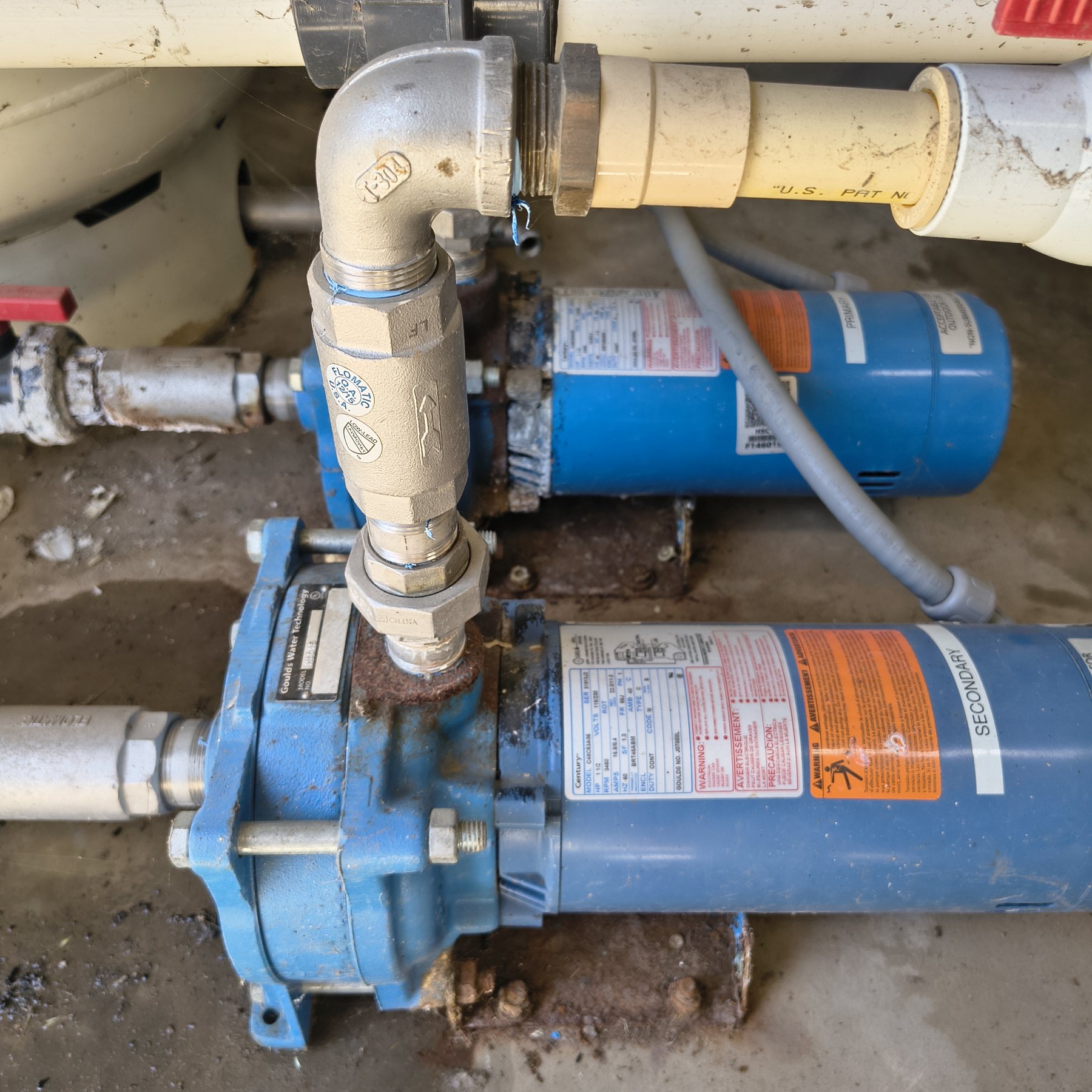
DID THE PRESSURE CHANGE SUDDENLY?
A pressure drop can occur alongside water loss, but pressure loss alone does not prove a leak. If unexplained use, meter activity, moisture or another clue suggests hidden water loss and the source is unknown, use Los Alamos Leak Detection. If the problem is a visible valve, connection or accessible customer-side pipe, use Plumbing Services instead of guessing at a pump.
CONFIRMED PRIVATE WELL?
When a Los Alamos property actually uses a private well, low or unstable pressure can involve the pump, pressure tank, pressure switch, source conditions, treatment equipment and connected plumbing. Water Fixers can evaluate the plumbing-side pressure problem and help identify the next step without presenting drilling, pump pulling or electrical-only repair as ordinary plumbing work.
CONTROL + URGENT CONDITIONS
If pressure work uncovers a failed shutoff or regulator, have the customer-side control evaluated rather than forcing the valve.
Uncontrolled leakage or immediate property-damage risk belongs on the Los Alamos emergency-plumbing path.
CURRENT LOS ALAMOS PUBLIC-SYSTEM CONTEXT
California Drinking Water Watch lists Los Alamos Community Services District as an active community water system with groundwater as its primary source and Wells 3A, 4, 5 and 6 active. The District’s 2024 annual water-quality report describes those four source wells as drawing from the San Antonio Groundwater Basin. Those are public-system wells upstream of customers; they do not mean a CSD-served home has its own private-well pump, pressure tank or switch. Diagnose the property from measured customer-side pressure and the equipment actually present.
HOW THE SERVICE PATH IS CHOSEN
1
Describe whether pressure is high, low, inconsistent, sudden, or tied to demand.
2
Separate a whole-property pressure change from a problem isolated to one fixture or branch.
3
Confirm whether the property is served by Los Alamos CSD or actually uses private-well pressure equipment before evaluating a pump or pressure tank.
4
Review the applicable customer-side valves, pressure controls, treatment equipment, plumbing, and leak clues.
5
Choose among PRV, high-pressure, private-well, leak-detection, and general plumbing service based on what the evidence supports.
6
Complete approved plumbing work within the appropriate service and verify operation afterward.
RELATED PRESSURE & PLUMBING SERVICES
Use the path that matches what is actually happening at the Los Alamos property. High pressure, a PRV issue, private-well low pressure, a hidden leak, a hot-side-only problem and a localized plumbing restriction belong to different service paths.
Use the high-water-pressure service for excessive household pressure, testing, and next-step guidance.
Use PRV service when testing points toward pressure-regulator installation, adjustment, service, or replacement.
Use private-well low-pressure guidance only when the property actually has private well or customer-owned well pressure equipment.
Use Los Alamos Leak Detection when water loss is suspected but the source is unknown.
Use general plumbing service when a customer-side valve, service entry, connection, or accessible supply line needs evaluation.
If cold-water pressure is normal but a hot-water problem is isolated to the heater or hot side, use the Los Alamos water-heater path; otherwise localized fixture and valve issues belong on general plumbing.
LOS ALAMOS WATER PRESSURE FAQ
No. California Drinking Water Watch lists Wells 3A, 4, 5 and 6 as active sources for the public Los Alamos CSD system. A home has private-well pressure equipment only when that property is actually supplied by a private or shared private well.
No. Low pressure can come from a valve or restriction, PRV behavior, treatment equipment, a hidden leak, demand conditions, public-supply conditions or actual private pressure equipment. Measure the pattern before adding a pump.
The State lists Los Alamos CSD as an active groundwater community system, and the District’s 2024 report identifies four source wells in the San Antonio Groundwater Basin. That tells you how the public system is supplied; it does not identify the cause of pressure trouble inside one property.
A one-fixture symptom is more localized than a whole-property pressure problem. Check the fixture, stop valve, cartridge, connector or branch restriction before blaming a pump or whole-house regulator.
Use leak detection when the pressure change is paired with separate evidence of water loss, such as unexplained use, meter activity or recurring moisture, and the source is still unknown. Low pressure by itself does not prove a leak.
Use those paths when actual pressure readings or clearly forceful household pressure point toward excessive incoming pressure or regulation. A PRV reduces pressure; it is not a booster pump or a water-heater relief valve.
A hot-only problem can belong to the water-heater or hot-water plumbing path rather than a whole-property pressure system. Note whether every hot fixture is affected and whether the heater or nearby valves show any visible problem.
Water Fixers handles plumbing-side pressure diagnosis and connected pressure-system plumbing. Work that requires well drilling, pump pulling, electrical-only repair or specialty pump engineering may need the appropriate specialist once the condition is identified.
LOS ALAMOS
Tell Water Fixers what changed, whether the whole property or one fixture is affected, whether hot and cold behave the same way, and whether the address is on Los Alamos CSD service or has private pressure equipment. We can narrow the plumbing-side next step without treating utility wells, a PRV and a private-well pump as the same system.
See Santa Ynez Valley service areas →
CALL NOW! Se Habla Español!