
TEMPLETON, CA • WATER PRESSURE • PUMP & SYSTEM DIAGNOSIS
Templeton Community Services District says routine water operations include monitoring line pressures and demand flows across a public system with about 52 miles of water lines, twelve wells with four on standby, and four storage tanks. That public-system context does not identify the cause of a pressure complaint at one property. Water Fixers starts with the symptom and actual readings, then separates customer-side valves, the PRV, plumbing restrictions, treatment equipment, leaks and any verified private-well or booster equipment before parts are replaced.
Water Fixers Plumbing & Filtration • CA License #719792

START WITH THE PRESSURE PATTERN
Water pressure is a system symptom. In Templeton, start with what is happening at this property: whether the complaint is limited to one fixture, affects the whole home, changes under demand, began suddenly, or is tied to customer-owned pressure equipment. TCSD public-system information is useful context, but the repair still depends on measurements and the plumbing actually serving the address.
When several fixtures are weak, separate the pressure arriving at the property from losses through valves, the PRV, treatment equipment and household piping. If the address is TCSD-served and a public-system problem is suspected, the District may need to be involved before customer-side parts are changed.
When the rest of the property behaves normally, start with the affected fixture or branch. An aerator, cartridge, stop valve, connector or branch restriction is a different problem from a whole-property pressure system.
If pressure falls mainly when several fixtures run, compare the system under demand and look for the point where flow is being limited. A partly closed valve, restriction, regulator behavior or treatment equipment can matter without a booster being the correct answer.
Use an actual pressure reading before assuming the regulator has failed. A weak fixture, a loaded filter, a partly closed valve, a leak or a house-side restriction can all change what the customer experiences without proving that the PRV is the cause.
A sudden change deserves a different path from long-standing pressure behavior. Recent valve work, an unknown-source leak, a supply change or another system condition can alter pressure or flow.
Confirm that the equipment is customer-owned and actually serves the property. TCSD wells, tanks and other utility equipment are public infrastructure; they are not the same as a private-well pump, pressure tank or residential booster installed for one property.
TEMPLETON WATER-SYSTEM CONTEXT
Templeton Community Services District says its water operations monitor line pressures and water-demand flows. The District also describes a system with about 52 miles of water lines, twelve wells with four on standby, and four storage tanks with 2.7 million gallons of combined capacity.
Those facts explain the public system serving TCSD customers, but they do not diagnose a house-side regulator, restriction, treatment-device pressure drop, leak or need for customer-owned booster equipment. Start with the actual pressure pattern at the property.
CITY-SIDE QUESTION OR CUSTOMER-SIDE PLUMBING?
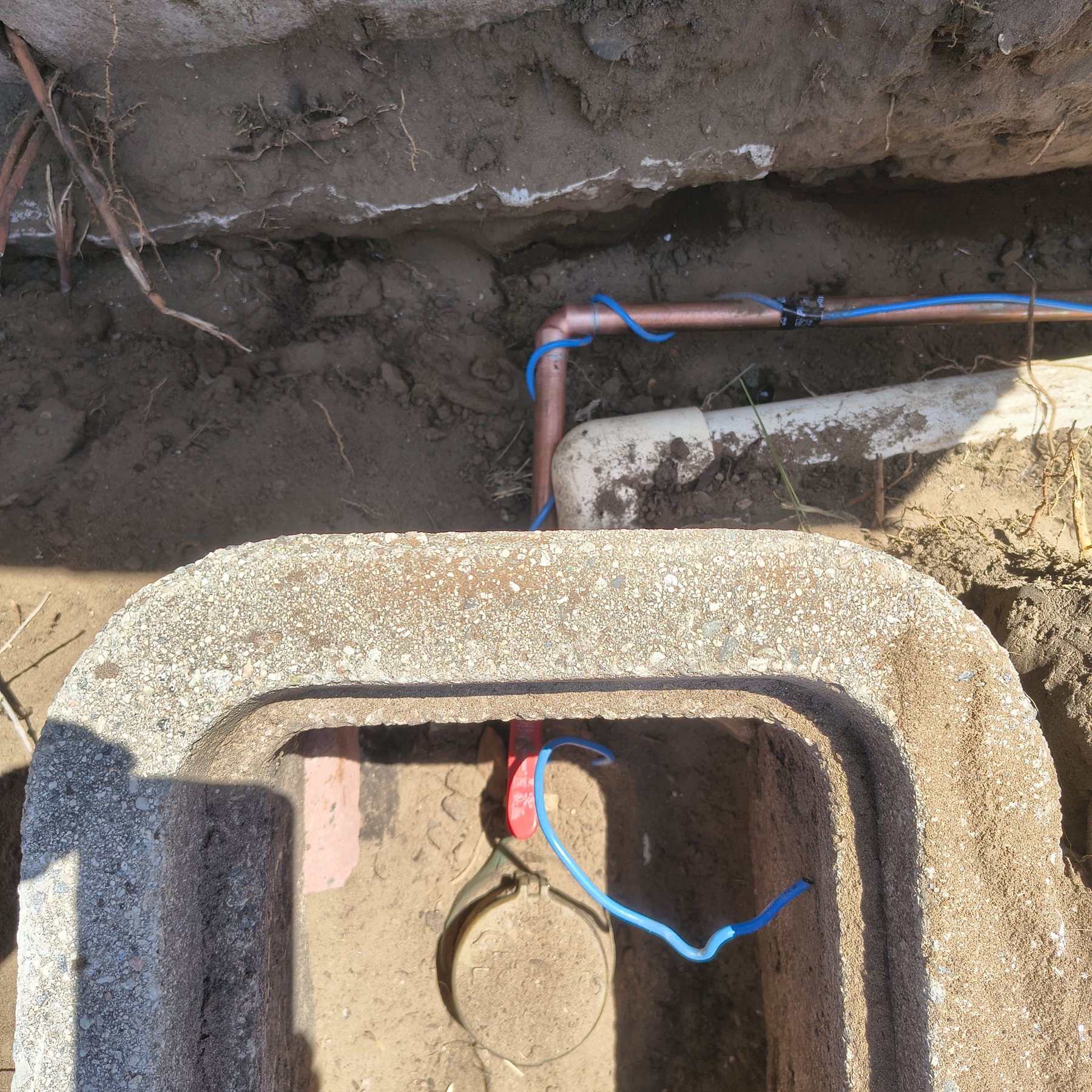
For a TCSD-served property, District information can help determine whether a broader public-system question should be raised, especially if the pressure change affects more than one nearby property. Water Fixers still evaluates the customer-side clues that can be checked safely: pressure before and after treatment equipment where accessible, valve position, PRV behavior, leak evidence and whether the problem is one-fixture or whole-property.
If unexplained water use or moisture accompanies the pressure change and the source is not visible, use Templeton Leak Detection rather than treating pressure alone as proof of a failed regulator or pump.
CITY WATER OR PRIVATE WELL?
First confirm whether the property is served by Templeton Community Services District or actually relies on private-well equipment. TCSD operates public wells and storage as part of the community water system; customer-owned private-well pumps, pressure tanks and controls are a different service path.
If the property is TCSD-served, begin with the pressure arriving at the property and the customer-side plumbing. A broader public-system concern can be checked with the District when the evidence points outside the home.
If the property uses a private well, pressure symptoms can involve the pump, pressure tank, switch/controls, treatment equipment, valves or household plumbing. Low pressure is a symptom, not proof that the pump has failed.
WHAT TO NOTICE BEFORE SERVICE
You do not need to open utility equipment, disassemble plumbing or adjust a regulator before the visit. A few safe observations make the first diagnostic step more useful.
PRESSURE REGULATOR OR BROADER SYSTEM PROBLEM?
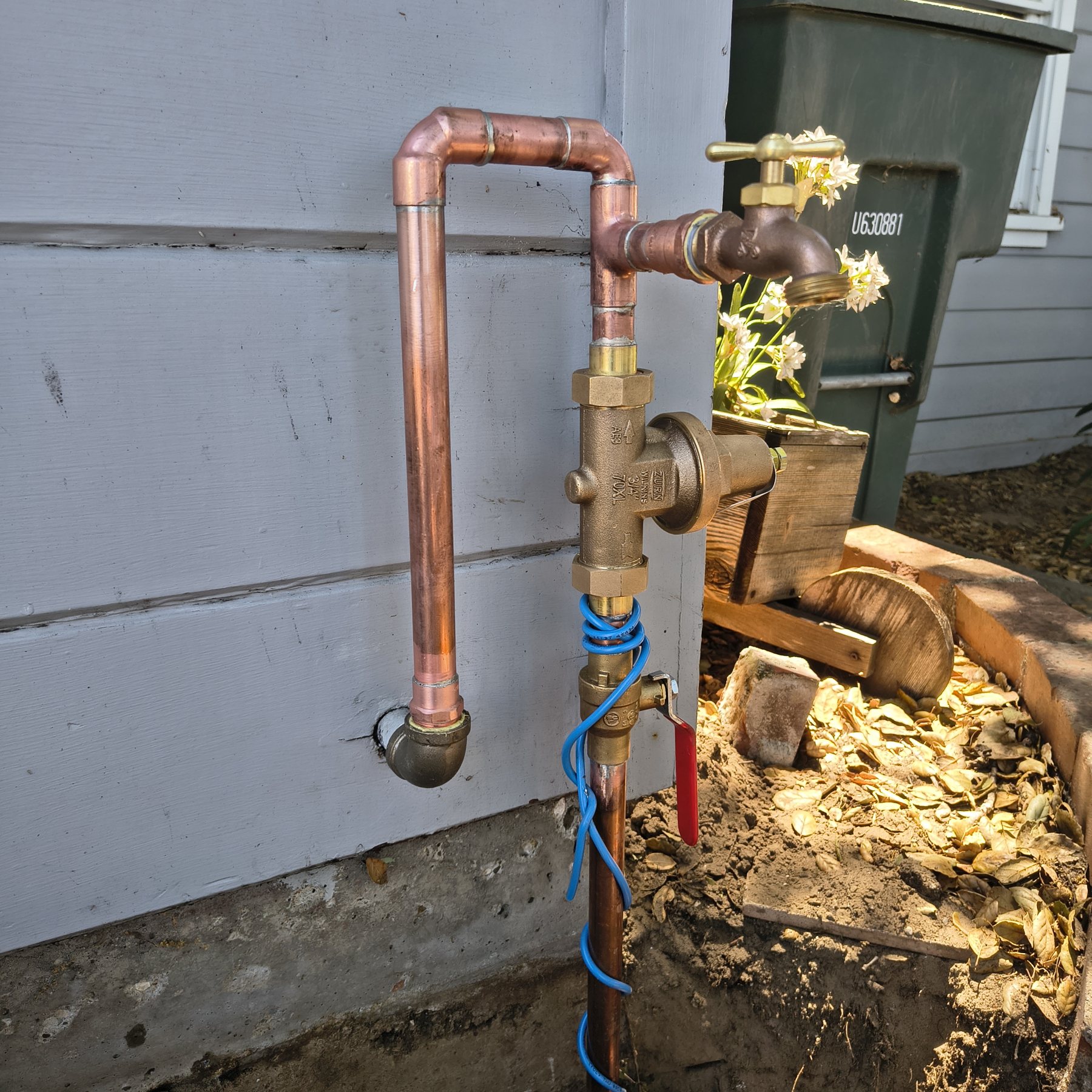
A pressure regulator can contribute to high, low or unstable downstream pressure when it is not controlling pressure correctly, but similar symptoms can also come from partly closed valves, line restrictions, leaks, loaded treatment equipment or limited flow under demand. Water Fixers evaluates plumbing-side pressure conditions and connected pressure-control equipment without turning every Templeton pressure complaint into a regulator or booster replacement.
CHOOSE THE RIGHT NEXT STEP
Pressure complaints can overlap with several plumbing specialties. Once the evidence points somewhere specific, use the service that addresses that condition.
Use general plumbing service when the supply pressure is acceptable but a fixture, valve, connector or branch has a clear localized restriction or failure.
Use Templeton leak detection when the pressure change is paired with unexplained water use or moisture and the source is not visible. Leak evidence can support the investigation, but pressure loss alone does not locate the source.
Use PRV service when measurements point to excessive pressure or a regulator that is not maintaining appropriate downstream pressure.
If water is actively escaping, a line or valve has failed, or the pressure problem is creating immediate property risk, use the Templeton emergency-plumbing page rather than a routine diagnostic appointment.
Use the well-water low-pressure path only when the property actually relies on a private well or customer-owned well pressure equipment. City wells and utility booster stations upstream are not a home well system.
Use the Templeton plumbing page when the problem has not yet been narrowed to a pressure, leak, PRV or private-well path.
LOCAL SERVICE AREA
Water Fixers serves Templeton as part of its North County and wider Central Coast service area. This page is for local water-pressure and applicable customer-owned pump/pressure-system concerns; broader plumbing questions can start with the Templeton plumbing page, and nearby community coverage is listed on the North County page.
COMMON QUESTIONS
TEMPLETON WATER PRESSURE
Tell Water Fixers whether the Templeton property is TCSD-served or uses an actual private well, whether the whole property or one fixture is affected, whether the change was sudden, and whether any customer-owned pressure tank or booster equipment is actually present. We can start from the symptom and narrow the correct next step.
Water Fixers Plumbing & Filtration • Serving Templeton, North County and California’s Central Coast • CA License #719792
CALL NOW! Se Habla Español!