










DIAGNOSIS-FIRST WATER SOFTENER DECISION GUIDE
Repairable vs. Replaceable Water Softeners
Use condition, parts, resin, valve health and repair economics—not age alone.
Quick answer: A softener is often worth repairing when the tanks are sound, the failure is identifiable, parts are available and the repair makes economic sense. Replacement becomes more practical when the system has structural leaks, unavailable core parts, major resin and valve problems together, repeated failures or poor sizing for the home.
Water Fixers does not recommend replacement by brand or age alone. The decision should follow diagnosis, parts availability, condition and fit for the property.
FIRST QUESTION
Start With the Failure, Not the Age
A ten-year-old softener with an identifiable valve or brine problem may still be a sensible repair candidate. A much newer system can be a poor candidate if the tank is compromised, the exact parts cannot be obtained or the equipment was never sized correctly for the home. Age is context—not a diagnosis.
REPAIR SIGNALS
Often Worth Diagnosing for Repair
- Tanks and cabinet are structurally sound
- The failure can be isolated
- Correct parts are obtainable
- The unit is still correctly sized
- Repair cost is reasonable for the remaining system condition
REPLACEMENT SIGNALS
Replacement Becomes More Practical
- Tank or cabinet has a structural leak or damage
- Core parts are unavailable
- Resin and major valve work are both needed
- Failures are becoming repetitive
- The system is undersized or poorly matched to current demand
WHAT A GOOD DIAGNOSIS CHECKS
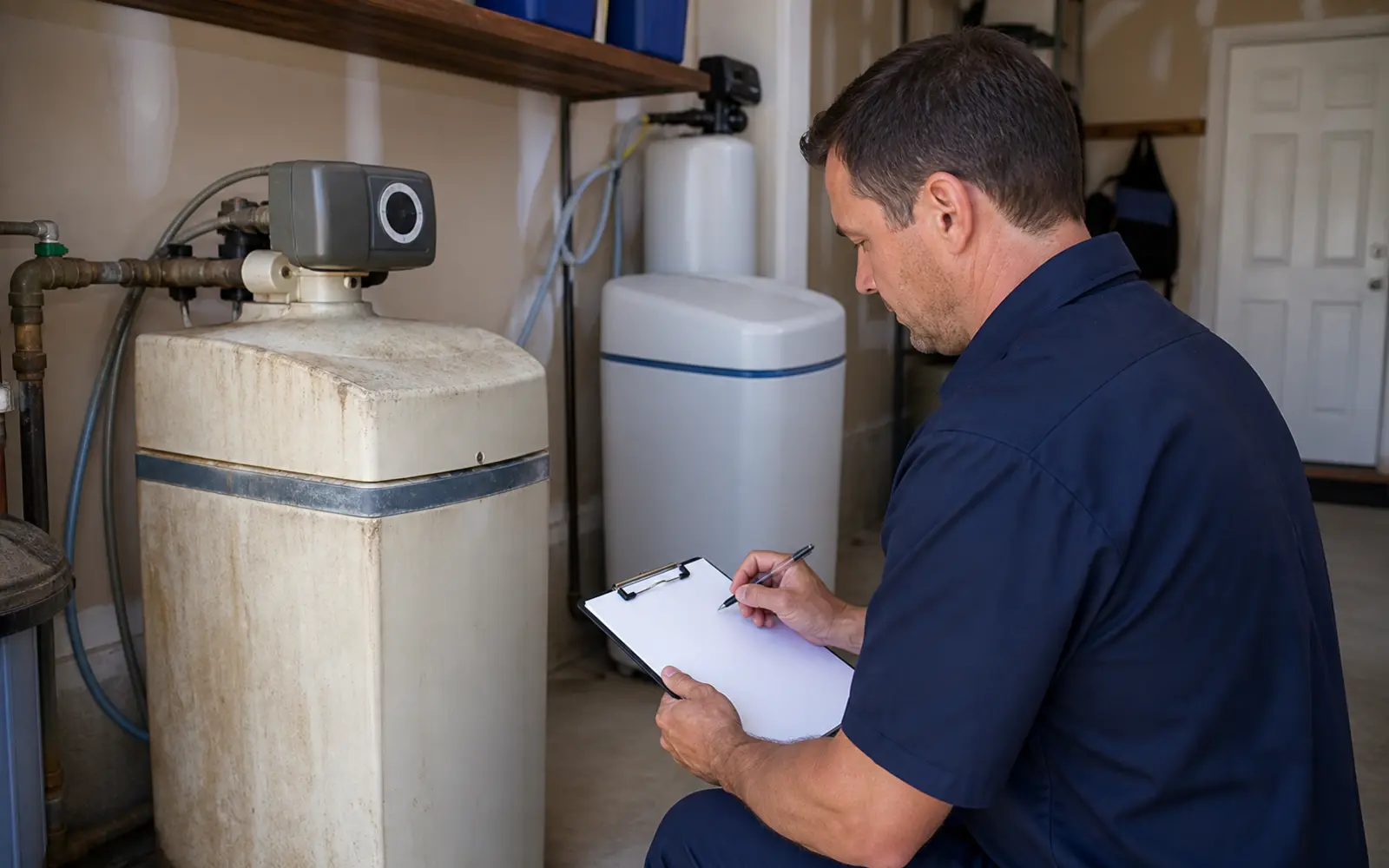
Seven Checks Before Anyone Calls the Softener “Done”
- Hardness before and after treatment — confirm whether the unit is actually removing hardness.
- Bypass and plumbing path — verify water is flowing through the system as intended.
- Regeneration — observe valve movement, drain flow, brine draw and refill.
- Controls and drive components — identify motor, board, sensor or mechanical faults.
- Brine system — check salt condition, float, brine valve, tubing and injector path.
- Resin and tank condition — separate exhausted media from a valve or programming problem.
- Exact model and parts path — confirm the real repair parts before assuming they exist.
REPAIR ECONOMICS
A Repair Decision Is More Than the Price of One Part
The right comparison is the complete repair scope versus the condition and fit of the rest of the system. A low-cost part can make sense on a healthy softener. A larger repair is harder to justify when the resin is exhausted, the tank is questionable, the valve has repeated failures or the unit cannot meet the home’s current flow and capacity needs.
1
Repair Scope
2
Remaining System Condition
3
Fit for the Home
PARTS & SERVICEABILITY
“Repairable” Means the Exact Parts and Service Path Are Real
Water softeners can include a control valve, motor or drive, piston, seals and spacers, injector, flow meter, control board, bypass, brine valve, float, transformer, tanks and resin. Whether a specific unit is practical to repair depends on the exact model, the failed component, current parts availability and whether the rest of the system is worth keeping.
DEEPER GUIDE
Need a Component-Level Guide?
ACTIVE PROBLEM
Have an Active Failure?
IF REPLACEMENT IS JUSTIFIED
Replacement Should Solve the Reason the Old System Failed the Decision
If replacement is the sensible path, do not jump straight from “old softener” to a new grain number. Recheck the property’s actual hardness, household demand, simultaneous flow, available space, plumbing, drain route and service-clearance needs. The new system should be sized for the home and leave a realistic maintenance and repair path.
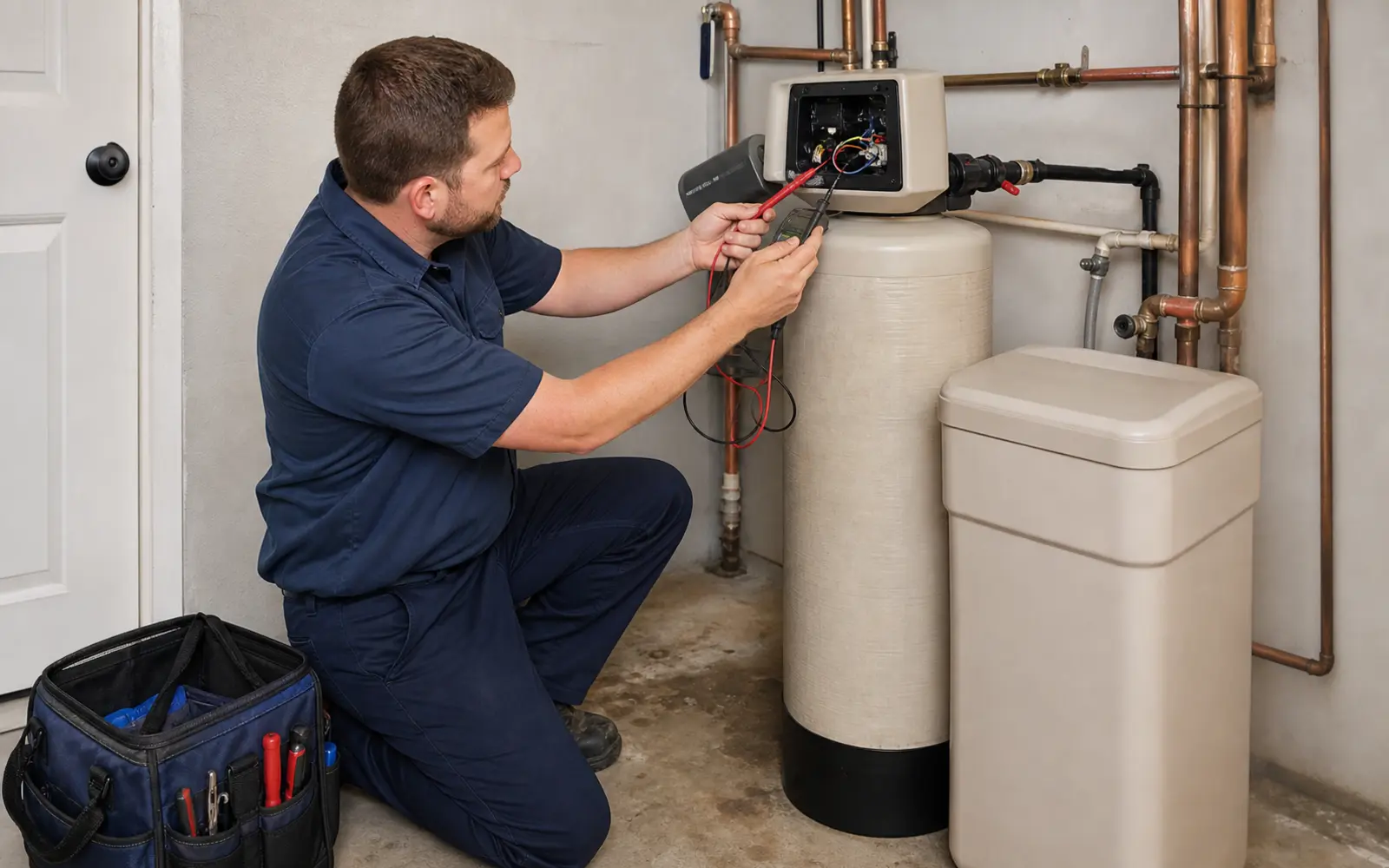
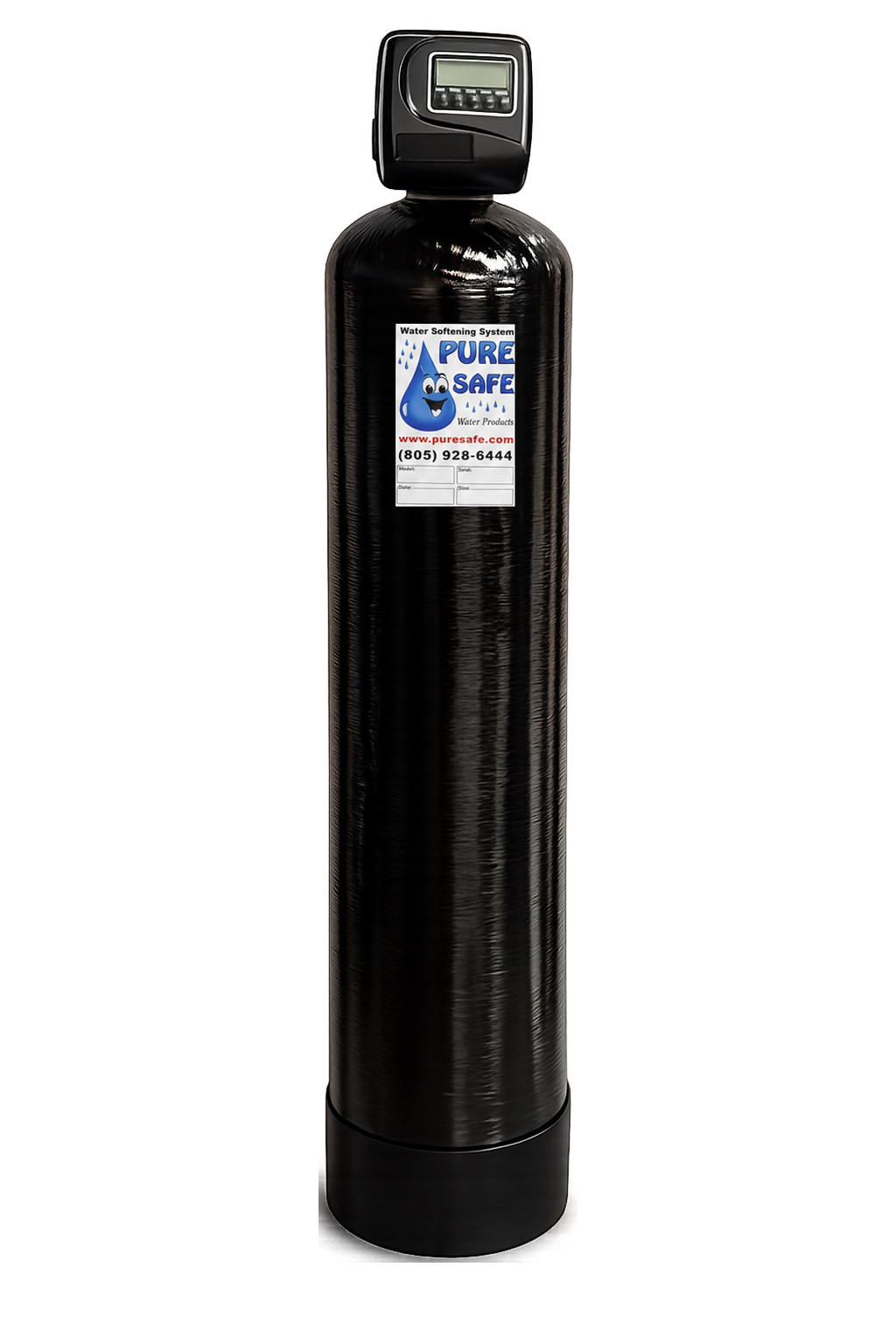
Example only: The system shown here is one Water Fixers softener option. Final selection should be based on measured water and household demand, not the appearance of the equipment.
BEFORE THE NEXT PURCHASE
Six Ownership Questions Worth Asking Before You Buy
SIZING
1. Who Sizes It?
INSTALLATION
2. Who Installs It?
SERVICE
3. Who Diagnoses It Later?
PARTS
4. Are Parts Obtainable?
WARRANTY
5. What Does the Warranty Cover?
LONG-TERM SUPPORT
6. What Happens After Warranty?
CHOOSE THE RIGHT NEXT PAGE
Repair, Maintenance, Parts, or Replacement?
DIAGNOSIS
Something Is Wrong Now
PREVENTIVE CARE
System Is Working but Needs Upkeep
NEW / REPLACEMENT
You Need a Replacement System
DIRECT ANSWERS
Repairable vs. Replaceable Water Softeners FAQ
GET A DIAGNOSIS BEFORE YOU BUY
Let the Condition of the System Drive the Decision
Water Fixers can inspect an existing softener, test performance and explain the repair-versus-replacement path without assuming the answer in advance.
Water Fixers Plumbing & Filtration • 805-928-6444 • California License #719792