SOLVANG WATER QUALITY • LOCAL WATER GUIDE

Solvang, CA Water Quality & Water Treatment Guide

Use the current City report, then match treatment to the actual goal.

The City of Solvang’s current 2025 Consumer Confidence Report, dated June 1, 2026, identifies the municipal supply as groundwater from Solvang and ID#1 wells plus surface water supplied through the Central Coast Water Authority. For 2023–2025 the report lists system-level hardness of 421–868 mg/L as CaCO₃, averaging 616 mg/L, and total dissolved solids of 710–1,470 mg/L, averaging 993.3 mg/L.

Those figures are useful local context, but they are not a faucet test and they do not automatically prescribe a softener, reverse-osmosis system or whole-house filter. Solvang also changes source mix as State Water availability and operations change, so current conditions at the property still matter.

Informational guide: this page explains Solvang municipal source context, reported water-quality data and the differences between testing, softening, filtration and reverse osmosis. It does not diagnose a property remotely or turn a City-wide report into a guaranteed faucet reading.
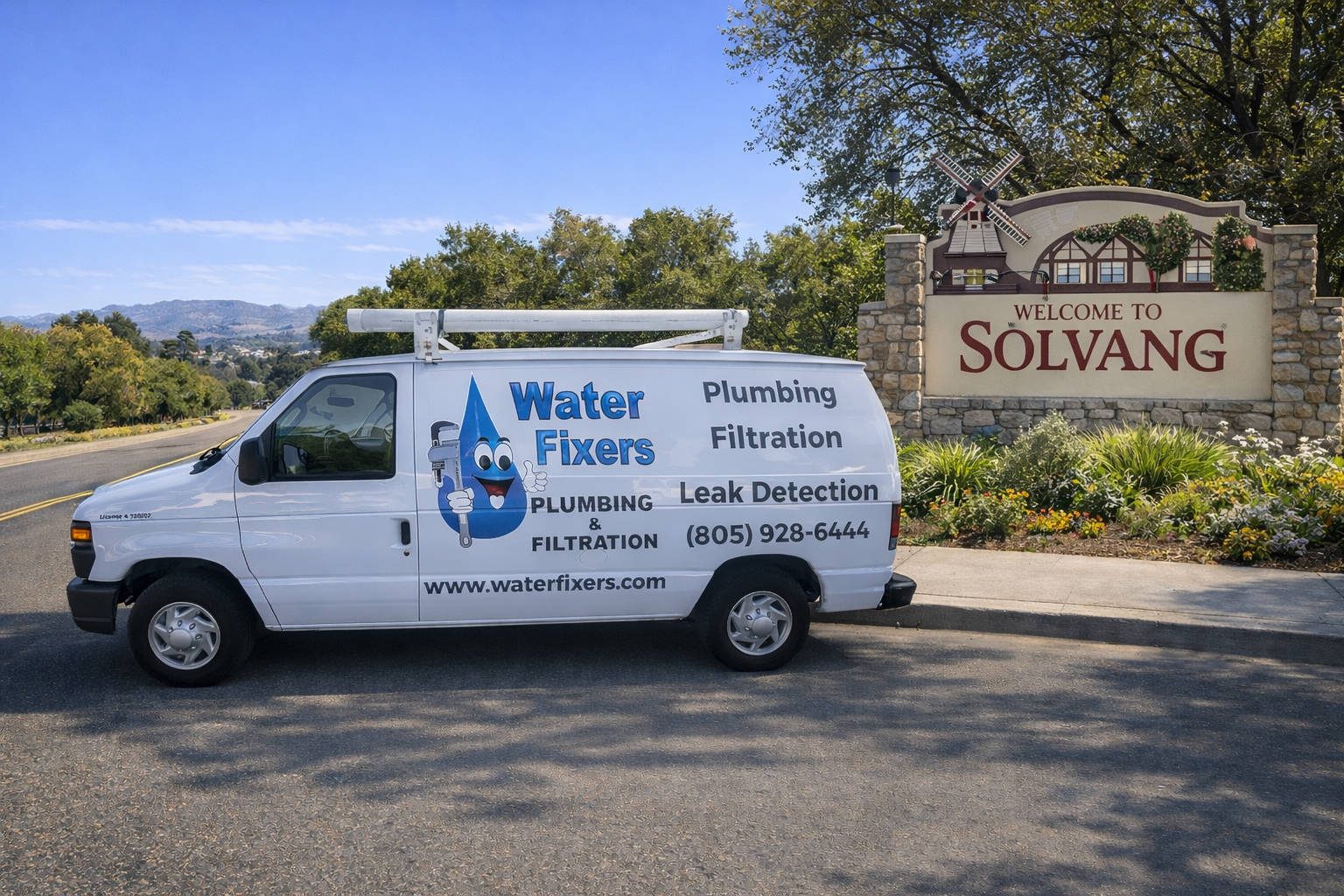
Water Fixers service van near the Solvang welcome sign
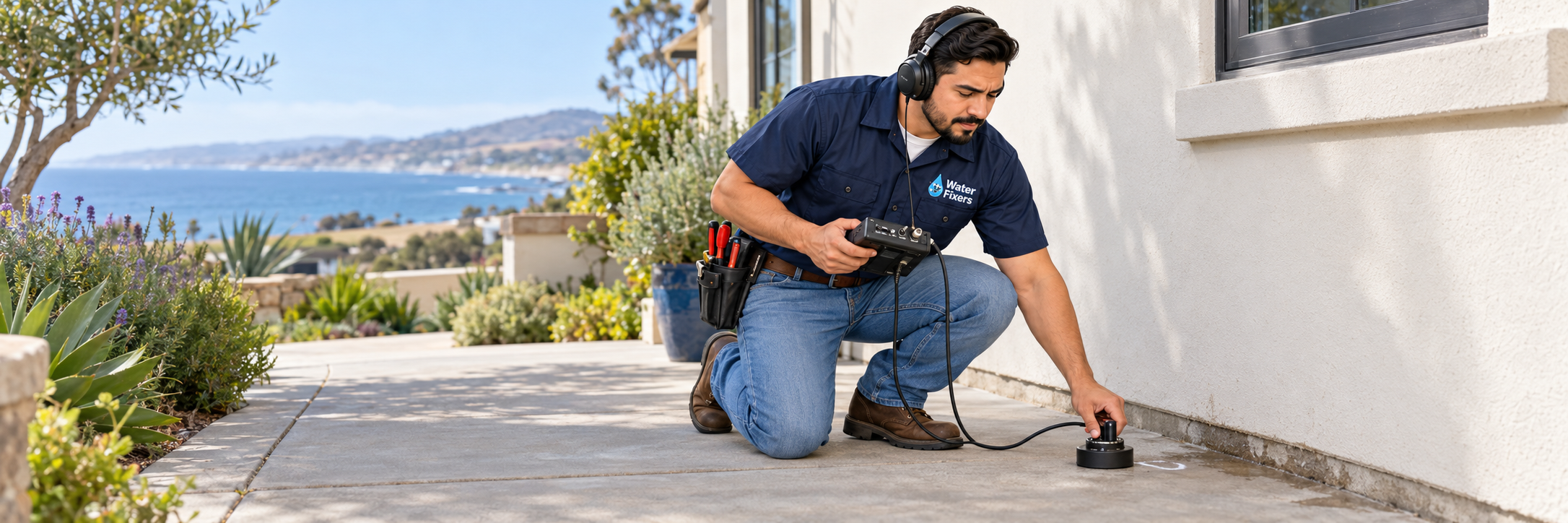
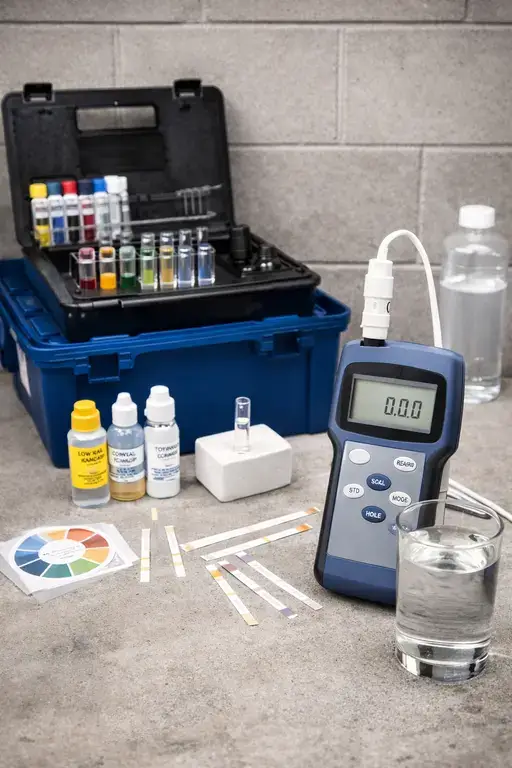
Water testing equipment used to evaluate household water quality

QUICK ANSWER

Where Does Solvang Drinking Water Come From?

City of Solvang Water Division: the current 2025 Consumer Confidence Report identifies groundwater from Solvang wells and Santa Ynez River Water Conservation District Improvement District No. 1 wells, plus surface water supplied through the Central Coast Water Authority.

California Drinking Water Watch lists the Solvang Water Division as an active public system and shows both treated purchased-water connections and active wells. The City Water Division also explains that State Water allocation varies from year to year.

For treatment decisions, start with the current City report and the condition at the property rather than assuming one permanent blend.

READ THE CURRENT REPORT CAREFULLY

What the 2025 Solvang Water Report Can — and Cannot — Tell You

The 2025 Consumer Confidence Report is the best current public starting point for City-system source and monitoring context. It summarizes detected constituents and system-level ranges from defined monitoring periods. Some results include data collected across more than one year.

What the Report Tells You

For 2023–2025, the report lists hardness at 421–868 mg/L as CaCO₃ with an average of 616 mg/L. It lists total dissolved solids at 710–1,470 mg/L with an average of 993.3 mg/L. The report also identifies groundwater and CCWA surface water as the City’s source categories.

What It Does Not Tell You

A City-wide report does not tell you the exact hardness at one faucet today, identify whether taste or odor is coming from plumbing or treatment equipment, or prove that a specific system is required. Current source mix, plumbing, pressure and existing equipment can change what a household experiences.

Compliance and Treatment Goals Are Different Questions

Regulatory monitoring, hardness control, drinking-water preference and whole-home filtration are different decisions. A water softener targets hardness. Reverse osmosis is a point-of-use drinking-water treatment option. Whole-house filtration should be matched to a defined home-wide concern. Testing helps when the next step is not clear.

SOURCE MIX CAN CHANGE

Solvang Well Water and State Water Do Not Create One Permanent Hardness Setting

Current City-System Context

The City Water Division says annual State Water allocation varies with rainfall, Sierra snowpack and State reservoir levels. In March 2026, the City announced State Water service would resume after a maintenance shutdown and noted that delivered water could become slightly softer than during the well-water-heavy period.

That operational history is a reason to use a current property hardness reading when programming, sizing or troubleshooting a softener rather than relying on an old setting.

If Your Property Has a Different Source or Existing Treatment

Confirm the actual water account and any existing treatment before applying City-system numbers to equipment decisions. If the property has its own well or a separate source, use source-appropriate testing and well-water guidance instead of treating the municipal report as the property’s test result.

MATCH THE TREATMENT TO THE JOB

Softening, Whole-House Filtration and RO Solve Different Problems

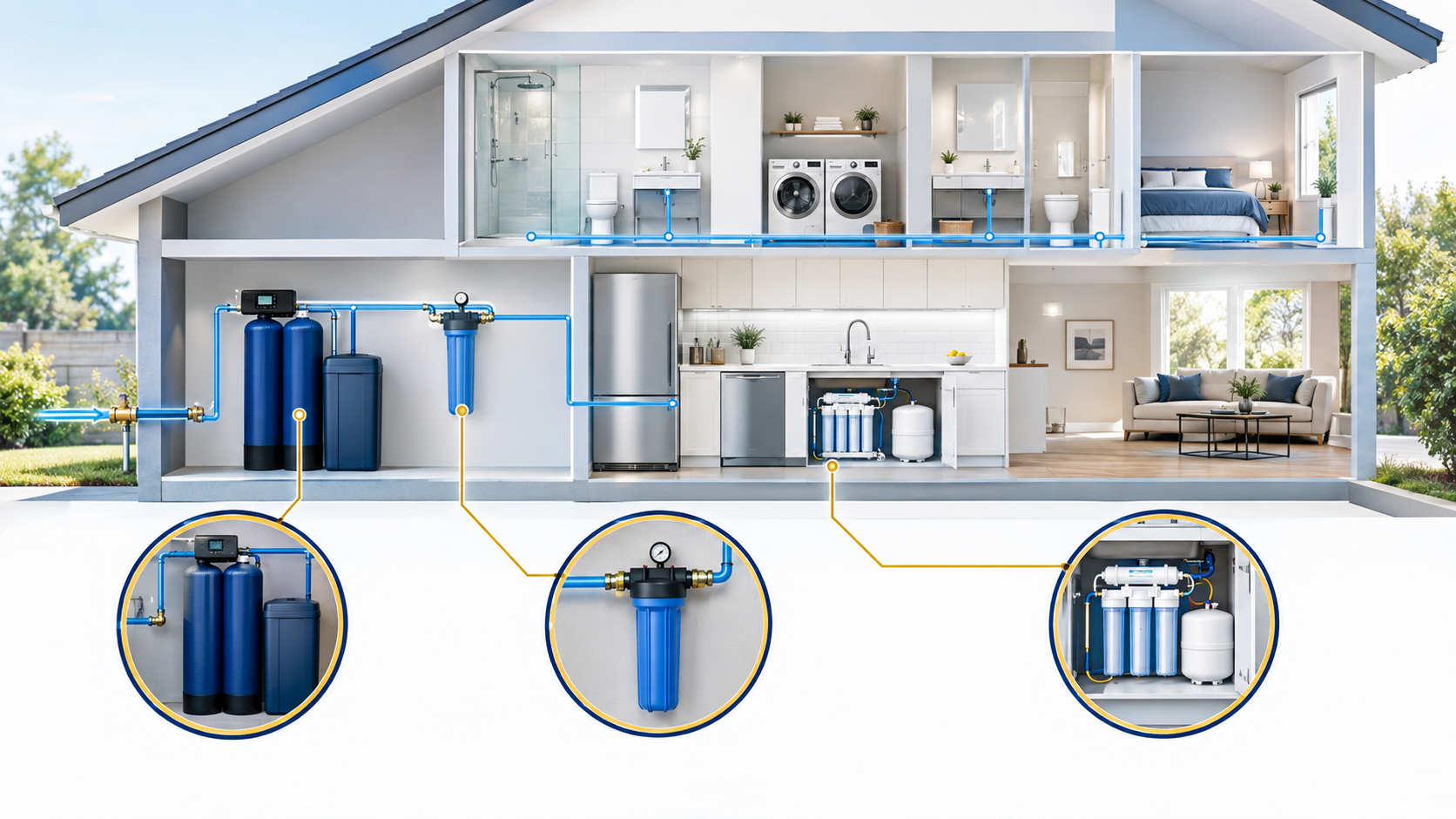
Solvang’s current City report documents substantial system-level hardness and dissolved solids, but equipment should still be selected for the actual treatment goal at the property. A softener, whole-house filter and under-sink reverse-osmosis system are not interchangeable.

Water Softening

Softening targets calcium and magnesium hardness throughout the home. The City report supports hardness as a real local consideration, but current untreated hardness, household demand and the condition of existing equipment should control sizing and programming.

Whole-House Filtration

Whole-house filtration should be matched to a defined home-wide concern such as sediment, taste, odor or another identified treatment target. Filter media should follow the problem and source conditions rather than the city name alone.

Reverse Osmosis

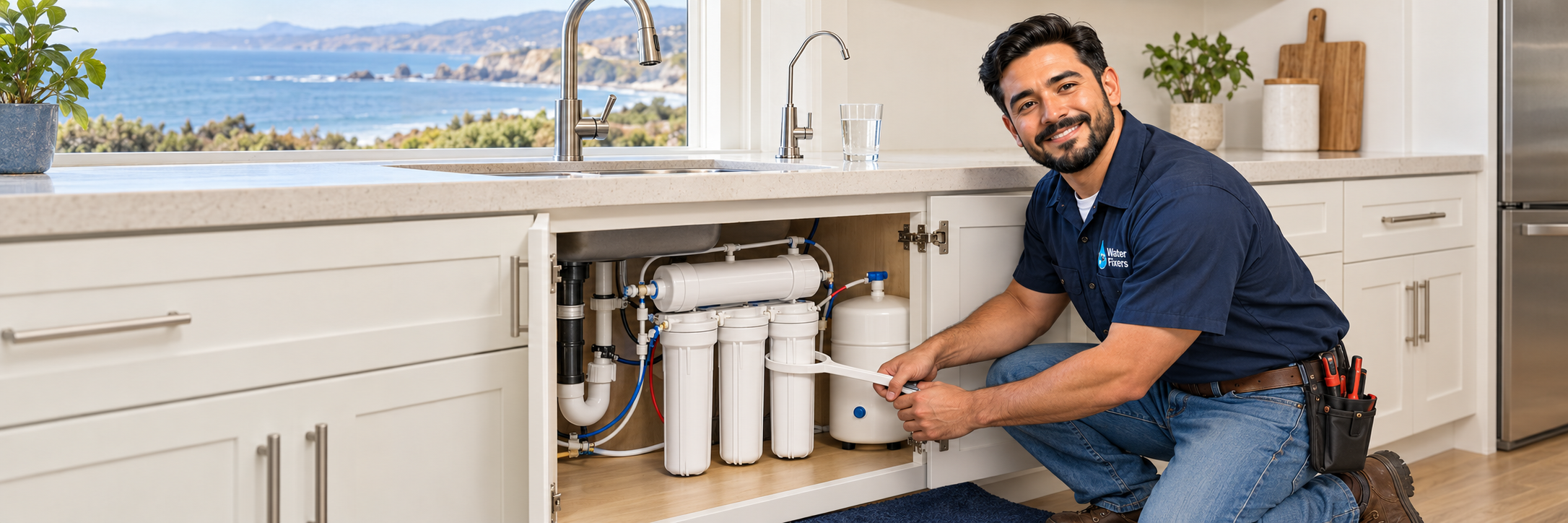
Under-sink reverse osmosis treats drinking and cooking water at a point of use. It is separate from whole-house hardness treatment and should be selected around the drinking-water goal, feed-water conditions, pressure and maintenance needs.

WHEN PROPERTY-LEVEL TESTING HELPS

Use Testing When the Decision Depends on This Property

Testing is useful when you need a current hardness reading, are programming or sizing a softener, notice a change after a source-blend shift, are comparing filtration or RO options, or need to separate a water-quality question from a plumbing or equipment problem. Test the question that will actually change the decision.

WHAT SHOULD I LOOK AT NEXT?

Choose the Next Page by the Actual Question

Use this guide for Solvang water-source and water-quality context. Choose the focused service below when you are ready for testing, treatment or plumbing help.

General Solvang Plumbing

Use the Solvang plumber page for repairs and for help separating a plumbing symptom from a water-treatment question.

Water Testing

Use testing when the treatment target is not established, when equipment needs measured inputs or when current conditions need to be compared with the City report.

Water Softener Service

Use the Solvang softener page for hardness testing, installation, maintenance, repair evaluation and replacement planning.

Reverse Osmosis

Use the Solvang RO page for under-sink RO installation, service and drinking-water treatment planning.

Whole-House Filtration

Use the Solvang whole-house filtration page when the treatment goal applies across the home and is not hardness control alone.

Santa Ynez Valley Services

Use the Santa Ynez Valley page for broader regional navigation and nearby-community service information.

SOLVANG WATER QUALITY FAQ

Direct Answers for Solvang Water Questions

The City of Solvang 2025 Consumer Confidence Report identifies groundwater from Solvang and ID#1 wells plus surface water supplied through Central Coast Water Authority. The mix can change with operations and State Water availability.
The City’s current report lists 2023–2025 system-level hardness at 421–868 mg/L as CaCO₃, averaging 616 mg/L. Use a current untreated-water reading at the property for softener sizing, programming or troubleshooting.
For 2023–2025, the report lists total dissolved solids at 710–1,470 mg/L, averaging 993.3 mg/L. That is system-level monitoring context, not a guaranteed result at one faucet.
No. A softener specifically targets hardness. The decision should reflect current untreated hardness, household demand, existing equipment and the homeowner’s goal.
RO can be considered when the goal is point-of-use treatment for drinking, cooking or ice. It is separate from whole-house hardness treatment and should be selected around the feed water and maintenance plan.
The City uses both groundwater and imported surface-water sources, and State Water allocation and operating conditions can change. Current reporting and property-level testing are more useful than assuming one permanent blend or equipment setting.

SOURCE & UPDATE NOTE

Use the Latest Official Report for Time-Sensitive Facts

This guide was reviewed on September 22, 2026 against the City of Solvang Water Division, the City’s current 2025 Consumer Confidence Report dated June 1, 2026, California Drinking Water Watch and the City’s March 2026 State Water operational update. Water-source mix and monitoring data can change, so check the current official report when a treatment decision depends on present conditions.

Need the Next Step?

Start with testing when the water question is unclear, or use the Solvang plumbing page when you are not sure whether the issue belongs to plumbing or water treatment.