



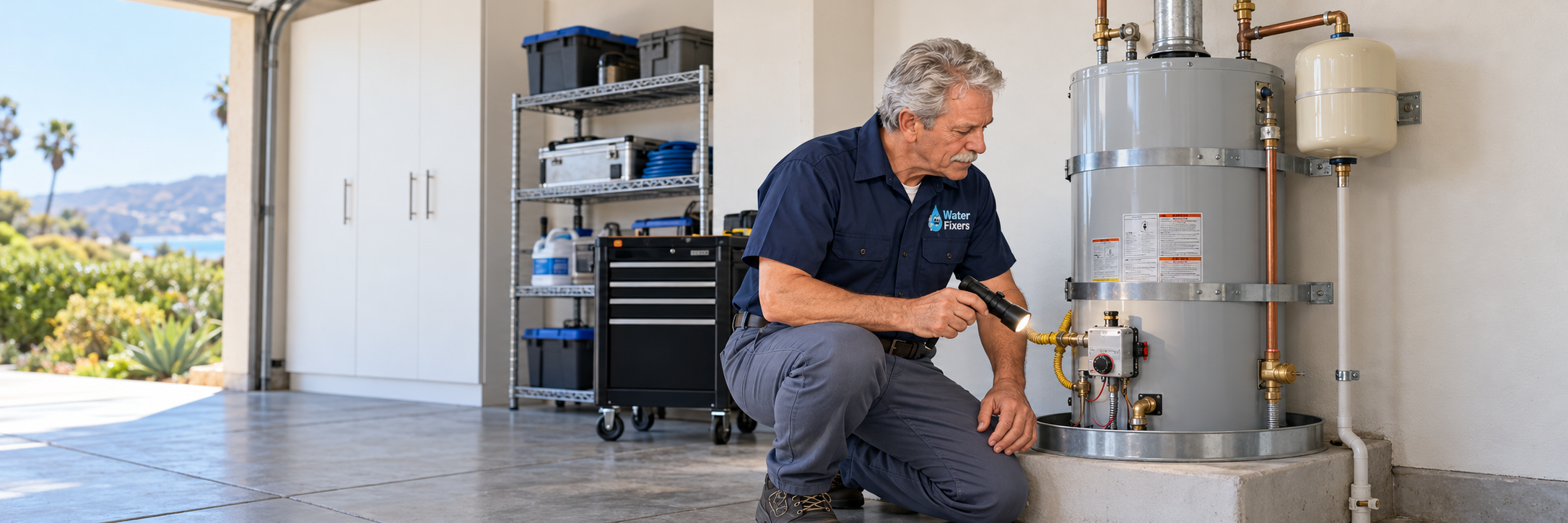






Pumps & Pressure Systems
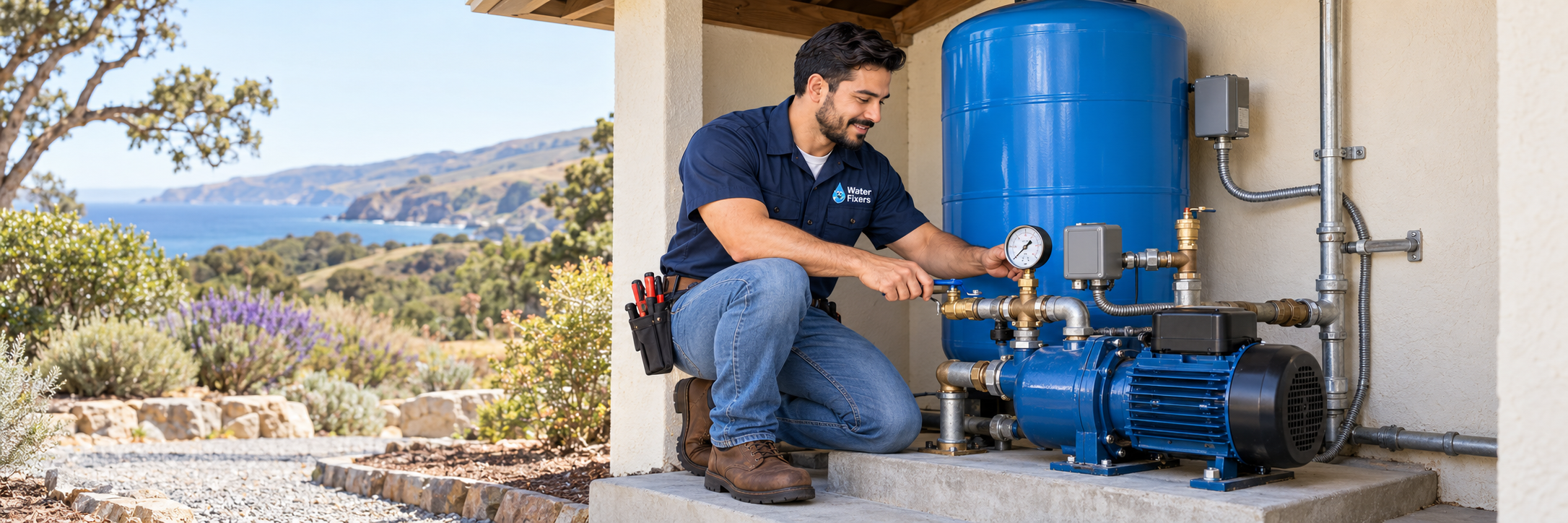
Pump and pressure system diagnosis, repairs and service to keep water moving reliably through your home.
Plumbing Services
Local plumbing repairs, fixture updates and water line service to keep your home running smoothly every day.
Leak Detection
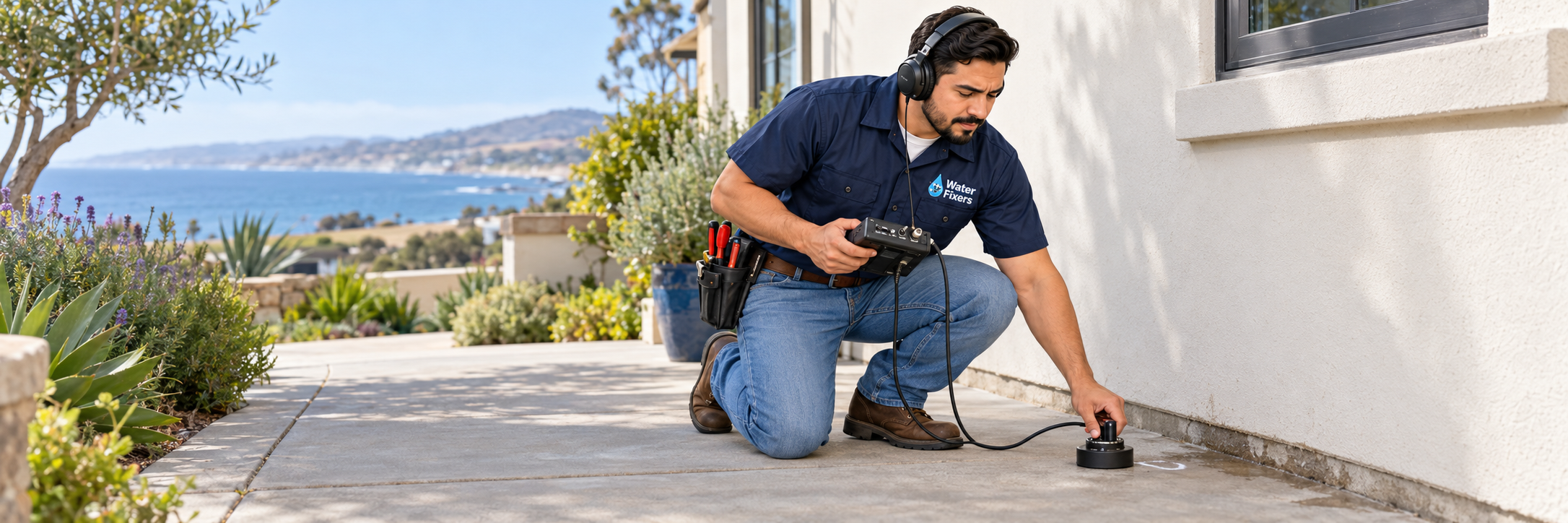
Help locating hidden leaks and unexplained water use, with clear guidance on the next steps for your home.
Drains & Sewer
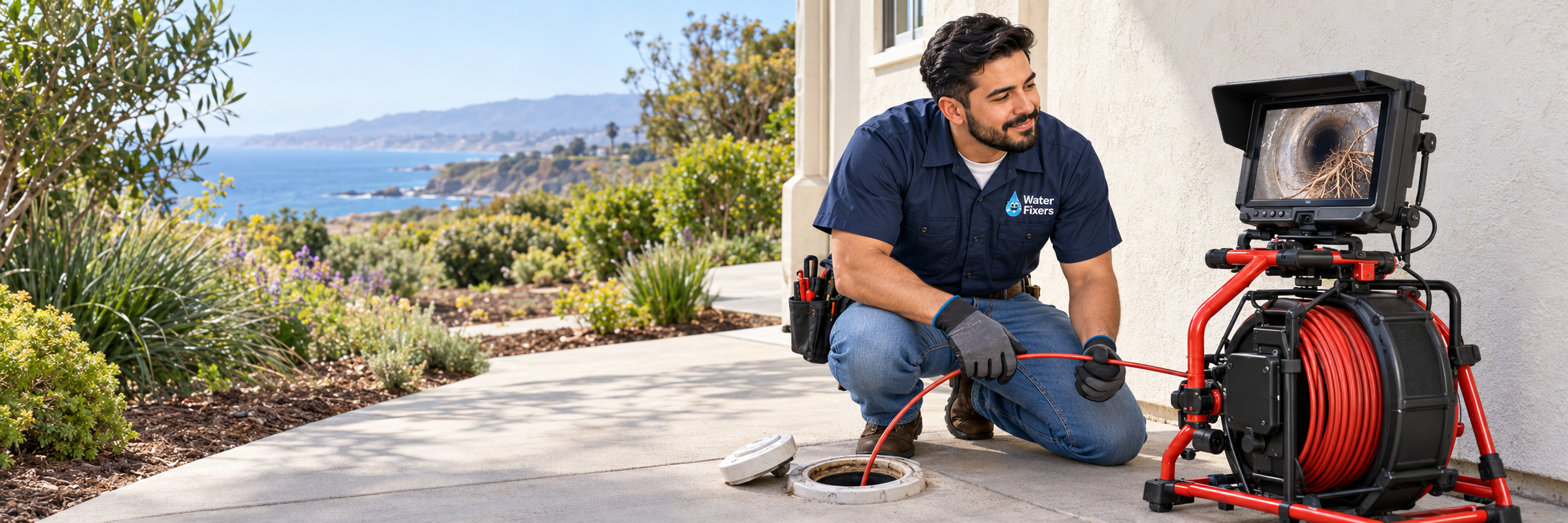
Drain cleaning and sewer camera inspections to find the cause of stubborn clogs, slow drains and backups.
Gas Line Services
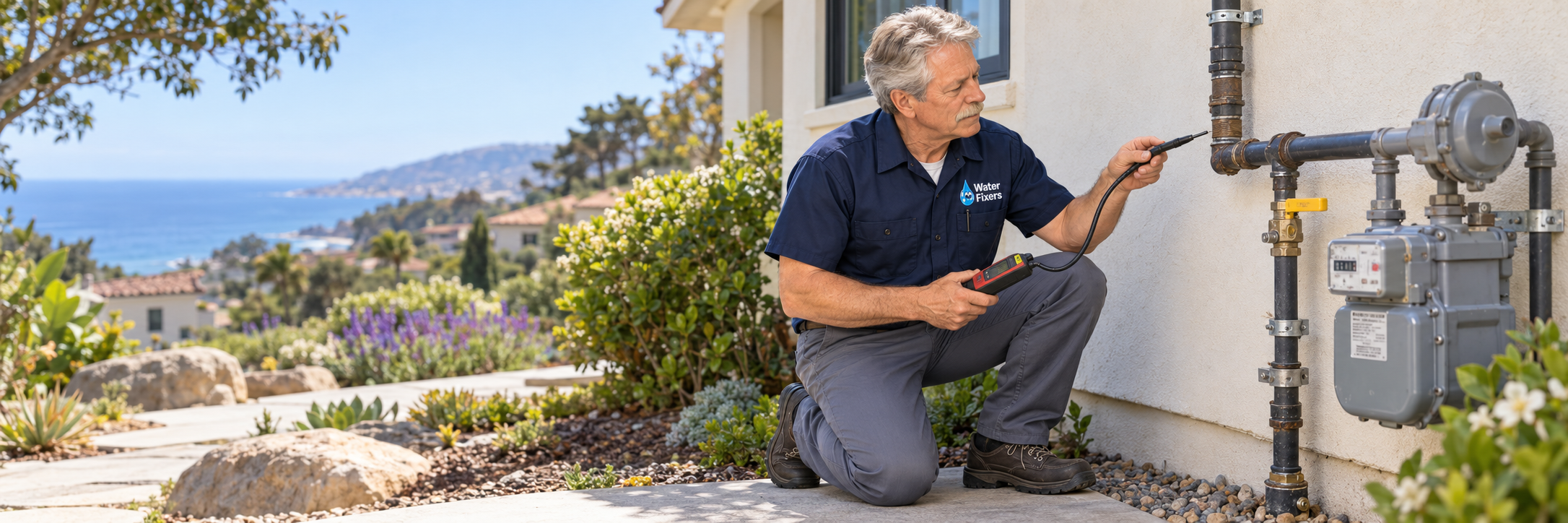
Gas line installation, repairs and appliance connections, with careful attention to your home’s plumbing needs.
Water Heater Services
Tank and tankless water heater repairs, replacement and maintenance to keep hot water ready for daily use.
ATASCADERO, CA • HOMEOWNER WATER QUALITY GUIDE
Atascadero water is best understood from current Atascadero Mutual Water Company (AMWC) information, then confirmed at the property when a treatment decision depends on the actual water. AMWC describes two groundwater sources, publishes a broad hardness range, uses chlorination, and is actively planning PFAS treatment in 2026. Those system facts are useful context—not a diagnosis for one faucet.
CURRENT AMWC CONTEXT
AMWC’s current public information gives four useful anchors: where the public supply comes from, which annual water-quality report is current, how broad the published hardness range is, and why PFAS remains a live utility-planning topic. Keep those facts separate from a property-specific treatment recommendation.
AMWC says it obtains its water from two interrelated groundwater sources: the Salinas River Underflow and the Atascadero Groundwater Basin. Shallow wells draw from the underflow; deeper wells draw from the basin.
AMWC currently publishes its 2025 Consumer Confidence Report, covering testing performed from January 1 through December 31, 2025. Use that report and the current AMWC water-quality page for regulatory/system context.
AMWC currently lists hardness from 12.9 to 31.0 grains per gallon (220–530 ppm), with an average of 21.5 gpg (368 ppm). That range is local system context, not a guaranteed reading at every home.
AMWC says its Board adopted new water and PFAS rates on April 15, 2026, citing costs that include treatment-plant design/construction and regulatory compliance. PFAS therefore belongs in the current utility-information discussion, but household treatment still needs a defined goal and current evidence.
START WITH WHAT YOU NOTICE
Hardness, taste, odor, particles and a drinking-water goal are different questions. Start with the symptom, confirm the source and existing equipment, and test only what will change the decision.
White spots, scale or soap-performance complaints are consistent with hardness, but the equipment decision should use current untreated water at the property. If a softener is already installed, compare untreated and treated hardness before resizing or replacing it.
AMWC uses chlorine for disinfection and notes that odor complaints can have more than one cause. A taste or odor concern should be located first—one tap versus the whole home, hot versus cold, after stagnation, and before versus after existing treatment.
If the main goal is drinking, cooking or ice water, point-of-use reverse osmosis may be worth comparing. That is a different scope from whole-house hardness or general filtration.
Particles, staining, unusual filter loading or an unclear condition should be identified before filter media are selected. Plumbing, source water and existing treatment can all affect what reaches the tap.
HARDNESS & SCALE
AMWC’s published range of 12.9–31.0 gpg and average of 21.5 gpg show why hardness is a meaningful Atascadero topic. The range is also the reason not to copy one setting from another home. Softener sizing, programming and performance checks should use a current untreated-water hardness reading plus household demand and flow.
READ CURRENT UTILITY INFORMATION IN CONTEXT
Utility information can explain the public system without deciding what treatment a particular home needs. Separate regulatory/system facts from aesthetic issues such as hardness and from equipment-performance problems inside the property.
AMWC says most of its groundwater requires no treatment other than chlorination plus the natural filtration that occurs through sand and gravel. It maintains chlorine residual in the wells and distribution system for disinfection.
AMWC’s 2026 rate notice ties PFAS charges to treatment-plant design/construction and regulatory-compliance costs. That makes PFAS a current utility project. For household decisions, use the latest AMWC and regulatory information rather than assuming a historical PFAS notice describes every current tap the same way.
AMWC also participates in the Nacimiento Water Project for long-term supply management, while its current Water Supply page still describes the delivered system through the two groundwater sources. Avoid turning project participation into a fixed household source blend.
TREATMENT PLANNING
Choose the treatment category by the verified goal, not by the city name. Softening, point-of-use RO, whole-house filtration and diagnostic testing solve different problems.
Best fit when the verified problem is calcium/magnesium hardness, scale or softener performance.
Best fit when the goal is point-of-use drinking, cooking or ice water and RO is appropriate for the feed water and installation.
Best fit when a defined treatment goal applies to water throughout the home and the selected media matches that concern.
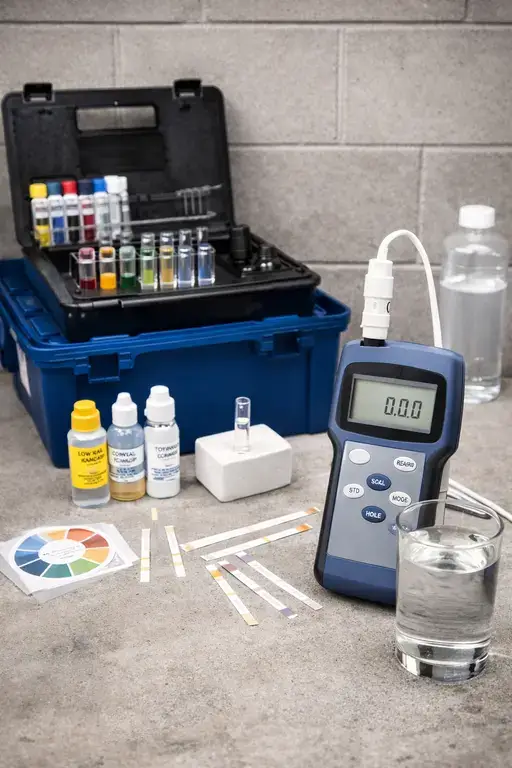
Best fit when the symptom, source or equipment condition is unclear, or when the result will change what treatment is selected.
EXISTING EQUIPMENT MATTERS
If a home already has a softener, carbon filter, cartridge housing, reverse-osmosis system or other treatment, identify what it is designed to do and whether it is performing before adding another device.
Compare untreated and treated hardness, check bypass position, salt/brine condition, programming and regeneration before changing settings or replacing the unit.
Check filter history, tank delivery, production, drain behavior and membrane performance before assuming the entire RO system needs replacement.
Identify the media, service interval, pressure impact and treatment goal before changing a whole-house filter or adding another stage.
ATASCADERO & NORTH COUNTY
AMWC’s published figures describe its public system. A specific property can still have different plumbing, treatment equipment, stagnation patterns and maintenance history. If a property actually uses a private well, do not use AMWC’s hardness range or compliance reporting as a substitute for testing that well.

COMMON QUESTIONS
Use current AMWC information for public-system context, then use current property conditions when the treatment decision depends on the water at one address.
AMWC currently publishes a hardness range of 12.9–31.0 grains per gallon (220–530 ppm), with an average of 21.5 gpg (368 ppm). Those are public-system figures. Use a current untreated-water reading at the property when sizing, programming or evaluating a softener.
AMWC says it obtains its water from two interrelated groundwater sources: the Salinas River Underflow and the Atascadero Groundwater Basin. Shallow wells draw from the underflow and deeper wells from the basin.
No. AMWC publishes a broad range, and a property may also have existing treatment that changes what reaches a faucet. A current reading at the property is more useful than assuming the system average applies to every home.
AMWC says it adopted new water and PFAS rates in April 2026 to help cover treatment-plant design/construction and regulatory-compliance costs. That makes PFAS a current utility-planning topic. Use the latest AMWC and regulatory information for compliance questions rather than treating an older result as a permanent household reading.
No. A softener has a specific job: reducing calcium and magnesium hardness. Confirm the untreated hardness, household demand and the condition of any existing equipment before sizing or replacing a unit.
RO can make sense when the goal is point-of-use treatment for drinking, cooking or ice. It should be selected for that defined goal and maintained with the correct filters, tank service and membrane checks rather than used as a whole-house hardness solution.
Do not use AMWC public-system values as the treatment plan for a private well. Confirm the actual source and test the well for the concerns that matter before selecting treatment.
Water Fixers can help separate hardness, filtration, drinking-water and existing-equipment questions so the next step matches the actual goal at the Atascadero property.
Water Fixers Plumbing & Filtration • Serving Atascadero and North County • License #719792