
NIPOMO, CA • WHOLE-HOUSE WATER FILTRATION
Whole-house water filtration in Nipomo should start with the actual water source and a defined point-of-entry goal. Nipomo is served by more than one public water system, and a private well may apply to some properties, so Water Fixers first confirms the provider or well before selecting carbon, sediment or other whole-home filtration. Hardness, dedicated drinking-water RO and private-well treatment stay on their own service paths.
Water Fixers Plumbing & Filtration • CA License #719792 • Se Habla Español
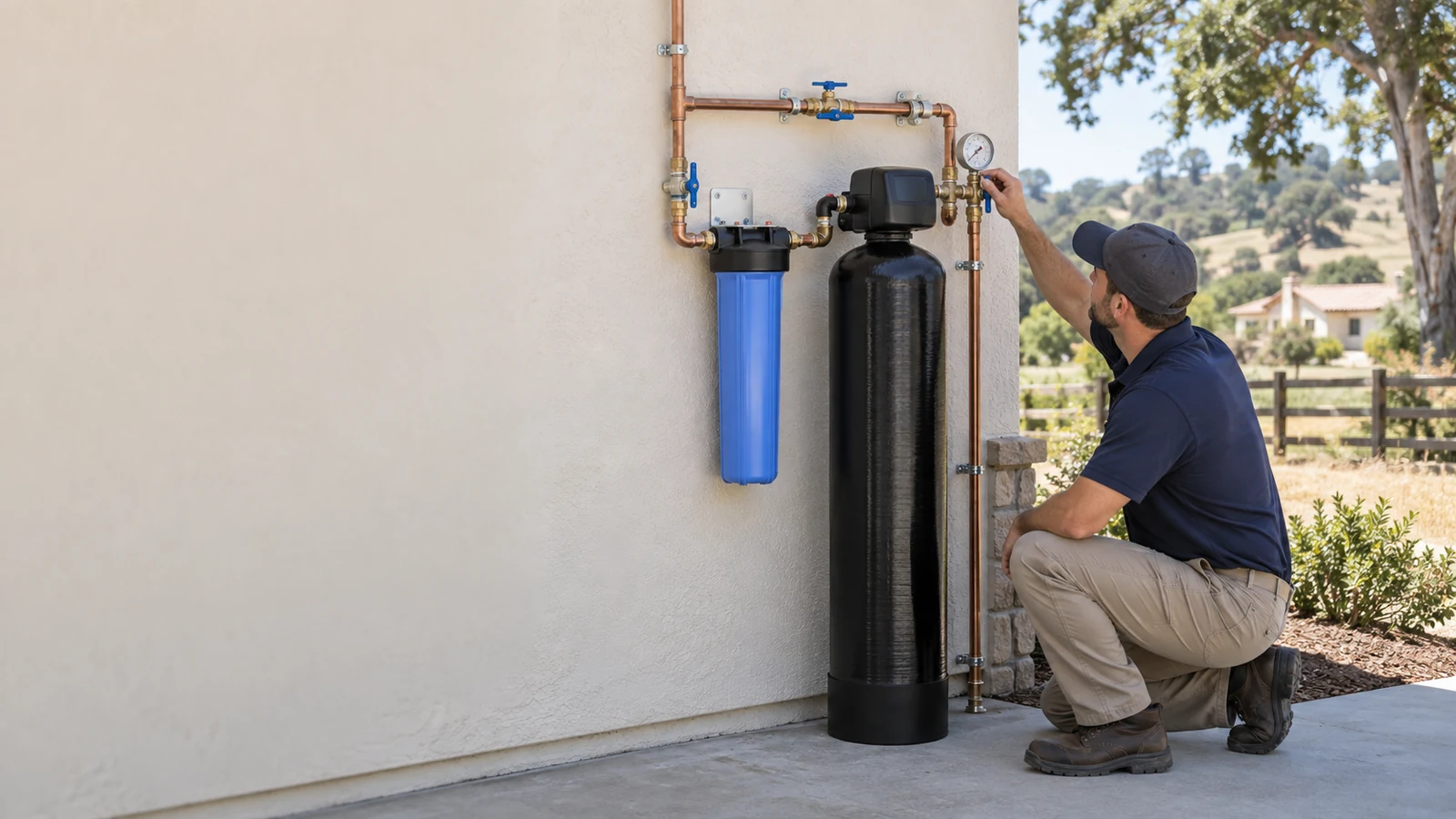
A Nipomo address alone does not tell you which treatment belongs on the main line. Whole-house filtration is appropriate when the goal affects water used throughout the property and fits filtration. Hardness routes to the Nipomo softener page, dedicated drinking water to Nipomo reverse osmosis, uncertain conditions to local water testing, and confirmed private wells to the Nipomo well-water page.
When taste, odor or visible particulate is noticed at fixtures across the house, point-of-entry filtration may be a sensible category to evaluate.
Hard-water symptoms are a separate treatment job. Carbon and sediment filters should not be marketed as substitutes for ion-exchange softening.
A kitchen drinking-water goal is different from a whole-home goal. Reverse osmosis is the dedicated point-of-use service for that situation.
If the condition is uncertain or a specific constituent is named, use appropriate testing before selecting specialty treatment media.
Nipomo Community Services District says its supply includes five operational groundwater wells plus water purchased from the City of Santa Maria. Golden State Water also serves part of Nipomo, and its current report describes treated Santa Maria Groundwater Basin groundwater plus purchased supplemental water. Those are system-level facts, not a diagnosis for one home.
Use provider information to frame the question—not to skip the diagnosis. The serving system can change which source information is relevant, but it does not prove that a property needs carbon, sediment filtration, softening, RO or any other treatment.
For a Nipomo property, confirm the provider or well, define the household goal, review any existing treatment, and test when the concern cannot be identified reliably from symptoms alone. That is more useful than copying a neighboring home’s equipment.
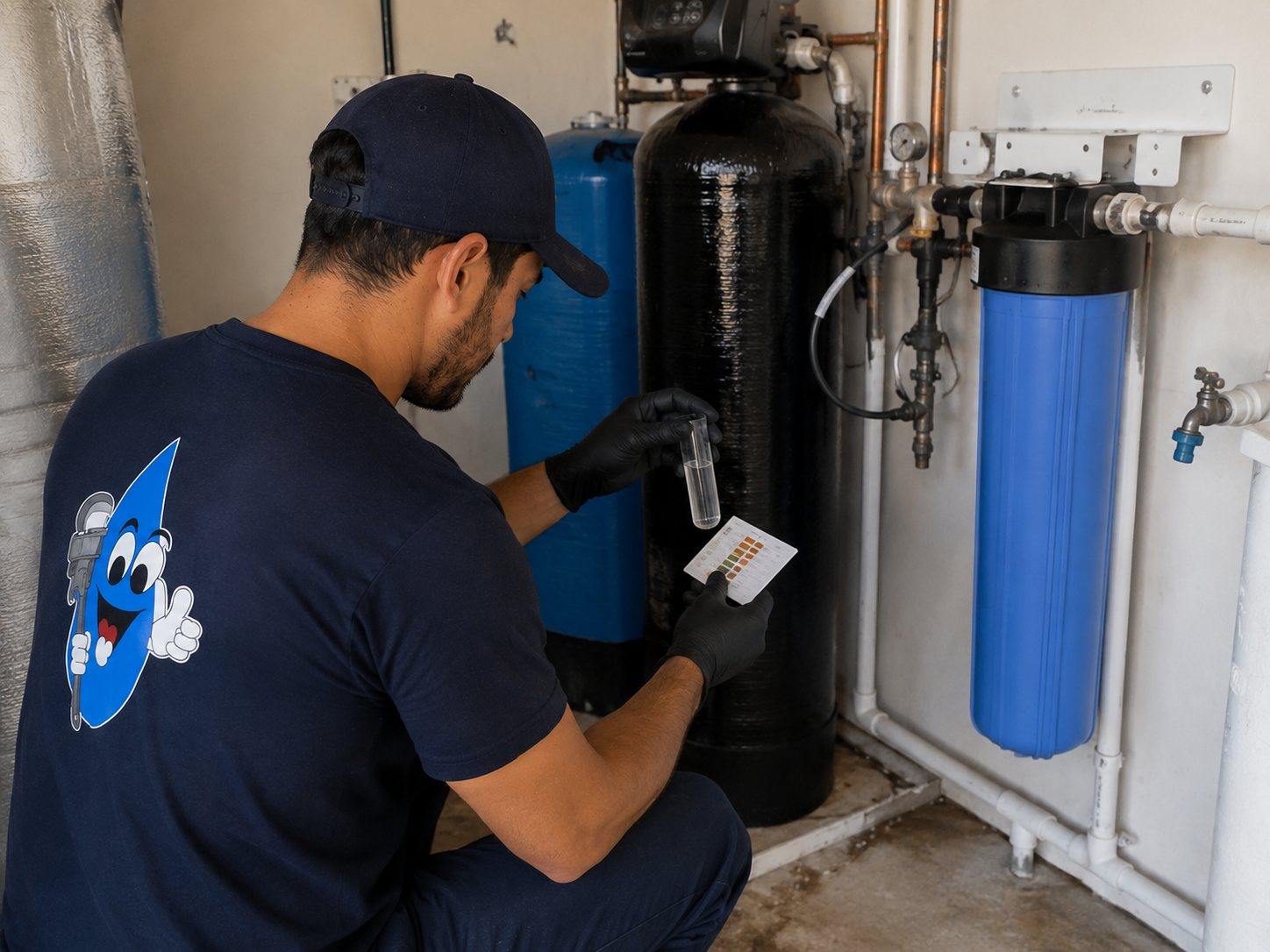
More tanks do not automatically mean better water. A strong plan uses only the media and prefiltration needed for the identified household objective.
Match whole-home carbon, sediment or other applicable filtration to the actual provider/source and the specific point-of-entry result you want.
Use a particulate prefilter when the water conditions or equipment design justify it, and size the housing for the expected flow so service does not create avoidable pressure loss.
Make existing filtration easier to service by correcting inaccessible valves, undersized housings or confusing bypass arrangements when those conditions are actually present.
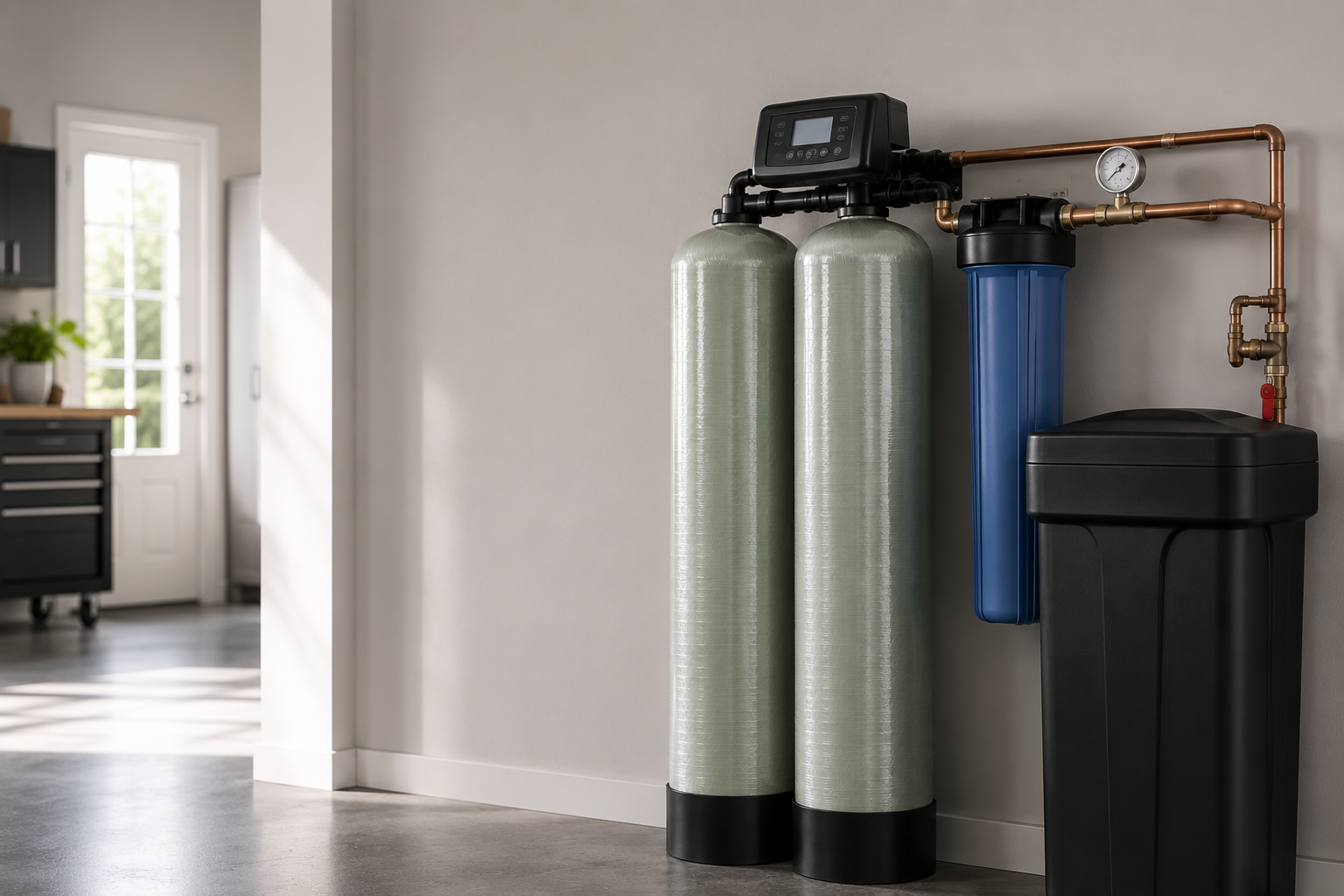
Whole-house filtration becomes part of the plumbing system, so the installation should confirm where domestic water enters the property, which branches should receive treatment, available pressure, peak flow, pipe size, bypass access and future service clearance.
Peak flow: Measure demand with simultaneous fixtures in mind; daily gallons do not tell you the instantaneous flow the equipment must pass.
Available pressure: Compare pressure under demand so a filter is not blamed later for a restriction that existed beforehand.
Main-line plumbing: Match connection and valve size to the plumbing. A larger-looking tank does not correct an undersized inlet, outlet or bypass assembly.
Isolation and bypass: Keep treatment serviceable and make valve positions understandable.
Maintenance room: Leave practical clearance for cartridge, media, valve and control-head service.
Two systems with similar-looking tanks can use different media volumes, valves and internal distributors. Those differences can affect service flow, pressure drop and the maintenance the system requires.
Design for the next service visit: A strong layout keeps each component reachable, each valve purposeful, and future cartridge or media service practical.
For an existing Nipomo filtration system, Water Fixers can identify the equipment, trace the plumbing, check pressure drop and bypass position, review maintenance history, and separate a filter-service problem from a source, softener, RO or general plumbing issue before replacement is recommended.
Low flow can come from a loaded cartridge, restrictive media, a valve or bypass issue, an undersized component, or another plumbing condition. Measure the restriction instead of assuming the entire filtration system has failed.
Identify the filter, media and control valve when possible, then compare service history with manufacturer guidance and the household’s actual use before choosing replacement intervals or new equipment.
If taste, odor or another whole-home result changes over time, check whether the original system was designed for that goal, whether maintenance is due, and whether the provider/source or household conditions changed.
Different treatment jobs should remain easy to explain. Whole-house filtration can address an appropriate main-line filtration goal, while hardness, dedicated drinking water and confirmed private-well treatment remain separate decisions.
Hardness treatment belongs to the Nipomo water-softener service path. Carbon or sediment filtration should not be presented as a substitute for softening.
If the goal is drinking and cooking water at one faucet, use the Nipomo reverse-osmosis path rather than treating all household flow with RO.
If the property is confirmed to use a private well, use the Nipomo well-water service path because source testing, pressure equipment and treatment planning are property-specific.
If you are still deciding between treatment categories, use the Nipomo water-filtration service router for a broader local starting point without turning this whole-house page into every treatment service.
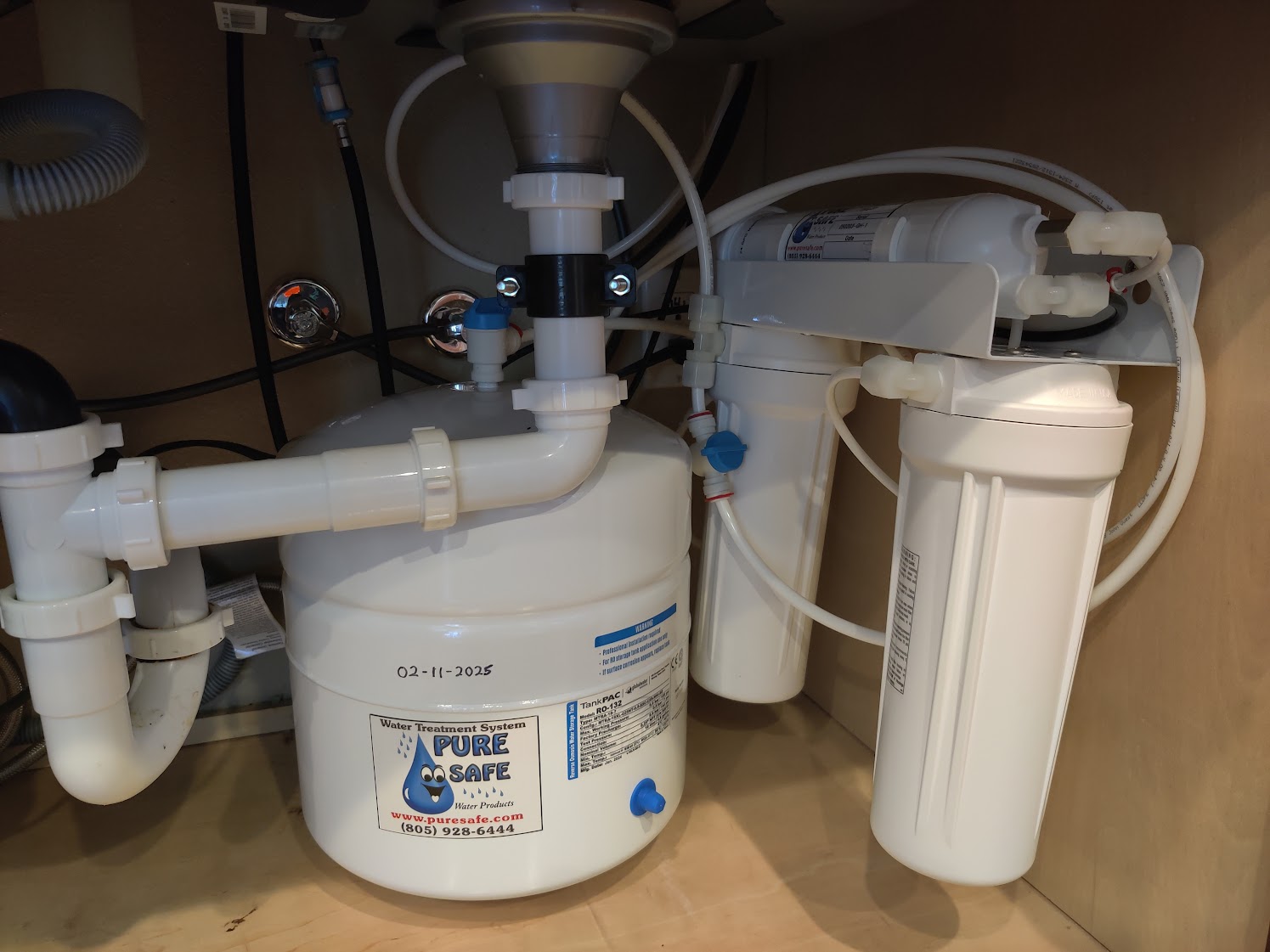
Tell Water Fixers the provider or well, what you want to improve throughout the property, and whether filtration is already installed. We can separate the whole-house filtration job from hardness, drinking-water treatment, private-well work and plumbing before recommending changes.
Water Fixers Plumbing & Filtration • Serving California’s Central Coast • CA License #719792
CALL NOW! Se Habla Español!